

We may earn a commission when you buy through links on this page, at no extra cost to you. Learn more.
The ideal white zinfandel serving temperature is 45°F to 50°F (7°C to 10°C), which keeps its residual sugar crisp and its strawberry and melon aromas bright. Serving this off-dry rosé colder than 42°F mutes its delicate red fruit, while letting it warm above 55°F makes the sweetness feel syrupy and flat. Two to three hours in a standard household refrigerator brings a room-temperature bottle right into the sweet spot.
Because White Zinfandel sits in a unique stylistic lane between dry rosé and sweet dessert wine, getting the chill right makes all the difference in the glass. Unlike full-bodied red Zinfandel, which thrives just below room temperature, this pale pink California classic depends on brisk coldness to balance its natural fruit sugar with lively acidity.
What Is White Zinfandel?
White Zinfandel is a pale pink, off-dry to sweet rosé made from red Zinfandel grapes whose juice spends only a brief time in contact with the dark skins. Winemakers halt fermentation early, leaving behind natural grape sugar and resulting in a light-bodied wine with modest alcohol.
Despite the word “white” in its name, the wine is unmistakably pink—ranging from pale salmon to bright azalea depending on how long the skins macerate before pressing. As Wine Folly’s guide to rosé styles explains, most bottles are crafted in an off-dry style with noticeable residual sugar, fresh strawberry and green melon notes, and moderately high acidity. Because fermentation stops before yeast consumes all the sugar, typical bottles land between 9% and 11% ABV, far lower than the 14% to 17% ABV common in ripe red Zinfandel.
The style rose to fame in California during the 1970s after a stuck fermentation at Sutter Home left unfermented sugar in a batch of Zinfandel rosé. Instead of discarding the wine, the winery bottled it, and American drinkers embraced its approachable, fruit-driven profile. Today, producers across Lodi and the Central Valley continue making White Zinfandel as an easy-drinking warm-weather staple, while a smaller group of California vintners also produce drier, crisp Zinfandel rosés with vibrant citrus and herbal edges.
Why Serving Temperature Matters for White Zinfandel
Temperature acts like an equalizer in wine, turning up acidity when cold and amplifying sweetness and alcohol when warm. For a wine built on residual sugar and gentle berry aromatics, a few degrees in either direction completely shifts how the palate perceives balance.
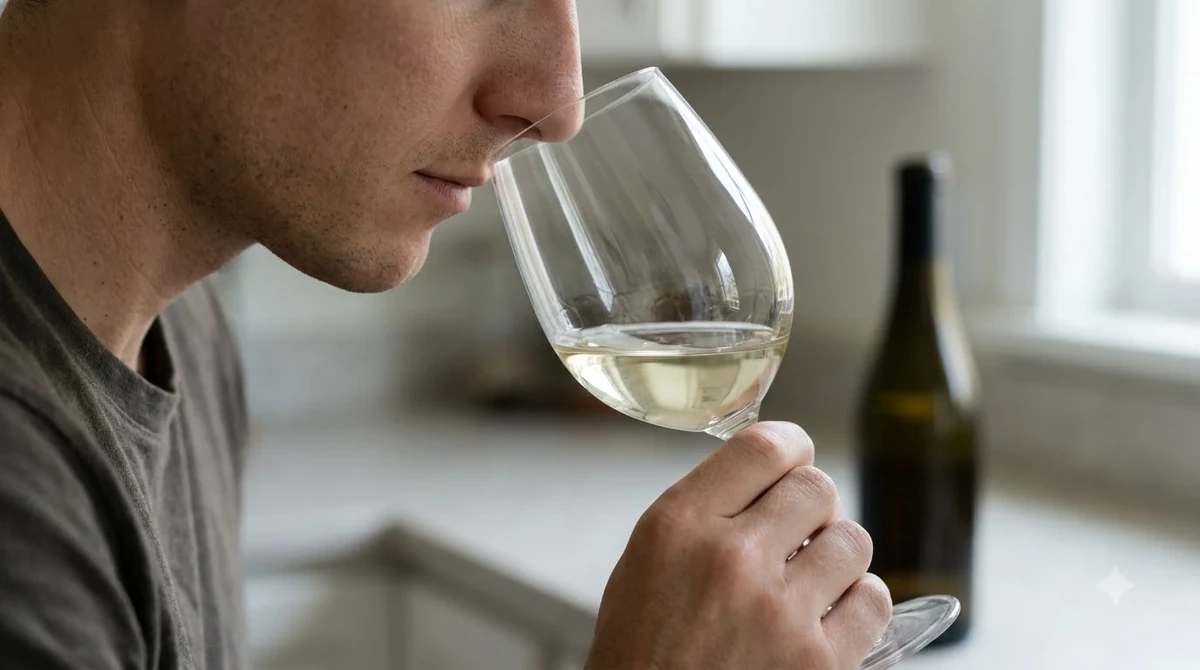
When White Zinfandel is served too warm—say, above 55°F (13°C)—its residual sugar dominates the mid-palate, masking the bright lemon and cranberry acidity that keeps the wine refreshing. Warmth also accentuates volatile aromas and any slight alcohol heat, making a crisp rosé taste heavy or cloying after just a few sips. If you explore Wine by Type, you will notice that sweet and off-dry wines consistently require cooler service than dry wines of similar weight for this exact reason.
Conversely, chilling a bottle down to near-freezing temperatures below 40°F (4°C) suppresses the volatile aroma compounds responsible for its signature notes of fresh strawberry, watermelon, and cotton candy. Cold receptors on the tongue also dull flavor perception, leaving an over-chilled glass tasting thin and watery until it warms up. Aiming for 45°F to 50°F (7°C to 10°C) hits the golden middle: cold enough to sharpen the finish, yet warm enough for the aromatics to open immediately.
White Zinfandel Serving Temperature Chart
Different styles of White Zinfandel—and nearby rosé or sweet wine benchmarks—respond best to slightly tailored temperatures within the chilled spectrum. Use the reference table below to match your bottle’s sweetness level and storage starting point to the right target.
| Wine Style | Ideal Temperature (°F) | Ideal Temperature (°C) | Fridge Time from 70°F | Sensory Result |
|---|---|---|---|---|
| Sweet White Zinfandel | 45°F – 47°F | 7°C – 8°C | 2.5 – 3 hours | Crisp acidity tames higher residual sugar |
| Off-Dry White Zinfandel | 47°F – 50°F | 8°C – 10°C | 2 – 2.5 hours | Balanced strawberry, melon, and citrus notes |
| Dry Zinfandel Rosé | 48°F – 52°F | 9°C – 11°C | 2 hours | Highlights savory herbs, berry skin, and texture |
| Red Zinfandel (Reference) | 60°F – 65°F | 15°C – 18°C | 20 – 30 minutes | Keeps high-ABV jammy fruit fresh, not hot |
Notice how drier Zinfandel rosés tolerate—and actually reward—serving temperatures a couple of degrees higher than sweet bottlings. Without significant residual sugar to keep in check, a drier pink wine shows more mineral grip, red currant, and floral nuance around 50°F (10°C). Meanwhile, if you are comparing sweet wines across categories, check how sauternes serving temperature sits slightly higher at 50°F to 55°F so rich honeyed botrytis notes can unfold.
How to Chill White Zinfandel Quickly and Safely
Most home refrigerators run between 37°F and 40°F, which is several degrees colder than the ideal pouring range for White Zinfandel. Knowing how long to chill a bottle—and how to rescue a warm one—prevents both lukewarm pours and flavor-numbing over-chilling.
If you plan ahead, place a room-temperature bottle in your kitchen refrigerator for two to two-and-a-half hours before opening. Leaving a bottle in the fridge overnight drops the liquid down to around 38°F; if that happens, simply pull the bottle out onto the kitchen counter 15 to 20 minutes before pouring so it can rise into the 45°F to 50°F window. Wine refrigerators set to cellar temperature (around 55°F) require roughly 45 minutes in a standard fridge to bring White Zinfandel down to serving readiness.
When guests arrive unexpectedly and your bottle is sitting at 70°F on a pantry rack, an ice-and-water bath is the fastest safe method. Submerge the bottle up to its neck in a bucket filled halfway with ice cubes and halfway with cold tap water, then add a small handful of kosher salt to lower the freezing point of the water. Gently spinning the bottle every two minutes chills the wine to 46°F in about 12 to 15 minutes—far faster than cold air alone, because water conducts heat roughly twenty-five times more efficiently than air.
Tip: Never chill White Zinfandel in the freezer for more than 20 minutes, and always set a phone timer; frozen wine expands, pushes out the cork or cracks the glass, and permanently flattens delicate fruit aromatics.
Glassware, Pours, and Keeping the Bottle Cold
Once your bottle reaches 45°F to 50°F, your glassware and pouring habits determine how long that refreshing chill lasts in the hand. Wine warms up rapidly in a room-temperature glass, especially outdoors on a sunny patio.
Choose a standard white wine glass or a tulip-shaped rosé glass with a medium bowl and a slender stem. The narrower opening concentrates bright berry and citrus aromas toward the nose while minimizing the surface area exposed to warm ambient air. Always hold the glass by the stem rather than cradling the bowl, since palm heat can raise the temperature of a small pour by four or five degrees within minutes.
Pour smaller servings of three to four ounces at a time, and return the open bottle to the refrigerator or a chilled wine sleeve between rounds. Unlike structured red wines, White Zinfandel does not need prolonged aeration in a decanter; pouring straight from a cold bottle preserves its lively freshness. If you enjoy dialing in precise temperature habits for other chilled drinks, our guides on sake serving temperature and mead serving temperature cover similar serving adjustments for aromatic, lower-alcohol beverages.
Food Pairings That Shine at 45°F to 50°F
Serving White Zinfandel properly chilled turns its gentle sweetness and brisk acidity into a versatile partner at the dinner table. At 45°F to 50°F, the wine acts as a palate cleanser against spicy, salty, and smoky dishes.
Chilled off-dry wines are classic companions for mild-to-medium spicy cuisines, including Thai noodle dishes, Vietnamese spring rolls, and Tex-Mex favorites. The cool temperature soothes capsaicin heat on the tongue, while the touch of residual sugar tames chili spice without clashing with fragrant herbs like cilantro, basil, and lemongrass. As Wine Enthusiast’s serving temperature guide notes, keeping lighter, fruit-driven wines properly chilled preserves the crisp acidity needed to cut through rich or savory foods.
Backyard barbecue fare also pairs naturally with a well-chilled glass of White Zinfandel. Pulled pork sliders with tangy barbecue sauce, glazed ham, grilled chicken skewers, and salty charcuterie boards all benefit from the contrast between sweet-tart berry fruit and smoky, savory meat. For lighter afternoon spreads, serve a 46°F pour alongside watermelon feta salad, fresh berries, or soft cow’s-milk cheeses like Brie and Camembert.
Frequently Asked Questions
Should White Zinfandel be served over ice?
If you are drinking White Zinfandel casually on a hot afternoon, dropping a couple of ice cubes into your glass is completely fine, though it will gradually dilute the flavor. A better way to keep a pour cold without watering it down is to drop three or four frozen red grapes or frozen strawberries directly into the glass.
How long does an opened bottle of White Zinfandel last in the fridge?
Resealed tightly with its original cork or a rubber wine stopper and stored upright in the refrigerator, an opened bottle of White Zinfandel stays fresh for three to five days. Keeping the bottle cold slows oxidation and preserves its bright strawberry and citrus aromatics.
Is White Zinfandel served colder than regular Zinfandel?
Yes, significantly colder. White Zinfandel is an off-dry rosé best served chilled at 45°F to 50°F (7°C to 10°C), whereas red Zinfandel is a full-bodied red wine best served slightly below room temperature at 60°F to 65°F (15°C to 18°C).
Can you store White Zinfandel in the refrigerator permanently?
A standard kitchen refrigerator is ideal for chilling White Zinfandel for a few days or weeks before drinking, but it is too dry and cold for months-long storage. For long-term keeping, store unopened bottles on their side in a cool, dark place around 50°F to 59°F (10°C to 15°C), then chill before serving.
Dialing in the right chill takes only a little planning, yet it transforms White Zinfandel from an overly sweet pour into a crisp, aromatic crowd-pleaser. Keep your bottle between 45°F and 50°F, pour modest amounts into stemmed glasses, and let its bright red-berry character shine alongside your favorite casual meals.
More in Wine Types & Grapes
 Zinfandel Cocktail Recipes and Mixing Guide for Every SeasonUpdated Nov 21, 2026
 Zinfandel Acidity: How Freshness Balances Bold Fruit and High AlcoholUpdated Nov 21, 2026
 Zierfandler Wine: Flavor Profile, Regions, and Food PairingsUpdated Nov 21, 2026
 White Zinfandel Tasting Notes: Flavors, Sweetness, and Pairing GuideUpdated Nov 21, 2026
 White Zinfandel Price Range: What to Expect by Style and TierUpdated Nov 21, 2026
 White Zinfandel Sweetness Level: Residual Sugar, Taste, and Serving GuideUpdated Nov 21, 2026