
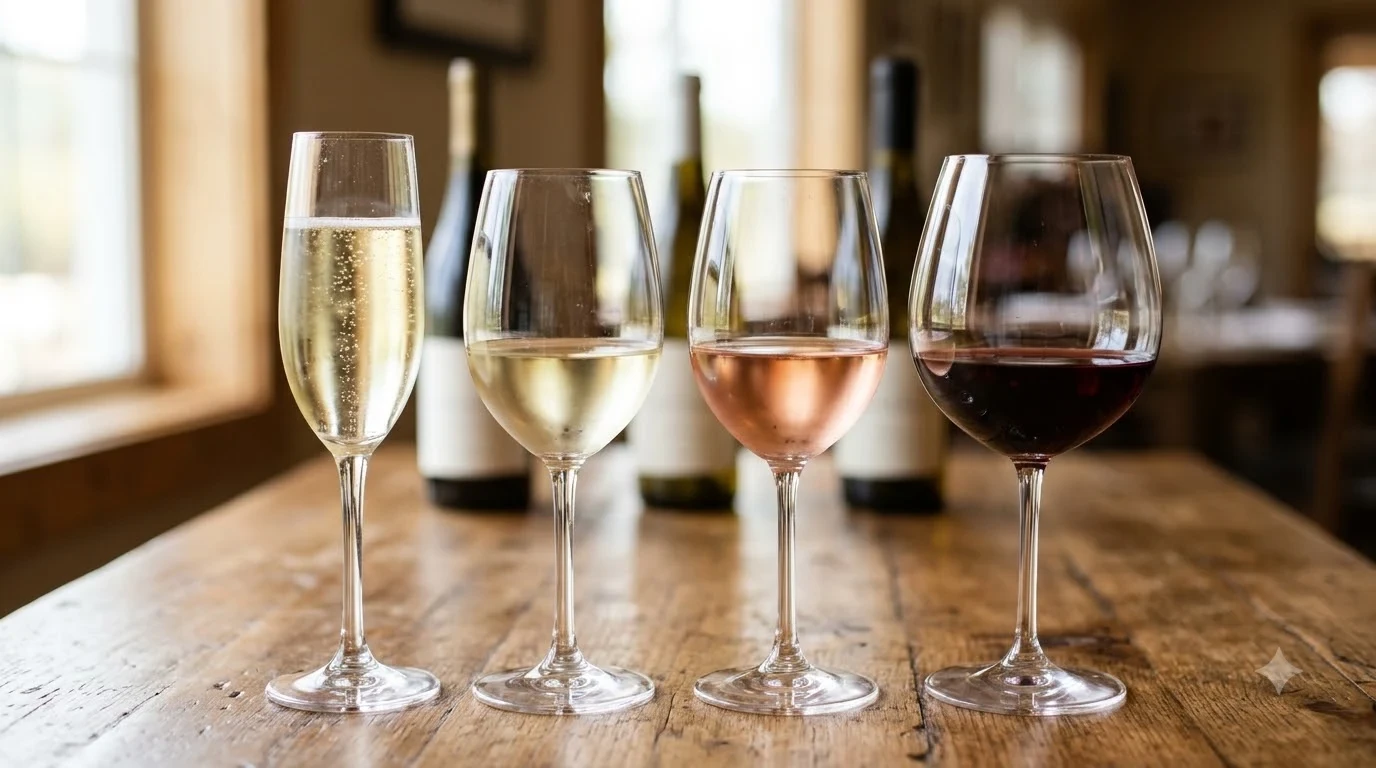

We may earn a commission when you buy through links on this page, at no extra cost to you. Learn more.
The white zinfandel price range sits firmly in the value and everyday tiers of the American wine market, making it one of the most accessible styles on retail shelves. Classic, off-dry supermarket bottlings anchor the entry-level tier, while dry, small-lot interpretations from heritage California producers occupy a modest step up in cost. Unlike age-worthy reds or prestige sparkling wines, white zinfandel rarely commands collector-level pricing, even when sourced from historic old-vine vineyards.
Understanding what drives the cost of a bottle requires looking beyond the pale pink hue in the glass. Farming practices, fermentation style, and vineyard sourcing separate mass-market blush wines from modern, crisp Zinfandel rosés, creating distinct pricing tiers for shoppers.
What Is White Zinfandel?
White zinfandel is a pale pink rosé wine made from the red-skinned Zinfandel grape, rather than a white grape variety. It gained national fame in the mid-1970s when California winemaker Bob Trinchero accidentally produced a sweet, blush-colored batch after a stuck fermentation left residual sugar in the tank.
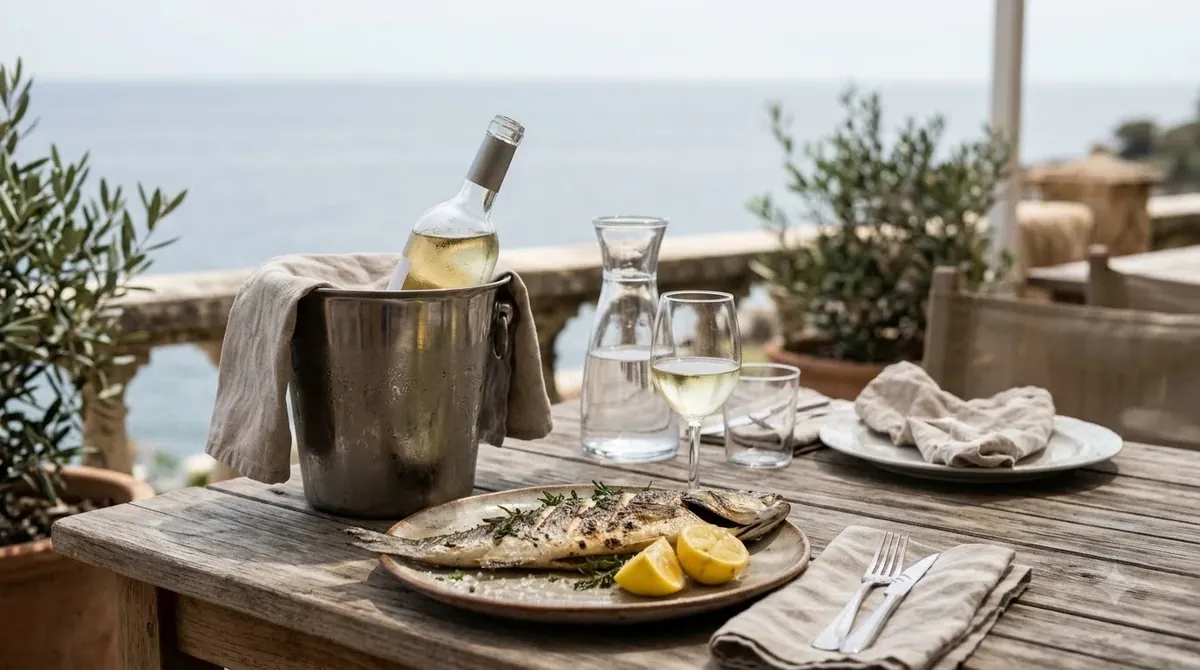
Because Zinfandel berries have dark, pigment-rich skins, winemakers achieve a light pink color by separating the juice from the skins after only a brief period of contact. In traditional production, the free-run or bled-off juice—a technique known as saignée—is fermented cool to preserve bright fruit aromas before fermentation is halted early.
Stopping fermentation leaves noticeable residual sugar in the finished wine and keeps the alcohol by volume remarkably low, typically sitting around nine to ten percent ABV. By contrast, a new wave of California winemakers ferments the juice completely dry, producing a crisp, higher-alcohol rosé that shares the grape name while appealing to dry-wine drinkers.
Both styles fall under the broader umbrella of Wine by Type as rosés, though their flavor profiles and market positioning differ sharply. That stylistic split is the single biggest factor dividing entry-level grocery store bottles from boutique wine-shop selections.
What Drives the White Zinfandel Price Range?
The white zinfandel price range is determined primarily by grape sourcing, yield management, and production scale rather than expensive oak aging. Because the wine is meant to be bottled young and consumed fresh, wineries avoid the heavy barrel costs that drive up prices for red wines.
| Market Tier | Typical Style | Grape Sourcing | Production Scale | Where You Find It |
|---|---|---|---|---|
| Entry-Level Value | Sweet to off-dry, 9–10% ABV | High-yield Central Valley vineyards | Multi-million case national brands | Supermarkets, convenience stores, big-box retailers |
| Mid-Tier Classic | Off-dry to lightly sweet, balanced acidity | Lodi and North Coast appellations | Regional and mid-sized wineries | Grocery wine aisles, casual restaurants, neighborhood shops |
| Artisanal Dry Rosé | Bone-dry, crisp, higher acidity | Old-vine, dry-farmed single vineyards | Small-lot allocations | Independent wine shops, bistro wine lists |
Large-scale producers keep prices low by harvesting high-yielding vineyards across California’s warm inland valleys and fermenting in massive temperature-controlled stainless steel tanks. Automated harvesting and standardized winemaking allow these brands to offer consistent, budget-friendly bottles year after year, even in large-format jugs and boxed packaging.
When you step up in price, you are paying for lower-yielding vineyards and more labor-intensive farming. Artisanal producers often source fruit from unirrigated, head-trained old vines in historic districts, harvesting the grapes earlier in the season specifically for rosé rather than using juice bled off from red wine tanks.
According to Wine Folly, white zinfandel historically accounted for the vast majority of total Zinfandel production in the United States, creating an economy of scale that keeps baseline retail prices far lower than those of bold red Zinfandels. Even at the top end of the category, white zinfandel remains dramatically more affordable than the cabernet sauvignon price range, where new French oak barrels and multi-year cellar aging push prices exponentially higher.
Flavor Profile and Stylistic Tiers
Most shoppers expect white zinfandel to taste overtly sweet and fruity, yet modern bottlings span a wide spectrum from lush and candy-like to bone-dry and savory. Knowing the stylistic cues on the label helps explain why two bottles made from the same grape sit in different pricing brackets.
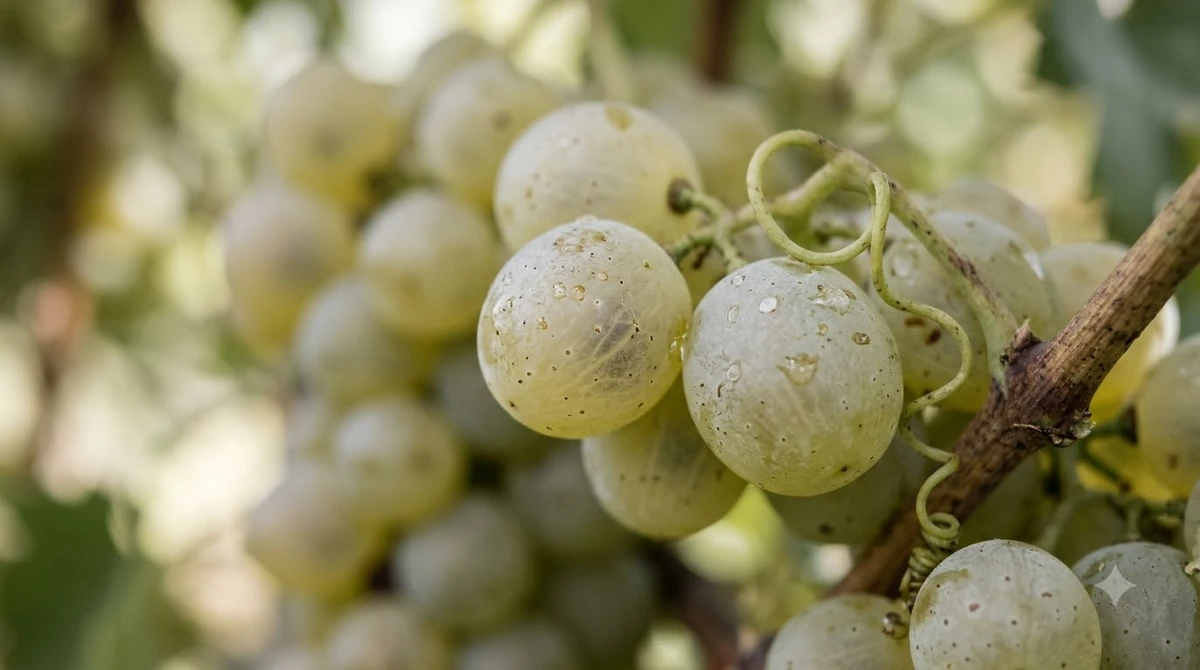
Classic, entry-level white zinfandel delivers immediate notes of fresh strawberry, ripe watermelon, cantaloupe, and sweet peach preserves. Because residual sugar softens the palate and tannins are virtually absent, these bottles feel smooth, plush, and easygoing, making them popular among newcomers who find dry wines too astringent.
Reviewers at VinePair note that contemporary producers such as Turley Wine Cellars and Broc Cellars have reinvented the category by fermenting Zinfandel rosé completely dry. These higher-tier bottles trade syrupy sweetness for tart red currant, blood orange, crushed herbs, and subtle baking spice, backed by brisk natural acidity.
Between those two extremes lies a middle ground of balanced, off-dry bottlings that retain a hint of natural fruit sweetness while keeping enough crispness to feel refreshing rather than cloying. Comparing this spectrum to sparkling categories shows a similar pattern: just as the cava price range offers accessible daily drinkers at a fraction of the champagne price range, dry Zinfandel rosé delivers serious terroir expression without luxury markups.
Where White Zinfandel Is Made
California dominates global white zinfandel production, with distinct growing regions shaping both the flavor and the cost of the finished wine. Warm inland valleys supply the bulk of everyday bottlings, while coastal and foothill appellations provide the fruit for boutique dry releases.
Lodi and the broader Central Valley serve as the engine room of the American white zinfandel market. Warm daytime temperatures ripen grapes reliably every vintage, while sandy soils and cooling delta breezes help retain enough acidity to keep sweet styles from tasting flat. Because land and farming costs are lower here than along the coast, Lodi and Central Valley fruit anchors the most affordable tiers.
Further west and into the Sierra Foothills, regions like Sonoma County, Mendocino, Napa Valley, and Amador County supply fruit for small-lot, dry Zinfandel rosés. Cool coastal fog or high-elevation nights slow down sugar accumulation, allowing winemakers to pick grapes with vibrant natural acidity and complex aromatics.
Italy’s Puglia region also grows the exact same grape variety—known locally as Primitivo—and produces fresh, dry pink wines called rosato. While Italian Primitivo rosato is rarely labeled as white zinfandel, it shares the grape’s red-berry and spice signature and sits in a comparable everyday to mid-tier retail bracket.
How to Serve and Pair White Zinfandel
Serving white zinfandel properly brings out its refreshing fruit character and keeps sweeter styles from feeling heavy on the palate. Because the wine is built for immediate enjoyment rather than cellar aging, simple serving habits make a noticeable difference.
Chill the bottle thoroughly in the refrigerator for at least two hours before opening so it lands in an ideal serving window between forty-five and fifty degrees Fahrenheit. Serving it too warm exaggerates the perception of sugar in off-dry styles, while serving it ice-cold mutes the delicate strawberry and citrus aromatics.
Pour white zinfandel into a standard white wine glass with a medium-sized bowl, which concentrates its floral and berry notes without needing any decanting. Once opened, reseal the bottle tightly and keep it refrigerated; most bottles stay fresh and lively for two to three days.
Tip: Check the alcohol percentage on the back label before buying—bottles around nine to ten percent ABV are noticeably sweet, while bottles between twelve and thirteen-and-a-half percent ABV are almost always fermented dry.
At the dinner table, classic off-dry white zinfandel excels alongside spicy dishes where residual sugar tames chili heat, such as Thai curries, Nashville hot chicken, or glazed barbecue ribs. Dry Zinfandel rosés are even more versatile, pairing effortlessly with grilled salmon, charcuterie boards, summer tomato salads, and herb-roasted poultry.
How to Choose a Bottle That Fits Your Budget
Shopping smartly within the white zinfandel price range comes down to matching the bottle’s style to the occasion and checking a few key clues on the label. Because vintage variation matters less here than winemaking intent, knowing what to look for prevents unpleasant surprises.
First, decide whether you want a sweet porch-pounder or a crisp mealtime rosé. If you prefer traditional sweetness, look for large, established California labels and check the back label for tasting notes mentioning sweet berry flavors alongside lower alcohol levels. If you want a dry, food-friendly wine, look for bottles labeled specifically as Zinfandel Rosé from single appellations or old-vine vineyards.
Second, always check the vintage date on the bottle before heading to the register. White zinfandel relies on fresh primary fruit and bright acidity, so you should aim for the most recent release on the shelf rather than an older bottle that may have lost its vibrancy under bright store lighting.
Finally, consider packaging format if you are buying for a large gathering. Entry-level white zinfandel is widely available in larger glass bottles and multi-liter boxes that reduce packaging overhead and keep opened wine fresh for weeks, whereas single-vineyard dry bottlings come exclusively in standard glass bottles meant to be enjoyed shortly after opening.
Frequently Asked Questions
Why is white zinfandel so inexpensive compared to red zinfandel?
White zinfandel requires no expensive oak barrel aging and is bottled just months after harvest, allowing wineries to turn over inventory quickly. Most entry-level bottles also rely on high-yielding inland vineyards and large-scale stainless steel fermentation, which keeps production costs far lower than low-yield, barrel-aged red zinfandel.
Does paying more for white zinfandel mean it will be sweeter?
No, the opposite is usually true across the modern retail market. The most affordable bottles are typically sweet or off-dry, whereas higher-priced small-lot bottlings from boutique California wineries are almost always fermented completely dry with crisp acidity and higher alcohol.
Is white zinfandel considered a real rosé wine?
Yes, white zinfandel is a true rosé because it is made from red-skinned Zinfandel grapes whose skins are separated from the juice after brief contact. The name originated in the 1970s as a marketing term for a pale wine made from red grapes, long before dry rosé became a mainstream category in the United States.
Can you age white zinfandel in a wine cellar?
White zinfandel is not meant for long-term cellaring and tastes best within one to two years of its vintage date. Over time, its fresh strawberry and citrus notes fade, leaving behind dull fruit and flattened acidity.
Whether you prefer a nostalgic, off-dry classic or a crisp, dry single-vineyard expression, the white zinfandel price range offers dependable value across every tier. By checking the alcohol level, regional origin, and vintage date on the label, you can easily pick a bottle that suits both your palate and your budget.
More in Wine Types & Grapes
 Zinfandel Sugar Content: Dry Red vs. White Zinfandel GramsUpdated Nov 21, 2026
 Best Zinfandel Substitute Options for Sipping and CookingUpdated Nov 21, 2026
 Zweigelt Food Pairing: Best Dishes, Cheeses, and Serving TipsUpdated Nov 21, 2026
 Zinfandel Tannins Explained: How Structure Shapes Every BottleUpdated Nov 21, 2026
 Zinfandel Sweetness Level: Dry Red vs. Sweet White Zin ExplainedUpdated Nov 21, 2026
 Xinomavro Food Pairing: Best Dishes, Styles, and Serving TipsUpdated Nov 21, 2026