

We may earn a commission when you buy through links on this page, at no extra cost to you. Learn more.
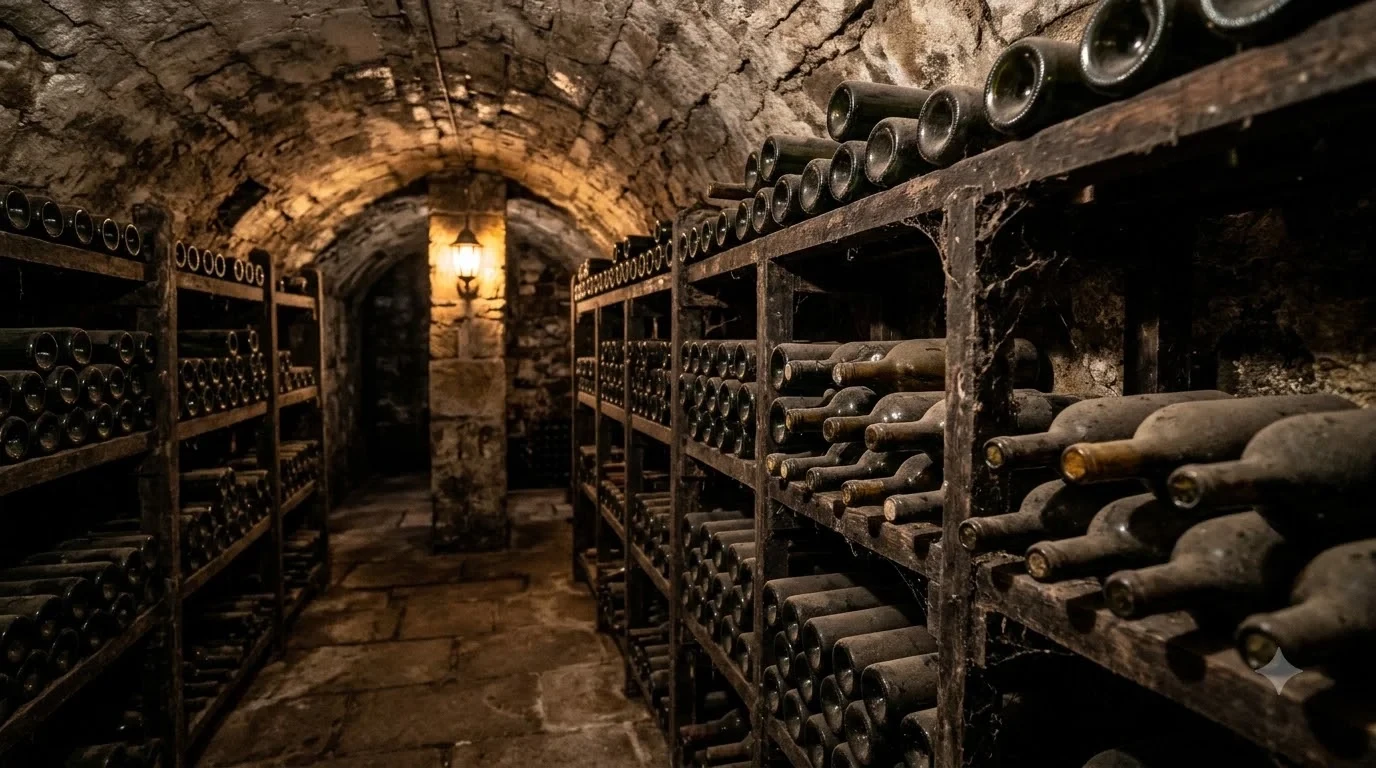
White Zinfandel history began by accident in 1975 when Napa Valley winemaker Bob Trinchero experienced a stuck fermentation at Sutter Home Winery, leaving a pale pink batch of Zinfandel juice with roughly two percent residual sugar. Rather than discarding the sweet, blush-colored wine, Trinchero bottled and sold it, unintentionally launching one of the biggest commercial phenomena in American wine. Within a decade, White Zinfandel became the top-selling varietal wine in the United States, introducing millions of newcomers to wine and saving California’s historic old-vine Zinfandel vineyards from being uprooted.
Before 1975, American dinner tables rarely featured wine as an everyday beverage, and Zinfandel itself was widely misunderstood or overlooked in favor of French varieties. What started as a cellar mishap in St. Helena transformed domestic wine culture, reshaped California agriculture, and created an approachable style that still holds a loyal following today.
Zinfandel Before the Blush Boom
Understanding how White Zinfandel emerged requires looking at the precarious state of the Zinfandel grape in California during the early 1970s. Despite its deep roots in the state, Zinfandel was steadily losing vineyard acreage to trendier European imports.
Zinfandel had arrived in California during the 1850s Gold Rush after traveling from Croatia—where it is known as Tribidrag or Crljenak Kaštelanski—through Austrian imperial hothouses to the American East Coast. Miners and early settlers favored the grape because it grew reliably in warm sunshine and yielded hearty, satisfying red wines. During Prohibition, growers survived by shipping Zinfandel grapes by rail to home winemakers across the country, which kept thousands of head-trained vineyards alive through the 1920s and early 1930s.
By the late 1960s and early 1970s, however, American fine-wine ambitions shifted sharply toward Cabernet Sauvignon, Pinot Noir, and Chardonnay. Many California growers viewed older Zinfandel blocks as outdated low-margin crops and began ripping them out to replant international varieties. At Sutter Home Winery in Napa Valley, young winemaker Bob Trinchero saw potential in Zinfandel sourced from Amador County in the Sierra Foothills, even though his father Mario was skeptical of the grape’s commercial future.
The 1972 Saignée Experiment and the 1975 Accident
The road to sweet White Zinfandel actually started three years earlier with an intentional winemaking technique meant to improve red wine. In 1972, Bob Trinchero wanted to give his Amador County red Zinfandel deeper color, firmer structure, and greater concentration.
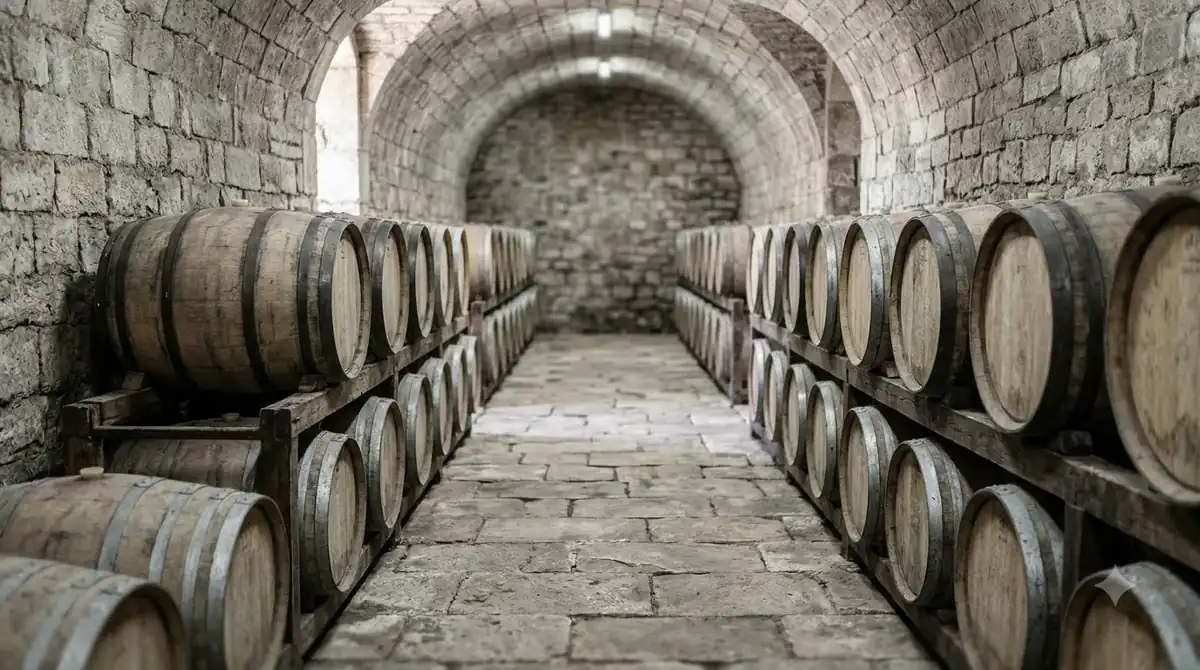
To achieve that richness, Trinchero used a traditional French method called saignée, which translates to “bleeding.” Shortly after crushing the red-skinned Zinfandel grapes, he drained off several hundred gallons of pale, free-run juice before it could extract dark pigment or heavy tannins from the skins. The remaining juice fermented in contact with a higher ratio of grape skins, producing a bold red wine. Left with excess pale juice, Trinchero fermented it completely dry into a crisp, nearly colorless wine modeled after Swiss Oeil de Perdrix rosé, adding “A White Zinfandel Wine” to the label to satisfy federal naming rules.
Those earliest dry releases from 1972 and 1974 sold modestly in the tasting room and through Sacramento wine merchant Darrel Corti. Then came the 1975 harvest, when a tank of roughly 800 gallons of drained Zinfandel juice suffered a stuck fermentation. The yeast stopped converting grape sugar into alcohol before the batch finished fermenting, leaving the wine lightly pink and noticeably sweet at around two percent residual sugar. Unable to restart fermentation and unwilling to waste the batch, Trinchero tasted the wine, found its fresh strawberry-like fruit pleasant, and bottled it anyway.
How White Zinfandel Conquered American Tables
Shoppers responded immediately to the 1975 release, turning an improvised cellar salvage into a national craze without a major advertising campaign. For millions of Americans intimidated by dry, tannic reds or unfamiliar European labels, White Zinfandel offered an easy, unpretentious entry point.
At the time, much of the wine sold in the United States came in generic jugs labeled “Chablis” or “Burgundy,” while fine wines felt formal and expensive. White Zinfandel bridged that gap by offering a named varietal wine that was chilled, lightly sweet, low in bitterness, and moderate in alcohol at around 8 to 10 percent ABV. Casual dining chains such as Red Lobster and Olive Garden placed White Zinfandel prominently on their menus, introducing table wine to suburban diners who previously ordered soda, iced tea, or beer.
Production numbers climbed at an astonishing pace throughout the 1980s. According to Sutter Home’s historical records and industry profiles, the winery grew from roughly 25,000 cases of White Zinfandel at the start of the decade to more than two million cases by 1987, eventually surpassing four million cases annually as it became the best-selling premium table wine in the country. Major producers including Beringer, Gallo, and Robert Mondavi quickly launched their own blush bottlings to meet nationwide demand.
| Era | Key Milestone | Wine Style & Market Impact |
|---|---|---|
| 1850s–1960s | Zinfandel spreads across California | Grown primarily for hearty red wines and home-winemaking shipments; old vines established in Lodi, Sonoma, and Sierra Foothills. |
| 1972–1974 | First dry White Zinfandel releases | Bob Trinchero uses the saignée method to concentrate red Zinfandel, bottling the pale runoff juice as a bone-dry white-style wine. |
| 1975 | Stuck fermentation creates sweet blush | Yeast stalls mid-fermentation, leaving roughly 2% residual sugar and a pink hue; customers embrace the softer, fruitier profile. |
| 1980s | National blush boom | White Zinfandel becomes America’s top-selling varietal wine, driving Zinfandel grape prices sharply higher. |
| 1990s–Present | Old-vine red renaissance | Preserved vineyards supply acclaimed red Zinfandel, while White Zinfandel remains a classic sweet rosé option. |
Saving California’s Old-Vine Zinfandel Heritage
One of the most ironic chapters in white zinfandel history is that a sweet pink wine directly rescued the raw material behind California’s most serious red Zinfandels. By making Zinfandel grapes profitable again, the blush boom halted decades of vineyard removal.
Before White Zinfandel took off, growers struggled to sell Zinfandel fruit at sustainable prices, and century-old head-trained vines in regions like Lodi, Sonoma County, and Amador County faced steady destruction. Once large wineries needed massive tonnages of Zinfandel to produce blush wine, demand quickly outpaced supply. As documented by VinePair’s reporting on the 1980s Zinfandel boom, grape prices surged from roughly one hundred per ton in the early 1980s to nine hundred per ton just a few years later—far above competing red varieties like Carignane or Barbera.
That dramatic jump in grape value gave farming families a clear financial reason to tend their gnarled, low-yielding old vines instead of bulldozing them. The surge even tempted dishonest brokers in the Central Valley into mislabeling cheaper grapes as Zinfandel, sparking one of the largest grape-fraud investigations in California history. Once American palates gradually evolved toward drier reds in the 1990s, those preserved old vines were still standing, ready to produce the concentrated zinfandel tasting notes prized by modern red wine drinkers.
White Zinfandel Style, Culture, and Modern Reputation
Despite its monumental commercial success, White Zinfandel eventually became a punchline among wine traditionalists who dismissed it as overly sweet “training-wheels” wine. Yet modern wine historians largely credit the style with democratizing wine culture across North America.
In 1994, Wine Spectator honored Bob Trinchero with its Distinguished Service Award for introducing more Americans to wine on the table than anyone in history. As industry publication SevenFifty Daily notes in its profile of the Trinchero family, listening to everyday consumers rather than critics allowed Sutter Home to build one of the largest family-owned wine enterprises in the world. Many longtime wine enthusiasts readily acknowledge that their first glass of wine was a chilled pour of White Zinfandel at a family gathering or restaurant.
Today, White Zinfandel remains widely available across grocery stores and casual restaurants, primarily sourced from warm California growing areas such as Lodi and the Central Valley. Winemakers produce it deliberately using brief skin contact and cool, arrested fermentation to preserve bright aromas of strawberry, watermelon, and peach alongside gentle sweetness. While dry Provençal-style rosés dominate contemporary summer trends, White Zinfandel continues to serve as a refreshing chiller, an effortless base for fruity white zinfandel sangria, and a staple within the broader spectrum of Wine by Type.
Tip: Serve White Zinfandel well chilled—around 40°F to 45°F—to keep its bright berry flavors crisp and balance its residual sweetness, especially alongside spicy takeout or salty appetizers.
Frequently Asked Questions
Why is White Zinfandel pink if it is called white?
White Zinfandel is made from dark-skinned red Zinfandel grapes, not white grapes. Winemakers separate the clear juice from the crushed skins after just a few hours of contact, extracting only a light pink tint rather than deep red pigment. The name originated in 1972 when Bob Trinchero labeled his pale free-run wine “A White Zinfandel Wine” to distinguish it from dark red Zinfandel.
Who invented White Zinfandel and when did it happen?
Winemaker Bob Trinchero created the style at Sutter Home Winery in St. Helena, California. Although he first bottled a bone-dry pale Zinfandel in 1972 using the saignée method, the lightly sweet pink version familiar today was born during the 1975 harvest when a tank experienced a stuck fermentation and retained roughly two percent residual sugar.
Is White Zinfandel considered a rosé wine?
Yes, White Zinfandel is technically a style of sweet rosé wine. Like other rosés, it gets its pink color from brief skin maceration with red wine grapes before fermentation finishes in stainless steel tanks. The main difference between White Zinfandel and dry European rosés is that fermentation is stopped early to leave noticeable natural grape sugar.
How did White Zinfandel save old-vine Zinfandel in California?
During the 1970s, many California farmers were ripping out old Zinfandel vineyards because red Zinfandel had fallen out of fashion. When White Zinfandel exploded in popularity during the 1980s, winery demand caused Zinfandel grape prices to multiply, giving growers a strong economic incentive to preserve their historic vines—many of which now supply acclaimed old-vine red Zinfandels (and if you have ever wondered how to pronounce zinfandel, the grape is said ZIN-fun-del).
From an accidental stuck fermentation in a Napa Valley cellar to a phenomenon that reshaped American wine consumption, white zinfandel history is one of the most consequential chapters in modern viticulture. Even as consumer tastes have diversified toward drier styles, that 1975 tank of sweet pink wine left a lasting mark on both American dinner tables and California’s oldest vineyards.
More in Wine Types & Grapes
 Zinfandel Sugar Content: Dry Red vs. White Zinfandel GramsUpdated Nov 21, 2026
 Best Zinfandel Substitute Options for Sipping and CookingUpdated Nov 21, 2026
 Zweigelt Food Pairing: Best Dishes, Cheeses, and Serving TipsUpdated Nov 21, 2026
 Zinfandel Tannins Explained: How Structure Shapes Every BottleUpdated Nov 21, 2026
 Zinfandel Sweetness Level: Dry Red vs. Sweet White Zin ExplainedUpdated Nov 21, 2026
 Xinomavro Food Pairing: Best Dishes, Styles, and Serving TipsUpdated Nov 21, 2026