

We may earn a commission when you buy through links on this page, at no extra cost to you. Learn more.
A white sangria recipe is a chilled punch made from dry white wine, fresh fruit, a splash of brandy or triple sec, and a little sweetener. Traditional sangria is built on red wine, but the white version is lighter in color and usually more floral and citrusy. The basic method is simple: combine the wine and spirits, add sliced fruit, chill for at least an hour, and top with sparkling water just before serving. Most people searching for this recipe want a crowd-friendly pitcher that is easy to make ahead.
This guide covers the ingredients, the ratio of wine to spirits, how to choose fruit, and tips for making a pitcher ahead of a party. It also explains how white sangria differs from the red version and what foods it pairs with.
Where White Sangria Comes From
Sangria is a traditional punch from Spain and Portugal, and it has a long history that stretches back to older wine-and-citrus drinks from the Iberian Peninsula. The classic version is made with red wine, chopped fruit and sweetener. A white wine version is a more recent development, and it is now common in bars and home kitchens alike.
The white style is often recommended with crisp Spanish whites. Producers in regions such as Rueda and Valdepeñas make dry, fresh whites that are well suited to a chilled punch. You do not need Spanish wine to make a good pitcher, but a dry, lively white with good acidity will hold up better than a heavy, oaked bottle.
Ingredients for a Basic White Sangria
The base is always wine, and the rest of the recipe adds structure, sweetness, and aroma. For a classic pitcher that serves about eight, many published recipes use two bottles of dry white wine, three-quarters of a cup of brandy, and half a cup of triple sec. Some versions swap part of the brandy for a bit of pear brandy or fruit juice, which gives a softer, rounder finish.
Sweetness is adjustable. A quarter cup of sugar dissolved in a little warm water or added directly to the pitcher is common, but you can skip it if the fruit is very ripe. Orange juice or white grape juice can also add sweetness and body without changing the flavor too much.

| Component | Typical amount for about 8 servings | Role in the drink |
|---|---|---|
| Dry white wine | 2 bottles (750 ml each) | Base, body and acidity |
| Brandy | About 3/4 cup | Warmth and depth |
| Triple sec or orange liqueur | About 1/2 cup | Orange aroma and sweetness |
| Sugar or simple syrup | 1/4 to 1/2 cup, to taste | Balances acidity |
| Sliced fruit | 2 cups or more | Flavor, color, and visual appeal |
| Sparkling water | Up to 1 cup, added at serving | Lift and freshness |
Choosing the Right Fruit
Fruit is where a white sangria gets its personality. Peaches, nectarines, green apples and pears are classic choices because they hold their shape and soak up the wine without turning to mush. Berries such as raspberries or blueberries add color but can bleed into the wine, so add them just before serving if you want them to look fresh.
Citrus is useful in small amounts. A few lemon or orange slices brighten the punch, but too much citrus can make the drink taste sharp, especially with a dry wine. Lime is an option for a more tropical version, and pineapple adds sweetness and a bright color.
When buying fruit, choose firm pieces that smell ripe at the stem end. Overripe fruit can turn the pitcher cloudy, while underripe fruit stays crunchy and adds less flavor. Slice fruit just before adding it to the pitcher so the surfaces do not oxidize and darken.
How to Make It Step by Step
- Chill both bottles of dry white wine for at least two hours, or until very cold.
- Stir the sugar into a splash of warm water until it dissolves, then let it cool. Skip this step if you use a simple syrup.
- Pour the wine into a large pitcher, then add the brandy, triple sec, and sweetener. Stir well.
- Add the sliced fruit. Firm fruit can go in right away, while soft berries can wait.
- Refrigerate for at least one hour, and up to overnight. The flavors blend and the fruit releases its juices.
- Just before serving, add sparkling water or a splash of club soda for lift. Pour over ice and garnish each glass with a few pieces of fruit.
Tips for Making It Ahead
White sangria is well suited to advance preparation, but timing matters. Mix the wine and spirits up to a day ahead and keep the pitcher cold. Hold back the sparkling water until the moment you plan to serve, since carbonation fades quickly once it is in the pitcher.
Fruit is best added within a few hours of serving. Left too long, it can soften and turn the drink murky. If you want a fresh look for a party, cut extra fruit and keep it in a sealed container in the refrigerator, then add a handful to each glass as guests arrive. Love and Lemons’ white sangria recipe makes the same point about peaches, which brown as the drink sits, and suggests adding club soda to each glass rather than the full pitcher so the batch does not go flat.
Tip: Use a wine you would happily drink on its own. Cheap wine will taste flat once it is diluted with fruit and mixers, while a crisp, mid-priced white holds its character well.
How White Sangria Differs From Red
Red sangria is deeper in color, richer and often more tannic, which makes it a good match for grilled meats and hearty stews. White sangria is lighter, more aromatic, and easier to drink in warm weather. Its acidity comes from the wine itself rather than from the tannin in red wine, so it tastes crisp rather than dry and heavy.
If you want something between the two styles, a rosé base works well. It keeps the lighter body of a white sangria while adding a little berry character. The method stays the same, so you can use the steps above with any dry wine you have on hand.
What to Serve With White Sangria
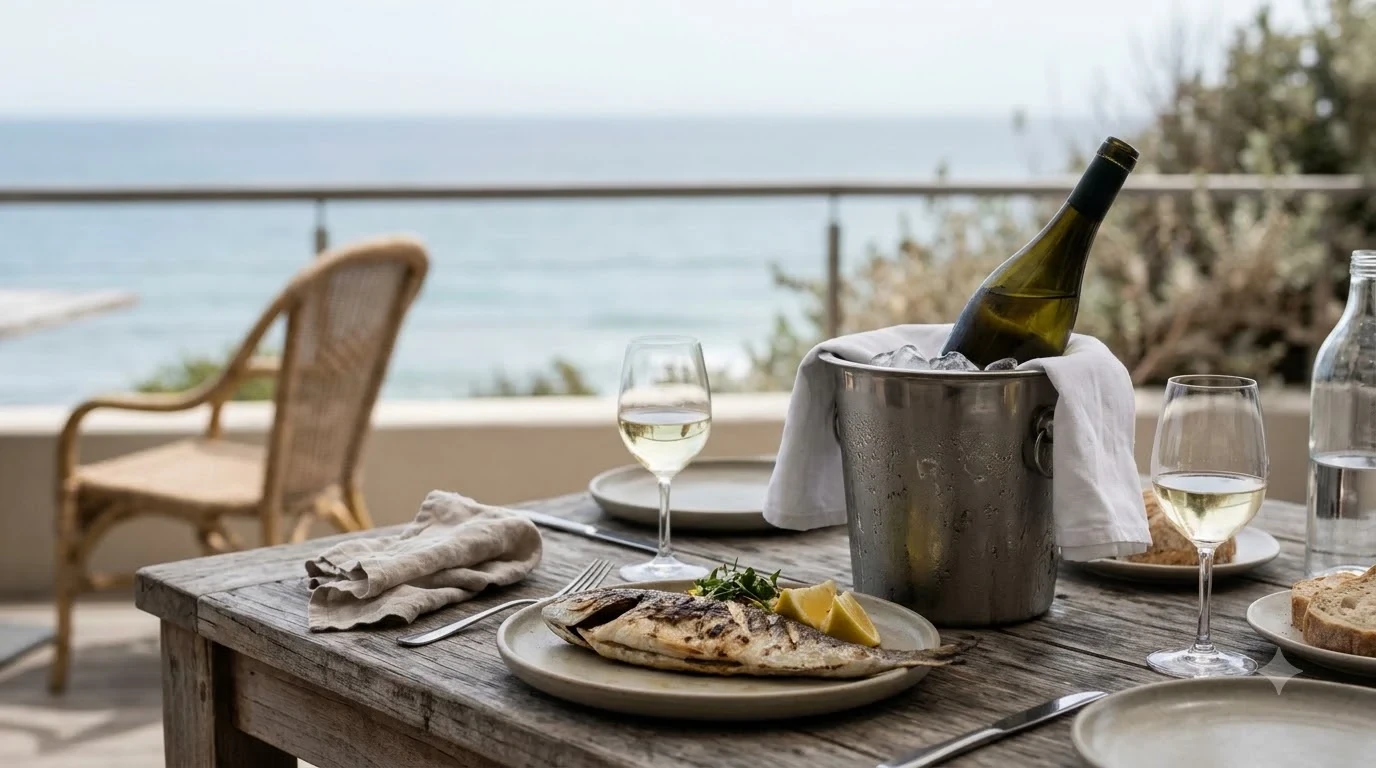
White sangria pairs well with food that has bright flavors and moderate richness. Tapas-style plates such as grilled shrimp, olives, marinated vegetables and goat cheese all suit the drink’s citrus and fruit. A chicken salad with fresh herbs or a light fish dish works well too.
For a summer gathering, pair the pitcher with simple grilled chicken, fresh tomato salads, or a platter of cured meat and cheese. The drink’s acidity cuts through salt and oil, and the fruit balances the spice in many dishes. If you want more ideas for matching drinks to food, the Wine Recipes & Cocktails section covers pairings across many styles.
Frequently Asked Questions
What wine is best for white sangria?
Choose a dry, crisp white with good acidity, such as a Spanish white from Rueda or a Sauvignon Blanc. Avoid heavily oaked whites, since the oak flavor can become overpowering once the drink is mixed with fruit and spirits.
Can I make white sangria the day before?
Yes. Mix the wine, spirits and sweetener a day ahead and keep it refrigerated. Add the sliced fruit a few hours before serving, and wait to add sparkling water until you pour.
Should I use brandy or triple sec?
Many recipes use both. Brandy adds warmth and depth, while triple sec adds orange aroma and sweetness. If you prefer a lighter drink, you can leave out the brandy and use only triple sec.
Why did my sangria turn cloudy?
Overripe or very soft fruit often breaks down and clouds the wine, especially if it sits for a long time. Use firm fruit, slice it close to serving, and remove any pieces that have softened.
Once you have the basic method down, it is easy to change the fruit and spirits to suit the season. For a red version with a deeper color, try the red sangria recipe, or explore the Aperol spritz recipe for another light, bubbly drink. For background on sangria’s history and variations, the Sangria article on Wikipedia covers the classic recipes in more detail.
More in Food & Wine Pairing
 Risotto With White Wine Recipe: Make a Creamy Dinner at HomeUpdated Nov 20, 2026
 Wassail With Wine Recipe for a Festive Spiced Holiday DrinkUpdated Nov 20, 2026
 Spritz Veneziano Recipe: Make a Classic Venetian Aperitivo at HomeUpdated Nov 20, 2026
 Summer Wine Punch Recipe for Easy Homemade EntertainingUpdated Nov 20, 2026
 Bishop Recipe: How to Make a Bright, Citrus-Forward Red Wine CocktailUpdated Nov 20, 2026
 Wine Cupcakes Recipe: Bake Rich Chocolate Cupcakes at HomeUpdated Nov 20, 2026