

We may earn a commission when you buy through links on this page, at no extra cost to you. Learn more.
If you are wondering where is picpoul from, this crisp white wine originates in the Languedoc region of southern France, along the Mediterranean coast. Its flagship appellation, Picpoul de Pinet, spans six coastal villages overlooking the Bassin de Thau saltwater lagoon between Agde and Sète. While southern France remains its primary home, winemakers also cultivate smaller plantings in the Southern Rhône, California, Washington, and Texas.
Pronounced “pik-pool,” the grape’s name comes from an old Occitan phrase meaning “lip stinger,” a direct nod to the mouthwatering acidity that defines every bottle. Unlike many warm-climate Mediterranean whites that turn soft and heavy in the summer heat, Picpoul retains a snappy, citrus-driven backbone that makes it a staple alongside raw oysters and coastal seafood. Understanding the geography, climate, and winemaking traditions behind this coastal French variety helps explain why it tastes so distinct from other warm-weather whites.
What Is Picpoul?
Picpoul (also spelled Piquepoul) is an ancient French grape family that exists in three color mutations: Picpoul Blanc, Picpoul Gris, and Picpoul Noir. When shoppers encounter a bottle labeled simply as Picpoul or Picpoul de Pinet, the wine is made from Picpoul Blanc, the white-berried variety that accounts for almost all single-varietal bottlings.
Historically, the grape was widely planted across southern France before the phylloxera louse devastated European vineyards in the late nineteenth century. Written records from botanist J.B. Magnol in 1618 even listed it among the six most esteemed grape varieties in Languedoc. Because Picpoul buds late and ripens late in the growing season, it fell out of favor during the mid-twentieth century as growers prioritized higher-yielding grapes, shrinking down to roughly 50 hectares by the 1960s before a steady revival restored its standing.
In the modern wine world, Picpoul occupies a unique space among dry, unoaked European whites. While Picpoul Noir and Picpoul Gris occasionally appear as minor blending components in Southern Rhône appellations like Châteauneuf-du-Pape, Picpoul Blanc stands on its own. Rather than relying on oak barrels or residual sugar for appeal, the grape delivers pure fruit, electric acidity, and a distinct coastal salinity that reflects the maritime landscape where it thrives.
Where Picpoul Grows
The heartland of Picpoul production sits inside the Languedoc wine region of southern France, specifically within the Picpoul de Pinet AOC. Located in the Hérault department between the towns of Agde, Pézenas, and Sète, this coastal zone forms a gentle amphitheater sloping down toward the Bassin de Thau.
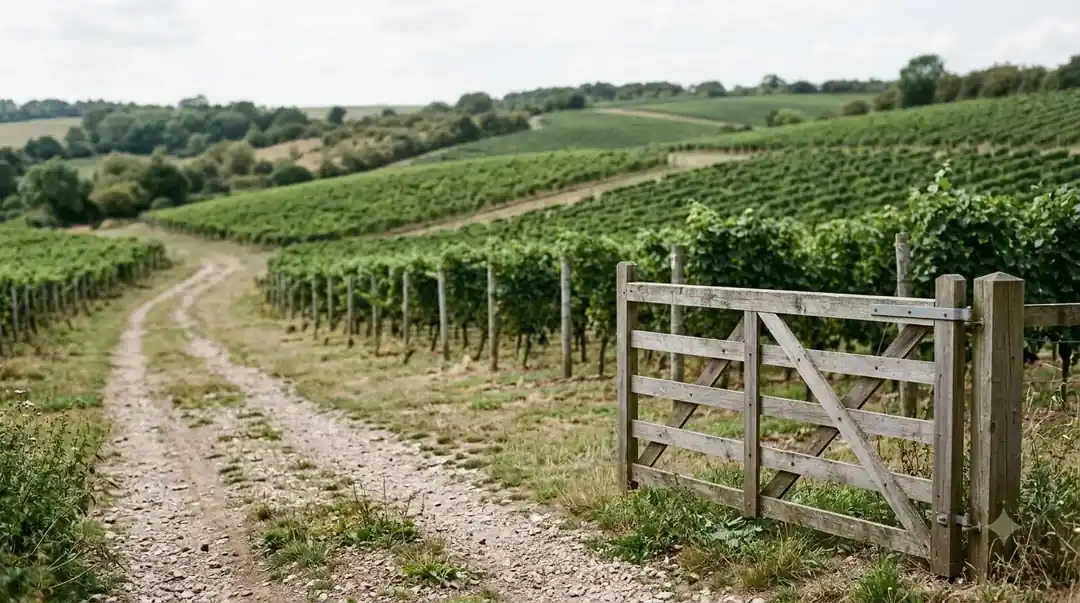
Picpoul de Pinet earned its own standalone Appellation d’Origine Contrôlée status in 2013 after decades as a sub-zone of the broader Languedoc appellation. Under French wine law, authentic Picpoul de Pinet must be 100 percent Piquepoul Blanc grown exclusively within six designated communes: Castelnau-de-Guers, Florensac, Mèze, Montagnac, Pinet, and Pomérols. The Bassin de Thau—a 21-kilometer saltwater lagoon connected to the Mediterranean—acts as a natural thermal regulator. The lagoon absorbs solar heat during the afternoon and releases it at night, moderating temperature swings while cool marine breezes sweep across the limestone, clay, and pebble soils to preserve the grape’s natural acidity.
Outside its Languedoc birthplace, Picpoul has found a modest but growing foothold in other sunny regions. In France’s Southern Rhône Valley, producers occasionally blend it with Viognier and Marsanne or bottle it in small quantities. Across the Atlantic, American winemakers in California’s Central Coast and Lodi, Washington State, and the Texas High Plains have planted Picpoul Blanc. As Wine Enthusiast notes in its overview of Picpoul wine styles and regions, warmer domestic climates like Texas tend to soften the grape’s sharp edge, producing a rounder, slightly more tropical profile than the racy, brisk bottles of coastal France.
Flavor Profile and Styles
Classic Picpoul is bone-dry, light- to medium-bodied, and driven by high natural acidity that leaves a clean, mouthwatering sensation on the palate. In the glass, it typically pours a pale straw or lemon-yellow hue with faint greenish reflections.
On the nose and palate, traditional unoaked bottlings showcase bright citrus notes of fresh lemon, lime zest, and pink grapefruit alongside crisp orchard fruits like green apple and white pear. Delicate floral aromas of hawthorn blossom, acacia, and white flowers often layer over subtle herbal hints of thyme or fennel. What truly sets Languedoc Picpoul apart from other crisp whites is its unmistakable saline, crushed-oyster-shell minerality on the finish, a direct sensory echo of the sea air and limestone soils surrounding the Bassin de Thau.
While fermentation in temperature-controlled stainless steel tanks remains the standard approach, a subset of producers crafts richer, more complex expressions. Appellation rules prohibit the use of oak chips or staves, ensuring that wood flavor never masks the grape’s natural brightness. Instead, winemakers seeking extra texture age select cuvées sur lie—resting the wine on its spent yeast cells for several months—or bottle special “Patience” selections that develop rounder stone-fruit depth, subtle brioche notes, and greater cellar potential. For readers exploring other major white and red Wine by Type, Picpoul sits firmly in the zesty, aromatic white category alongside Sauvignon Blanc and Pinot Grigio.
| Wine | Primary Origin | Grape Variety | Key Tasting Notes | Body & Acidity |
|---|---|---|---|---|
| Picpoul de Pinet | Languedoc, Southern France | Piquepoul Blanc | Lemon, lime zest, green apple, white blossoms, sea spray | Light-to-medium body; high, zesty acidity |
| Muscadet | Loire Valley, Western France | Melon de Bourgogne | Green apple, Meyer lemon, wet flint, subtle yeast (sur lie) | Light body; razor-sharp, brisk acidity |
| Albariño | Rías Baixas, Northwestern Spain | Albariño | White peach, tangerine, grapefruit, almond skin, salinity | Medium body; vibrant, juicy acidity |
| Pinot Grigio | Northern Italy (Veneto / Alto Adige) | Pinot Gris | Bosc pear, white peach, lemon pith, crushed stone | Light body; crisp, clean acidity |
How to Serve Picpoul
Serving Picpoul at the proper temperature keeps its signature citrus snap lively without muting its delicate floral and saline aromatics. According to Wine Folly’s guide to Picpoul, the ideal serving window falls between 38°F and 45°F (3°C to 7°C), though letting a bottle warm slightly toward 46°F to 50°F (8°C to 10°C) allows richer lees-aged styles to open up in the glass.
Standard kitchen refrigerators typically hover around 38°F to 40°F, which works well for pouring a brisk aperitif on a warm afternoon. If a bottle has been sitting in the back of the fridge overnight, pulling it out 10 to 15 minutes before uncorking brings out fuller notes of white peach, fennel, and crushed limestone. When chilling a bottle from room temperature, submerging it in an ice-and-water bath for roughly 20 to 25 minutes drops the temperature far faster than air cooling alone.
Decanting is unnecessary for standard stainless-steel Picpoul, as immediate exposure to air can dissipate its fresh aromatics. Pour the wine into a standard tulip-shaped white wine glass, which concentrates the citrus and white-flower bouquet toward the rim while directing the crisp acidity evenly across the palate. Most classic Picpoul de Pinet bottles sit between 12 and 13.5 percent ABV and are crafted for immediate enjoyment within one to two years of the vintage date.
Tip: Check the back label for the distinctive embossed “Neptune” bottle shape—a tall, slim green glass bottle decorated with wave motifs that serves as the official trademark of the Picpoul de Pinet appellation syndicate.
Food Pairing Ideas
Picpoul’s high acidity and natural salinity make it one of the most versatile food wines on the Mediterranean coast, acting much like a fresh squeeze of lemon over rich or briny dishes. Along the shores of the Bassin de Thau, local oyster farmers have paired the wine with Bouzigues oysters for generations.
Raw shellfish sits at the top of the pairing list. Chilled oysters on the half shell, littleneck clams, steamed mussels in white wine and garlic, and chilled shrimp cocktail all mirror the wine’s sea-spray finish without clashing against its bright acidity. Pan-seared or grilled flaky white fish—such as sea bass, halibut, cod, or branzino finished with olive oil and fresh herbs—also shines alongside a cold glass.
Beyond seafood, Picpoul cuts cleanly through fried foods and creamy textures. Crispy calamari, tempura vegetables, fish and chips, and salt cod croquettes lose their heaviness against the wine’s sharp citrus edge. Tangy fresh goat cheese, herbed feta salads, citrus-cured ceviche, and light pasta dishes tossed with lemon, olive oil, or basil pesto round out its warm-weather table appeal. Just as learning where is merlot from reveals why Bordeaux’s clay soils pair naturally with roasted meats, tracing Picpoul back to its coastal lagoon explains its affinity for the sea.
Frequently Asked Questions
Is Picpoul a sweet or dry wine?
Picpoul is a thoroughly dry white wine. Under Picpoul de Pinet appellation regulations, residual sugar is strictly capped at 3 grams per liter, leaving zero perceptible sweetness on the palate. Its bright lemon and green apple fruit aromas can sometimes trick drinkers into expecting sweetness, but the finish is crisp, tart, and mineral-driven.
What does Picpoul taste like compared to Sauvignon Blanc or Pinot Grigio?
Picpoul bridges the gap between the crisp neutrality of Italian Pinot Grigio and the zesty citrus punch of Sauvignon Blanc. It offers fuller midpalate texture and more pronounced salty minerality than standard Pinot Grigio, without the pungent grassy or jalapeño notes common in New Zealand Sauvignon Blanc. Expect vibrant lemon-lime zest, crisp pear, white blossoms, and a clean, briny finish.
Are there red wines made from the Picpoul grape?
Yes, a dark-skinned mutation called Picpoul Noir exists in southern France. Winemakers use it primarily as a minor blending grape in the Southern Rhône, including Châteauneuf-du-Pape, where it contributes bright acidity and floral aromatics to heavier red blends. A handful of Languedoc estates also produce rare single-varietal Picpoul Noir bottlings with tart red berry and wet-stone flavors.
How long can you age a bottle of Picpoul?
Classic, unoaked Picpoul de Pinet is designed to be enjoyed young, ideally within one to two years of harvest while its fresh citrus and floral aromas are at their peak. However, select producers craft barrel-free, extended lees-aged bottlings—often labeled as sur lie or Cuvée Patience—that can develop honeyed, nutty complexity over five to seven years in a cool cellar.
Tracing Picpoul back to the sun-drenched shores of France’s Languedoc coast explains every detail in the glass, from its brisk, lip-stinging acidity to its unmistakable sea-breeze finish. Whether you are exploring French coastal whites alongside where is syrah from in the neighboring Rhône Valley or looking for a refreshing alternative to everyday Pinot Grigio, a well-chilled bottle of Picpoul de Pinet brings authentic Mediterranean character straight to the table.
More in Wine Types & Grapes
 Zinfandel Sugar Content: Dry Red vs. White Zinfandel GramsUpdated Nov 21, 2026
 Best Zinfandel Substitute Options for Sipping and CookingUpdated Nov 21, 2026
 Zweigelt Food Pairing: Best Dishes, Cheeses, and Serving TipsUpdated Nov 21, 2026
 Zinfandel Tannins Explained: How Structure Shapes Every BottleUpdated Nov 21, 2026
 Zinfandel Sweetness Level: Dry Red vs. Sweet White Zin ExplainedUpdated Nov 21, 2026
 Xinomavro Food Pairing: Best Dishes, Styles, and Serving TipsUpdated Nov 21, 2026