

We may earn a commission when you buy through links on this page, at no extra cost to you. Learn more.
What wine is gluten free? Most still wines made from grapes are naturally free of gluten, and under the FDA’s labeling rule a product can carry a gluten-free claim only when it contains less than 20 parts per million of gluten. The bigger question for most bottles is not the grapes but what is added or how the wine is processed. Labels, flavored wine coolers, and wines made with added ingredients deserve a closer look than a plain varietal bottle.
Gluten is a protein found in wheat, barley, and rye, and it is the reason many people look closely at labels. Wine is made from grapes, which do not contain gluten, so the starting point is usually reassuring. The details matter, though, because the category includes a wide range of products, from dry table wines to sweet blends and flavored drinks. This guide explains what the standard means, which wines need more checking, and how to read a label.
What the gluten-free standard actually means
The Celiac Disease Foundation’s labeling page describes the gluten-free standard as less than 20 parts per million of gluten. It notes that the FDA issued a final ruling on August 5, 2013, governing when a packaged food can carry a gluten-free claim, with a compliance deadline of August 5, 2014. The FDA’s own gluten-free labeling page describes the claim as voluntary, but a product that uses it must meet the requirements.
The standard is a measurement threshold, not a guarantee of zero gluten. A product under 20 ppm is considered gluten free under the rule, and the threshold is what manufacturers test against. The Celiac Disease Foundation’s page also summarizes two 2014 studies that tested products with an assay and found that a small share of gluten-free labeled items exceeded the threshold, which is why testing and certification both matter.
Which wines are usually gluten free
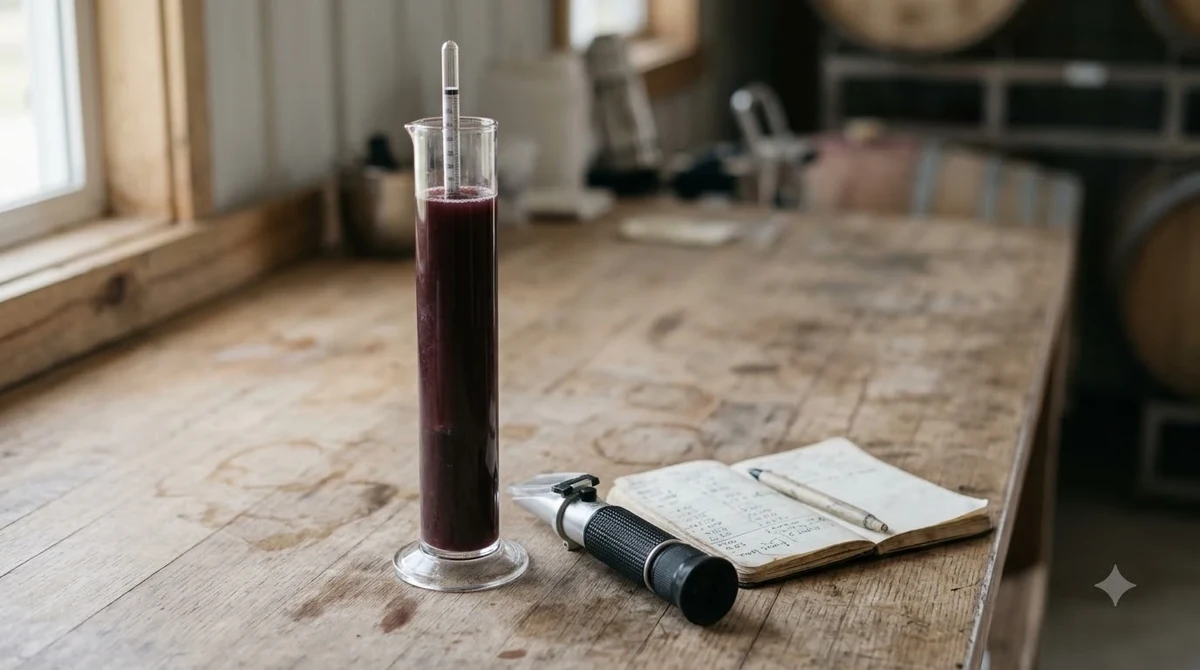
Still table wines made from grapes, with no added ingredients, are the simplest category. Red, white, rosé, and most sparkling wines fall into this group. Because grapes are not a gluten grain, the main risk is not the base ingredient but any additives or processing aids used in production. Many producers do not list their processing details on the label, so the answer for a specific bottle may require checking the producer’s site or the importer’s information.
Wines are also regulated in a more complex way than many shoppers expect. The FDA’s 2020 final rule on gluten-free labeling, as described on the agency’s page, covers fermented or hydrolyzed foods, including FDA-regulated beers and wines, which the FDA describes as generally those with less than 7 percent alcohol. The rule does not change the definition of gluten free, but it sets compliance requirements for these foods. Alcoholic beverages regulated by a different agency follow that agency’s rules, so the label may read differently depending on the bottle.
| Product type | Gluten risk to check | What to look for |
|---|---|---|
| Plain still wine from grapes | Low, since the base is grapes | A label with no added ingredients |
| Sparkling wine | Low for the base wine | Dosage and any added flavorings |
| Flavored wine or wine coolers | Higher, depending on added ingredients | A gluten-free statement or producer confirmation |
| Wine blends with added flavors | Check ingredients and processing | Clear ingredient list and a stated standard |
What can add gluten to a bottle
Gluten does not usually enter wine through the grapes. Concern comes from ingredients and processing that involve grain-derived materials. Flavored wine coolers can use malt or grain-based flavorings, and some drinks blend wine with other alcoholic bases that do contain gluten. A product’s category name does not settle the question, so the ingredient list and the producer’s statement are the best sources.
Cross-contact is another consideration. A winery that also produces beer or spirits from grain may have shared equipment, which is why a bottle’s label or manufacturer’s note can differ from the grape base alone. Products that carry a gluten-free claim have met the labeling standard, which is a good signal, but readers who need strict avoidance should read each label rather than rely on the category.
How to read a wine label for gluten
Start with the front label, then check the back label or the producer’s website. Look for a gluten-free statement, a list of ingredients, and any mention of added flavors. Some wines list ingredients on a web page rather than on the bottle, so a short search on the producer’s site can answer the question quickly. If the label gives no information and the producer does not respond, a simple plain wine from grapes is the more predictable choice.
Pay attention to flavored and mixed products. A wine with added fruit, spice, or botanicals may contain flavorings that differ from one batch to the next. Check whether the label names the flavoring and whether the producer states a gluten standard for the product, rather than assuming that a grape-based wine is automatically gluten free in every form.
Tip: A gluten-free claim on a wine means the product meets the labeling standard. If a symptom persists after drinking, the Celiac Disease Foundation notes that accidental gluten exposure is one possibility a doctor can evaluate.
What the Celiac Disease Foundation says about testing
The Celiac Disease Foundation’s labeling page summarizes studies that tested gluten-free labeled products with ELISA assays. In the first study, 3.6 percent of gluten-free labeled products exceeded 5 ppm and 1.1 percent exceeded 20 ppm. In a second study, 5.1 percent of products labeled gluten free, including some third-party certified products, exceeded 20 ppm. Those figures show that compliance is high but not perfect, which is why certification and label checks are both useful.
The page also notes that persistent symptoms in someone with celiac disease may come from accidental gluten exposure, and that a doctor should evaluate this possibility. For more on how wine fits into a wider label-reading routine, the guide on whether boxed wine needs to be refrigerated covers another packaging question that shoppers often ask.
Practical shopping checklist
A short checklist keeps label reading consistent from one store to the next. Start by confirming the product type: a plain still wine, a sparkling wine, or a flavored product. Then check the ingredient list or the producer’s website for added flavors or processing aids. Finally, look for a clear gluten-free statement and note whether the producer names a standard. If any step is unclear, a plain wine from grapes with no added ingredients is usually the simplest choice to start with.
Keep in mind that products change. A producer may reformulate a flavored wine or change suppliers, so a label that was clear last year may read differently now. Checking the current label, rather than relying on memory or an old review, is the most reliable habit for any product where gluten matters.
Frequently Asked Questions
Is all wine gluten free?
Most still wines made from grapes do not contain gluten, but not every wine product is the same. Flavored wines, coolers, and blends with added ingredients need a closer look at the label or the producer’s statement.
Is red wine gluten free?
A plain red wine made from grapes is generally gluten free by ingredient. Check the label for any added flavors or processing details before assuming a specific bottle meets the standard.
What does gluten free mean on a wine label?
Under the FDA’s rule, a gluten-free claim means the product contains less than 20 parts per million of gluten. The claim is voluntary, and a product that uses it must meet the rule’s requirements.
Are flavored wines riskier than plain wines?
They can be, because flavorings and added ingredients may include grain-derived materials. The ingredient list and a producer’s gluten statement are the best way to check a flavored product.
Most plain wines made from grapes are naturally free of gluten, and a gluten-free claim on the label means the product meets the 20 ppm standard. The safest approach is to read the ingredient list, check for flavorings, and look for a clear statement from the producer. To learn more about wine basics, visit the Wine Q&A section, or read how long cooking wine lasts for another common shopping and storage question.
More in Wine Basics
 Which Rose Is Best for Your Taste, Budget, and Food PairingsUpdated Nov 21, 2026
 Is Cheap Wine Bad? How to Find Bottles Worth DrinkingUpdated Nov 21, 2026
 What To Write On A Wine Gift Tag: Thoughtful Messages For Every OccasionUpdated Nov 21, 2026
 Which Wine Is Best For Weight Loss? Compare Lower-Calorie ChoicesUpdated Nov 21, 2026
 What Is The Best Wine For Mimosas? Choose Bubbly That Balances Orange JuiceUpdated Nov 20, 2026
 Which Prosecco Is Best for Your Taste and OccasionUpdated Nov 20, 2026