

We may earn a commission when you buy through links on this page, at no extra cost to you. Learn more.
When figuring out what wine goes with pot roast, reach for a medium- to full-bodied red wine with bright acidity and moderate tannins, such as a Southern Rhône Grenache blend, Cabernet Sauvignon, Zinfandel, Merlot, or aged Rioja Tempranillo. Slow-braising beef chuck breaks down tough connective tissue into rich, silky gelatin, which softens the grip of red wine tannins while demanding enough fruit and freshness to cut through the savory gravy. Lighter whites and overly delicate reds usually disappear beside the concentrated meat and root vegetables, whereas heavily oaked wines can turn bitter if used inside the braising pot.
Pot roast is built on patience, browning, and long simmering, which creates a very different texture from a quick-seared steak. Because the meat becomes fork-tender and the pan juices concentrate around sweet carrots, onions, and herbs, your bottle needs balance rather than sheer brute force.
Why Pot Roast Needs a Specific Style of Red Wine
Pot roast combines melted collagen, sweet roasted root vegetables, and reduced pan drippings, so the best pairings balance moderate tannin with lively acidity and ripe fruit. Without enough structure, a wine tastes thin against the beef; without enough acid, the meal quickly feels heavy on your palate.
Unlike a marbled ribeye cooked over high heat, classic pot roast typically relies on a well-exercised cut like boneless beef chuck. Hours of moist heat at a gentle oven temperature, such as the 300°F braise outlined in Wine Spectator’s pot roast recipe match, dissolve dense collagen into gelatin that coats your mouth with every bite. That silky richness binds naturally to moderate tannins, making structured red wines taste smoother and more supple at the table than they would on their own.
At the same time, pot roast is rarely just plain beef. Onions, carrots, and turnips caramelize during the initial sear and release natural sugars as they simmer, creating a subtly sweet backdrop in the pot. In wine pairing, sweetness in food can make a bone-dry, austere red taste sharper and less fruity, which is why fruit-forward varieties perform so reliably here. Fresh natural acidity then steps in like a squeeze of lemon at the end of cooking, resetting your taste buds between bites of rich gravy and tender meat.
Top Red Wines to Pair With Classic Pot Roast
Southern Rhône blends, Cabernet Sauvignon, Zinfandel, Merlot, and Rioja Tempranillo consistently stand at the top of the list for traditional beef pot roast. Each brings a slightly different mix of dark fruit, herbal nuance, and tannic grip to match how you season and finish the dish.
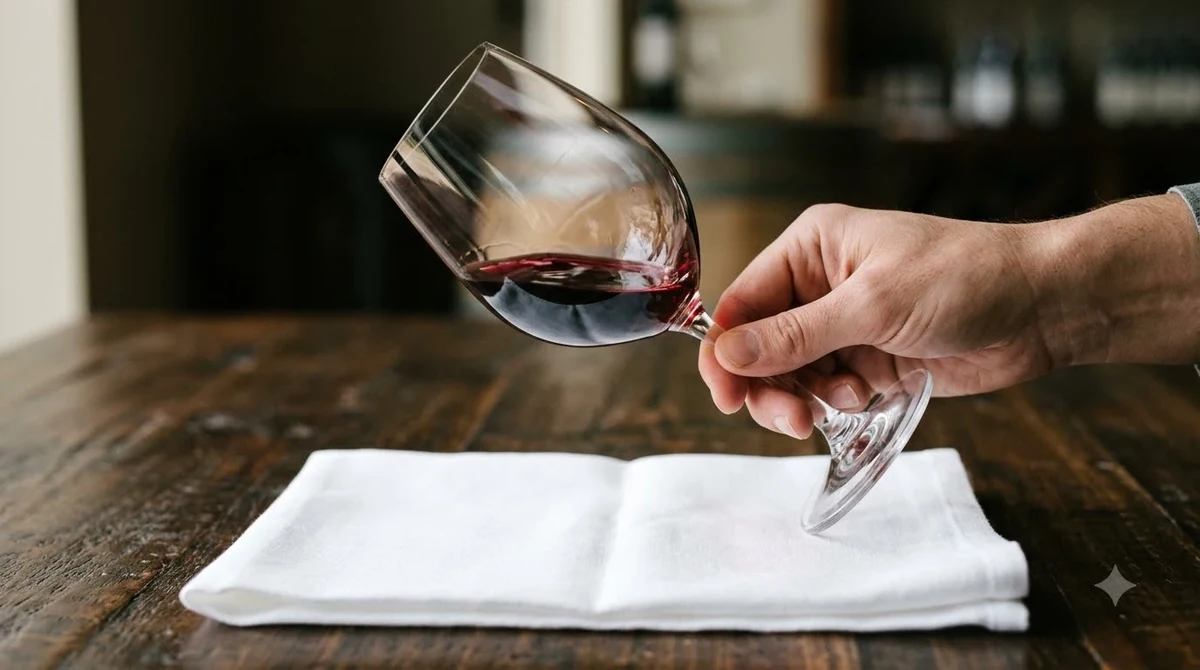
Southern Rhône Blends (Châteauneuf-du-Pape, Gigondas, and Côtes du Rhône): Grenache-led blends from southern France are practically tailor-made for braised beef simmered with thyme, bay leaves, and black pepper. Grenache contributes plush red berry fruit that mirrors the sweetness of braised carrots and onions, while Syrah and Mourvèdre add savory meatiness, dried herb notes, and backbone. A structured Châteauneuf-du-Pape or Gigondas handles a deeply reduced pan sauce effortlessly, while a humble Côtes du Rhône brings similar garrigue spice for an everyday weeknight supper.
Cabernet Sauvignon and Merlot: A medium-bodied Cabernet Sauvignon offers cassis, black cherry, and firm enough structure to stand up to a thick, glossy gravy without overwhelming the fork-tender beef. If your roast is seasoned simply with salt, pepper, and aromatics rather than heavy spices, Merlot is an equally compelling option. Merlot’s softer, rounder tannins and plum-driven fruit cushion the savory richness of the meat without feeling angular or drying.
Zinfandel and Aged Rioja Tempranillo: Dry-farmed or classic Zinfandel brings generous blackberry jam, baking spice, and peppery warmth that flatter a rustic, deeply browned roast. If you prefer an Old World profile with savory depth, Decanter’s guide to Tempranillo highlights older vintages as a rewarding match for Sunday roasts and pot roasts. As Tempranillo ages in oak and bottle, its bright cherry fruit evolves toward leather, dried fig, and warm spice that echo the caramelized crust of slow-cooked beef.
Matching the Wine to Your Pot Roast Recipe
Because pot roast recipes vary widely from classic French-style braises to tangy slow-cooker variations, the braising liquid and seasonings should steer your final bottle choice. Paying attention to whether your sauce leans herbal, sweet, or acidic ensures harmony in every sip.
| Pot Roast Style | Key Flavor Drivers | Best Wine Matches | Why the Pairing Works |
|---|---|---|---|
| Classic Sunday Pot Roast | Beef stock, onions, carrots, thyme, bay leaf | Côtes du Rhône, Gigondas, Merlot | Herbal notes echo the aromatics while plush fruit balances sweet carrots. |
| Red Wine-Braised Pot Roast | Dry red wine reduction, garlic, mushrooms | Châteauneuf-du-Pape, Cabernet Sauvignon, Syrah | Deep savory fruit matches the concentrated wine sauce without clashing. |
| Mississippi Pot Roast | Pepperoncini peppers, brine, butter, ranch seasoning | Chianti Classico, Sangiovese, Barbera | High-acid Italian reds stand up to the sharp vinegar tang of the peppers. |
| Sweet-and-Savory Holiday Roast | Dried fruit, honey, pomegranate, or tomato paste | Zinfandel, Grenache, Malbec | Ripe, juicy fruit keeps the wine from tasting tart next to sweet accents. |
| Creamy or Mushroom-Heavy Roast | Mushrooms, pearl onions, cream-enriched gravy | Pinot Noir, Cru Beaujolais, Rioja Reserva | Earthy undertones link with mushrooms while brisk acidity cuts the cream. |
When a recipe calls for tangy ingredients—such as the pickled pepperoncini in a Mississippi pot roast—standard full-bodied reds can suddenly taste flat because high acidity in food masks the natural acidity in wine. Switching to a brisk, high-acid red like Chianti Classico or Barbera keeps the wine feeling lively alongside the briny, buttery meat. Conversely, when mushrooms and caramelized shallots take center stage, an earthier red like Pinot Noir or aged Rioja picks up those woodland notes far better than a jammy New World bottle.
If you are planning a broader comfort-food menu around slow-simmered dishes, the same acid-and-weight principles apply elsewhere in your kitchen. Exploring broader Wine Pairing fundamentals makes it easy to adjust when a recipe shifts from rich beef gravy toward lighter poultry or broth-based classics, such as deciding what wine goes with chicken pot pie or figuring out what wine goes with french onion soup.
Choosing a Wine to Cook With Versus Pour at the Table
You should always braise pot roast with a dry, fruit-forward red wine that you would genuinely enjoy drinking, while saving pricier, heavily oaked bottles strictly for the glass. Cooking concentrates everything in the pot, turning subtle flaws or heavy oak tannins into harsh bitterness.
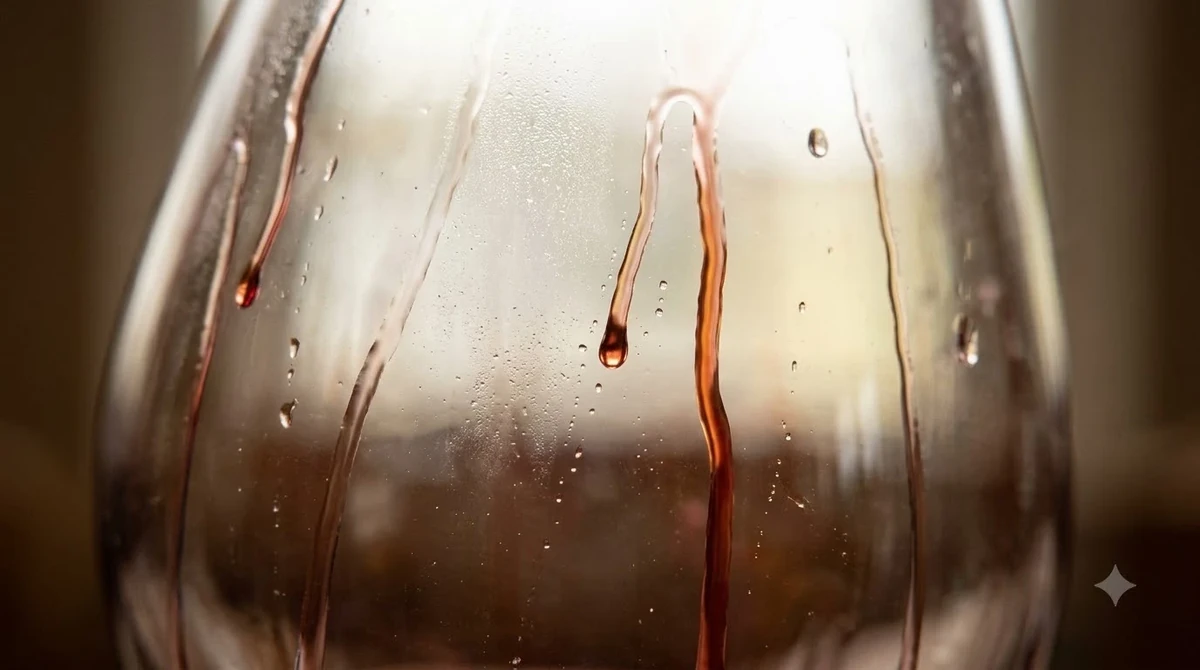
As a wine simmers for two or more hours, water and alcohol evaporate, leaving behind concentrated acids, sugars, tannins, and oak extractives. If you pour a heavily oaked red into the Dutch oven, those wood tannins compound as the liquid reduces and can leave your gravy with a woody, astringent finish. Instead, choose a youthful, moderately priced Grenache, Syrah, Côtes du Rhône, or unoaked Zinfandel for the pot—many recipes use roughly three cups, or close to a full standard bottle, reduced before the beef returns to the oven.
A smart habit in the kitchen is to buy two bottles of the same style—or one everyday bottle for the braise and a slightly more complex bottle from the same grape or region for dinner. Using the same flavor profile in both the pan and the glass creates a natural bridge between the reduced sauce and your drink, so nothing feels out of place when you sit down to eat.
Tip: Never cook with supermarket “cooking wine,” which contains added salt and preservatives that throw off your seasoning and flatten the flavor of your gravy.
Serving Temperature, Decanting, and Glassware Tips
Serving your red wine slightly below room temperature and giving fuller-bodied bottles a brief breather will make any pot roast pairing taste fresher and more aromatic. Warm rooms and straight-from-the-bottle pours can exaggerate alcohol and mute the subtle savory notes that make the pairing shine.
Aim to serve medium- to full-bodied reds like Cabernet Sauvignon, Châteauneuf-du-Pape, Zinfandel, and Rioja at cellar temperature—around 60°F to 65°F—rather than a warm 72°F dining room. Putting the bottle in the refrigerator for about 20 to 30 minutes before dinner brings the temperature down just enough to keep the fruit crisp and the alcohol integrated. For lighter, higher-acid reds such as Chianti or Pinot Noir, a slightly cooler 55°F to 60°F highlights their bright cherry lift against rich gravy.
If you open a young, structured bottle like a Cabernet Sauvignon, Gigondas, or Syrah, pouring it into a decanter 30 to 45 minutes before serving allows oxygen to soften the tannins and open up the bouquet. Use a large-bowled red wine glass so you can swirl easily and capture the aromas of dark fruit, dried herbs, and spice rising above the steaming platter.
Frequently Asked Questions
Can you serve white wine with pot roast?
Red wine is the classic choice because its tannins bind with the rich beef proteins, yet a full-bodied white wine can work if you strongly prefer white. Look for a barrel-fermented Chardonnay, white Rhône blend, or dry Viognier with enough weight and texture to stand up to the savory gravy without getting lost.
Should you drink the exact same wine you used to braise the pot roast?
Drinking the same wine—or a nicer bottle made from the same grape—is one of the easiest ways to guarantee a harmonious match. Because the reduced braising liquid already carries the exact fruit and acidity profile of that wine, pouring it in your glass links the dish and drink smoothly.
What is the best red wine for Mississippi pot roast?
A high-acid Italian red like Chianti Classico or Barbera is the strongest match for Mississippi pot roast. The tangy pepperoncini brine and rich butter require brisk acidity to keep the wine tasting vibrant rather than flat or overly heavy.
Do you need an expensive bottle of wine to pair with pot roast?
Not at all—pot roast is humble, comforting home cooking that shines alongside well-made, mid-week bottles like Côtes du Rhône, California Zinfandel, or Rioja Crianza. Focus on balance, fresh acidity, and ripe fruit rather than prestige labels or heavy oak aging.
Whether you braise a classic chuck roast with carrots and thyme or simmer a tangy slow-cooker version, the right bottle turns a simple Sunday supper into a memorable meal. Start with a balanced, fruit-forward red that matches the weight of your gravy, chill it slightly before pouring, and let the slow-cooked flavors do the rest.
More in Food & Wine Pairing
 Risotto With White Wine Recipe: Make a Creamy Dinner at HomeUpdated Nov 20, 2026
 Wassail With Wine Recipe for a Festive Spiced Holiday DrinkUpdated Nov 20, 2026
 Spritz Veneziano Recipe: Make a Classic Venetian Aperitivo at HomeUpdated Nov 20, 2026
 Summer Wine Punch Recipe for Easy Homemade EntertainingUpdated Nov 20, 2026
 Bishop Recipe: How to Make a Bright, Citrus-Forward Red Wine CocktailUpdated Nov 20, 2026
 Wine Cupcakes Recipe: Bake Rich Chocolate Cupcakes at HomeUpdated Nov 20, 2026