

We may earn a commission when you buy through links on this page, at no extra cost to you. Learn more.
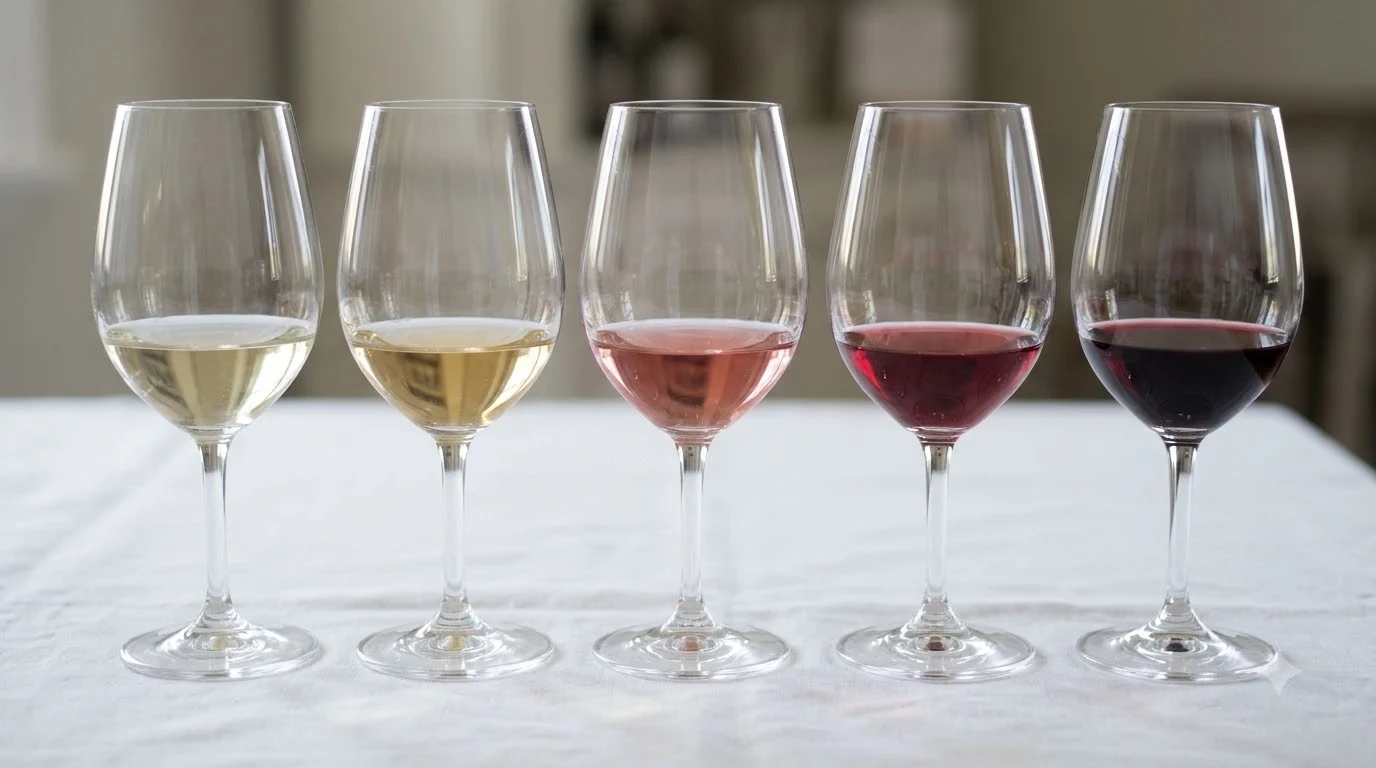
What wine goes with lobster bisque? Full-bodied Chardonnay, particularly an oak-aged style, is the best overall pairing because its creamy texture and balanced acidity complement the soup’s rich lobster flavor. White Burgundy, dry Chenin Blanc, and Champagne are excellent alternatives. For a more savory pairing, dry Amontillado Sherry offers nutty complexity that works beautifully with roasted lobster shells, cream, and Cognac.
Lobster bisque is one of the richest seafood dishes to pair with wine. Its combination of sweet shellfish, concentrated stock, butter, cream, and aromatic ingredients calls for a wine with enough body to match the soup without making every spoonful feel heavier. The right bottle also brings freshness, helping the lobster’s delicate sweetness remain noticeable beneath the creamy texture. Whether serving a traditional French-style bisque, a Cognac-finished version, or a lighter modern interpretation, understanding the ingredients makes choosing the right wine considerably easier.
Why Chardonnay Is the Best Wine for Lobster Bisque
Oaked Chardonnay is the most dependable choice for lobster bisque because it combines a substantial body, creamy texture, and enough acidity to balance the soup. Its rounded character complements butter and cream while allowing the lobster’s naturally sweet, savory flavor to remain at the center of the pairing.
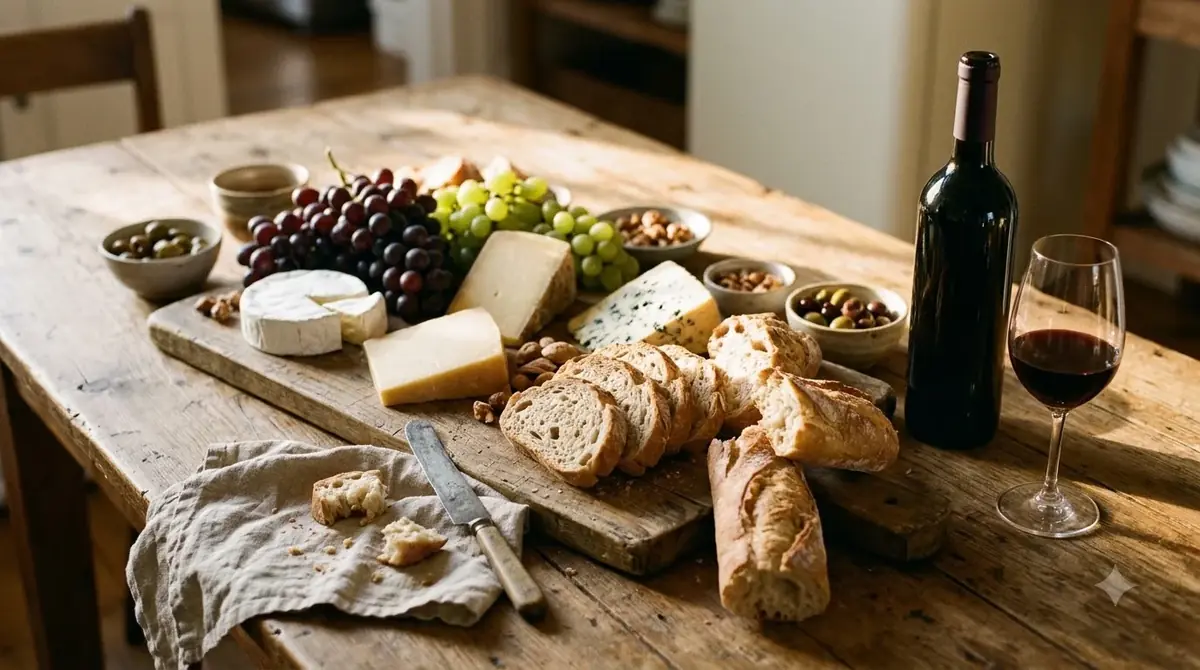
Chardonnay is particularly useful because it can develop flavors and textures that naturally complement the ingredients in traditional bisque. Oak aging may contribute notes of vanilla, toast, and baking spice, while malolactic fermentation can create a softer, buttery impression. These characteristics make fuller-bodied Chardonnay a natural match for soups prepared with cream, butter, and concentrated seafood stock.
White Burgundy is an especially appealing option. Produced from Chardonnay in France’s Burgundy region, these wines range from lean, mineral-driven expressions to richer styles with more noticeable oak influence. For lobster bisque, a fuller example from Meursault or a richer Puligny-Montrachet offers the texture and complexity needed to accompany a substantial soup.
California Chardonnay is another practical choice. Bottles from Sonoma County or the Santa Barbara region can provide ripe orchard-fruit flavors, moderate acidity, and a fuller mouthfeel. Choose a balanced oak-aged style rather than one dominated by heavy vanilla or excessive buttery flavors. The wine should complement the soup, not overwhelm its seafood character.
What to look for in Chardonnay
- Body: Medium-full to full-bodied, with enough weight to match cream and lobster stock.
- Acidity: Medium acidity that refreshes the palate between spoonfuls.
- Oak: Moderate oak influence, offering subtle toast, vanilla, or spice.
- Fruit: Apple, pear, lemon, and stone-fruit notes that complement the lobster.
- Origin: White Burgundy, Sonoma County, or Santa Barbara are useful starting points.
The International Wine & Food Society specifically identifies oaked Chardonnay and White Burgundy as suitable pairings for lobster bisque, creamy soups, chowder, and butter sauces. Its White Wine Pairing Guide provides a useful reference for matching wine styles with seafood and richer preparations.
For a special dinner, serve a richer White Burgundy with a traditional bisque finished with cream and Cognac. For a more casual meal, a balanced California Chardonnay offers a similarly satisfying combination without requiring a particularly elaborate wine selection.
Other White Wines That Complement Lobster Bisque
Chardonnay is the leading choice, but several other white wines can complement lobster bisque depending on its richness and seasoning. Dry Chenin Blanc, Champagne, Viognier, and selected white wines from the Loire Valley offer different combinations of acidity, texture, and aromatic complexity.
Dry Chenin Blanc is an excellent alternative when you want freshness without sacrificing too much body. Wines from Vouvray, Savennières, or other Loire Valley appellations can offer apple, quince, citrus, and mineral characteristics. A dry example with moderate richness works particularly well with bisque containing lobster stock, cream, and a little sherry.
Chenin Blanc is also versatile because its acidity can balance rich ingredients while its fruit character complements the sweetness of shellfish. Avoid assuming every bottle labeled Vouvray is dry, however. Vouvray is produced in several sweetness styles, so choose a sec or dry expression for a traditional savory bisque.
Champagne is another excellent choice, particularly when the soup is served as the first course of a celebratory meal. Its bubbles and high acidity refresh the palate, while the wine’s citrus, apple, and toasted-bread characteristics complement lobster and cream. Blanc de Blancs Champagne, made entirely from Chardonnay, is especially attractive for this pairing.
Choose Brut or Extra Brut Champagne rather than a noticeably sweet sparkling wine. A dry sparkling wine maintains the savory character of the dish and provides a refreshing contrast to the soup’s texture. Cava and traditional-method sparkling wines are useful alternatives when Champagne is not the preferred choice.
Viognier offers a different approach. Its fuller body and aromatic profile can complement a bisque with pronounced lobster flavor, roasted shell notes, or subtle spices. Peach, apricot, and floral aromas create an attractive contrast with savory seafood stock. Choose a balanced version with enough freshness rather than one that feels overly alcoholic or heavy.
Dry Riesling can work when the bisque contains noticeable lemon, herbs, or ginger. Its high acidity provides freshness, and its citrus and stone-fruit flavors complement seafood. However, very lean Riesling may feel too light next to a particularly thick, cream-heavy preparation.
These alternatives are useful because lobster bisque recipes vary considerably. A thick, cream-rich soup calls for a wine with more texture, while a lighter broth-based version can accommodate a more mineral and citrus-driven white.
Dry Sherry and the Savory Side of Lobster Bisque
Dry Sherry is an especially interesting pairing for traditional lobster bisque because its nutty, savory character complements roasted lobster shells, concentrated stock, and Cognac. Amontillado is a particularly good option when the soup has pronounced roasted and toasted flavors.
Sherry is a fortified wine from Spain’s Jerez region, and its different styles offer distinct characteristics. Amontillado develops nutty, toasted, and sometimes slightly saline flavors that work naturally with the savory depth of lobster bisque. Its complexity makes it particularly suitable for soups containing roasted shells, caramelized aromatics, or a generous splash of brandy.
Fino and Manzanilla are lighter, drier Sherry styles. They have a more delicate, saline character and can suit a lighter bisque with less cream. However, their relatively lean texture may be less satisfying alongside a particularly thick soup.
Oloroso is generally fuller and more intensely oxidative, with deeper nutty and toasted characteristics. A dry Oloroso can complement a bisque with concentrated stock and roasted flavors, although its greater intensity requires some care. A lighter or more delicate preparation may be overwhelmed by it.
Should you serve the same Sherry used in the soup?
Many lobster bisque recipes include dry Sherry as a finishing ingredient or as part of the cooking process. The Culinary Institute of America, for example, includes dry Sherry and Cognac in its creamy lobster bisque recipe. This creates an obvious opportunity to serve a related wine alongside the dish.
Using the same general style can create a pleasing connection between the flavors in the bowl and the glass. However, the wine does not need to be identical to the cooking ingredient. If the recipe uses a small amount of dry Sherry, a glass of Chardonnay or Champagne can still be the better overall accompaniment.
For a more traditional pairing, pour a small serving of dry Amontillado alongside the bisque. Its savory complexity can emphasize the roasted-shell character without introducing the heavy sweetness that would distract from the lobster.
Tip: If your bisque contains both Cognac and dry Sherry, choose a wine with enough acidity to refresh the palate. A balanced Chardonnay or dry Champagne is a reliable choice, while Amontillado offers a more savory alternative.
How Ingredients and Seasonings Change the Wine Pairing
The ingredients in lobster bisque determine whether the best wine should emphasize richness, acidity, fruit, or aromatic complexity. Cream and butter favor fuller-bodied whites, while lemon, tomato, ginger, and fresh herbs can make brighter wines more appealing.
Traditional lobster bisque combines several ingredients that influence wine selection. Lobster stock provides concentrated shellfish flavor, cream adds weight, and butter creates a smooth mouthfeel. Shallots, garlic, tomato paste, and herbs contribute savory depth and aromatic complexity.
The Culinary Institute of America provides a useful example in its creamy lobster bisque with Cognac. The recipe uses two cleaned lobster bodies, two quarts of lobster stock, half a cup of heavy cream, a quarter cup of dry Sherry, and a quarter cup of Cognac. Fresh tarragon, garlic, shallot, and tomato paste provide additional flavor.
That combination explains why a full-bodied Chardonnay works so well. The wine has enough texture for the cream and stock, while its acidity helps balance the richness. Its fruit flavors also provide a pleasant contrast to the savory shellfish and aromatic ingredients.
Pairing wine with different bisque ingredients
Heavy cream and butter: Choose oaked Chardonnay or White Burgundy. The richer texture of these wines matches the soup’s weight without disappearing behind the dairy ingredients.
Tomato paste: A bisque with a stronger tomato presence benefits from a wine with good acidity. Dry Chenin Blanc or a balanced Chardonnay can provide enough freshness to complement the tomato without making the lobster taste less prominent.
Fresh herbs: Tarragon, chives, and parsley introduce aromatic notes. Sauvignon Blanc can be appropriate for a lighter, herb-forward bisque, especially when the cream content is modest. A fuller Chenin Blanc is another possibility.
Lemon: A noticeable citrus finish makes higher-acid wines more attractive. Champagne, Chablis, and dry Sauvignon Blanc can complement this brighter style of soup.
Cognac or brandy: These ingredients contribute warmth and depth. Chardonnay, Viognier, and dry Amontillado can complement the additional aromatic intensity.
Spicy seasoning: Ginger, cayenne, black pepper, and hot sauce require more careful consideration. Alcohol and tannin can amplify chili heat, so avoid high-alcohol wines and strongly tannic reds. A moderately alcoholic white with refreshing acidity is generally a better choice.
The amount of each ingredient matters. A tablespoon of tomato paste will not transform a creamy bisque into a tomato-based soup, and a small amount of Cognac will not necessarily require a fortified wine. Focus on the dominant flavors rather than treating every ingredient as an independent pairing rule.
Best Wine Pairings for Different Lobster Bisque Styles
The best bottle changes slightly with the preparation, so match the wine to the soup’s dominant texture and flavor. Traditional cream-based bisque favors Chardonnay, while lighter seafood versions can work with Chenin Blanc, Champagne, or Sauvignon Blanc.
The following comparison provides a practical starting point for choosing a bottle before serving the soup.
| Lobster Bisque Style | Recommended Wine | Serving Temperature | Why It Works |
|---|---|---|---|
| Traditional cream-based | Oaked Chardonnay | 50–55°F | Matches cream and butter with sufficient acidity. |
| French-style with Cognac | White Burgundy | 50–55°F | Complements concentrated stock and aromatic depth. |
| Sherry-finished | Dry Amontillado | About 50–55°F | Echoes nutty and roasted flavors. |
| Lighter seafood bisque | Dry Chenin Blanc | 45–50°F | Provides freshness and balanced fruit. |
| Celebratory lobster bisque | Brut Champagne | 40–50°F | Acidity and bubbles refresh the palate. |
| Herb-forward bisque | Sauvignon Blanc | 45–50°F | Complements citrus and green herbal notes. |
| Ginger-seasoned bisque | Off-dry Riesling | 45–50°F | Fruit and a touch of sweetness balance seasoning. |
These temperatures are practical serving ranges rather than strict requirements. The important consideration is preserving the wine’s balance. Serving a full-bodied white too cold can make its texture and aromatic qualities less expressive, while serving it too warm can emphasize alcohol and reduce freshness.
For a classic dinner menu, start with Brut Champagne if the bisque is served as an appetizer and continue with Chardonnay alongside the main course. This gives guests two different experiences: the sparkling wine refreshes the palate, while the fuller white complements the richness of the soup.
If you are serving the bisque as the main course, one well-chosen bottle of Chardonnay or White Burgundy is usually sufficient. A standard 750 ml bottle provides approximately five 5-ounce glasses, making it a practical quantity for a small dinner party.
Serving Temperature, Glassware, and Portioning
Serving temperature can make a noticeable difference to a lobster bisque pairing. Full-bodied white wines are generally best at 50–55°F, while sparkling wine is more refreshing at 40–50°F and lighter whites work well at 45–50°F.
Chardonnay should not be served extremely cold. Excessive chilling can mute its aromas and make its texture feel less expressive. Allow a bottle that has been refrigerated to warm slightly before pouring, particularly if it is a fuller, oak-aged style.
White Burgundy and other substantial Chardonnay styles also benefit from a glass with enough room to release their aromas. A medium-to-large white wine glass works well because it allows the wine’s fruit, oak, and savory characteristics to develop without requiring an unusually large pour.
For Champagne, use a tulip-shaped sparkling wine glass when available. It preserves the wine’s bubbles while providing more room for its aromas than a narrow flute. A standard flute is also suitable when maintaining a traditional presentation is important.
How much wine should you pour?
A 5-ounce pour is a useful standard serving for still wine. With a 750 ml bottle providing approximately five glasses, one bottle can serve a small gathering when each guest receives one serving. If the bisque is part of a longer dinner, account for the additional wine that may accompany the main course.
Champagne and other sparkling wines should also be poured in moderate amounts. Pouring a smaller quantity initially allows the bubbles to settle and makes it easier to maintain a consistent serving temperature.
For a tasting-style dinner, offering two different wines can be more interesting than selecting several bottles. A small pour of Chardonnay followed by a smaller serving of Champagne gives guests an opportunity to compare richness against freshness.
Keeping leftover wine fresh
If the bottle is not finished, reseal it and store it in the refrigerator. Most opened still white wines remain enjoyable for approximately three to five days when properly sealed and refrigerated. Sparkling wine generally has a shorter window of about one to three days, depending on its condition and the effectiveness of the stopper.
Bring the remaining wine back to its appropriate serving temperature before pouring again. A refrigerated Chardonnay may need a short period outside the refrigerator, while Champagne can be served relatively cold.
For additional advice on selecting bottles for different meals, explore our Wine Pairing guidance. Understanding how acidity, body, sweetness, and tannin interact makes it easier to choose wine for both delicate seafood and richer dishes such as beef brisket.
Wine Pairing Mistakes to Avoid With Lobster Bisque
The biggest pairing mistake is choosing a wine that is too light, too tannic, or too alcoholic for the soup. Lobster bisque needs sufficient wine body to match its cream and stock, but it also benefits from acidity that keeps the combination from becoming excessively heavy.
One common mistake is serving a very lean Sauvignon Blanc with an extremely rich bisque. Sauvignon Blanc usually has high acidity, which is useful for refreshing the palate, but its lighter body may become difficult to appreciate next to a thick soup made with butter, cream, and concentrated lobster stock.
This does not mean Sauvignon Blanc is unsuitable for every recipe. A lighter bisque with fresh herbs, lemon, and less cream can work beautifully with a citrus-driven Sauvignon Blanc. The problem is a mismatch between the wine’s weight and the food’s texture.
Another mistake is choosing a powerful red wine simply because the bisque has an intense flavor. Cabernet Sauvignon is high in tannin, and Syrah can also have medium-plus to high tannin. These wines can overwhelm the delicate sweetness of lobster and create an unpleasant contrast with shellfish.
Oily fish and tannic reds are already a difficult combination, and concentrated shellfish preparations deserve similar caution. Although light, low-tannin Pinot Noir can work with certain grilled lobster dishes, it is generally not the first choice for a creamy bisque.
Alcohol level is another consideration. Chili heat can feel more intense alongside alcoholic wine, so a highly alcoholic Chardonnay or aromatic white may not be the best option for a heavily spiced soup. A fresher wine with moderate alcohol and balanced acidity is often more successful.
Sweetness should also be considered. A dry wine is generally appropriate for savory lobster bisque, while a noticeably sweet wine can make the soup seem less balanced. If the bisque contains a small amount of natural sweetness from lobster and vegetables, that does not mean the wine should be sweet as well.
Finally, avoid choosing a wine solely because it was used in the cooking process. Cooking wine and drinking wine serve different purposes. A small amount of Sherry may contribute depth to the soup, but a glass of Chardonnay or Champagne may offer a more balanced accompaniment to the finished dish.
For broader shellfish pairing ideas, Berry Bros. & Rudd’s guide to pairing wine and shellfish explains why rich whites, White Burgundy, and Champagne work with different lobster preparations.
Frequently Asked Questions
What wine goes best with lobster bisque?
Oaked Chardonnay is the best overall choice because it complements cream, butter, and concentrated lobster stock. A White Burgundy from Meursault or Puligny-Montrachet is another excellent option. For a more savory alternative, dry Amontillado Sherry provides nutty and toasted characteristics.
Is Sauvignon Blanc good with lobster bisque?
Yes, particularly when the soup is lighter and contains lemon, fresh herbs, or less cream. Sauvignon Blanc is typically high in acidity and can provide refreshing citrus and herbal flavors. Its body may be insufficient for particularly thick, butter-rich bisque, so Chardonnay is usually the safer choice.
Does Pinot Noir go with lobster bisque?
Pinot Noir can work with some lobster dishes because it typically has low-to-medium tannin and relatively high acidity. However, a traditional cream-based bisque is usually better with white wine. If choosing red, select a lighter Pinot Noir with restrained oak and serve it slightly cool rather than at typical full-red serving temperature.
Can you use Champagne instead of still wine with lobster bisque?
Yes. Blanc de Blancs Champagne is particularly suitable because it is made entirely from Chardonnay and often offers citrus, apple, and toasted-bread characteristics. Traditional-method sparkling wines from other regions can also work. Look for Brut or Extra Brut styles, and serve the wine at approximately 40–50°F.
Should lobster bisque be served before or after the main course?
Lobster bisque is traditionally served as an appetizer or first course, although it can also be a main course when presented in a larger bowl. In a classic French-style menu, it can follow a small starter and precede a seafood or poultry entrée. A smaller first-course portion is generally easier to pair with subsequent dishes.
For most lobster bisque recipes, a balanced oak-aged Chardonnay is the easiest and most satisfying choice, while White Burgundy, dry Chenin Blanc, Champagne, and Amontillado provide excellent alternatives. Match the wine to the amount of cream, the intensity of the lobster stock, and the seasonings rather than relying on the seafood ingredient alone. Serve the bottle at the right temperature, keep the pour moderate, and let the wine complement the soup rather than compete with it.
More in Food & Wine Pairing
 Risotto With White Wine Recipe: Make a Creamy Dinner at HomeUpdated Nov 20, 2026
 Wassail With Wine Recipe for a Festive Spiced Holiday DrinkUpdated Nov 20, 2026
 Spritz Veneziano Recipe: Make a Classic Venetian Aperitivo at HomeUpdated Nov 20, 2026
 Summer Wine Punch Recipe for Easy Homemade EntertainingUpdated Nov 20, 2026
 Bishop Recipe: How to Make a Bright, Citrus-Forward Red Wine CocktailUpdated Nov 20, 2026
 Wine Cupcakes Recipe: Bake Rich Chocolate Cupcakes at HomeUpdated Nov 20, 2026