

We may earn a commission when you buy through links on this page, at no extra cost to you. Learn more.
What wine goes with leg of lamb? Cabernet Sauvignon, Rioja, and Syrah are excellent choices for traditional roast leg of lamb, particularly when seasoned with rosemary, garlic, and black pepper. These red wines offer enough body, acidity, and tannin to complement the meat’s rich texture and savory flavor. Pinot Noir is another excellent option for tender lamb served pink, while Grenache-based blends suit slower roasting and herb-heavy preparations. The best bottle depends on how the lamb is cooked, how strongly it is seasoned, and which side dishes accompany it.
Roast leg of lamb is a natural centerpiece for a substantial red wine. Its combination of savory meat, rendered fat, browned edges, and aromatic seasoning creates several opportunities for a good pairing. A Sunday roast with rosemary and gravy calls for a different wine from a spring lamb dinner with lemon, fresh parsley, and roasted vegetables. Understanding the differences between popular red grapes makes it easier to choose a bottle that complements the entire meal rather than simply matching the meat.
Why Red Wine Works So Well With Leg of Lamb
Red wine complements leg of lamb because its tannins, acidity, and concentrated fruit can balance the meat’s richness and savory depth. The combination is especially successful when the lamb has been roasted until its exterior develops a browned crust.
Lamb contains fat that gives the meat a succulent texture and leaves a coating on the palate. Tannins, which create the drying sensation associated with structured red wines, interact with fatty foods and can seem softer alongside a rich roast. This makes Cabernet Sauvignon, Syrah, and other structured reds particularly useful choices. The relationship works in both directions: the wine provides contrast to the fat, while the food makes the wine’s tannins feel less aggressive.
Acidity is equally important. A wine with refreshing acidity helps balance the richness of the meat, gravy, and butter-based side dishes. Rioja made from Tempranillo is particularly useful because it combines fruit, savory character, and refreshing acidity. Chianti Classico, made primarily from Sangiovese, offers another option with enough freshness to complement roasted meat and rich accompaniments.
The seasoning also influences the pairing. Rosemary, thyme, garlic, and black pepper contribute savory aromas that work naturally with the herbal, earthy, and spicy characteristics of many Mediterranean reds. A wine that offers these characteristics can connect the meat and seasoning in a particularly satisfying way.
For a traditional roast with gravy, choose a medium- to full-bodied red with enough structure to remain expressive alongside the meat. For a simpler preparation with lemon and fresh herbs, a lighter red with more prominent acidity may be preferable. These distinctions are useful starting points for the broader principles explained in our Wine Pairing guide.
Cabernet Sauvignon and Bordeaux for Traditional Roast Lamb
Cabernet Sauvignon is one of the strongest choices for a traditional roasted leg of lamb, especially when the meat is served medium or well-done. Its firm tannins, blackcurrant fruit, and savory complexity stand up to browned meat, rosemary, garlic, and concentrated pan gravy.
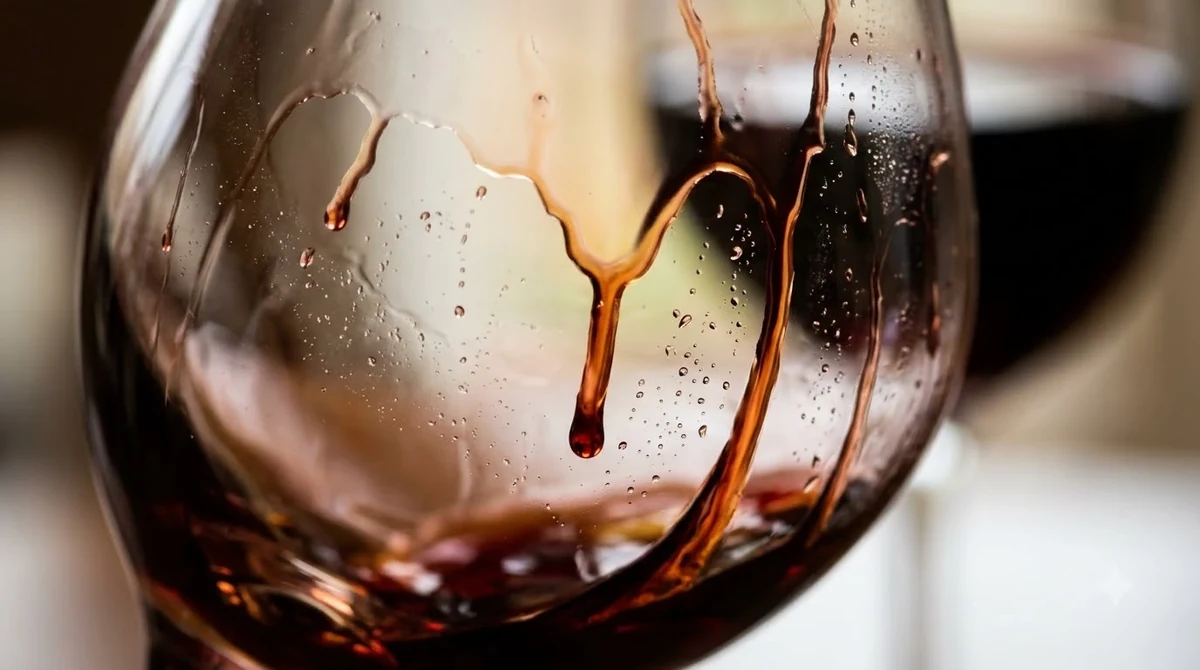
Cabernet Sauvignon has a naturally substantial structure. Its relatively high tannin level makes it a good companion for the richness of lamb, particularly when the roast has developed a flavorful exterior. Typical Cabernet Sauvignon aromas include blackcurrant, blackberry, cedar, and graphite, although the exact profile varies with climate, production methods, and bottle age.
Look toward Cabernet-based Bordeaux from the Left Bank, particularly Pauillac, Margaux, and Saint-Julien. These wines can combine concentrated dark fruit with cedar, herbal notes, and structured tannins. A mature Bordeaux can be especially appealing with a traditional Sunday roast because its developed savory characteristics complement the browned surface of the meat.
California Cabernet Sauvignon is another practical choice. Wines from Napa Valley and other California growing regions often have generous dark fruit and substantial body. Their concentration works well with lamb served alongside roasted potatoes, carrots, and a rich red-wine gravy.
Bordeaux blends also introduce Merlot, which generally has softer, more approachable tannins than Cabernet Sauvignon. Merlot contributes a rounder texture and ripe plum or cherry fruit. This makes a Cabernet-Merlot blend useful when the meal needs structure without an excessively firm or drying finish.
Choosing between Cabernet Sauvignon and Bordeaux
For a heavily browned leg with rich gravy, choose a Cabernet Sauvignon-dominant wine. For a roast with moderate seasoning and several vegetable accompaniments, a balanced Bordeaux blend can offer a more integrated combination of fruit, acidity, and tannin.
A young, particularly structured Cabernet can benefit from 30–60 minutes in a decanter before dinner. This gives the wine time to open aromatically and makes serving it alongside the roast more enjoyable. Older bottles may require gentler handling because prolonged exposure to air can diminish their more delicate aromas.
Serve Cabernet Sauvignon and full-bodied Bordeaux at approximately 60–65°F. This is slightly cooler than many dining rooms, so a short period in a cool place before serving can help preserve freshness and balance.
Rioja and Tempranillo for Garlic and Rosemary Lamb
Rioja is an excellent choice for leg of lamb seasoned with garlic, rosemary, thyme, and black pepper. Tempranillo provides red-fruit flavors, balanced acidity, and savory characteristics that complement roasted meat without making the pairing feel excessively heavy.
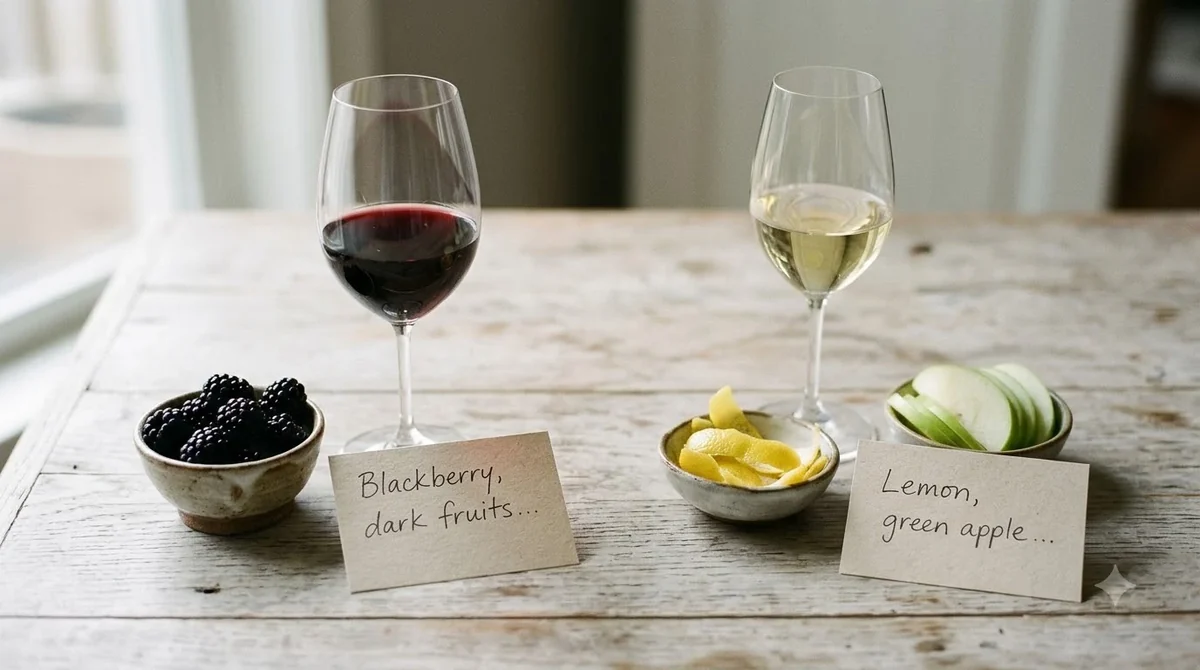
Tempranillo is particularly useful because it can combine ripe cherry and plum flavors with earthy, herbal, and gently spicy notes. Its tannins are generally moderate and can be especially approachable in well-made Rioja wines. This balance makes it suitable for a range of roast preparations, from pink-centered spring lamb to a more thoroughly cooked Sunday roast.
Rioja Crianza, Reserva, and Gran Reserva represent different aging categories, with longer aging generally contributing additional complexity and developed aromas. Reserva wines are particularly appealing with roast lamb because oak and bottle development can contribute notes of vanilla, tobacco, leather, and spice. These flavors complement the browned exterior of the meat and the aromatic character of rosemary.
Rioja is not the only Spanish region worth considering. Ribera del Duero also produces Tempranillo-based reds, where the grape is commonly known as Tinto Fino. These wines can offer concentrated dark fruit, structure, and savory complexity that suit substantial roasted meat.
Spanish roasted lamb traditions provide a natural reference point for this pairing. Lechazo asado, or suckling lamb roasted in a clay dish in a wood-fired oven, is associated with Ribera del Duero Crianza and Reserva wines. The combination illustrates how local food and wine traditions often develop around complementary textures and flavors.
When to choose Rioja over Cabernet Sauvignon
Choose Rioja when the roast has plenty of garlic and herbs but does not require the firmest tannins available. It is also a useful choice when the meal includes roasted peppers, sautéed mushrooms, or potatoes with olive oil and rosemary.
Cabernet Sauvignon is generally better for a particularly rich roast with substantial gravy, while Rioja offers a slightly softer and more savory alternative. A Rioja Reserva can bridge the gap, providing enough structure for the meat while bringing developed flavors that work well with the seasoning.
For a dinner where the lamb is the centerpiece but several guests prefer moderate rather than powerful reds, Rioja is an especially dependable option.
Syrah, Grenache, and Rhône Reds for Herb-Crusted Lamb
Syrah and Grenache-based wines are particularly good with leg of lamb coated in rosemary, thyme, garlic, and black pepper. Their savory aromas, ripe fruit, and spice characteristics complement the herbs while providing enough flavor intensity for the roasted meat.
Syrah, also called Shiraz in Australia, typically has medium-plus to high tannin and can offer blackberry, plum, black pepper, olive, and smoky notes. These characteristics make it a natural match for lamb with a crisp, browned exterior. Northern Rhône appellations such as Hermitage, Cornas, and Côte-Rôtie are useful regions to explore for structured, savory expressions of the grape.
Australian Shiraz provides another direction. Depending on the growing region and winemaking style, it may show generous dark fruit, pepper, spice, and a fuller texture. These characteristics work well with lamb roasted until deeply browned or served with a concentrated pan sauce.
Grenache brings a different balance. It generally emphasizes ripe red fruit, warm spice, and a rounder texture. Southern Rhône blends, particularly Châteauneuf-du-Pape and Gigondas, often combine Grenache with Syrah and Mourvèdre. The resulting wines can offer fruit concentration and herbal complexity that complement rosemary and thyme.
These wines are especially attractive for Mediterranean-style leg of lamb. A crust containing chopped parsley, oregano, garlic, lemon zest, and olive oil can bring out the herbal and peppery characteristics of a Rhône red. The wine should have enough fruit concentration to match the seasoning without becoming excessively alcoholic or heavy.
Syrah versus Grenache
Choose Syrah when black pepper, garlic, char, and savory herbs dominate the preparation. Its structure is particularly suitable for a substantial roast served with pan juices and roasted root vegetables.
Choose Grenache when the seasoning is more aromatic and the meal includes Mediterranean vegetables, tomatoes, or olives. Its ripe fruit can complement these ingredients while its herbal character provides continuity with the lamb’s seasoning.
A Grenache-Syrah-Mourvèdre blend, commonly called a GSM blend, offers a useful middle ground. It combines Grenache’s fruit, Syrah’s pepper and structure, and Mourvèdre’s earthy depth. This makes it a flexible option for a roast with several herbs and substantial side dishes.
Pinot Noir, Sangiovese, and Lighter Alternatives
Pinot Noir and Sangiovese are excellent alternatives when the leg of lamb is served pink or accompanied by lighter, fresher side dishes. Their acidity and more moderate weight can complement tender lamb without overpowering its flavor.
Pinot Noir has low to medium tannin and high acidity, making it particularly suitable for young, tender lamb cooked to medium-rare. Its red-cherry, raspberry, earthy, and sometimes mushroom-like characteristics complement the delicate savory flavor of the meat. Pinot Noir from Burgundy, Oregon, and New Zealand can all work, although individual styles vary considerably.
For a leg of lamb with lemon, parsley, mint, or a fresh herb salad, Pinot Noir may be preferable to a heavily structured Cabernet Sauvignon. The wine’s acidity keeps the combination fresh, while its lighter tannins allow the meat to remain the focus.
Sangiovese offers another excellent possibility. Wines such as Chianti Classico and Brunello di Montalcino generally have pronounced acidity and savory flavors that work well with roasted meat. Cherry, dried herbs, and earthy notes can complement rosemary and garlic, while the acidity helps balance richer preparations.
For a more substantial meal, Brunello di Montalcino can provide additional concentration and structure. Chianti Classico is often a more versatile choice for a roast served with tomato-based vegetables, grilled zucchini, or olive-oil-seasoned potatoes.
Can white wine or rosé work?
Red wine remains the traditional choice, but it is not the only possibility. A full-bodied Chardonnay can work with lamb served with lemon, creamy sauce, or a mild herb preparation. Its texture provides enough weight for the meat, while its acidity helps maintain balance.
Dry rosé is another option for a lighter Mediterranean-style roast. Choose a structured rosé rather than an extremely delicate one, particularly when the meal includes grilled vegetables, olives, and fresh herbs. A fuller rosé can provide fruit and freshness without the drying tannins of a powerful red.
However, a heavily browned leg with thick gravy will usually benefit from the additional structure and savory complexity of red wine. White and rosé alternatives are best reserved for preparations where citrus, fresh herbs, or lighter accompaniments play a major role.
How Cooking Method, Seasoning, and Side Dishes Change the Pairing
The best wine for leg of lamb depends on more than the cut of meat. Cooking time, doneness, seasoning, sauce, and side dishes can all change the ideal balance of body, acidity, fruit, and tannin.
A pink-centered roast generally has a more delicate texture than a leg cooked for several hours until deeply tender. The former can pair beautifully with Pinot Noir or Rioja, while the latter can support a more concentrated Cabernet Sauvignon, Syrah, or Grenache blend.
For a traditional garlic-and-rosemary roast, Rioja Reserva and Northern Rhône Syrah are especially reliable. Their herbal and savory characteristics complement the seasoning, while their fruit and acidity provide balance. A Cabernet Sauvignon is another strong choice when the meat has a substantial browned crust and is served with gravy.
Slow-roasted lamb presents a different challenge. The longer cooking process produces concentrated meat flavors and often creates a rich cooking liquid. A structured Tempranillo or Grenache blend can match this intensity. Wine Enthusiast’s slow-roasted leg of lamb recipe uses a 4–5-pound bone-in leg, rosemary, garlic, lemon juice, and dry red wine. The recipe begins with 30 minutes at 400°F, followed by 3½ hours at 300°F, and finishes with a 20-minute resting period.
For further inspiration, see our article on what wine goes with rack of lamb. Rack and leg differ in texture and presentation, but the same principles of acidity, tannin, and seasoning help guide the choice.
Matching wine with common lamb accompaniments
Side dishes can shift the balance of a meal substantially. Creamy potatoes, rich gravy, and buttered vegetables add weight, while lemon, mint, and fresh salads introduce acidity and aromatic freshness. Consider the complete plate rather than treating every accompaniment as secondary.
| Preparation or accompaniment | Recommended wine | Why it works |
|---|---|---|
| Classic rosemary and garlic roast | Rioja Reserva | Red fruit, savory notes, and balanced tannins complement the herbs. |
| Medium or well-done lamb with gravy | Cabernet Sauvignon | Firm tannins and dark fruit suit the richer meat. |
| Pink-centered spring lamb | Pinot Noir | Fresh acidity and moderate tannins suit tender meat. |
| Black pepper and herb crust | Northern Rhône Syrah | Peppery, smoky, and savory characteristics complement the seasoning. |
| Slow-roasted lamb with concentrated juices | Tempranillo | Fruit concentration and tannin balance the rich texture. |
| Mediterranean lamb with olives and vegetables | Grenache blend | Ripe fruit and herbal notes complement the accompaniments. |
| Lamb with lemon and fresh parsley | Pinot Noir or dry rosé | Freshness and moderate weight preserve the lighter character of the dish. |
| Lamb with tomato-based vegetables | Chianti Classico | Sangiovese acidity complements tomato and roasted vegetables. |
Sweet sauces deserve particular attention. A honey glaze or dried-fruit accompaniment introduces sweetness that can make a very dry, tannic red seem more bitter. A fruit-forward Grenache or a softer red blend is often a better choice than a highly structured young Cabernet.
Mint sauce can also change the pairing. Fresh mint is not necessarily a problem, but a strongly vinegary or sweet mint sauce can make a structured red taste unbalanced. Keep the condiment moderate if serving Cabernet Sauvignon, Rioja, or Syrah.
Spicy preparations require another adjustment. Chili heat can make alcohol and tannin seem more pronounced, so a very powerful, high-alcohol red may not be the most comfortable choice. For lamb with noticeable chili or warm spices, choose a fruit-forward red with softer tannins rather than an especially aggressive Cabernet Sauvignon.
Tip: Choose the wine after deciding how the lamb will be seasoned and served. For rosemary, garlic, and gravy, start with Rioja or Cabernet Sauvignon. For pink lamb with lemon and fresh herbs, choose Pinot Noir. For a peppery crust or smoky exterior, try Syrah.
Serving Temperature, Pour Sizes, and Wine Planning
Serve red wine slightly cool rather than warm, because excessive temperature can make alcohol seem more prominent and reduce the impression of freshness. Cabernet Sauvignon and full-bodied reds generally show well at 60–65°F, while lighter reds such as Pinot Noir are better at 55–60°F.
Temperature makes a meaningful difference to the pairing. A warm Cabernet can seem heavy beside lamb and gravy, while a slightly cooler serving temperature preserves its fruit and structure. Pinot Noir benefits from being served cool enough to maintain its freshness without suppressing its delicate aromas.
For a typical dinner, a standard 750 ml bottle provides approximately five 5-ounce glasses. Two bottles therefore provide about ten standard servings, which is a reasonable starting point for a dinner with ten wine-drinking guests. Allow additional wine if guests will have a glass before the meal or if dinner will continue for several courses.
When serving more than one red, consider beginning with Pinot Noir or Rioja before moving to Cabernet Sauvignon or Syrah. This progression moves from lighter and fresher styles toward wines with greater tannin and concentration. It also gives guests the opportunity to compare how the different structures work with the same roast.
Opening and storing wine
Young, full-bodied reds such as Cabernet Sauvignon and Syrah can benefit from 30–60 minutes of decanting. This helps expose the wine to air and can soften the initial impression of firm tannins. Rioja Reserva may need less time, particularly if it has already developed complex aromas through bottle aging.
Pinot Noir generally requires less aeration. Open the bottle shortly before dinner and pour a small sample to assess its aroma and texture. Older wines should be treated carefully, because extended exposure to oxygen may reduce their freshness.
Store unopened bottles on their sides in a cool, dark environment near 55°F, particularly when they are sealed with natural cork. Avoid frequent temperature changes and direct sunlight. If wine remains after dinner, refrigerate the opened bottle and use an appropriate closure.
As a general guideline, opened still wines usually retain their best character for approximately 3–5 days in the refrigerator, although freshness depends on the wine’s age, structure, and exposure to oxygen. Allow refrigerated red wine to warm slightly before serving again.
For a meal featuring several lamb preparations, choose wines with complementary rather than identical profiles. Rioja can serve as a versatile centerpiece, while Pinot Noir provides a lighter alternative and Cabernet Sauvignon offers a more structured finish.
Frequently Asked Questions
What wine goes best with leg of lamb for Easter dinner?
Cabernet Sauvignon, Rioja Reserva, and Bordeaux are dependable choices for an Easter roast. Spring lamb can be especially tender, so Pinot Noir is another good option when the meat is served pink. A wine from the same general culinary tradition as the meal, such as Rioja with Spanish-style lamb, can also create a particularly cohesive dinner.
Should I choose young or aged wine with roast leg of lamb?
Both can work, but they offer different experiences. A young Cabernet Sauvignon or Syrah provides fresh fruit and more noticeable tannins, while an aged Rioja Reserva or Bordeaux may offer developed notes of leather, tobacco, dried fruit, and earth. Choose according to the intensity of the roast and the flavor profile you prefer.
Can Malbec be served with leg of lamb?
Yes. Malbec offers dark fruit, plum, and a substantial texture that can complement a well-browned leg of lamb. Argentine Malbec is particularly useful with lamb served alongside grilled vegetables or a smoky roasted pepper sauce. A fruit-forward example is generally more versatile than one with excessively firm tannins.
Does sparkling wine work with roast leg of lamb?
Yes, particularly when the meal begins with appetizers or includes a lighter herb-crusted roast. A dry sparkling wine with good acidity can provide a refreshing contrast to rich meat and buttery potatoes. Traditional-method Champagne and Cava are useful choices, and sparkling wine is best served at approximately 40–50°F.
Can I use the same wine for cooking lamb and serving it?
Yes, a dry red such as Tempranillo, Merlot, or Cabernet Sauvignon can be used in a lamb pan sauce and served alongside the finished roast. The cooking wine should be sound and pleasant to drink, but it does not need to be an expensive or particularly complex bottle. Avoid sweet wines unless the recipe specifically calls for sweetness.
For a classic roast leg of lamb with rosemary, garlic, and gravy, start with Cabernet Sauvignon or Rioja Reserva. Choose Pinot Noir for a lighter, pink-centered roast, or Syrah and Grenache when pepper, Mediterranean herbs, and deeper roasted flavors dominate. Matching the wine to the seasoning, cooking method, and complete plate will produce a more satisfying pairing than choosing a bottle based on the meat alone.
More in Food & Wine Pairing
 Risotto With White Wine Recipe: Make a Creamy Dinner at HomeUpdated Nov 20, 2026
 Wassail With Wine Recipe for a Festive Spiced Holiday DrinkUpdated Nov 20, 2026
 Spritz Veneziano Recipe: Make a Classic Venetian Aperitivo at HomeUpdated Nov 20, 2026
 Summer Wine Punch Recipe for Easy Homemade EntertainingUpdated Nov 20, 2026
 Bishop Recipe: How to Make a Bright, Citrus-Forward Red Wine CocktailUpdated Nov 20, 2026
 Wine Cupcakes Recipe: Bake Rich Chocolate Cupcakes at HomeUpdated Nov 20, 2026