

We may earn a commission when you buy through links on this page, at no extra cost to you. Learn more.
what wine goes with grilled salmon? Pinot Noir is the most dependable red, Chardonnay is the strongest white, and dry rosé is an easy choice when the meal includes several flavors. Salmon has enough richness to work with light reds, but its fat and grill marks also welcome fresh, textured whites. The best bottle depends on the char, sauce, and sides on the plate.
Grilled salmon is more flexible than the old rule about serving white wine with fish suggests. A thick fillet with browned edges has a firm, savory character, while a cedar-planked portion tastes gentler and more aromatic. Start with the fish, then make a small adjustment for lemon, herbs, butter, a sweet glaze, or chile.
The Best Starting Points: Pinot Noir, Chardonnay, and Dry Rosé
For a straightforward grilled salmon dinner, begin with Pinot Noir, Chardonnay, or dry rosé. These three styles cover the fish’s richness and smoky surface without burying its flavor, and each suits a different preference at the table.
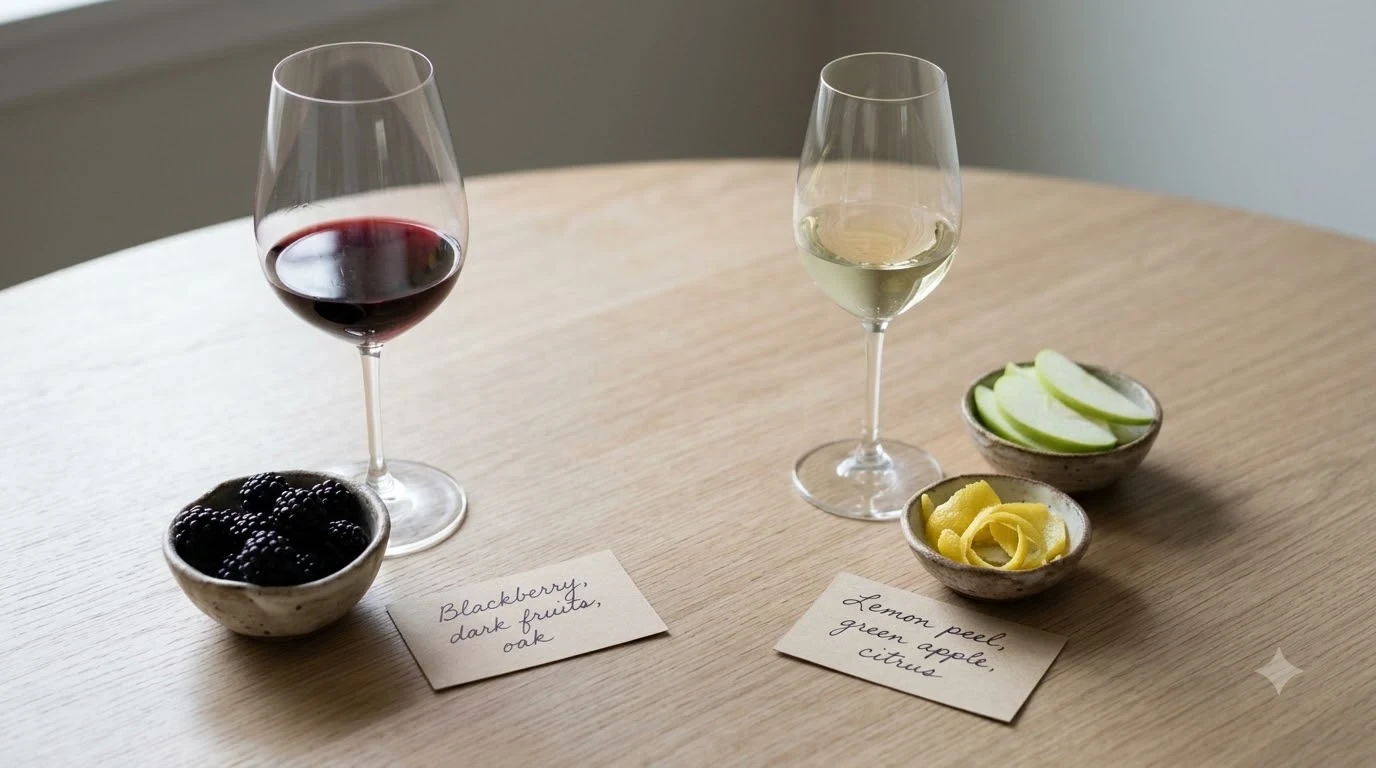
Pinot Noir is the classic red choice because its light-to-medium body, bright acidity, and low-to-medium tannin complement salmon without a hard, drying finish. Look for a fresh example from Oregon, California’s Sonoma Coast, or Central Otago in New Zealand. Cherry, cranberry, and earthy notes meet the browned edges of the fish, while acidity keeps each bite from feeling heavy. Serve it slightly cool rather than at a warm room temperature.
Chardonnay is the leading white option, especially when salmon is brushed with butter or cooked on a cedar plank. Modest oak can echo toasted, nutty flavors from the grill, while acidity balances the fish’s oils. Napa Valley Chardonnay is one direction for cedar-plank salmon; Chablis or another unoaked Chardonnay is better when lemon, dill, or a clean finish matters more than barrel flavor. Dry rosé is the flexible choice for a table with char, vegetables, salad, and more than one sauce. Its crispness refreshes the palate, and red-fruit notes sit comfortably beside grilled zucchini or tomatoes.
These are starting points, not competing rules. Wine Enthusiast highlights Pinot Noir for simply prepared salmon and oak-aged Chardonnay for cedar-plank grilling; its salmon pairing guide also stresses how sauce and accompaniments alter the choice. For one bottle with mixed preferences, dry rosé or lighter Pinot Noir is usually easier to place than a rich, heavily oaked white or firm red.
Match the Wine to the Grill Marks and Smoke
Direct heat adds browned edges and a hint of smoke, while cedar planks soften contact with the flame and add their own aroma. Match open-grill char with Pinot Noir or dry rosé, and choose balanced Chardonnay when cedar smoke and toasted flavors are central.
For salmon cooked directly on a hot grill, start with Pinot Noir or dry rosé. The surface may pick up a savory crust and a little bitterness from char, so fresh fruit and acidity help keep the whole bite lively. Beaujolais made from Gamay is another good red option: juicy berry flavor and gentle tannins suit a firm piece of fish, especially with black pepper, garlic, or herbs. A lightly chilled red can feel especially refreshing outdoors.
Cedar-plank salmon calls for a slightly different approach. The wood protects the fish from direct flame and contributes a fragrant, sweet-smoky note. Chardonnay with modest oak aging can echo the plank’s toast, but it still needs enough acidity to balance the salmon. Avoid a version so buttery or alcoholic that the pairing becomes heavy. Chablis is a leaner alternative, offering Chardonnay’s citrus and mineral character without prominent new-oak flavor.
For heavily smoked or barbecue-style salmon, Pinot Noir and dry rosé remain dependable, but the sauce matters. A sticky glaze can make a very dry, austere wine seem sharp; fruit-forward Pinot, Gamay, or off-dry Riesling handles a modest sweet element better than stern Cabernet Sauvignon. Grill technique changes texture too: a browned skin adds savory crunch, while a thin tail portion is often less rich than a thick center cut. For a gentler oven-cooked texture, compare what wine goes with baked salmon.
Choose Wine for Marinades, Sauces, and Seasoning
The sauce can matter as much as the fish. Lemon, dill, garlic, soy, honey, barbecue sauce, and chile each shift the balance, so choose wine for the strongest flavor on the plate instead of treating every grilled fillet alike.
For lemon, capers, parsley, or dill, reach for a high-acid white such as Sauvignon Blanc, Albariño, or Vermentino. Their citrus and herbal notes fit the seasoning, and their freshness stands up to a squeeze of lemon. New Zealand Sauvignon Blanc is often aromatic, while Loire Valley examples can be more restrained; Albariño from Rías Baixas brings citrus and a lightly saline character. Keep the wine dry when the dish is savory.
For honey-mustard, maple, teriyaki, or brown-sugar barbecue glazes, choose fruit with enough generosity to meet the sauce. Riesling with a touch of residual sweetness can balance both sugar and chile, while fruit-forward Pinot Noir suits a less spicy glaze. The basic rule is to keep the wine at least as sweet as the food. A bone-dry wine beside a distinctly sweet glaze can taste thin and sour, even if it would be excellent with plain salmon.
Soy, miso, and other savory marinades bring salt and umami. Pinot Noir, Gamay, and dry rosé work when the red is not aggressively tannic; a moderately rich Chardonnay can also match miso. Chile heat needs more care because alcohol and tannin amplify the burn. An off-dry Riesling is a strong option for salmon tacos with jalapeño, while crisp rosé suits salsa that is more herbal than hot. Use the same process for other dishes in this Wine Pairing overview: identify the dominant sauce, then match acidity, sweetness, and weight.
White Wine Options for Citrus, Herbs, and Rich Sides
White wine is often easiest when grilled salmon is served with lemon, green herbs, or a creamy side. Sauvignon Blanc, Albariño, Chardonnay, and Grüner Veltliner offer different balances of freshness and body, so match the grape to the garnish and sauce.
Sauvignon Blanc is a natural match for salmon with lemon, parsley, dill, chives, or cucumber salad. Its high acidity gives the pairing energy, while citrus and herbal notes reinforce the garnish. Albariño from Rías Baixas is useful with lemon, grilled vegetables, or a simple olive-oil dressing; Vermentino from Sardinia or coastal Tuscany offers a similar direction, often with savory herbal notes. These wines work especially well when the salmon is not heavily glazed and the sides are bright rather than creamy.
Chardonnay becomes more persuasive when the plate includes butter, cream, mashed potatoes, or a rich corn side. A moderately oaked bottle shares the sauce’s roundness, while acidity keeps the pairing from becoming too soft. Lean Chablis suits simply grilled salmon with lemon butter; fuller California Chardonnay fits a richer treatment. The goal is not maximum oak, but enough texture to meet the sauce with freshness still in place.
Grüner Veltliner and dry Pinot Gris are useful when herbs, pepper, or subtle spice accompany the fish. Grüner’s citrus, green-fruit, and white-pepper character makes sense with dill, parsley, and lightly spiced vegetables. Acidic foods need wine with equal or higher acidity, so a squeeze of lemon or an acidic tomato salsa can make a low-acid white seem flat. For a cured or more intensely smoky preparation, the choices in what wine goes with smoked salmon provide a useful comparison.
Red Wine Options Without Heavy Tannins
Red wine can work with grilled salmon, but lighter, fresher styles are safer than powerful reds. Pinot Noir and Gamay are the most reliable choices; restrained Grenache or a softer red blend can fit when the fish has a strong crust or savory glaze.
Pinot Noir offers bright acidity, red fruit, and gentle tannin. Oregon, Sonoma Coast, and Central Otago are useful regions to explore for styles that pair with salmon without requiring dense structure. Look for cherry, raspberry, cranberry, and earthy notes rather than heavy extraction or pronounced oak. Pinot is particularly good with salmon served alongside mushrooms, lentils, grilled asparagus, or a simple herb dressing. Gamay, especially from Beaujolais, is another strong match: lively berry flavors and soft tannins let the fish remain the center of the plate.
Grenache can work when it is not too alcoholic or heavy, particularly with paprika, grilled peppers, tomato relish, or a smoky rub. Choose a fresh style with moderate tannin rather than a dense, high-extraction bottling. Cabernet Sauvignon is usually a poor first choice because its high tannin can dominate the fish; Syrah can also have medium-plus to high tannin. Reserve those firmer reds for unusually bold preparations only when the wine is notably supple.
Salt and fat soften tannin, which helps explain why a rich salmon portion can manage more structure than a lean white fish. That does not make every red suitable. Keep tannin low to medium, favor acidity, and let smoke or seasoning provide intensity. VinePair’s seafood pairing overview likewise identifies light Pinot Noir as a classic salmon match rather than recommending an assertive red.
Serve the Bottle at the Right Temperature
Temperature changes how wine feels beside hot salmon. Serve light reds cool rather than warm, keep rosé crisp, and allow fuller Chardonnay enough warmth to show its texture without letting alcohol dominate the meal.
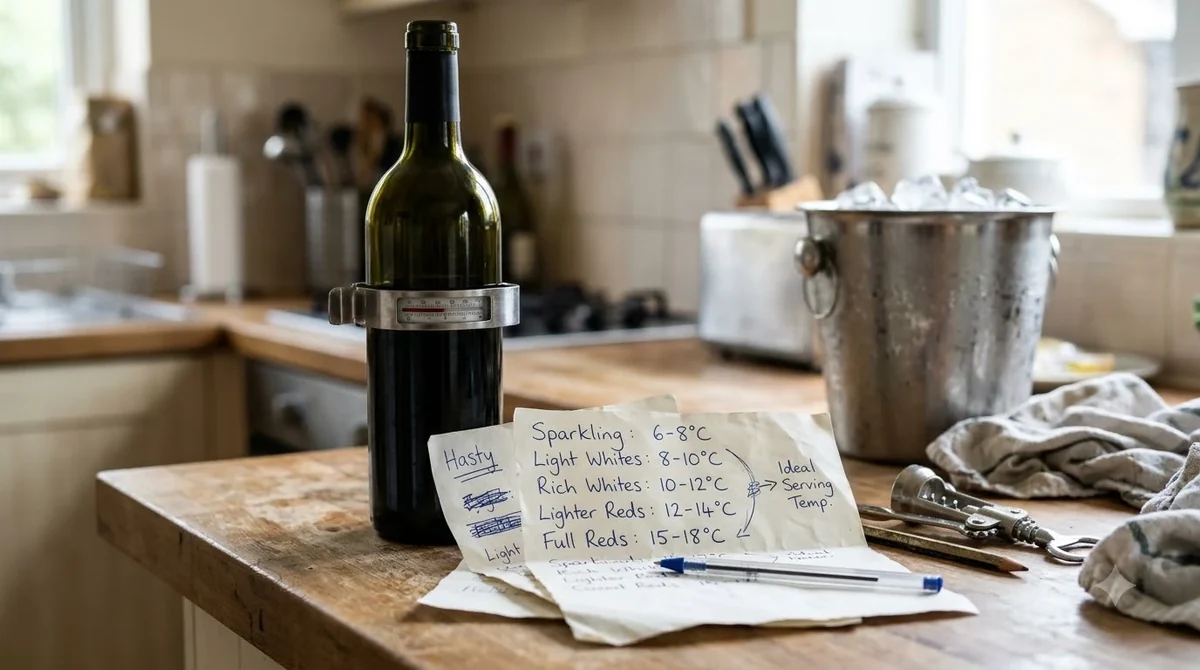
A useful target is 55–60°F for light reds such as Pinot Noir and Gamay, 45–50°F for dry rosé and light whites, and 50–55°F for fuller whites such as richer Chardonnay. These ranges keep the wines fresh without muting their aromas. If a bottle has been stored at room temperature, chill it before serving rather than relying on the glass to cool it.
| Wine style | Best use with grilled salmon | Serving temperature |
|---|---|---|
| Pinot Noir | Direct-grilled fillets, herbs, mushrooms, or savory rubs | 55–60°F |
| Gamay / Beaujolais | Charred edges, pepper, garlic, and grilled vegetables | 55–60°F |
| Dry rosé | Mixed sides, summer vegetables, and mild glazes | 45–50°F |
| Sauvignon Blanc or Albariño | Lemon, dill, parsley, and bright salads | 45–50°F |
| Fuller Chardonnay | Cedar plank, butter, cream, or rich corn sides | 50–55°F |
| Off-dry Riesling | Sweet-spicy glaze, ginger, or chile | 45–50°F |
On a hot patio, wine warms quickly after leaving the refrigerator; an insulated sleeve or ice bucket helps keep it in range. A red that is too warm can seem alcoholic and soft, while very cold Chardonnay may lose aroma and feel harder than it is. Give a chilled red a few minutes in the glass if it tastes muted.
Tip: Chill Pinot Noir or Gamay for about 20–30 minutes before serving if the bottle has been at a cool room temperature. For Chardonnay, begin near 50–55°F and let it warm slightly in the glass rather than serving it ice-cold.
Keep the wine close to its target temperature from the first bite to the last. A little planning matters more than elaborate serving equipment, especially when dinner is outdoors and the grill is still hot.
Frequently Asked Questions
These answers cover practical details beyond the main wine choices, including bottle storage, skin-on grilling, and differences between salmon varieties. They can help fine-tune the meal once the wine style is selected.
Can I serve the same wine with grilled and smoked salmon?
Sometimes, but smoked salmon often brings more salt and a stronger cured flavor than a grilled fillet. Dry sparkling wine, Riesling, or Grüner Veltliner can be especially useful with smoked preparations, while Pinot Noir or Chardonnay may be more natural with a hot grilled portion.
How many glasses of wine are in a standard bottle?
A 750 ml bottle holds about five standard 5-ounce pours. For a dinner where guests sample both Pinot Noir and Chardonnay, plan smaller tastes from each bottle instead of a full glass of both.
Can I keep an opened bottle for another salmon dinner?
Most opened still wines keep for about 3–5 days in the refrigerator when re-corked or sealed well. Sparkling wine generally has a shorter window of about 1–3 days, even with a stopper.
Should I grill salmon with the skin on?
Skin-on fillets are often easier to handle because the skin helps protect the flesh from direct heat. Starting skin-side down also gives the skin time to crisp and helps the fish release from the grate once it has cooked enough.
Is wild salmon always better with a lighter wine than farmed salmon?
Not necessarily; wild and farmed salmon vary by species, cut, and preparation. Judge the richness of the portion in front of you: a thick, fatty fillet can handle Chardonnay or gentle Pinot Noir, while a leaner piece with lemon may favor a crisp white.
For most grilled salmon dinners, Pinot Noir, Chardonnay, and dry rosé are the three bottles to keep in mind. Let the grill marks, sauce, and sides make the final decision, then serve the wine cool enough to stay fresh without hiding its flavor. For an easy comparison, pour a lightly chilled Pinot Noir and a crisp dry rosé with the same fillet.
More in Food & Wine Pairing
 Risotto With White Wine Recipe: Make a Creamy Dinner at HomeUpdated Nov 20, 2026
 Wassail With Wine Recipe for a Festive Spiced Holiday DrinkUpdated Nov 20, 2026
 Spritz Veneziano Recipe: Make a Classic Venetian Aperitivo at HomeUpdated Nov 20, 2026
 Summer Wine Punch Recipe for Easy Homemade EntertainingUpdated Nov 20, 2026
 Bishop Recipe: How to Make a Bright, Citrus-Forward Red Wine CocktailUpdated Nov 20, 2026
 Wine Cupcakes Recipe: Bake Rich Chocolate Cupcakes at HomeUpdated Nov 20, 2026