

We may earn a commission when you buy through links on this page, at no extra cost to you. Learn more.
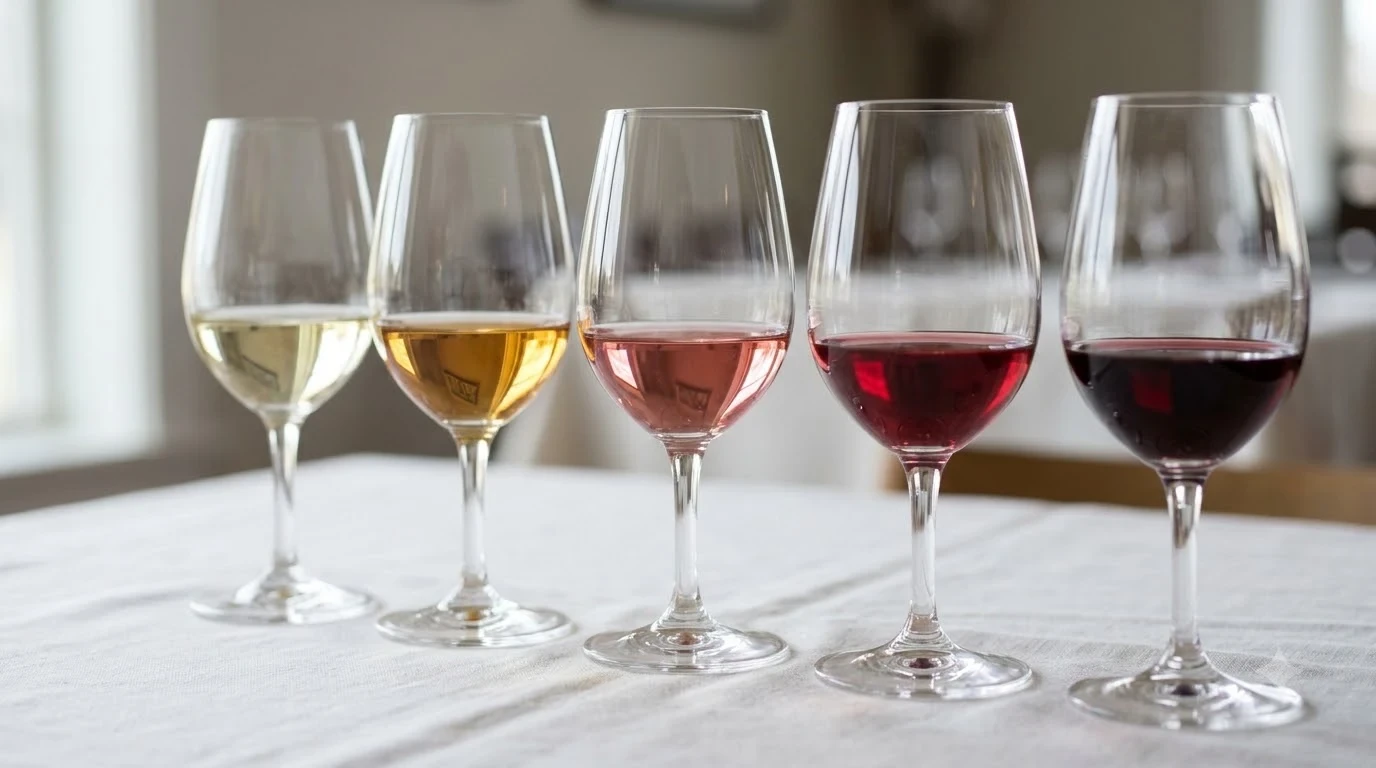
what wine goes with clam chowder is usually a dry, medium-bodied white with enough acidity to refresh the palate without covering the clams. Unoaked or lightly oaked Chardonnay is the most versatile choice for a creamy New England bowl, while Sauvignon Blanc, Albariño, and Muscadet bring a brighter contrast. The right bottle depends on whether the soup is cream-based, tomato-based, or clear-broth, along with how much bacon, pepper, and herb seasoning it contains.
Clam chowder combines briny shellfish, sweet onion, starchy potato, dairy, and often smoky pork. A good pairing respects the clams while refreshing the palate. Start with the soup base, then fine-tune the bottle for its garnish and seasoning.
Chardonnay Is the Best All-Purpose Match for Creamy Chowder
For classic New England clam chowder, choose a dry Chardonnay with moderate acidity and restrained oak. An unoaked Chablis from Burgundy brings citrus and mineral freshness, while a lightly oaked white Burgundy or California Chardonnay has enough roundness to sit comfortably beside cream, butter, and bacon.
The reason Chardonnay works is its middle ground between freshness and texture. New England-style chowder is thickened with flour or potatoes and finished with milk, half-and-half, or heavy cream. A very crisp white can make a rich soup seem heavier by comparison, while a heavily oaked, high-alcohol Chardonnay may pile butter, vanilla, and warmth onto an already substantial bowl. The better target is a wine that feels rounded but finishes cleanly. Look for flavors such as lemon, green apple, pear, and a subtle note of toast rather than pronounced caramel or sweet oak.
Chablis is made from Chardonnay but is generally unoaked or subtly handled, so its acidity and mineral character stay prominent. A white Burgundy with measured oak can echo the soup’s creamy texture; medium-bodied California Chardonnay can also work with extra butter or crisp bacon. Williams Sonoma’s fish-and-shellfish pairing guide likewise points to white Burgundy or medium-oaked California Chardonnay for clams in cream sauce. Match the bottle’s weight to the bowl: a broth-forward recipe needs less oak than one finished with a generous pour of cream.
Sauvignon Blanc, Albariño, and Muscadet Add a Brighter Contrast
For a lighter, fresher counterpoint, reach for Sauvignon Blanc, Albariño, or Muscadet. Sauvignon Blanc from the Loire Valley, Albariño from Rías Baixas in Spain, and Muscadet from the Loire’s Atlantic side all bring freshness that helps a creamy or briny spoonful feel less heavy.
Sauvignon Blanc is a strong choice when the chowder has a noticeable herbal note or a generous amount of clam liquor. Its naturally high acidity gives the palate a reset between spoonfuls, and citrus, green fruit, and herbal flavors can connect with parsley, celery, thyme, or a squeeze of lemon at the table. Loire Valley examples tend to be brisk and restrained. Choose a dry style rather than one with obvious sweetness.
Albariño is especially appealing when the clams taste distinctly briny. Wines from Rías Baixas often combine bright acidity with citrus, stone fruit, and a lightly saline impression, so they complement shellfish without copying the soup’s creamy weight. Muscadet from France’s Loire Valley is usually lean, dry, and crisp, with a mineral edge that makes it a natural seafood partner. Decanter’s guide to pairing wine with fish highlights high-acid wines for creamy fish sauces and identifies Chablis, Assyrtiko, and bone-dry Muscadet as useful choices. For a thinner soup made with milk or extra clam broth, light-bodied Pinot Grigio—with gentle citrus and pear notes—is another uncomplicated option.
Match the Wine to New England, Manhattan, and Clear-Broth Chowder
Start by identifying the chowder style, because the broth changes the wine decision. Creamy New England chowder usually favors Chardonnay or a brisk white with enough body, tomato-based Manhattan chowder calls for higher acidity, and clear-broth Rhode Island chowder works well with a light, mineral white.
New England clam chowder is the richest of the familiar styles. A James Beard Foundation recipe combines bacon, onion, celery, clam juice, evaporated milk, heavy cream, Yukon Gold potatoes, thyme, bay leaf, cayenne, and littleneck clams. With that mix, a Chablis, restrained Chardonnay, or medium-bodied Albariño can bridge cream and shellfish. If the recipe is particularly thick or smoky, Chardonnay is usually the safer starting point; if it is more broth-forward and briny, Muscadet or Albariño can take the lead.
Manhattan clam chowder replaces the dairy-led base with tomatoes and a more pronounced broth. Tomato adds acidity, so the wine should have equal or higher acidity rather than tasting soft or flat beside it. Sauvignon Blanc, dry rosé, or a lively Pinot Grigio can work, especially when the soup also contains celery, herbs, and a little pepper. Avoid an oaky Chardonnay that tastes broad and low in freshness; the tomato can make its fruit seem dull.
Rhode Island-style clam chowder is typically clear and broth-based, so it does not need a wine with the creamy texture that suits a New England version. Choose Muscadet, Albariño, Sauvignon Blanc, or Pinot Grigio, and keep the wine dry and refreshing. Clear broth can make a low-acid wine seem heavy, while a very forceful aromatic wine may obscure the delicate clam flavor. If the soup includes extra bacon or potatoes, a slightly fuller Albariño or unoaked Chardonnay can add enough substance without dominating the broth.
Balance Cream, Clams, Bacon, and Seasoning
The most reliable pairing balances three elements: cream needs freshness, clams need a wine that respects their delicate briny flavor, and bacon needs enough body to meet its smoke and salt. Ingredients such as cayenne, Old Bay, thyme, and Worcestershire can shift the choice, so consider the whole recipe rather than the shellfish by itself.
Cream softens the impression of acidity and adds weight, which is why a wine with crisp freshness is useful even when the match is Chardonnay. The goal is not to make the soup taste sharp; it is to keep the next bite inviting. A medium-acid Chardonnay with a clean finish can mirror some of the dairy texture, while Sauvignon Blanc or Albariño provides more contrast. Wine Enthusiast’s discussion of soup pairing notes that creamy, puréed soups offer textural contrast with wine, which can make them easier to pair than neutral broths. That principle applies here: match the density of the bowl while preserving a fresh finish.
Clams have a gentle sweetness and a sea-spray quality that can disappear beneath overt oak, heavy alcohol, or very ripe fruit. Choose citrus, green apple, pear, or mineral notes rather than strong vanilla, toast, or tropical sweetness. If the soup is especially briny, Albariño and Muscadet are particularly good places to start. If the clams are folded into a rich base with butter and cream, a restrained Chardonnay can better match the soup’s texture.
Bacon, salt pork, and butter make the soup more savory and round. Salt and fat soften the perception of tannin, but that does not make a high-tannin red ideal: clams remain delicate, and a forceful red can overwhelm them. Pinot Noir has low-to-medium tannin and higher acidity, so a light-bodied example may work with smoky bacon, but it is an alternative rather than the first recommendation. Thyme, bay leaf, parsley, and celery suit crisp whites; cayenne or hot sauce can make alcohol and tannin feel more pronounced, so keep the wine moderate in alcohol. For more on acidity, texture, and tannin, see our Wine Pairing basics.
Serve Chowder and Wine at the Right Temperatures
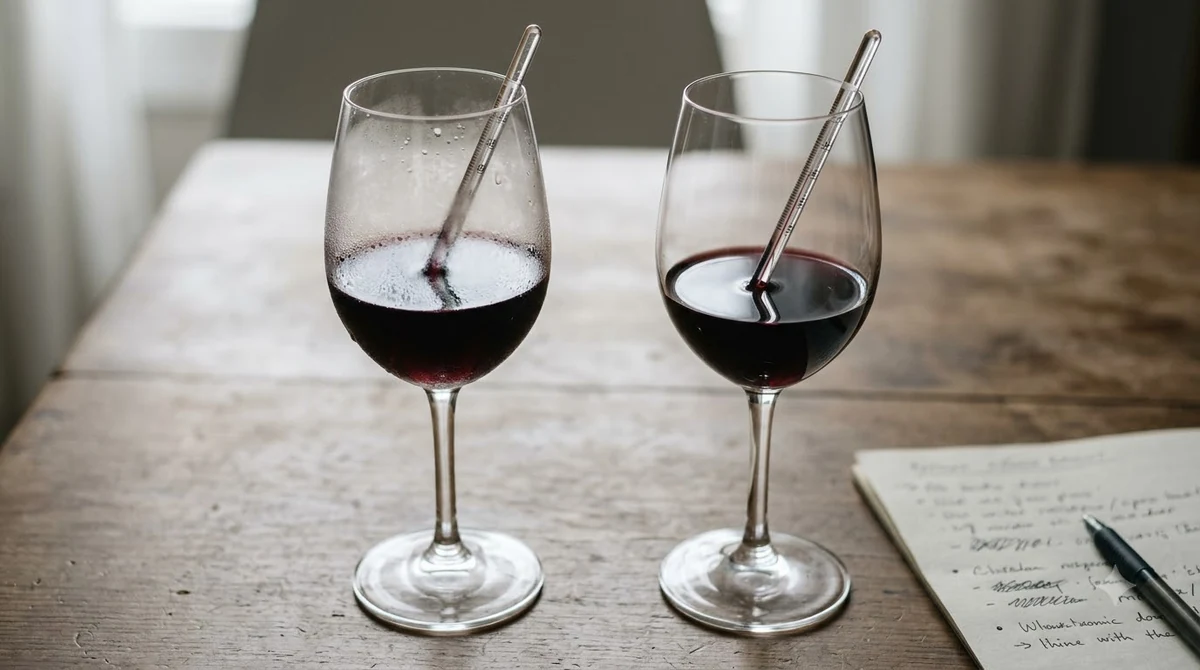
Serve most crisp whites cool but not icy, and give fuller Chardonnay a little more warmth so its texture and aromas can show. The useful ranges are 45–50 F for light whites, 50–55 F for fuller whites, and 55–60 F for light reds such as Pinot Noir.
Temperature affects how the wine behaves beside a hot, creamy soup. A Sauvignon Blanc or Muscadet served at 45–50 F feels refreshing and keeps its citrus character clear. A fuller Chardonnay is better at 50–55 F, where its apple, pear, and subtle oak notes are easier to recognize; served too cold, it can seem hard and muted. A Pinot Noir alternative should be lightly cool at 55–60 F rather than served warm like a full-bodied red.
| Chowder style | Wine to choose | Serving temperature | Why it works |
|---|---|---|---|
| New England, cream-rich | Unoaked or lightly oaked Chardonnay | 50–55 F | Matches the creamy texture while retaining freshness |
| New England, broth-forward | Albariño or Muscadet | 45–50 F | Bright acidity complements briny clams |
| Manhattan, tomato-based | Sauvignon Blanc or dry rosé | 45–50 F | Fresh acidity stands beside the tomato |
| Rhode Island, clear broth | Muscadet or Pinot Grigio | 45–50 F | Light body keeps the broth in focus |
| Bacon-forward version | Light Pinot Noir, as an alternative | 55–60 F | Gentle red fruit can meet smoky pork |
| Any style with sparkling wine | Brut sparkling wine | 40–50 F | Bubbles and acidity refresh the palate |
Use a modest pour so the wine stays cool and the soup remains the focus. A standard 5-ounce pour is a useful measure, and a 750-milliliter bottle provides about five glasses. Keep unopened cork-finished bottles away from heat and store them on their side near 55 F.
Tip: Chill Sauvignon Blanc, Albariño, and Muscadet ahead of serving, but take Chardonnay out of the refrigerator briefly before pouring. The extra few degrees help a fuller white show its texture without losing the freshness that makes it work with cream.
For leftover wine, reseal the bottle and place it in the refrigerator. Most opened still wines keep for about 3–5 days when stored cold, although the freshest aromas fade first. That window is a practical guide rather than a promise of unchanged flavor, so keep the bottle tightly closed and judge it before serving another glass.
Choose Rosé, Sparkling Wine, or Red for a Change of Pace
Dry rosé and sparkling wine are flexible alternatives when the chowder is part of a larger meal or when you want a less obvious white-wine pairing. Red wine is possible, but keep it light and low in tannin; a structured Cabernet Sauvignon or Syrah is usually too forceful for delicate clams.
A dry rosé works particularly well with Manhattan chowder, bacon garnish, or a summer meal served outdoors. Choose one with fresh acidity and little residual sugar, such as a dry Provence-style rosé or a crisp Spanish rosado. Its red-berry flavors provide a small step toward red wine without the tannin of a full-bodied red. Serve rosé at 45–50 F, the same range used for light whites, so it stays refreshing beside the soup.
Sparkling wine brings a different kind of contrast. Brut Champagne, Cava, or another dry traditional-method sparkling wine has lively acidity and bubbles that refresh the palate after cream; Champagne and Cava undergo their second fermentation in the bottle. Prosecco is made primarily from Glera using the tank method and is commonly around 11–12% alcohol by volume, so choose a Brut version rather than a sweeter style. Serve sparkling wine at 40–50 F. For a red, use light Pinot Noir rather than Cabernet Sauvignon or Syrah. A gently chilled bottle can work with browned bacon or mushrooms, but keep the pour small so the clams remain the focus.
Do not choose a wine simply because it is powerful enough to stand up to a heavy soup. The best pairing usually brings freshness and restraint, not more weight. If chowder is the opening course before a meat-centered dinner, switch wines with the main dish rather than forcing one bottle across both courses; our guide to what wine goes with beef brisket covers a very different balance of protein, smoke, and tannin.
Frequently Asked Questions
These quick answers cover practical choices for a New England bowl with bacon and oyster crackers, a tomato-based Manhattan recipe, or a clear-broth version. The details help fine-tune the pairing when the garnish, side dish, or wine style changes.
Can I serve red wine with clam chowder?
Yes, but choose a light Pinot Noir rather than a high-tannin Cabernet Sauvignon or Syrah. A chilled Beaujolais made from Gamay is another lighter red option. Keep the bottle around 55–60 F and favor a chowder with smoky bacon or mushrooms rather than a very delicate clear broth.
Is Chardonnay or Sauvignon Blanc better with New England clam chowder?
Chardonnay is usually the safer match for a thick, cream-rich bowl, while Sauvignon Blanc is better for a sharper contrast or a broth-forward recipe. A Chardonnay that has undergone malolactic fermentation may show a softer, buttery texture that echoes cream, so favor one with a clean finish rather than heavy oak.
What wine goes with clam chowder made with corn?
Try an unoaked Chardonnay or dry Riesling if sweet corn is a noticeable ingredient. Corn adds a gentle sweetness that can make a bone-dry, very lean wine seem austere, while Chardonnay’s apple and pear flavors echo the vegetable’s rounded character. Keep the wine dry rather than choosing a noticeably sweet bottling.
Should I use the same wine in clam chowder that I pour at the table?
You can, especially when the recipe calls for dry white wine and you plan to serve Sauvignon Blanc or Chardonnay with the meal. Use a wine you would enjoy drinking rather than a cooking wine, and simmer it with the onions until the raw alcohol aroma subsides before adding the dairy. Dry sherry contributes a different nutty flavor, so the table wine does not need to imitate it.
What wine should I serve with clam chowder and oyster crackers?
Choose a crisp white such as Muscadet, Albariño, or Sauvignon Blanc. Oyster crackers add salt and crunch but little sweetness, so they do not require a sweeter wine. Their saltiness also makes a Brut sparkling wine a flexible choice, since its dry finish and bubbles keep the palate fresh.
For most creamy clam chowder, begin with an unoaked or lightly oaked Chardonnay; choose Sauvignon Blanc, Albariño, or Muscadet when you want more lift and a cleaner finish. Match the wine to the broth, keep the serving temperature appropriate to its body, and let the clams remain the center of the bowl. For an especially thick recipe, a cool pour of Chardonnay offers a rounded match; for a clear broth, a crisp mineral white keeps the shellfish in focus.
More in Food & Wine Pairing
 Risotto With White Wine Recipe: Make a Creamy Dinner at HomeUpdated Nov 20, 2026
 Wassail With Wine Recipe for a Festive Spiced Holiday DrinkUpdated Nov 20, 2026
 Spritz Veneziano Recipe: Make a Classic Venetian Aperitivo at HomeUpdated Nov 20, 2026
 Summer Wine Punch Recipe for Easy Homemade EntertainingUpdated Nov 20, 2026
 Bishop Recipe: How to Make a Bright, Citrus-Forward Red Wine CocktailUpdated Nov 20, 2026
 Wine Cupcakes Recipe: Bake Rich Chocolate Cupcakes at HomeUpdated Nov 20, 2026