

We may earn a commission when you buy through links on this page, at no extra cost to you. Learn more.
What wine goes with cake depends on the cake’s sweetness, flavor, and frosting, but a good starting point is a wine at least as sweet as the slice, with enough acidity or fruit to keep each bite balanced. Moscato d’Asti and demi-sec sparkling wine suit lighter fruit cakes, while Port and other rich dessert wines can stand up to chocolate and dense spice cakes. For a less-sweet cake, a fruit-forward dry wine may work, but sugar level should guide the choice first.
Cake is not one flavor or texture. A slice of angel food cake with berries has little in common with a dark chocolate layer cake under thick buttercream, so the best bottle changes with the recipe. Start with the cake and its topping together, then think about sweetness, acidity, richness, and serving temperature.
The Four Rules for Matching Wine with Cake
The most reliable match balances sweetness first, then considers acidity, texture, and flavor. A wine that seems pleasant on its own can taste thin or sharp beside a very sweet slice, so the cake should set the direction.
Match or slightly exceed the cake’s sweetness. This is the most important rule for dessert pairings. Frosting can make an otherwise restrained cake surprisingly sweet, and a wine that is less sweet than the dessert may seem sour or hollow. Wine Enthusiast explains this sweetness effect in its guide to food and wine pairing. A lightly sweet sponge with fresh strawberries may work with demi-sec sparkling wine; a rich fudge cake generally needs a sweeter wine, such as ruby Port or a sweet fortified red.
Use acidity to refresh the palate. Cake often contains butter, cream, eggs, and sugar. A wine with lively acidity can keep those ingredients from making the pairing feel heavy, particularly with lemon cake, berry filling, or cream cheese frosting. The wine’s perceived acidity should meet or exceed the acidity of a sharply citrusy dessert; otherwise the cake can make the wine seem flat.
Match the weight and intensity. A delicate angel food cake can disappear beside a powerful fortified wine, while a dense chocolate torte can overwhelm a very light white. Pair light with light and rich with rich as a safe first step. Finally, consider flavor echoes: honey with vanilla, citrus with lemon, orchard fruit with apple, and dried fruit or nuts with caramel and spice.
Quick Wine Matches for Popular Cake Styles
Use the cake’s dominant flavor and frosting to choose a starting point, not just its name. These combinations offer a practical first pour; adjust the sweetness upward when the cake has a thick, sugary topping or filling.
For lighter cakes, choose wines with fresh fruit, moderate sweetness, or gentle bubbles. For richer cakes, move toward concentrated sweet wines, fortified styles, or reds with ripe fruit and enough body to match the dessert.
| Cake or style | Good starting wine | Typical serving guide | Why it works |
|---|---|---|---|
| Angel food or plain sponge | Moscato d’Asti | 43–50°F | Light body, floral fruit, gentle sweetness |
| Strawberry shortcake | Demi-sec sparkling wine | 40–50°F | Soft sweetness and bubbles suit berries and cream |
| Apple cake | Off-dry Riesling | 43–50°F | Orchard-fruit flavors and acidity balance baked apple |
| Lemon cake | Sweet Riesling or Moscato d’Asti | 43–50°F | Sweetness meets sugar while acidity echoes citrus |
| Chocolate layer cake | Ruby Port or Banyuls | 2–3 oz pour | Concentrated fruit and sweetness can meet cocoa intensity |
| Carrot or spice cake | Tawny Port or Madeira | 2–3 oz pour | Dried-fruit, nut, and baking-spice notes echo the cake |
| Vanilla pound cake | Late-harvest Riesling or sweet Chenin Blanc | 43–50°F | Honeyed fruit complements butter and vanilla |
| Red velvet cake | Brachetto or fruit-forward red | 40–50°F if sparkling; 55–60°F if light red | Red-fruit character can connect with cocoa and cream cheese |
The table is a starting map rather than a fixed menu. A very sweet buttercream layer may call for a sweeter wine than the same cake served plain, while tart berries or lemon curd can make a bright, higher-acid style more useful. The best match is the one that keeps both the cake and wine recognizable instead of allowing one to flatten the other.
Chocolate Cake Needs Fruit, Sweetness, and Enough Depth
Chocolate cake usually needs a wine with concentrated fruit and enough sweetness to keep the cocoa from making it taste harsh. The darker and less sugary the chocolate, the more room there is for a wine with firmer structure or a less intense sweetness level.
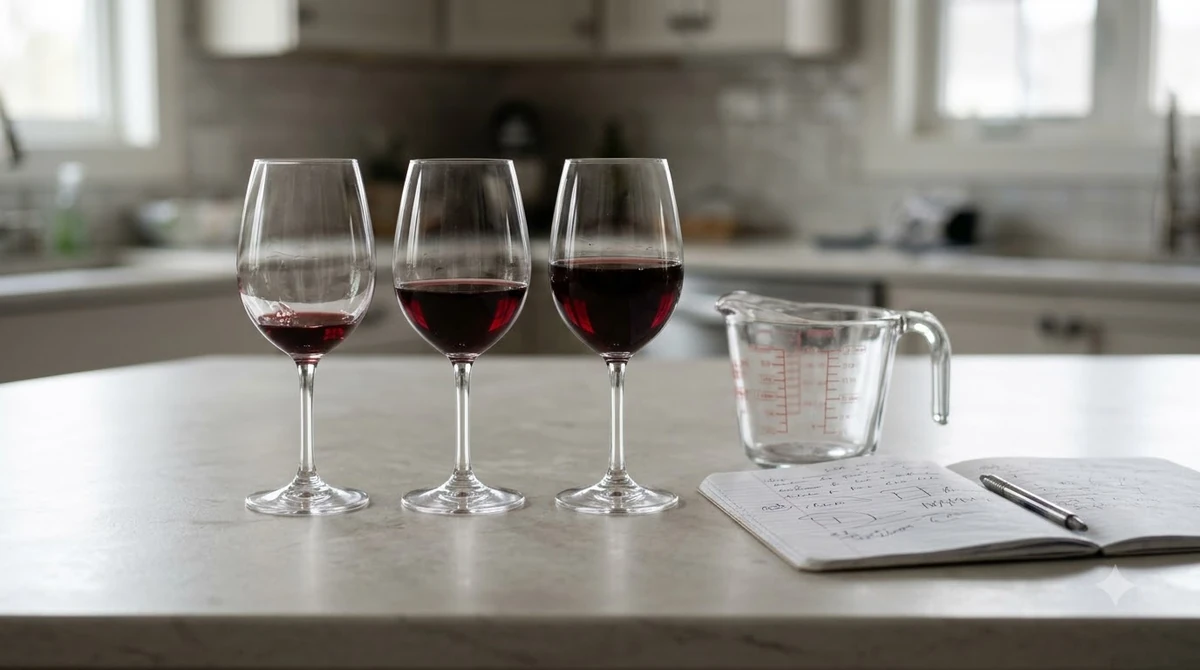
Ruby Port is a dependable choice for a dense chocolate layer cake, fudge cake, or brownie-like slice. Its ripe berry and dark-fruit character can echo chocolate, and its sweetness is better equipped to meet a sugary crumb and frosting than a dry Cabernet Sauvignon. A late-harvest red or a sweet red wine can serve a similar role when Port feels too strong.
Banyuls, a fortified sweet wine from Roussillon in southern France, is another strong option for dark chocolate. Decanter notes that Banyuls can work particularly well with darker chocolate, while some fresher reds with generous fruit and gentler tannins can also pair with cocoa. Explore the discussion in Decanter’s guide to matching wine with chocolate. For a cake with very sweet milk-chocolate frosting, look for a wine with more obvious sweetness than a dry red.
Dark chocolate, espresso, and black cherry fillings give you room to choose wines with deeper flavors. A small portion of flourless chocolate cake may pair well with a sweeter red, while a lighter chocolate chiffon cake can work with a less concentrated dessert wine. If the cake includes raspberries, cherries, or orange zest, select a wine with a similar fruit note so the fruit becomes a bridge between the glass and the plate. For more options by cocoa style and cake richness, see what wine goes with chocolate cake; the key variables are cocoa, sugar, frosting, and filling.
Fruit and Citrus Cakes Call for Freshness
Fruit cakes often have a lighter texture and sharper flavors than chocolate or caramel cakes, so choose a wine with bright acidity, fresh fruit character, and enough sweetness for the finished dessert. Riesling and Moscato are useful starting points because they can combine aromatic fruit with freshness.
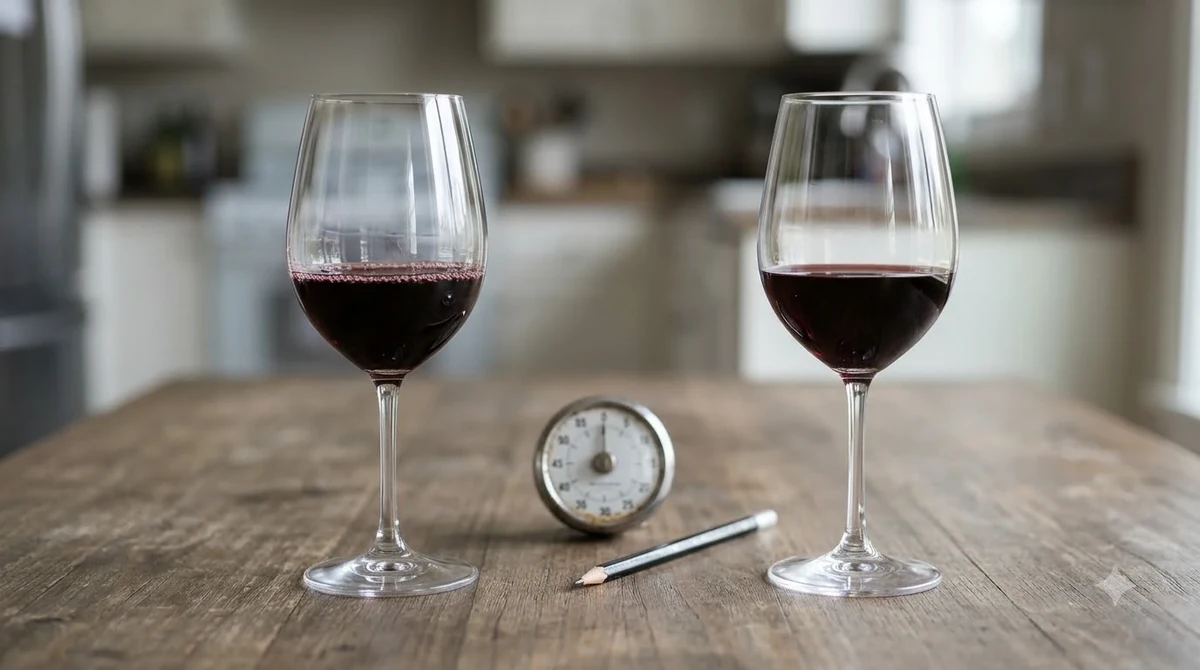
Apple cake, pear cake, and cinnamon-apple loaf pair well with off-dry Riesling. Its orchard-fruit character follows the fruit in the cake, while its acidity can balance butter and a modest amount of sugar. A late-harvest Riesling is a better choice when the cake is more dessert-like, with a thick glaze, caramelized apples, or sweet streusel.
Lemon cake and citrus loaf need both sweetness and acidity. Moscato d’Asti is a natural option for a soft lemon cake because its gentle fizz and aromatic fruit bring lift, but a sweeter Riesling or Chenin Blanc can work with a denser lemon layer cake. The wine should not be bone dry: lemon juice already gives the dessert a sharp edge, and an overly dry wine can seem austere beside sugary glaze.
Berry cakes and strawberry shortcake can pair with demi-sec sparkling wine, Moscato, or a lightly sweet rosé. Bubbles refresh the palate between bites of whipped cream, while red-fruit aromas echo strawberries, raspberries, and cherries. A dry sparkling wine is more plausible with fresh, unsweetened berries than with cake and sweetened cream, because the cake raises the dessert’s overall sugar level. Also consider the topping: tart raspberry compote calls for acidity, while canned peaches, strawberry jam, or thick fruit glaze increase the need for sweetness. With citrus and cream together, a sweet wine with lively acidity is usually more versatile than a heavy fortified red.
Carrot, Spice, Red Velvet, and Nut Cakes
Warm spices, toasted nuts, cocoa, and tangy cream cheese create several different pairing paths. Choose a wine that mirrors the cake’s strongest flavor while staying sweet enough for the frosting and crumb.
Carrot cake often contains cinnamon, nutmeg, walnuts, raisins, and cream cheese frosting. Tawny Port and Madeira are good starting points because their dried-fruit, nutty, and caramel notes complement spice and toasted nuts; a sweet Muscat can suit a lighter cake with a thin layer of frosting. For more detail, see what wine goes with carrot cake. Gingerbread and cinnamon cake need similar aromatic intensity: Tawny Port, Madeira, and some sweet Sherry styles can echo molasses, toasted nuts, dried orange, and baking spice. Choose a sweeter style for heavily iced cake, or a less-sweet nutty wine for plain ginger loaf.
Red velvet cake sits between vanilla and chocolate: its cocoa is usually restrained, while cream cheese frosting adds tang and richness. Brachetto, a lightly sparkling sweet red from Italy, brings red-cherry and berry flavors without Port’s weight. A fruit-forward Merlot or Cabernet blend may suit a less-sweet version, but dry red is less reliable with thick frosting because the sugar can make tannin and acidity seem harder. For a closer look, compare what wine goes with red velvet cake.
Almond, hazelnut, and pecan cakes work with nutty dessert wines such as tawny Port, Madeira, or Vin Santo, whose flavors can echo toasted nuts and caramelized crust. A honeyed late-harvest white can be better for almond sponge with poached pear or apricot, where fruit is more prominent than roasted-nut flavor.
Frosting, Serving Temperature, and Pour Size Matter
Frosting can change a cake pairing more than the sponge does, especially when it adds sugar, fat, or tang. Serve the wine at a temperature that preserves its freshness, and use smaller dessert pours so guests can enjoy the cake without overwhelming the plate.
Buttercream adds sweetness and richness. Vanilla buttercream, chocolate ganache, and American-style frosting can push the dessert’s sweetness well above that of the cake itself. Choose a wine with enough residual sugar to meet the frosting; a demi-sec sparkling wine may work with a lightly frosted sponge, while ruby Port or a richer sweet wine is better suited to chocolate buttercream. Bubbles and acidity can provide contrast, but neither makes a dry wine taste sweet enough.
Cream cheese frosting adds tang. Its acidity gives the pairing a different shape from buttercream. A sweet wine with refreshing acidity can complement the tang while matching the sugar. Late-harvest Riesling, sweet Chenin Blanc, or a fruity sweet red may work, depending on the cake. The more lemon juice or citrus zest in the frosting, the more important it is to choose a wine with equally lively acidity.
Serve the wine cool, not icy. Sweet white wines are generally most expressive around 43–50°F; light whites and rosé are commonly served at 45–50°F, sparkling wine at 40–50°F, light reds at 55–60°F, and fuller reds at 60–65°F. Chilling a sweet wine can keep its sweetness from feeling heavy, but serving a red too cold can mute its fruit. A standard tasting pour is about 5 ounces, and a 750 ml bottle provides roughly five such glasses; for dessert, a smaller 2–3 ounce pour is often more practical with Port or another concentrated fortified wine. Opened still wine generally keeps 3–5 days in the refrigerator, while sparkling wine is best used within 1–3 days with a proper closure.
Tip: Taste the cake first, including its frosting, then take a small sip of wine. If the wine suddenly tastes sour, thin, or bitter, choose a sweeter style; if it overwhelms the cake, move to a lighter-bodied wine with similar sweetness.
For a celebration with several cakes, offer sweet sparkling wine with lighter fruit cakes and a richer red dessert wine for chocolate or spice. Dry wine suits less-sweet cakes more readily than thick frosting; for broader guidance on balancing food and wine, the Wine Pairing basics cover acidity, sweetness, and texture.
Frequently Asked Questions
Can you serve Cabernet Sauvignon with cake?
Yes, particularly with a less-sweet red velvet cake or dark chocolate cake that has restrained frosting. Cabernet Sauvignon generally has high tannin, so a sugary cake can make its structure seem more severe. A fruit-forward, softer red or a sweet red is usually easier with a very sweet slice.
Is Prosecco a good wine for cake?
It can be, provided the sweetness level suits the cake. Prosecco is made primarily from Glera and is commonly produced by the tank method, with many examples around 11–12% alcohol by volume. A sweeter Extra Dry or Dry bottling is more promising with fruit cake than a very dry Brut with sugary buttercream.
What wine should you serve with cheesecake?
Cheesecake pairs well with sweet Riesling, Moscato, or a honeyed dessert wine when the topping is sweet. Lemon or berry toppings favor wines with bright acidity, while caramel, pecan, or baked nut toppings can work with tawny Port or Madeira. A plain cheesecake has less sugar than one finished with a thick fruit compote.
Does dry Champagne go with birthday cake?
Dry Champagne is more successful with savory snacks or lightly sweet fruit than with heavily frosted birthday cake. The traditional sweetness scale for sparkling wine runs from Brut Nature and Extra Brut through Brut, Extra Dry, Dry, Demi-Sec, and Doux. For sweet cake, Demi-Sec or Doux is generally a safer match than Brut.
Can nonalcoholic wine be paired with cake?
Yes. Choose a nonalcoholic sparkling drink or wine alternative with noticeable fruit and enough sweetness to meet the cake, especially when serving chocolate or buttercream. Very dry, tart alternatives can taste sharper beside frosting, so the same sweetness rule still applies.
The best wine for cake is the one that matches the sweetness and weight of the entire slice, including the filling and frosting. Start with Moscato or demi-sec sparkling wine for lighter fruit cakes, and move toward Port, Madeira, or other rich dessert wines for chocolate, nuts, and spice. A thoughtful match makes the final course feel complete without making either the cake or the wine disappear.
More in Food & Wine Pairing
 Risotto With White Wine Recipe: Make a Creamy Dinner at HomeUpdated Nov 20, 2026
 Wassail With Wine Recipe for a Festive Spiced Holiday DrinkUpdated Nov 20, 2026
 Spritz Veneziano Recipe: Make a Classic Venetian Aperitivo at HomeUpdated Nov 20, 2026
 Summer Wine Punch Recipe for Easy Homemade EntertainingUpdated Nov 20, 2026
 Bishop Recipe: How to Make a Bright, Citrus-Forward Red Wine CocktailUpdated Nov 20, 2026
 Wine Cupcakes Recipe: Bake Rich Chocolate Cupcakes at HomeUpdated Nov 20, 2026