


We may earn a commission when you buy through links on this page, at no extra cost to you. Learn more.
What meat goes with white wine? Chicken, turkey, pork, veal, and rabbit are excellent choices, while certain beef, lamb, and duck dishes can also work with the right white wine. The best pairing depends on the meat’s flavor, fat content, cooking method, and sauce. Sauvignon Blanc suits lighter herb-seasoned dishes, Chardonnay complements creamy preparations, and Riesling works particularly well with spicy or slightly sweet seasonings. Matching the wine to the finished dish rather than following a strict red-meat-versus-white-meat rule gives you many more possibilities.
White wine is not limited to fish, shellfish, and vegetarian meals. Its acidity, fruit character, and range of body make it a useful companion for poultry, pork, and several richer meat preparations. Even beef and lamb can work when the dish has a lighter preparation, a creamy sauce, or seasonings that complement the wine. Understanding a few grape varieties and pairing principles makes it easier to choose a bottle for an everyday chicken dinner, a holiday turkey, or a weekend pork roast.
Chicken and Turkey Are the Easiest Meat Pairings
Chicken and turkey are among the most dependable meats to serve with white wine because their relatively mild flavors allow the wine’s fruit, acidity, and texture to come through. Sauvignon Blanc, Pinot Grigio, and Chardonnay are three particularly useful choices, depending on the preparation.
For simply roasted chicken, start with Chardonnay or Sauvignon Blanc. An unoaked Chardonnay brings apple, citrus, and a rounded texture without overpowering the meat. Sauvignon Blanc offers brighter acidity and herbal character, making it especially suitable for chicken seasoned with parsley, thyme, rosemary, or lemon.
Turkey also works with these varieties. Roasted turkey breast has a relatively delicate flavor, so Pinot Grigio or a restrained Chardonnay can complement it without dominating the meat. For a larger holiday dinner with stuffing, gravy, and buttery side dishes, a fuller Chardonnay or dry Riesling offers enough flavor to accompany the more substantial plate.
The cooking method makes a noticeable difference. Grilled chicken develops smoky, browned flavors that can stand up to a fuller white wine, including an oak-aged Chardonnay. Poached chicken and lightly sautéed chicken generally benefit from more restrained wines. Fried chicken, meanwhile, pairs nicely with crisp Sauvignon Blanc or dry sparkling wine because acidity and bubbles refresh the palate between bites.
Chicken dishes and useful wine choices
- Roast chicken: Chardonnay, Sauvignon Blanc, or Chenin Blanc.
- Lemon chicken: Sauvignon Blanc or dry Riesling.
- Grilled chicken: Fuller Chardonnay or Viognier.
- Chicken Alfredo: Oaked Chardonnay or Chenin Blanc.
- Fried chicken: Pinot Grigio or Brut sparkling wine.
- Roast turkey: Chardonnay, Pinot Grigio, or dry Riesling.
These choices reflect the same general principle used by the International Wine & Food Society, which lists Chardonnay with roast chicken, grilled chicken, and Chicken Alfredo, and recommends Sauvignon Blanc with chicken and turkey. For additional inspiration, its white wine pairing recommendations include several poultry preparations.
Pork Chops, Tenderloin, and Ham Work With Several White Wines
Pork is one of the most versatile meats for white wine because its naturally mild flavor can accommodate crisp, aromatic, and fuller-bodied styles. Sauvignon Blanc, Riesling, Chardonnay, and Gruner Veltliner are particularly useful, with the best choice depending on whether the pork is grilled, roasted, braised, or served with a sweet or creamy sauce.
For grilled pork chops, choose a white wine with enough acidity and fruit to complement the browned exterior. Sauvignon Blanc works well with garlic, fresh herbs, and lemon. Gruner Veltliner is another good option, particularly when the pork has a peppery seasoning or a light vegetable accompaniment.
Pork tenderloin is leaner and more delicate than many pork shoulder or belly preparations. It pairs well with Pinot Grigio, dry Riesling, and unoaked Chardonnay. If the tenderloin is served with apples, pears, or a fruit-based glaze, a slightly off-dry Riesling can complement the natural sweetness of the dish.
For pork cooked with cream, butter, or mushrooms, try fuller Chardonnay or Chenin Blanc. Their texture can match the richness of the sauce, while sufficient acidity prevents the combination from becoming too heavy. A medium-dry Vouvray is another option for pork with a mild spice rub or creamy preparation.
Match the wine to the pork preparation
- Grilled pork chops: Sauvignon Blanc or Gruner Veltliner.
- Roasted pork tenderloin: Chardonnay or Pinot Grigio.
- Pork with apples: Off-dry Riesling.
- Pulled pork: Riesling or Gewürztraminer, depending on the sauce.
- Creamy pork dishes: Chardonnay or Chenin Blanc.
- Baked ham: Riesling or a fruit-forward Chardonnay.
- Pork schnitzel: Gruner Veltliner or dry Riesling.
Ham deserves special consideration because its saltiness and sometimes sweet glaze create a different pairing challenge from plain pork. A fruity Riesling can complement the sweet-and-salty combination, while a crisp white wine helps refresh the palate. For heavily glazed ham, avoid choosing a completely austere wine that may taste unusually sharp beside the sweet coating.
For more guidance on selecting wines for different meals, the Wine Q&A section offers a useful starting point for understanding wine styles and basic food-pairing principles.
Veal and Rabbit Suit Elegant, Light-Bodied White Wines
Veal and rabbit have relatively delicate flavors that make them natural candidates for white wine. Unoaked Chardonnay, Sauvignon Blanc, Pinot Grigio, and Chenin Blanc can all work, depending on the sauce and cooking method.
Veal piccata is a particularly good example of a dish that benefits from a crisp white wine. The lemon, capers, and light pan sauce create a combination of acidity and saltiness that works with Sauvignon Blanc or Pinot Grigio. A dry Italian white such as Gavi is another suitable choice when you want a restrained, refreshing pairing.
For breaded veal cutlets, including Wiener schnitzel, choose a wine with lively acidity. Gruner Veltliner is a strong option because its freshness complements the crisp coating and does not overwhelm the delicate meat. Dry Riesling can also work with a schnitzel served with lemon.
Rabbit is equally accommodating. Rabbit cooked with mustard, white wine, or fresh herbs can pair with unoaked Chardonnay or Chenin Blanc. A creamy rabbit stew may need a fuller white, whereas rabbit roasted with garlic and rosemary can work with Sauvignon Blanc or a medium-bodied Chardonnay.
Consider the sauce and cooking method
Mustard-based preparations usually benefit from freshness and acidity. Cream-based preparations need more body, while slow-braised rabbit can accommodate a richer white wine with enough flavor to accompany the concentrated cooking juices. The International Wine & Food Society specifically includes rabbit with mustard sauce among its suggested pairings for unoaked Chardonnay and Chablis.
Veal also demonstrates why the meat alone cannot determine the wine. A lightly grilled veal chop and veal served with a rich mushroom cream sauce may need very different bottles. The first can work with a crisp white, while the second is better suited to a rounded Chardonnay or Chenin Blanc.
Duck, Beef, and Lamb Can Work With White Wine
White wine can accompany some red meats, although these combinations require more attention to preparation and flavor intensity. Duck, lightly cooked beef, and certain lamb dishes are possible matches, particularly when the sauce, seasoning, or cooking technique creates a bridge to the wine.
Duck is a useful starting point because it has a richer flavor and higher fat content than chicken. Roasted duck with orange sauce can work with off-dry Riesling, which combines fruit, acidity, and a touch of sweetness. Viognier is another possibility for duck prepared with aromatic herbs or mild spices. Gewürztraminer can suit duck served with fruit-based or mildly spicy sauces.
Beef requires more careful selection. A heavily charred steak with a peppercorn crust is generally better suited to a structured red such as Cabernet Sauvignon. However, beef carpaccio, lightly cooked beef, and thinly sliced beef served with an acidic dressing can work with certain whites. Gavi and other crisp Italian whites are useful options when the preparation is delicate and the seasoning is restrained.
White wine can also complement some lamb preparations. Lamb served with yogurt, lemon, fresh herbs, or mild spices may pair with a fuller Chardonnay or aromatic Viognier. A lamb dish with apricot or other fruit-based ingredients can work with an off-dry Riesling. By contrast, heavily grilled lamb with rosemary, pepper, and concentrated meat juices will usually need a more powerful wine, often a red.
The International Wine & Food Society includes white wines with some richer meat preparations, including Viognier with braised veal and aromatic dishes. These examples demonstrate that meat color is only one part of the decision.
One important distinction concerns tannin. Cabernet Sauvignon has high tannin, while Pinot Noir generally has lower to medium tannin and higher acidity. White wines contain little or no significant grape-skin tannin in most conventional winemaking styles, so they rely more heavily on acidity, body, fruit, and texture to accompany meat.
Choose the White Wine by Sauce, Seasoning, and Texture
The sauce often matters more than the type of meat. A chicken breast with lemon and herbs is a different pairing from chicken breast in a thick cream sauce, even though the main ingredient is identical. Looking at the complete plate helps identify the wine style that will work best.
Start by considering the main flavor. Citrus, vinegar, and other acidic ingredients generally need a wine with equal or higher acidity. Cream, butter, and rich cooking juices benefit from a wine with enough body to stand alongside them. Sweet glazes call for fruit-forward wines, while spicy preparations often benefit from a little residual sweetness.
White wine recommendations by sauce
| Meat preparation | Suggested white wine | Pairing reason |
|---|---|---|
| Lemon chicken | Sauvignon Blanc | Bright acidity complements citrus and herbs. |
| Chicken Alfredo | Chardonnay | Fuller texture suits cream and butter. |
| Roast turkey | Dry Riesling | Fresh acidity complements poultry and savory sides. |
| Grilled pork chops | Gruner Veltliner | Freshness complements browned meat and seasoning. |
| Pork with apple glaze | Off-dry Riesling | Fruit character complements the sweet glaze. |
| Veal piccata | Pinot Grigio | Light body suits delicate meat and lemon sauce. |
| Roast duck with orange | Viognier | Aromatic fruit complements rich meat and citrus. |
| Rabbit in mustard sauce | Unoaked Chardonnay | Moderate body complements the sauce without overpowering the meat. |
| Spicy chicken curry | Off-dry Riesling | Some sweetness balances the heat. |
| Lightly prepared beef carpaccio | Gavi | Delicate texture and freshness suit the preparation. |
These are starting points rather than strict rules. The exact seasoning, cooking technique, and wine style can change the result. For example, an oaked Chardonnay can taste fuller and richer than an unoaked version made from the same grape, so the grape name alone does not tell you everything.
Spicy food needs special attention. Chili heat can become more pronounced when paired with wines high in alcohol or tannin. A slightly sweet Riesling or Gewürztraminer is generally a better choice for spicy chicken, pork curry, or duck with a hot sauce than a powerful, dry white with substantial alcohol.
Tip: If you are unsure which white wine to serve, begin with the sauce. Choose Sauvignon Blanc for lemon and herbs, Chardonnay for cream and butter, and off-dry Riesling for sweet or spicy seasonings. Then adjust the wine’s body to match the richness of the meat.
Texture is another useful consideration. Light wines can disappear beside rich, heavily seasoned dishes, while very full-bodied whites may overpower simply prepared chicken or veal. A medium-bodied Chardonnay or Chenin Blanc is often a practical middle ground for meals that combine several textures and flavors.
Serving Temperature and Portion Size Make a Difference
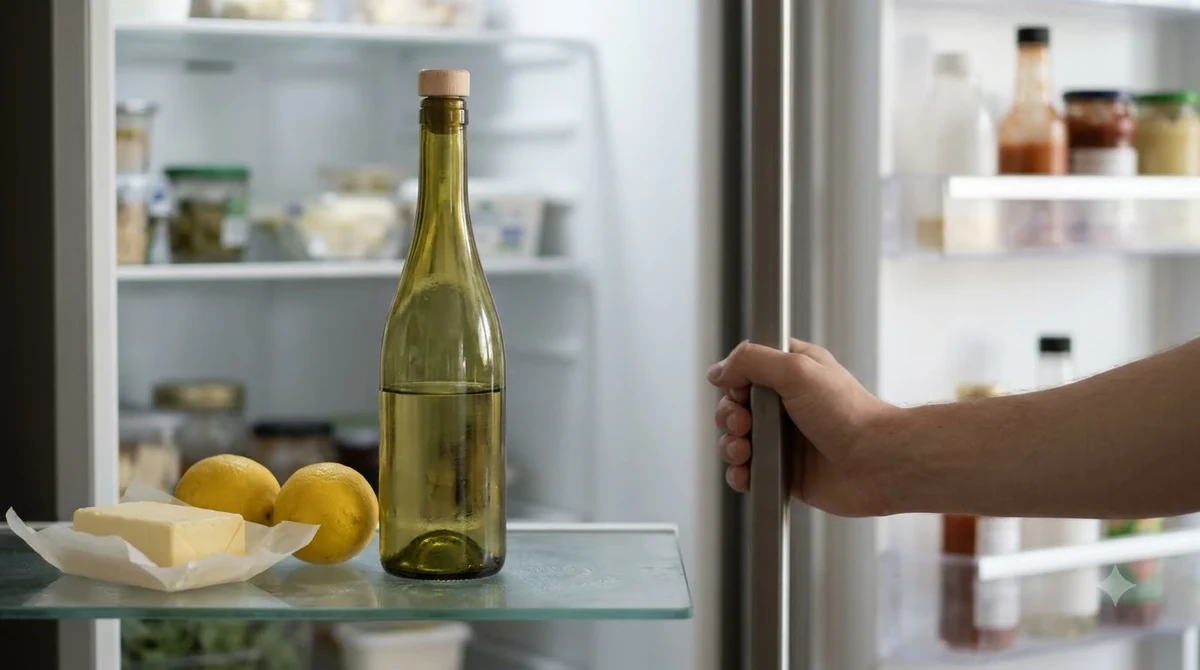
Even a suitable pairing can seem less successful if the wine is served at the wrong temperature. White wine that is too cold can lose much of its aroma, while warm white wine may taste heavier and less refreshing than intended. Serve the bottle according to its style rather than treating every white wine the same way.
Light whites such as Pinot Grigio and Sauvignon Blanc are generally best served between 45 and 50 degrees Fahrenheit. Fuller whites, including many Chardonnays, are better around 50 to 55 degrees Fahrenheit. Sweet white wines are commonly served around 43 to 50 degrees Fahrenheit.
These temperatures work well for the meat pairings discussed above. A chilled Sauvignon Blanc is refreshing alongside grilled chicken with lemon, while a slightly warmer Chardonnay allows its fuller texture and aromas to accompany roast turkey or creamy pork.
Practical serving guidelines
- Pinot Grigio: 45–50°F for chicken, veal, and lean pork.
- Sauvignon Blanc: 45–50°F for grilled chicken, turkey, and herb-seasoned meat.
- Chardonnay: 50–55°F for roast chicken, creamy sauces, and richer pork dishes.
- Riesling: 45–50°F for spicy chicken, glazed ham, and fruit-seasoned duck.
- Viognier: Approximately 50–55°F for aromatic preparations and richer poultry dishes.
A standard wine serving is 5 ounces, and a 750-milliliter bottle provides approximately five glasses. For a dinner with four guests, one bottle is usually enough if everyone has one glass with the main course. Two bottles provide more flexibility if guests want additional servings or if the meal includes multiple courses.
When planning a dinner, consider whether the wine needs to accompany appetizers as well as the main course. For example, Sauvignon Blanc can begin with a light appetizer and continue through a lemon-herb chicken dinner. Chardonnay may be a better choice when the meal centers on roast poultry and creamy side dishes. If the table includes several types of cheese, consider the suggestions in our guides to what cheese goes with white wine and what cheese goes with champagne.
Frequently Asked Questions
Can you serve white wine with a traditional Thanksgiving turkey?
Yes. Chardonnay, Riesling, and Pinot Gris are useful choices for a Thanksgiving meal. A medium-bodied white can accompany turkey alongside traditional sides such as cornbread stuffing, roasted carrots, and mashed potatoes. If cranberry sauce is particularly sweet, a fruity wine with a little residual sugar can be more accommodating than a very austere dry white.
Is white wine traditionally served with meat in France?
Yes. French dining traditions include white wines with poultry, veal, and regional meat dishes. White Burgundy, for example, can accompany roast poultry, while wines from Alsace offer options for pork and aromatic preparations. Regional cooking traditions provide many examples of successful white-wine-and-meat combinations.
Can sparkling white wine accompany a meat main course?
Yes. Dry sparkling wines such as Brut Champagne and traditional-method sparkling wines can accompany fried chicken, roast turkey, and lightly seasoned pork. Their carbonation provides a refreshing contrast to rich textures. Sparkling wines are generally served around 40–50°F, making them suitable for a chilled dinner-table pour.
Does the grape variety determine whether a white wine is dry?
No. Winemaking choices determine the final sweetness level, and the same grape can produce different styles. Riesling, for example, can range from bone-dry to noticeably sweet, while Chardonnay is commonly made in dry styles. Reading the sweetness description is more useful than assuming every bottle made from a particular grape tastes the same.
Can you use the same white wine for cooking and serving meat?
Yes, provided the wine is suitable for the dish and pleasant enough to drink. A dry Sauvignon Blanc or Chardonnay can be used in a pan sauce and served alongside the finished chicken or pork. Avoid relying on heavily sweetened cooking wines, which can change the balance of a sauce as the liquid reduces.
Chicken, turkey, pork, veal, and rabbit are excellent starting points for white-wine pairings, but duck and selected beef or lamb preparations offer additional possibilities. Focus on the sauce, seasoning, cooking method, and richness of the finished dish before choosing a bottle. With Sauvignon Blanc, Chardonnay, Riesling, and a few aromatic alternatives on hand, you can serve white wine confidently with a much wider range of meat dishes.
More in Wine Basics
 Which Rose Is Best for Your Taste, Budget, and Food PairingsUpdated Nov 21, 2026
 Is Cheap Wine Bad? How to Find Bottles Worth DrinkingUpdated Nov 21, 2026
 What To Write On A Wine Gift Tag: Thoughtful Messages For Every OccasionUpdated Nov 21, 2026
 Which Wine Is Best For Weight Loss? Compare Lower-Calorie ChoicesUpdated Nov 21, 2026
 What Is The Best Wine For Mimosas? Choose Bubbly That Balances Orange JuiceUpdated Nov 20, 2026
 Which Prosecco Is Best for Your Taste and OccasionUpdated Nov 20, 2026