

We may earn a commission when you buy through links on this page, at no extra cost to you. Learn more.
what is semillon? Semillon is a white wine grape that makes both dry, fresh wines and richly sweet dessert wines, depending on where it grows and how the grapes are handled. It is closely associated with Bordeaux in France, where it contributes to dry white blends and the famous sweet wines of Sauternes. In Australia, especially the Hunter Valley, it is bottled as a distinctive dry wine that can develop complex flavors over many years. Its range makes it useful to know whether you prefer crisp citrus, a rounded texture, or honeyed sweetness.
Semillon (also written Sémillon) can look understated in a young, unoaked bottle, yet its character changes substantially with climate, blending, winemaking, and bottle age. The best way to understand it is to compare its major regional styles rather than expect every bottle to taste the same.
The Semillon Grape and Its Bordeaux Roots
Semillon is a thin-skinned white grape with a long history in Bordeaux, southwestern France. It is valued for its generous texture and ability to make wines ranging from dry and structured to deeply sweet, and it often works alongside Sauvignon Blanc rather than appearing on its own.
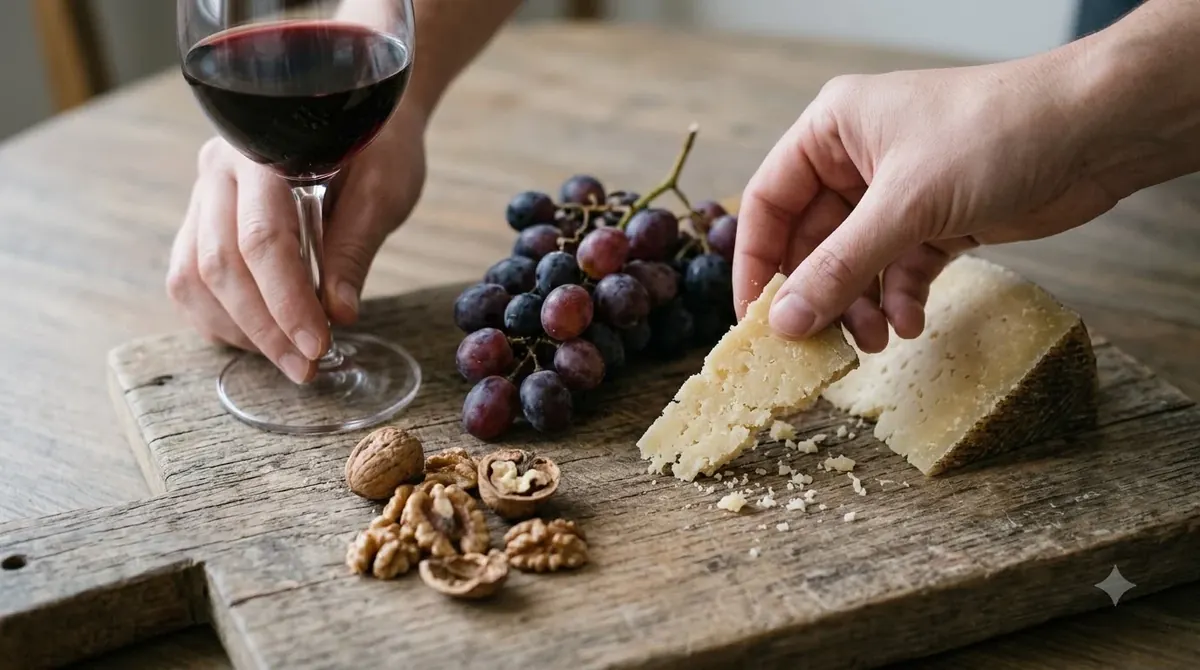
Wine Australia traces the variety’s origins to Bordeaux and describes it as adaptable to different climates. The Bordeaux wine trade association says Semillon accounts for 43% of the region’s white-grape plantings. That presence reflects the grape’s versatility: it can contribute body and breadth to a dry blend, or become the main component in a sweet wine made from grapes affected by noble rot. On the Bordeaux region’s Semillon grape profile, the contrast between sweet and dry expressions is clear: the same variety can be shaped by vineyard conditions and blending into very different wines. Its broad palate also gives winemakers a useful counterpoint to Sauvignon Blanc’s more vivid aromatic profile.
The grape’s relatively thin skin matters in the vineyard. In a humid autumn, the berries can be affected by Botrytis cinerea, a fungus known as noble rot. Under suitable conditions, the fungus dehydrates the berries and concentrates their sugars and aromas. The result is not ordinary spoiled fruit but a concentrated raw material for a sweet wine, provided the vineyard conditions and harvest are carefully managed.
Semillon is not defined by one signature level of sweetness or one aroma. A bottle labeled Semillon may be bone-dry, medium-bodied and lightly citrusy, or luscious and dessert-sweet. Its naturally ample palate can also make a dry wine feel broader than a similarly light Sauvignon Blanc, while acidity and freshness vary with climate and picking decisions.
What Semillon Tastes Like
Semillon’s flavor depends on its origin and age, but citrus, orchard fruit, a waxy texture, and hints of honey are useful reference points. Young dry examples can be restrained rather than overtly perfumed; mature or sweet versions tend to show more layered fruit and savory detail.
In a fresh, unoaked style, look for lemon, lime, green apple, quince, and sometimes subtle herbs or grass. The palate can feel smooth or slightly waxy, with a rounded middle rather than sharp, overtly aromatic intensity. A dry Semillon-Sauvignon Blanc blend may add grapefruit, fresh herbs, and a firmer citrus line from the Sauvignon Blanc, while Semillon supplies weight and texture. That balance explains why the blend can seem both rounded and refreshing: one grape brings breadth, while the other often contributes aromatic lift. The exact impression depends on the proportion of each variety, the climate, and whether the winemaker uses stainless steel or oak.
With bottle age, some dry Semillons move away from primary citrus toward fig, toast, honey, straw, beeswax, and roasted-nut notes. This evolution is especially well known in the Hunter Valley, where the traditional wine is made without oak; the developed toast-like character comes from bottle maturation rather than barrel flavor. The wine can gain a broader impression on the palate while retaining freshness.
Sweet Semillon offers a different experience. Noble-rot wines can show apricot, pear, quince, mango, honey, and floral notes, with a dense, silky texture and a long finish. Their sweetness is balanced by acidity, which helps keep the wine from seeming merely sugary. For more detail on aroma and texture, see these Semillon tasting notes.
Dry, Sweet, and Blended Styles
Semillon is not automatically sweet: it can be fermented to dryness or made into a dessert wine. The final style depends on harvest ripeness, the presence of noble rot, and the winemaker’s choices about fermentation, blending, and aging.
Dry Semillon is common in Australia and in the white wines of Bordeaux. In Bordeaux, Semillon is often blended with Sauvignon Blanc, and sometimes Muscadelle in sweet wines. Sauvignon Blanc contributes aromatic lift and acidity, while Semillon adds breadth and a rounded texture. Dry versions may be stainless-steel fermented for a clean, fresh profile or fermented and matured in barrels for added richness and spice.
Sweet Semillon is most famously associated with Sauternes and Barsac in Bordeaux. In these areas, autumn humidity can encourage noble rot, and growers pick affected berries in successive passes as they reach the desired concentration. The resulting wine is intensely sweet, but good acidity gives it shape and keeps the finish lively. Cadillac is another Bordeaux area known for sweet white wines made with Semillon.
To decide whether a bottle suits your preference, use the region and style description as clues rather than assuming the grape name tells you the sweetness. A dry Hunter Valley Semillon and a botrytized Sauternes can share the same principal grape yet taste almost like different categories of wine. This guide to whether Semillon is sweet or dry explains the distinction in practical terms.
Where Semillon Grows Around the World
Bordeaux and Australia are the two essential reference points, but they showcase very different sides of the grape. Bordeaux is known for both sweet wines and dry blends, while Australia’s Hunter Valley has made a name for high-acid, low-alcohol dry Semillon that rewards bottle age.
In Bordeaux, Sauternes and Barsac are associated with sweet, botrytized Semillon. Dry white Bordeaux is commonly linked with Graves and Pessac-Léognan, where Semillon is blended with Sauvignon Blanc and may be barrel-fermented. The Bordeaux regional body identifies gravel, clay-limestone, and shallow limestone soils among the settings for sweet styles, particularly in Sauternes, Barsac, and Cadillac.
The Hunter Valley in New South Wales produces a distinctive dry style. The grapes are harvested early, fermented to dryness in stainless steel, and bottled young. Wine Australia describes young examples as light and lemony with high acidity; after roughly 6 to 8 years, they can develop fig, toast, and honey character. It says some can age gracefully for 40 years or more, although that kind of longevity depends on the individual wine and good storage.
Other Australian regions offer different expressions. The Barossa Valley makes both richer, riper, oak-aged Semillon and lighter, crisper unoaked versions. In Margaret River, Semillon is commonly blended with Sauvignon Blanc; some wines are fresh and unoaked, while more age-worthy versions may be fermented or matured in oak. Beyond Australia, New Zealand’s cooler maritime conditions can bring out grassy notes, and Semillon is also grown in South Africa and parts of the Americas. Australian production is not uniform either: Wine Australia notes that more than half of the country’s Semillon comes from the Riverina, while Hunter Valley, Barossa Valley, and Margaret River are especially useful places to compare distinct regional styles. Its Semillon regional overview describes both the fresh stainless-steel approach and the richer barrel-fermented options.
Serving Temperature and Food Pairings
Serve Semillon cool enough to keep its freshness but not so cold that its texture and aromas disappear. A light, young dry bottle generally suits 45 to 50°F, while a fuller barrel-aged white can show better at 50 to 55°F; sweet Semillon is usually best around 43 to 50°F.
Its food matches depend on sweetness and weight. Dry Semillon is a natural partner for oysters, shellfish, white fish, roast or poached chicken, salads, and goat or sheep’s-milk cheeses. A bright young Hunter Valley bottle works particularly well with fresh oysters or simply grilled prawns because its acidity refreshes the palate without overwhelming delicate seafood. Other good choices include scallops, steamed mussels, sushi with mild toppings, and fish tacos without heavy chile heat. Match the wine’s delicacy to the dish: lightly seasoned seafood leaves room for lemon and fresh-herb flavors to show.
For a richer dry Semillon or a Bordeaux white blend, try roast chicken, turkey, creamy vegetable dishes, or fish with a butter-based sauce. The added body can stand up to a more substantial preparation. Avoid pairing a strongly tannic red with oily fish; Semillon is a white wine and is generally a more suitable choice for delicate fish dishes.
Sweet Semillon calls for food that is no sweeter than the wine. Try fruit tart, poached pear, apricot pastries, or a salty blue cheese, where sweetness and salt provide contrast. A small serving alongside a cheese course can work especially well because salt softens the impression of sweetness and keeps the pairing from feeling heavy. For fruit desserts, choose preparations with restrained sugar and enough acidity to echo the wine’s freshness. A dessert that is sweeter than the wine can make the wine taste thin or sour, so choose the wine first and match the dish to it.
| Semillon style | Serving temperature | Food to try |
|---|---|---|
| Young, light dry Semillon | 45–50°F | Oysters, prawns, salads |
| Fuller, barrel-aged dry Semillon | 50–55°F | Roast chicken, creamy fish dishes |
| Sweet, botrytized Semillon | 43–50°F | Fruit tart, blue cheese, apricot dessert |
For a standard pour, use about 5 ounces; a 750 ml bottle provides roughly five glasses. Chill a dry bottle in the refrigerator before serving, then let it warm slightly in the glass if it seems too quiet aromatically. Sweet wines are often served in smaller pours because their concentration makes a little go a long way.
Tip: Do not serve every Semillon ice-cold. Start a young dry bottle near 45°F and a richer or oak-aged version closer to 50°F, then adjust the next glass to suit the wine and the room.
How Semillon Ages in the Bottle
Some of Semillon’s most interesting dry wines are designed to change with time. The classic Hunter Valley style can seem delicate and lemony when young, then develop honeyed, toasty, and fig-like notes while keeping a fresh line through the finish.
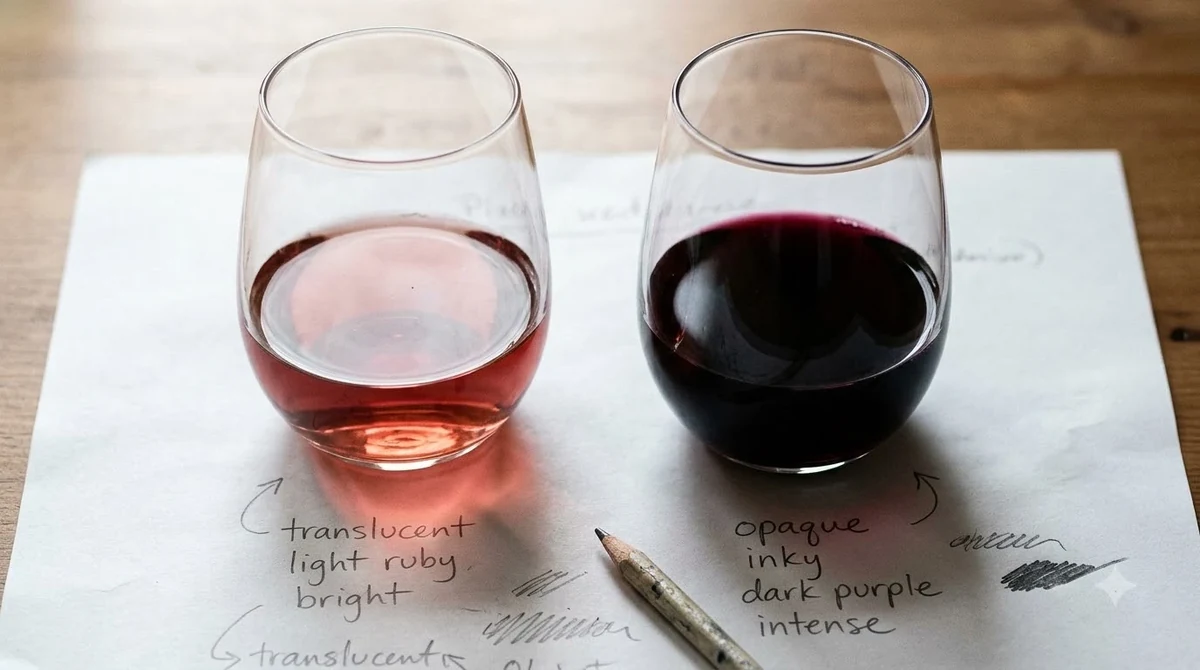
Wine Australia identifies a 6-to-8-year period as a point when Hunter Valley Semillon can show more complex fig, toast, and honey character. Decanter also describes the region’s wines as developing buttered-toast character with age. These notes do not mean the wine has been aged in oak: traditional Hunter Semillon is usually unoaked, so the mature aromas come from time in the bottle.
Not every Semillon should be held for decades. The ability to age depends on the producer, vintage, acidity, alcohol, winemaking, closure, and storage conditions. A crisp, inexpensive bottle intended for early drinking is best enjoyed young; a structured Hunter Valley example from a producer known for cellar-worthy wines may reward patience. A mature bottle should show more complexity, not simply faded fruit or tired aromas.
Store bottles on their side in a cool, dark place near 55°F if they have a traditional cork. Keep the temperature steady and avoid sunlight or repeated heat swings. After opening, put the bottle in the refrigerator and aim to finish a still Semillon within 3 to 5 days. A young, full-bodied red may benefit from 30 to 60 minutes of decanting, but that rule does not normally apply to Semillon; simply open the white and pour it at the right temperature. A useful comparison is to open a fresh bottle now and save a second bottle from the same producer for a later occasion, rather than keeping the only bottle past its best drinking window. The side-by-side difference can make the role of age easier to recognize: lemon and green apple may give way to honey, toast, and a broader texture without the wine becoming sweet. For more grape introductions and styles, browse Wine by Type.
Frequently Asked Questions
These five answers clarify the grape’s spelling, regional flavor differences, historical names, vineyard challenges, and the unusually small yields possible in sweet Bordeaux wines.
Is Sémillon spelled with an accent?
Both spellings are used: Sémillon is the French form, while Semillon is common in English-language markets. Decanter notes that the accent is often dropped outside France, so the two spellings usually refer to the same grape.
Can Semillon taste grassy?
Yes. Decanter describes grassy and asparagus-like notes in Semillon from cooler maritime climates such as New Zealand. Those aromas are a regional expression, not a sign that the wine is defective.
Does Semillon have other names?
Bordeaux.com lists several historical or regional synonyms, including Chevrier and Mansois, as well as Semin(i)on in Bulgaria. These names are useful to recognize in grape references, although Semillon is the name most familiar to many wine drinkers.
What vineyard conditions can challenge Semillon?
The Bordeaux wine trade body notes that Semillon can be sensitive to spring frosts and summer drought. The timing and severity of those conditions can affect fruit development and the final character of the wine.
Why is sweet Semillon sometimes made in tiny quantities?
Bordeaux.com explains that a vine used for a concentrated liquoreux wine may yield barely a glass, compared with a full bottle from a vine used for dry wine. Noble rot dehydrates the berries, and selective harvesting leaves much less juice to ferment.
Semillon is a rewarding grape to explore because one name covers crisp, dry whites, textured Bordeaux blends, age-worthy Hunter Valley wines, and intensely sweet Sauternes. Start with a young dry bottle to learn its citrus character, then compare it with a mature or sweet example to see how much the grape can change.
More in Wine Types & Grapes
 Zinfandel Sugar Content: Dry Red vs. White Zinfandel GramsUpdated Nov 21, 2026
 Best Zinfandel Substitute Options for Sipping and CookingUpdated Nov 21, 2026
 Zweigelt Food Pairing: Best Dishes, Cheeses, and Serving TipsUpdated Nov 21, 2026
 Zinfandel Tannins Explained: How Structure Shapes Every BottleUpdated Nov 21, 2026
 Zinfandel Sweetness Level: Dry Red vs. Sweet White Zin ExplainedUpdated Nov 21, 2026
 Xinomavro Food Pairing: Best Dishes, Styles, and Serving TipsUpdated Nov 21, 2026