

We may earn a commission when you buy through links on this page, at no extra cost to you. Learn more.
For readers comparing white grapes, semillon tasting notes typically point to lemon, green apple, quince, and a waxy texture in dry wines, with honey and toast appearing as some bottles mature. The grape can make crisp, light-bodied whites, richer barrel-fermented blends, and intensely sweet wines shaped by noble rot. Its character changes noticeably with climate, harvest timing, oak, and bottle age, so the region and style are useful clues before the first sip.
Semillon (also written Sémillon) rewards attention to texture as much as fruit. A young Hunter Valley bottle can seem restrained beside Sauvignon Blanc, while a mature version may show an unexpectedly savory combination of fig, straw, honey, and toast. Bordeaux offers another perspective, ranging from dry blends with Sauvignon Blanc to sweet wines from Sauternes and Barsac. The notes below explain how to recognize those styles and describe them clearly.
The Core Profile: Dry, Textural, and Often Citrus-Led
Most dry Semillon is light to medium in body, with flavors that lean toward lemon, green apple, and quince rather than overt tropical fruit. Its signature waxy or lanolin-like texture gives the wine a rounded feel, even when the finish is brisk and citrus-driven.
Think of Semillon as a grape with a quiet aroma and a distinctive palate shape. A young, unoaked wine may smell of lemon peel, fresh-cut hay, white flowers, or green pear; the first impression can be subtle rather than strongly perfumed. In the mouth, the wine often feels broader and more tactile than its restrained nose suggests. That contrast is one of the clearest clues that the glass may contain Semillon.
There is no single acidity level that describes every bottle. Early-picked Hunter Valley Semillon can be sharply refreshing and high in acidity, while some Bordeaux examples have naturally lower acidity and use Sauvignon Blanc to add lift. Oak, ripeness, and harvest decisions change the balance further. For a broader overview of styles and grape categories, the site’s Wine by Type resource can help put Semillon beside other familiar white varieties.
Aroma and Flavor: Citrus, Orchard Fruit, and Age
The aroma profile usually begins with citrus and orchard fruit, then broadens into herbal, floral, and waxy notes. With bottle age or sweet-wine production, the fruit can shift toward fig, apricot, marmalade, honey, and baked or dried-fruit tones.
In a youthful dry wine, look first for lemon, lime, green apple, pear, and quince. These aromas can be joined by straw, hay, fresh herbs, grass, honeysuckle, or white flowers. The exact mix depends on climate: a cool-climate bottle may emphasize lemon and green apple, while a warmer site can show riper pear, yellow fruit, or a more rounded impression. Some tasters describe a faint wool-wax or lanolin note; it is a textural, savory marker rather than a sign that the wine is sweet.
Age changes the aromatic vocabulary. A bottle-aged Hunter Valley Semillon can move from fresh lemon and apple toward fig, toast, honey, straw, and sometimes a faint smoky or nutty edge. These are developed aromas, not necessarily evidence of oak, because classic Hunter examples are commonly matured in bottle without barrel influence. Sweet Sémillon affected by botrytis takes a different path: apricot, ripe pear, quince, marmalade, honey, spice, saffron, and smoke may appear together in a richer, more concentrated expression.
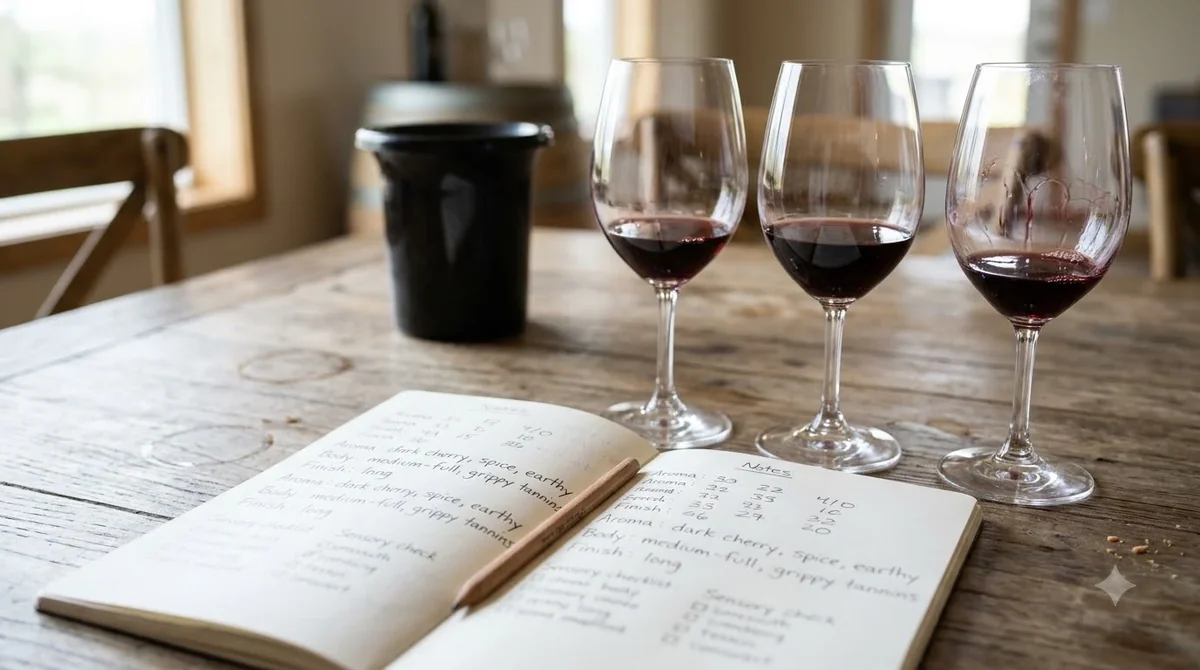
When writing a tasting note, separate fruit from non-fruit aromas. “Lemon and green apple” describes the fruit; “hay, wax, and honeysuckle” describes the supporting notes; “honey and toast” can signal development or a sweet, botrytized style. That simple order produces a more useful description than a long string of loosely related adjectives. If the wine also reminds you of Sauvignon Blanc, compare its aromatic profile with these sancerre tasting notes; Sancerre usually places more emphasis on Sauvignon Blanc’s high-toned citrus and herbal character.
Palate and Structure: Acidity, Body, and Finish
On the palate, Semillon is often more about shape than intensity: a rounded, sometimes waxy middle, moderate to lively acidity depending on the style, and a finish that can carry citrus, herbs, or honeyed complexity. A good note records sweetness, weight, acidity, texture, and finish separately.
Start with sweetness. Many dry Australian and Bordeaux whites are fermented to dryness, so ripe fruit aromas should not be mistaken for residual sugar. Sauternes and Barsac are a different category: botrytis concentrates grape sugars and flavors, resulting in a sweet wine with a viscous feel. Then assess body. Young Hunter Semillon is typically light, whereas barrel-aged Barossa Semillon and many dry white Bordeaux blends feel fuller and more rounded.
Next, assess acidity by how the wine behaves rather than by the first citrus impression. A lemony aroma does not automatically mean high acidity; the wine should make the mouth water and leave a clean, refreshing line through the finish. The Hunter Valley style is known for pronounced freshness, while Bordeaux Sémillon can be softer on its own and gain tension from Sauvignon Blanc. This difference is useful when comparing it with a highly aromatic white or a richer Chardonnay.
Texture is often the detail that makes the note specific. A waxy or lanolin-like feel can coat the middle of the palate without making the wine heavy. Oak-fermented examples may add creaminess, vanilla, or a broader finish, while unoaked wines tend to keep the fruit and acidity in clearer focus. A mature bottle can feel rounder than it did in youth even if it remains dry. For contrast on a red grape’s structure, grenache tasting notes provide a useful example of fruit, body, and tannin working differently from a white wine’s acidity and texture.
Regional Styles: Hunter Valley, Barossa, and Bordeaux
Place provides one of the best shortcuts to Semillon’s likely character: Hunter Valley usually means early-picked, dry, lemony wine; Barossa can mean riper fruit and more body; Bordeaux spans crisp dry blends and concentrated sweet wines. Margaret River often uses Semillon with Sauvignon Blanc in a fresh, dry regional blend.
In New South Wales, Hunter Valley Semillon is commonly harvested early, fermented dry in stainless steel, and bottled young. Its youthful profile is light, lemony, and high in acidity, often with green apple, quince, herbs, or grass. One notable feature is its ability to develop in bottle without relying on obvious oak flavors. Wine Australia describes fig, toast, and honey as markers that can emerge after 6–8 years, and notes that well-made examples can age for 40 years or more. For regional detail, see Wine Australia’s Semillon profile.
Barossa Valley Semillon offers two recognizable directions. The unoaked style can stay crisp and relatively light, while riper, barrel-fermented or barrel-aged versions are fuller, waxier, and more generous, with lemon, ripe orchard fruit, and oak-derived notes. In Western Australia’s Margaret River, Semillon is frequently blended with Sauvignon Blanc; the Semillon adds body and a rounded center, while Sauvignon Blanc contributes aromatic lift and freshness. Some Margaret River versions are unoaked and juicy, while more age-worthy bottlings may see fermentation or maturation in oak.
Bordeaux adds both dry and sweet expressions. Dry whites from Graves and Pessac-Léognan often blend Semillon with Sauvignon Blanc, sometimes with Muscadelle, and may be barrel-fermented for a creamy, layered texture. In Sauternes and Barsac, humid conditions allow Botrytis cinerea, or noble rot, to dehydrate ripe berries and concentrate their sugars, acids, and aromas. The resulting wines are sweet, full, and persistent, with honey, apricot, quince, saffron, and spice. Bordeaux’s own Sémillon profile describes the grape’s golden color, ripe fruit, honeyed nose, and rounded palate. These are style markers rather than rigid rules: the producer, vintage, harvest date, and cellar choices still matter. A label from the Hunter Valley is a useful clue to a leaner, high-acid profile, but individual producers can vary; a Barossa or Bordeaux bottle may also be fresher or more restrained than its regional reputation suggests.
| Style | Typical tasting markers | Useful number | Serving range |
|---|---|---|---|
| Young Hunter Valley, dry | Lemon, green apple, quince, herbs | Often 10–11.5% ABV | 45–50°F |
| Bottle-aged Hunter Valley, dry | Fig, toast, honey, straw | Complexity often emerges around 6–8 years; top examples may age 40+ years | 45–50°F |
| Fuller dry Bordeaux or oak-aged Barossa | Waxy texture, ripe pear, citrus, creamier finish | Oak fermentation or maturation is common in selected styles | 50–55°F |
| Sauternes or Barsac, sweet | Apricot, quince, marmalade, honey, saffron | Botrytis concentrates sugars and aromas | 43–50°F |
Winemaking and Bottle Age: Stainless Steel, Oak, and Botrytis
Winemaking choices can make Semillon seem crisp and restrained, creamy and textured, or intensely sweet. Stainless steel protects freshness, barrel fermentation and maturation add weight and spice, and botrytis creates a concentrated dessert-wine style.
For a clean, youthful dry wine, producers often pick early to retain acidity, ferment at cool temperatures, and use stainless steel rather than new oak. That approach preserves lemon, green apple, and herbal notes while keeping the body light. It is particularly associated with Hunter Valley Semillon, where overt barrel character is not the point. A neutral vessel can also let the grape’s waxy texture show without adding vanilla or toast from wood. Oak changes the balance rather than simply making a wine taste like wood. Fermentation or maturation in barrel can add creamy weight, spice, vanilla, and a broader finish, which suits riper Semillon from Barossa and some dry Bordeaux blends. Some producers also use lees contact or stirring to build a softer, more rounded palate. When describing an oak-influenced example, distinguish the grape’s own waxy texture from the separate impression of cream, toast, or vanilla that may come from cellar work.
Botrytis is a third and very different production path. In humid parts of Bordeaux, the fungus Botrytis cinerea develops on ripe grapes and dehydrates them, concentrating sugar, acidity, and flavor. The berries are harvested selectively as they reach the desired level of concentration, which helps explain why sweet Sauternes and Barsac are labor-intensive and deeply flavored. The finished wine is not simply a dry Semillon with sugar added; its apricot, honey, marmalade, spice, and saffron notes arise from concentrated fruit and winemaking choices.
Bottle age deserves its own place in a tasting note. A young Hunter Valley Semillon can appear almost austere, with pale color and lemony fruit, then gain golden color and notes of fig, toast, straw, and honey over several years. That evolution is a feature of the style, not a fault. Before opening an older bottle, consider its storage history and handle it gently; age can add complexity, but no grape variety guarantees that every bottle will improve indefinitely.
Serving, Food Pairing, and a Practical Tasting Method
Serve Semillon cool enough to keep its freshness but not so cold that its waxy texture and developed aromas disappear. A young, light-bodied bottle generally suits 45–50°F, a fuller dry version works around 50–55°F, and sweet Semillon is best around 43–50°F.
Food pairing depends on acidity, body, and sweetness. Young, high-acid Hunter Valley Semillon works naturally with fresh oysters, shellfish, white fish, and salads with citrus or herb dressing. A fuller Barossa or oak-influenced Bordeaux style can stand up to roast chicken, creamy poultry dishes, richer white fish, and goat or sheep’s milk cheeses. The wine’s moderate weight makes it a good partner for dishes that would overwhelm a very delicate white but do not need a heavy red.
Tip: Taste the wine once on its own, then with a bite of food. If lemon dressing makes the wine seem flat, choose a wine with equal or higher acidity; if the dish is sweet, the wine should be at least as sweet as the dessert.
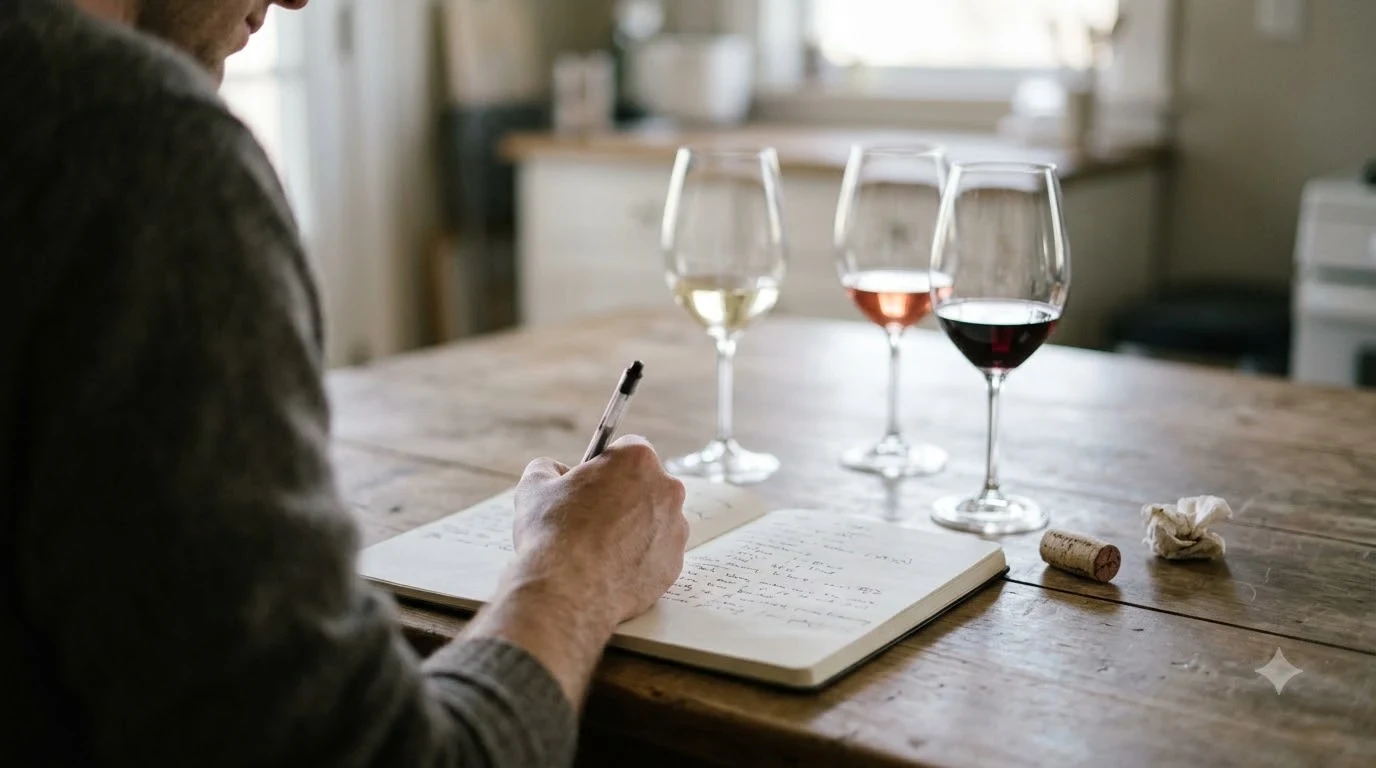
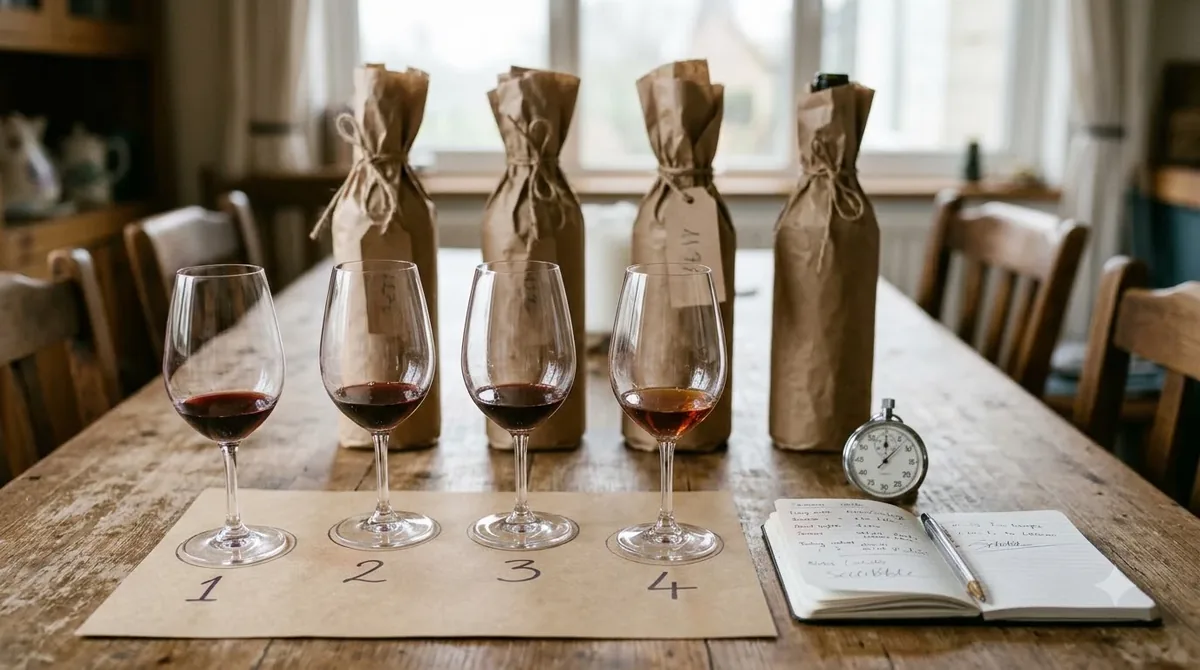
For a repeatable tasting, pour about 5 ounces into a clean white-wine glass and first note the color, from pale straw to deeper gold. Swirl gently, smell before tasting, and record three aroma groups: fruit (lemon, apple, quince), non-fruit (hay, herbs, wax), and development (fig, honey, toast). On the palate, record whether the wine is dry or sweet, light or full, gently or briskly acidic, and smooth or waxy. Finish by noting how long the flavor remains and whether citrus, herbs, oak, or honey is most persistent.
A standard 750-milliliter bottle holds about five 5-ounce pours, which makes it easy to compare two styles side by side without overfilling the glass. Keep unopened bottles on their sides in a cool, steady place near 55°F, away from sunlight and temperature swings. Once opened, reseal still Semillon and refrigerate it; most still wines keep their best character for about 3–5 days. Take the bottle out shortly before serving so it can approach the right temperature rather than warming fully on the counter.
Frequently Asked Questions
Is Semillon grown in the United States?
Yes. It is grown in Washington State and California, with Washington’s Columbia Valley a notable location. Long warm days help ripen the fruit, while brisk nights help preserve acidity; common aromas include lemon, honeysuckle, and orchard fruit.
What is Sémillon Gris?
Sémillon Gris is a pink-skinned mutation of the familiar green-skinned grape, sometimes called red Sémillon. In South Africa, some producers make skin-fermented versions with a coppery, ramato-like character rather than the usual pale-white-wine profile.
How important was Semillon in Chile?
Semillon was a key part of Chile’s wine industry in the 1950s. Although many plantings were later replaced by Chardonnay and Sauvignon Blanc, some surviving vineyards include vines around 100 years old.
Why do some labels spell it Sémillon and others Semillon?
Sémillon is the French spelling, with an accent on the first e. Australian labels commonly drop the accent and use Semillon, so the difference in spelling usually reflects local convention rather than a different grape.
How much Australian Semillon comes from the Riverina?
More than half of Australia’s Semillon comes from the Riverina, according to Wine Australia. The Riverina is therefore important to national production even though Hunter Valley is especially well known for its distinctive bottle-aged dry style.
Semillon is most rewarding when the tasting note accounts for both its fruit and its texture. Lemon and green apple may describe its youth, while fig, honey, toast, or apricot point toward bottle age, oak, or noble rot; the region helps explain which direction the wine has taken.
More in Wine Types & Grapes
 Zinfandel Sugar Content: Dry Red vs. White Zinfandel GramsUpdated Nov 21, 2026
 Best Zinfandel Substitute Options for Sipping and CookingUpdated Nov 21, 2026
 Zweigelt Food Pairing: Best Dishes, Cheeses, and Serving TipsUpdated Nov 21, 2026
 Zinfandel Tannins Explained: How Structure Shapes Every BottleUpdated Nov 21, 2026
 Zinfandel Sweetness Level: Dry Red vs. Sweet White Zin ExplainedUpdated Nov 21, 2026
 Xinomavro Food Pairing: Best Dishes, Styles, and Serving TipsUpdated Nov 21, 2026