

We may earn a commission when you buy through links on this page, at no extra cost to you. Learn more.
What is Sancerre? It is a dry white wine made mainly from Sauvignon Blanc in the Loire Valley of France. It is light-bodied, sharply acidic and free of tannins, with flavors of gooseberry, grapefruit and honeydew and a chalky, mineral edge. The name refers to a place and its rules rather than one house style, and a small amount of red is also made there, mostly from Pinot Noir.
Sancerre shows up on wine lists across the United States, often without much explanation. Many people know the name but are less sure what makes it different from other white wines. This guide covers what Sancerre tastes like, where it comes from, how it differs from other Sauvignon Blancs, how to serve it and what to eat with it.
What Sancerre wine tastes like
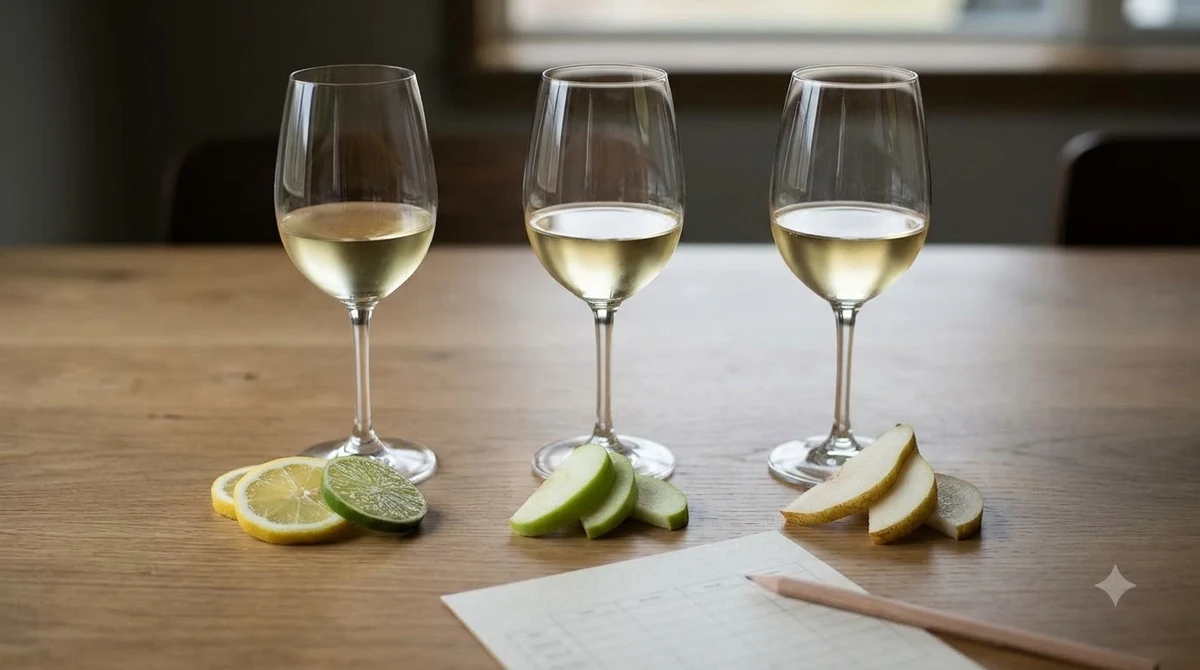
Sancerre white is dry and sharply acidic. Most bottles show gooseberry and grapefruit first, with honeydew, white peach and passion fruit behind them. Many people also notice a grassy or herbal lift, similar to fresh-cut grass or green peas, and a flinty note that gives the wine its mineral character. Acidity is the main structural feature, so the wine feels bright and clean even though its body is light.
Wine Folly describes Sauvignon Blanc from the Loire as having racy acidity, a medium-light body and no tannins, which matches the profile most drinkers expect from Sancerre. The guide also notes that the green aromas in Sauvignon Blanc come from natural compounds called methoxypyrazines, which is why the grassy character is strongest in cooler vintages. The Wine Folly Sauvignon Blanc guide lays out the grape’s flavor range in more detail.
Where Sancerre comes from
Sancerre is an appellation in the central Loire Valley, the stretch of France where the Loire River flows toward the Atlantic. It sits close to Pouilly-Fumé, another Sauvignon Blanc zone, and the two are often compared. VinePair describes Sancerre as one of the most recognized names in French white wine and a leading region for the grape, valued for its pristine minerality and crisp profile. The appellation is small, covering less than 7,000 acres according to the same source.
Soil is the reason many of the wines taste different from one vineyard to the next. Vineyards on chalky and flinty slopes tend to give leaner, more textured wines, while lower or richer ground can produce softer fruit. This is why producers often talk about individual vineyard sites rather than the appellation as a whole.
| Style | Main grape | What to expect |
|---|---|---|
| White Sancerre | Sauvignon Blanc | Dry, high acid, gooseberry, grapefruit and flint |
| Red Sancerre | Pinot Noir (very limited) | Light, fresh red fruit with modest structure |
| Rosé Sancerre | Pinot Noir | Dry, crisp, berry-driven pink wine in small quantities |
How Sancerre differs from other Sauvignon Blanc
Sauvignon Blanc is grown in many countries, and the style changes a great deal from place to place. New Zealand bottles are usually more aromatic and tropical, while Sancerre is generally leaner and more mineral. VinePair describes Loire Sauvignon Blanc as mineral-driven, with a slightly smoky nose, citrus and grassy notes, and a textured palate. In hotter years, stone fruit becomes more noticeable, but the acidity stays firm.
Sancerre is also a protected appellation in France, which means the name on the label carries legal meaning. Producers who use it must follow rules on the grapes, the growing area and the wine’s style. That is why a bottle labeled Sancerre from the region is a reliable signal of what to expect, while a Sauvignon Blanc from elsewhere with a similar name is not guaranteed to taste the same.
Compared with Pouilly-Fumé, Sancerre is usually described as the brighter and more intensely citrus-led of the two, although the difference can be subtle from one producer to another. Reading the label and the vintage year helps more than the name alone.
How to serve Sancerre
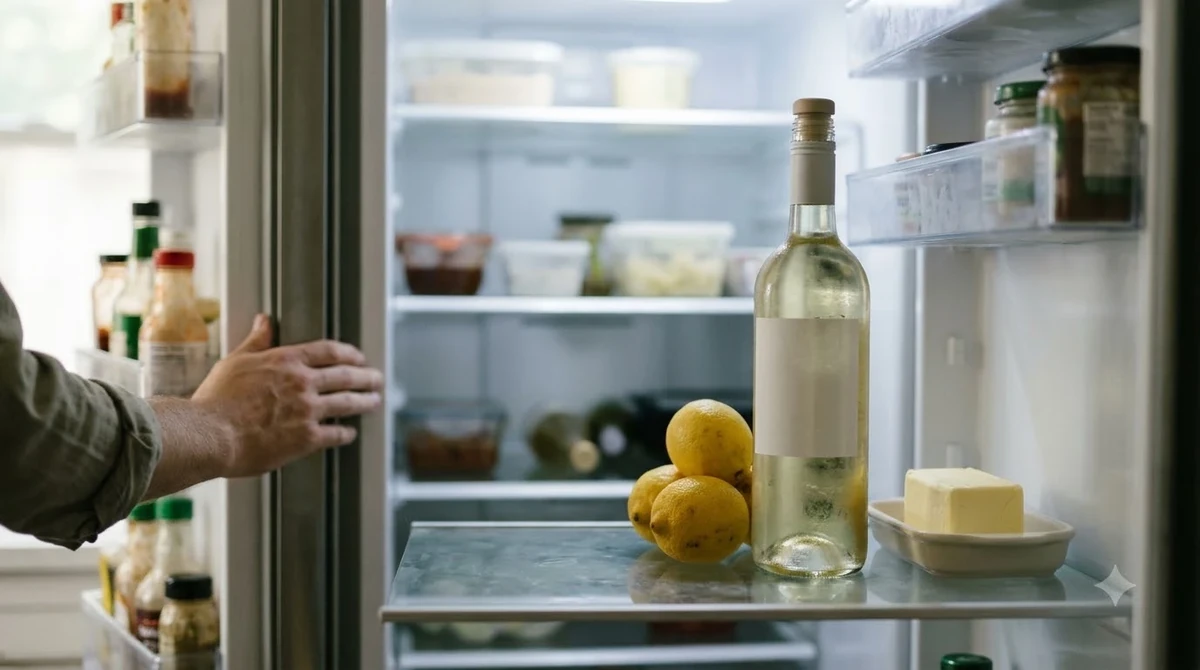
Sancerre is best served cool but not ice cold. Wine Folly suggests 45 to 55 degrees Fahrenheit (7 to 12 degrees Celsius), which keeps the acidity lively without muting the aromas. A standard white wine glass with a narrow bowl concentrates the aromas well.
Decanting is not necessary for most bottles. Sancerre is usually meant to be drunk young and fresh, although the same source notes that good examples can cellar for three to five years. Keep the bottle out of direct sun and away from heat, since warmth dulls the bright fruit fast.
Tip: If the bottle has been sitting at room temperature, a 20 to 30 minute stop in the refrigerator is usually enough to bring it into the right range.
How to choose a bottle of Sancerre
Because Sancerre is a place name, the label tells you more than the grape alone. Look for the word Sancerre on the label along with the producer’s name and the vintage year. A recent vintage usually shows the brightest fruit and the most citrus, while an older bottle from a good year can show more savory and honeyed notes. Most drinkers who want a classic experience should start with a current-vintage white from a producer with a clear track record in the appellation.
Price varies a lot across the category, so it helps to decide what you want first. If you like crisp, lean whites, a straightforward Sancerre from an established house will suit you. If you want more weight and texture, look for a bottle described as richer or from a single named vineyard. Reading the producer’s own description, and comparing it with a neutral source such as a major wine magazine, will help you match the bottle to your taste.
Foods that pair well with Sancerre
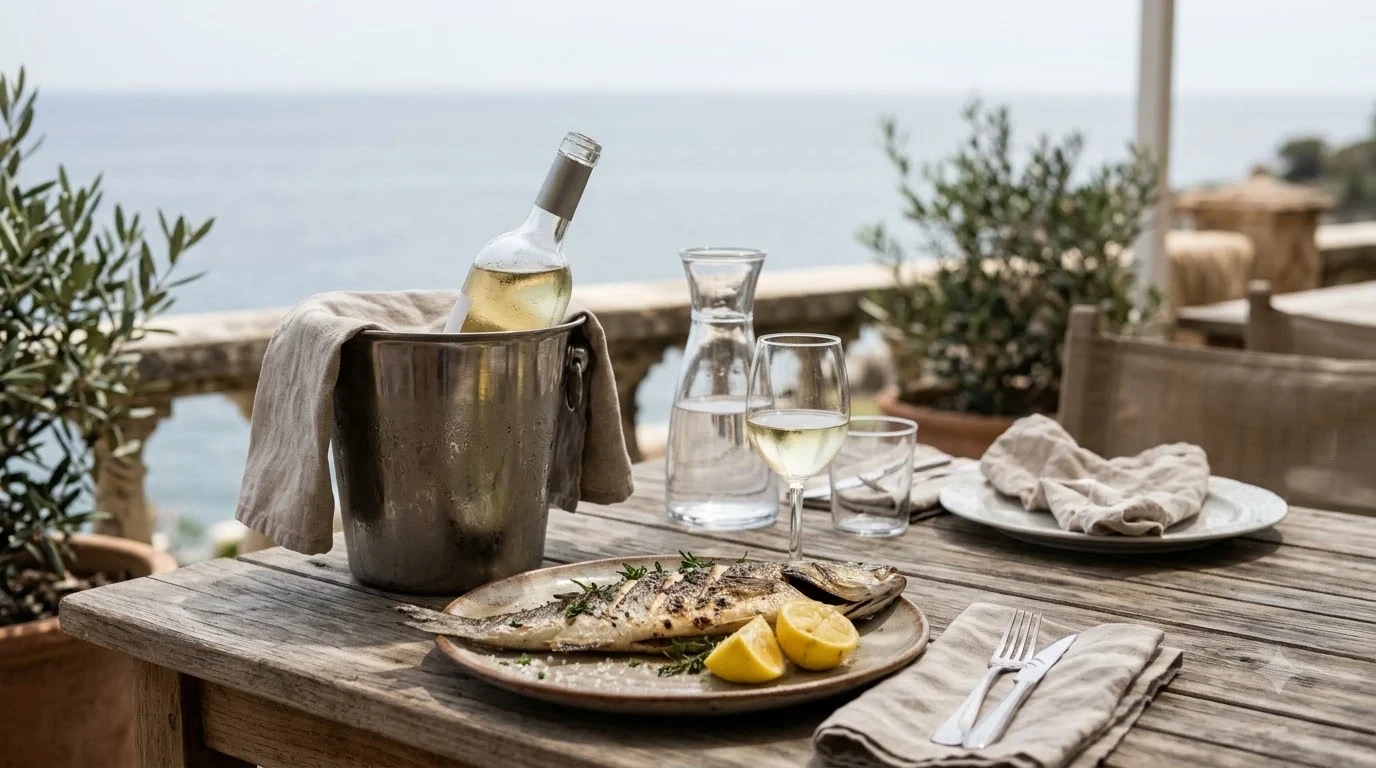
Sancerre’s acidity makes it a good match for food that is rich, salty or lightly sauced. Goat cheese is the classic regional pairing, and fresh chèvre is often served alongside Sancerre in the Loire itself. Oysters, shellfish and simple salads also work well, because the wine cuts through brine and oil without overpowering them.
Citrus-based sauces are another good match, from lemon and herb chicken to fish with a beurre blanc. A common mistake is pairing it with heavy, buttery dishes that need more body, where the wine can taste thin by comparison.
Frequently Asked Questions
Is Sancerre red or white?
Sancerre is mostly white, made from Sauvignon Blanc. A small amount of red is also made from Pinot Noir, and a limited rosé is sometimes produced. When people say Sancerre without a color, they almost always mean the white.
Is Sancerre sweet or dry?
Classic Sancerre is dry. The wine has high acidity and a light body, with citrus and mineral flavors rather than sugar. Drinkers who want a softer, rounder style should look for an oak-aged or richer bottle from a specific producer.
Is Sancerre the same as Sauvignon Blanc?
Sancerre is made from Sauvignon Blanc, but it is not the same as every Sauvignon Blanc. The name refers to a specific place in the Loire Valley, and the wine usually has a leaner, more mineral profile than Sauvignon Blanc from warmer regions.
How long does Sancerre last?
Most bottles are meant to be enjoyed within a few years of the vintage. Wine Folly notes that good examples can cellar for three to five years, so check the producer’s recommendation and keep the bottle cool and dark until you open it.
Sancerre is a good starting point for anyone who wants a dry, mineral white with clear structure. To see how it compares with other white and red styles, read the Wine by Type guide, or look at cabernet franc wine for another light, fresh French option. For a different dry white from a warm climate, assyrtiko grape is worth a look.
More in Wine Types & Grapes
 Zinfandel Sugar Content: Dry Red vs. White Zinfandel GramsUpdated Nov 21, 2026
 Best Zinfandel Substitute Options for Sipping and CookingUpdated Nov 21, 2026
 Zweigelt Food Pairing: Best Dishes, Cheeses, and Serving TipsUpdated Nov 21, 2026
 Zinfandel Tannins Explained: How Structure Shapes Every BottleUpdated Nov 21, 2026
 Zinfandel Sweetness Level: Dry Red vs. Sweet White Zin ExplainedUpdated Nov 21, 2026
 Xinomavro Food Pairing: Best Dishes, Styles, and Serving TipsUpdated Nov 21, 2026