


We may earn a commission when you buy through links on this page, at no extra cost to you. Learn more.
What is muscat? Muscat is a large family of grape varieties known for an intensely floral, grapey aroma. It is used to make dry, sweet, sparkling, and fortified wines, and it is grown across much of the wine world, from Italy and France to Australia and California.
Muscat shows up on wine lists in many forms, which can make it confusing for newer drinkers. One bottle may taste bone dry and perfumed, while the next is sweet and gently fizzy. This guide explains where the family comes from, how the main styles differ, and how to choose a bottle that suits your taste.
What muscat is and where the name comes from
Muscat is not a single grape. It is a family of related varieties, and the Wikipedia entry on Muscat notes that more than 200 varieties belong to it. Only a handful are widely used in winemaking, including Muscat Blanc à Petits Grains, Muscat of Alexandria, Muscat of Hamburg, and Muscat Ottonel. When someone says “muscat” on a label, the bottle may come from any of these grapes, so the style on the label matters as much as the name.
The family’s origin is uncertain. Some writers have traced it to ancient Egypt, Persia, Greece, and Rome, but the Wikipedia article reports that there is no solid historical evidence that Muscat vines were grown in those eras. The earliest documented mention comes from the English Franciscan Bartholomeus Anglicus, who wrote in the 1230s and 1240s. The origin of the name is also debated, with proposals ranging from a Persian word to the Omani city of Muscat.
What unites the family is its aroma. Nearly every member has a pronounced floral and grapey character, which comes from a large group of aromatic compounds called monoterpenes. This is why muscat wines often smell stronger than their color or weight would suggest.
The main styles of muscat wine
Muscat can be made into many different wines, and the variety used, the climate, and the winemaker’s choices all shape the result. Learning the main styles is the fastest way to know what you are buying.
Dry muscat is one of the least familiar styles for many buyers. Muscat Ottonel, grown in Alsace, Austria, and parts of Central Europe, produces dry wines that are highly perfumed. These bottles are light, lively, and clearly aromatic, so they feel quite different from a sweet dessert wine made from the same family.
Sweet and off-dry muscat is the style most people meet first. Muscat of Alexandria makes sweet white wines in Australia, California, and South Africa, and the Wikipedia article notes that many Greek sweet Muscats are made from Muscat Blanc à Petits Grains. These wines tend to be fragrant and easy to drink, with a clear sweetness that suits dessert or a relaxed afternoon.
Sparkling muscat is best known through Asti and Moscato d’Asti from Piedmont in northern Italy. These wines are semi-sparkling or sparkling and are typically lower in alcohol than many still wines, which is one reason they have become popular with people who want a light, fruity glass.
| Style | Typical grape | Where it is linked |
|---|---|---|
| Dry and perfumed | Muscat Ottonel | Alsace, Austria, Central Europe |
| Sweet, still | Muscat of Alexandria | Australia, California, South Africa |
| Sweet, Greek style | Muscat Blanc à Petits Grains | Greece |
| Sparkling or semi-sparkling | Muscat Blanc à Petits Grains | Asti and Moscato d’Asti, Piedmont |
| Fortified | Various Muscat types | French vins doux naturels, Rutherglen, Spain |
Fortified muscat and older bottles
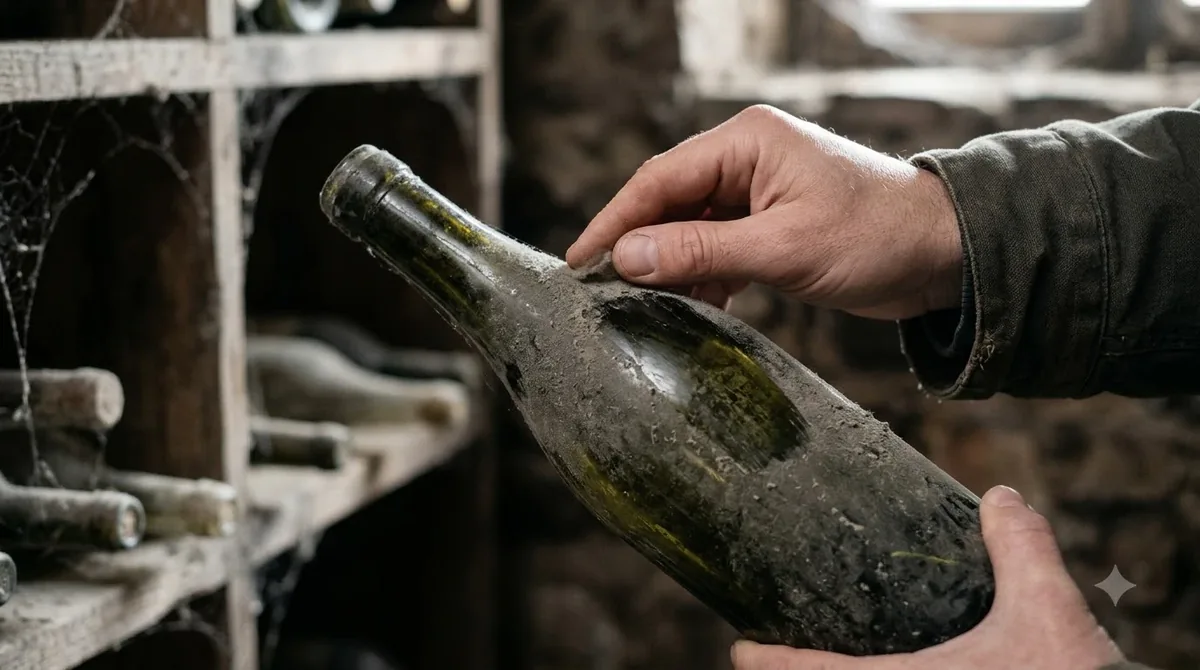
Fortified muscat is a different category altogether. The Wikipedia article lists French vins doux naturels, Australian Liqueur Muscat from Rutherglen, and Spanish Moscatels as examples. These wines are strengthened with spirit and often aged, and the flavors change over time. Young, unaged muscat blanc tends to show citrus, rose, and peach notes. Older, fortified versions can develop coffee, fruitcake, raisin, and toffee character.
If you find an old bottle of fortified muscat, expect a rich, concentrated wine that is served in small pours. It works more like a dessert or after-dinner drink than an everyday table wine, and a little goes a long way.
How to serve muscat
Serving temperature changes how muscat tastes. Lighter, sparkling, and sweet styles are usually best well chilled, because cold keeps the wine fresh and the aroma from feeling heavy. Fortified and older styles are often served a little warmer, since the cold can mute their complex flavors. Check the producer’s guidance on the label or website, and adjust to your own taste.
A tulip-shaped or white wine glass is a good choice for still muscat, because it concentrates the aroma near the rim. For sparkling styles, a flute keeps the bubbles lively. Fortified wines are usually poured into a small glass, since their intensity makes a large pour tiresome.
Tip: Muscat’s aroma is strong, so keep it away from heavily perfumed foods or spicy dishes when you taste it. A plain glass of water between sips helps you pick out the floral notes.
Food pairings for muscat
Because the family covers so many styles, the best pairing depends on the bottle. Dry, perfumed muscat suits light appetizers, salads with citrus dressing, and delicate fish. The wine’s floral character complements fruit and soft cheese without overpowering them.
Sweet and sparkling muscat work well with desserts. Fresh fruit tarts, peach desserts, and lightly sweet pastries are natural partners. Many people also enjoy Moscato d’Asti with a simple cake or fruit salad, since the wine’s gentle fizz and sweetness keep the dessert from feeling heavy.
How to choose a muscat bottle
Start with the label’s style words. “Dry” means the wine has very little residual sugar, while “sweet” or “dessert” points to a richer glass. Terms such as “sparkling,” “semi-sparkling,” or “frizzante” tell you what the bubbles will be like. If the bottle says “Moscato,” it is usually made from a Muscat grape, but the exact style still depends on the producer.
Next, think about the occasion. A lively sparkling muscat is a good choice for a casual brunch or a light celebration. A sweet still wine suits dessert, and a fortified bottle makes a thoughtful gift for someone who enjoys after-dinner drinks. If you are new to the family, a sweet or sparkling style is usually the easiest place to start.
For a wider view of wine categories, the Wine by Type guide explains how muscat compares with other grapes. If you want another white with a different personality, the assyrtiko grape is a crisp Greek option that shows how far white wine can range in style. Readers who like to think about calories when choosing a glass can also look at calories in white wine, since sweetness and alcohol both affect the numbers.
Muscat’s history is long and its styles are varied, so the safest way to learn it is to taste a few bottles side by side. Start with a dry style, then compare it with a sweet and a sparkling version to see how the same family can change so much.
Frequently Asked Questions
What does muscat wine taste like?
Muscat usually tastes floral and grapey, with a fragrant aroma that is easy to notice. Young, unaged styles often show citrus, rose, and peach notes, while older fortified wines can taste of coffee, raisin, and toffee.
Is muscat always sweet?
No. Muscat can be dry, sweet, sparkling, or fortified. Muscat Ottonel, for example, makes dry and highly perfumed wines, while Asti and Moscato d’Asti are the sweeter, semi-sparkling styles many people know.
Is muscat the same as moscato?
Moscato is the Italian name for the Muscat family, and it often refers to the sweet, lightly sparkling wines of Piedmont. The two words describe the same grape family, but the style on the label tells you what is in the glass.
Which muscat is best for a beginner?
Most beginners find a sweet or sparkling muscat the easiest to enjoy, because the sweetness and fruit are immediate. Once you know your preference, a dry Muscat Ottonel style can be a rewarding next step.
Muscat is one of the most varied grape families in wine. Knowing the main styles lets you choose a bottle for a light lunch, a dessert course, or a quiet evening with a fortified glass. Start with the style you like, and explore from there.
More in Wine Types & Grapes
 Zinfandel Sugar Content: Dry Red vs. White Zinfandel GramsUpdated Nov 21, 2026
 Best Zinfandel Substitute Options for Sipping and CookingUpdated Nov 21, 2026
 Zweigelt Food Pairing: Best Dishes, Cheeses, and Serving TipsUpdated Nov 21, 2026
 Zinfandel Tannins Explained: How Structure Shapes Every BottleUpdated Nov 21, 2026
 Zinfandel Sweetness Level: Dry Red vs. Sweet White Zin ExplainedUpdated Nov 21, 2026
 Xinomavro Food Pairing: Best Dishes, Styles, and Serving TipsUpdated Nov 21, 2026