

We may earn a commission when you buy through links on this page, at no extra cost to you. Learn more.
What is muscadet? It is a dry French white wine from the western end of the Loire Valley, made only from the Melon de Bourgogne grape. Muscadet is light-bodied, crisp and high in acidity, with very little residual sugar. It is one of the classic wines to serve with oysters and other seafood, and the best examples are often aged on their lees for added texture.
Muscadet is one of those wines that many people have seen on a shelf without knowing what it is. The name refers to a region, a grape and a style, and each one matters. This guide explains where muscadet comes from, how it is made, what it tastes like and which dishes bring out its best side.
Where Muscadet Comes From
Muscadet is produced in the Pays Nantais, the area around the city of Nantes at the western end of the Loire Valley. The wine is made from one grape, Melon de Bourgogne, which is often shortened to “melon” in the region. That single-variety focus is central to the wine’s identity.
The vineyards have a long history. Dutch traders encouraged the planting of the grape in the 17th century, and it became the dominant variety after a severe frost in 1709 killed most of the region’s vines. Since then, muscadet has grown into a wine that is closely tied to the coast and to the food traditions of the area.
The region is organized into several named sub-appellations under the generic Muscadet designation. According to the Wikipedia entry on Muscadet, the largest is Muscadet-Sèvre et Maine, which produces about 80 percent of all muscadet and covers roughly 8,217 hectares. Muscadet-Coteaux de la Loire is a smaller area where vintage conditions influence quality, since cooler years can make it hard for the grapes to fully ripen. Muscadet-Côtes de Grandlieu is shaped by the microclimate around Lake Grandlieu and is described as floral and mineral when well made.
Sur Lie: What the Term Means
One of the most important words on a muscadet label is “sur lie,” which means “on the lees.” After fermentation, the wine stays in contact with dead yeast cells instead of being racked off them, and it is bottled without heavy filtering. That contact adds a creamy texture and a bit more body to the wine.
The rules changed in 1994, and the generic AOC Muscadet can no longer use the term “sur lie” on its label. Sur lie wines are more common in the sub-appellation Muscadet-Sèvre et Maine, where about 45 percent of production is aged this way. When you see sur lie on a bottle, expect a rounder, slightly yeasty aroma and a fuller mouthfeel than a basic bottling.
Some examples carry a faint prickle from leftover carbon dioxide. That lively sensation can make the wine feel fresher and helps it cut through rich or briny food.
Taste Profile and Style
Muscadet is dry, light-bodied and crisp. Its acidity is high, and it has very little residual sugar, so the wine tastes clean and mineral rather than fruity or sweet. Typical flavors include green apple, citrus and a saline quality that many drinkers associate with the coast.
Sur lie versions may show subtle yeasty aromas, brioche-like notes and a more substantial texture. Unaged or simpler bottlings are brighter and more straightforward. Both styles are dry, so the difference lies mainly in weight and aroma rather than sweetness.
Sur lie bottles and simpler bottlings also differ in how they age. A basic muscadet is usually meant to be opened within a year or two of the vintage, while a well-made sur lie wine can keep its structure a little longer. Checking the vintage date on the label is therefore more useful than looking at the price.
Because the wine is lean, it does not hide flaws, which is one reason it is often served young. Freshness is usually the point, and a bottle from the most recent vintage is typically the one to choose.
| Characteristic | Typical muscadet |
|---|---|
| Grape | Melon de Bourgogne |
| Region | Pays Nantais, western Loire Valley |
| Style | Dry, light-bodied, crisp |
| Acidity | High |
| Residual sugar | Very little |
| Sur lie | Creamy texture and more body when used |
How to Serve Muscadet
Serve muscadet well chilled, at about 9 to 11 °C (48 to 52 °F). At that range the acidity feels lively without making the wine seem thin, and the aromas remain clear. A bottle that is too cold can taste closed, while one served too warm may feel flat.
A standard white wine glass is a good choice. The wine is light, so there is no need for a large bowl. Pour a moderate amount so the glass stays cool, and keep the bottle in an ice bucket if the room is warm.
Tip: Muscadet is best consumed young. Once opened, keep it refrigerated with the cork or a stopper and drink it within a few days for the freshest flavor.
Food Pairings for Muscadet
Oysters are the classic partner. The wine’s salinity and acidity mirror the brininess of the shellfish, and the pairing is a staple of Atlantic coast dining. Critic Jon Bonné has called muscadet the “perfect oyster wine,” a description that many seafood lovers still repeat.
Other seafood works well too. Lobster, shrimp and mullet all match the wine’s clean profile, especially when they are served with butter or lemon. The acidity also cuts through creamy sauces, so muscadet can handle dishes that would overwhelm a lighter white.
How to Choose a Bottle
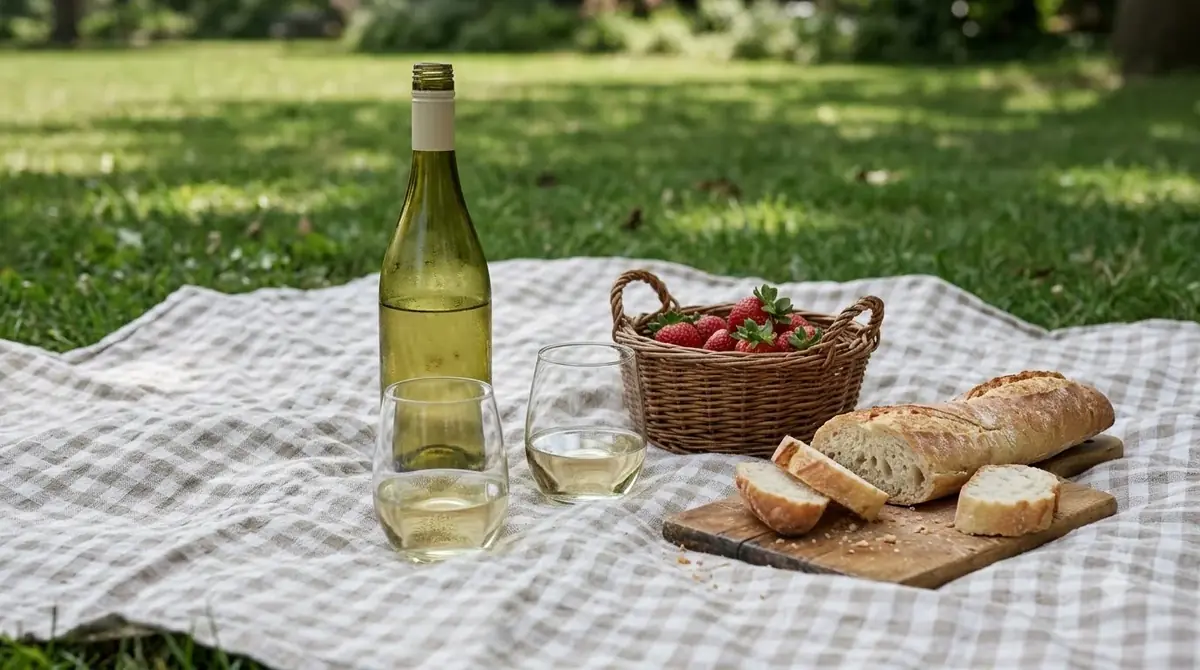
Start with the label. If it says sur lie, expect more texture and a slightly richer style. If it names a sub-appellation such as Sèvre et Maine or Coteaux de la Loire, you will get a clearer sense of the terroir and the likely style. Bottles from the most recent vintage are usually the most vibrant.
Price is not a reliable signal of quality in this category, so read the producer’s description before buying. Look for notes about the lees, the age of the vines and how the wine was bottled. Those details tell you more about the finished wine than the appellation name alone.
For a dinner party, buying two bottles, one basic and one sur lie, lets guests compare the styles side by side. The contrast is a simple way to see how winemaking affects the same grape. Serving both alongside a plate of oysters makes the difference in texture easy to notice, even for guests who rarely think about wine labels.
Frequently Asked Questions
Is muscadet the same as Muscat?
No. Muscadet is made from Melon de Bourgogne, while Muscat is a separate grape family. The names look similar, but the wines are different in aroma and style.
Is muscadet sweet?
No. Muscadet is dry, with very little residual sugar and high acidity. It tastes crisp and clean rather than sweet.
What does sur lie mean on a muscadet label?
Sur lie means the wine was aged on its lees, the dead yeast cells left after fermentation. This adds a creamy texture and some yeasty aroma. Only certain sub-appellations can use the term.
What food goes best with muscadet?
Oysters are the classic match, and the wine also suits lobster, shrimp and other light seafood. Its acidity handles creamy or buttery dishes well too.
Muscadet is a good pick if you want a dry, refreshing white that works with seafood. For more on white varieties and styles, browse the guide to wine by type, or compare it with albarino tasting notes, another coastal white with a bright, saline character.
More in Wine Types & Grapes
 Zinfandel Sugar Content: Dry Red vs. White Zinfandel GramsUpdated Nov 21, 2026
 Best Zinfandel Substitute Options for Sipping and CookingUpdated Nov 21, 2026
 Zweigelt Food Pairing: Best Dishes, Cheeses, and Serving TipsUpdated Nov 21, 2026
 Zinfandel Tannins Explained: How Structure Shapes Every BottleUpdated Nov 21, 2026
 Zinfandel Sweetness Level: Dry Red vs. Sweet White Zin ExplainedUpdated Nov 21, 2026
 Xinomavro Food Pairing: Best Dishes, Styles, and Serving TipsUpdated Nov 21, 2026