

We may earn a commission when you buy through links on this page, at no extra cost to you. Learn more.
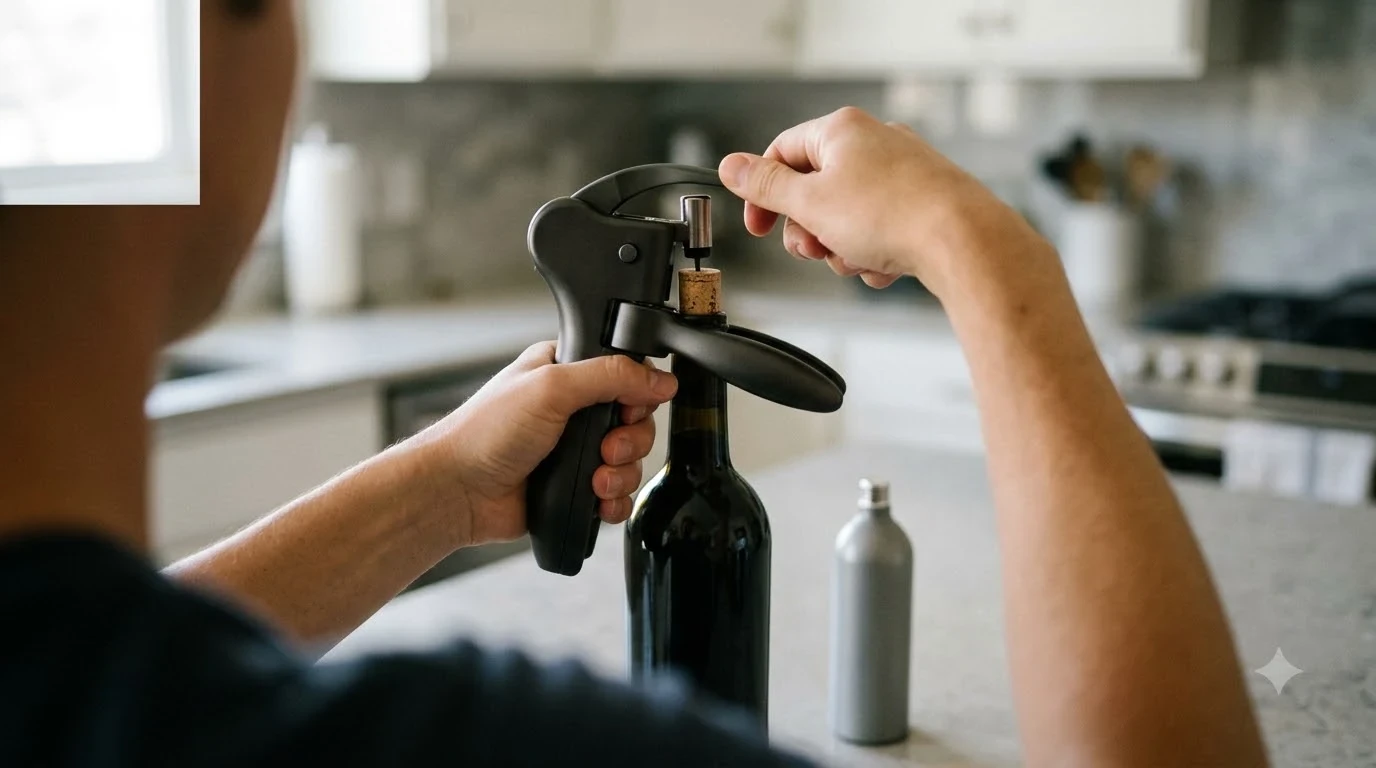
What is merlot? Merlot is a red wine grape and the wine made from it, known for soft tannins, juicy cherry and plum flavors, and an easy-drinking style. It is one of the most widely planted red grapes in the world, and it appears in everything from simple weeknight bottles to age-worthy wines from Bordeaux. Its approachable character is the reason many drinkers choose it as a first red.
Merlot has a reputation as the friendly red. Compared with a bold, tannic Cabernet Sauvignon, it tends to feel rounder and more supple on the palate. That softness is not a weakness, though. The same grape can produce a light, fruity table wine or a structured, long-lived bottle, depending on where it grows and how the winemaker handles it.
Where merlot comes from
Merlot comes from southwestern France, with Bordeaux as its historic home. Wine Folly notes that an early form of its name, “Merlau,” appears in records from 1783, and that the name is often linked to “little blackbird” in an old regional French dialect. Today it is the second most planted grape in the world, behind Cabernet Sauvignon.
The two grapes are close relatives. Both share Cabernet Franc as a parent, which explains why merlot and Cabernet often appear together in blends. In Bordeaux, merlot usually leads on the Right Bank, while Cabernet Sauvignon is the backbone of many Left Bank wines.
Flavor and style
Merlot’s core flavors are cherry, plum, and chocolate, often with a touch of bay leaf and vanilla. In cooler climates, the fruit tends toward fresh red plum and cherry. In warmer climates, the same grape can taste of baked blackberry and fruitcake. Oak aging adds vanilla and spice, and bottle age can bring earthy, meaty, and chocolate notes.
Structurally, merlot is usually dry with a medium-full body, medium-high tannins, and medium acidity. Wine Folly lists its alcohol at 13.5 to 15 percent ABV. The tannins are softer and less astringent than those of Cabernet Sauvignon, which is why merlot often feels smoother on the first sip.
Regional styles of merlot
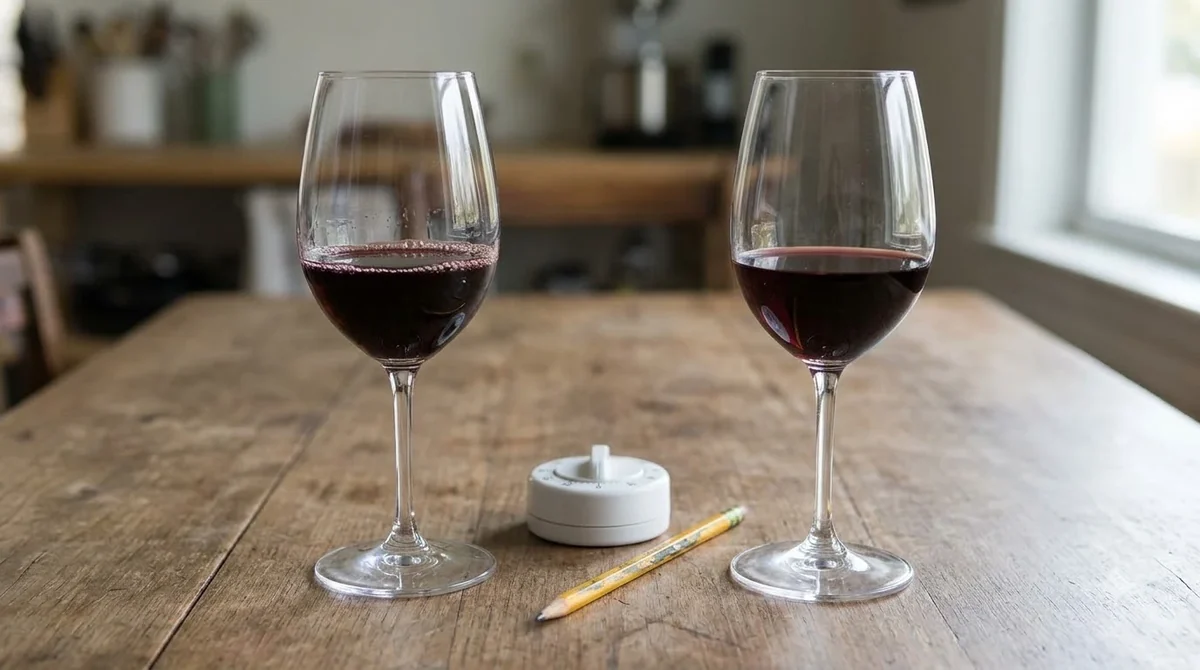
Where merlot is grown changes the wine more than almost any other factor. Bordeaux, France, is the benchmark. Wine Folly reports that merlot makes up about 60 percent of the appellation’s vineyard plantings, and it is blended with Cabernet Sauvignon on the Left Bank and often with Cabernet Franc on the Right Bank. Pomerol and Saint-Émilion are highlighted for wines that can age well.
In the United States, merlot tends to be riper and more fruit-forward. Napa Valley examples are full-bodied and sometimes minty, while Washington’s Columbia Valley wines show ripe black fruit with fresh acidity. Italy uses merlot in Super Tuscan blends and grows a lot of it in Friuli-Venezia Giulia. Chile’s styles range from fruity to structured, and the country has a notable history with the grape. Wine Folly points out that vines once thought to be Merlot were identified in 1994 as Carménère.
How to serve merlot
Merlot is usually served at a cool room temperature, which Wine Folly gives as 60 to 68 degrees Fahrenheit, or 15 to 20 degrees Celsius. Serving it too warm can make the alcohol stand out and hide the fruit, while a slight chill helps the flavors show. A large, round glass gives the wine room to open up.
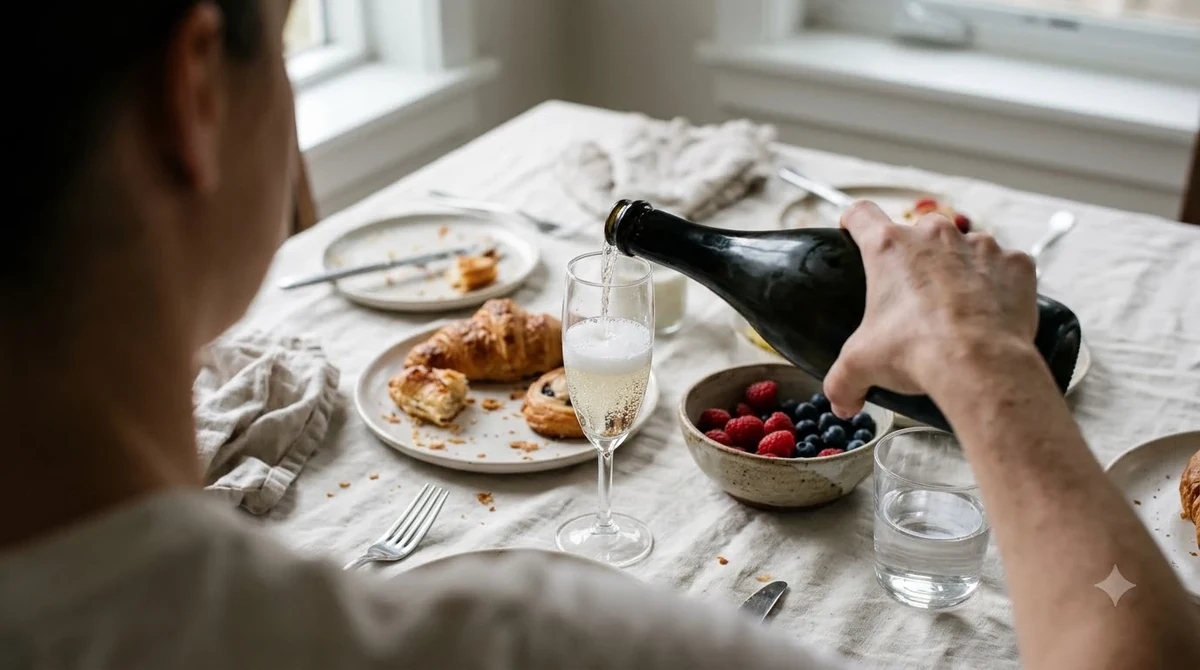
Decanting is a good idea for bigger, older bottles. Wine Folly suggests about 30 minutes of decanting for merlot. Many merlots are ready to drink within a few years of release, and the better examples can keep developing for several years in the cellar, with exceptional wines lasting longer.
| Merlot style | Typical flavors | Good with |
|---|---|---|
| Entry-level, fruit-forward | Cherry, red plum, soft spice | Pizza, barbecue chicken, tomato pasta |
| Bordeaux-style blend | Plum, cedar, earthy notes, firmer tannins | Roast turkey, beef short rib, ratatouille |
| Warm-climate (Napa-style) | Blackberry, chocolate, mint | Rack of lamb, filet mignon with peppercorn sauce |
Tip: When you are unsure which bottle to pick, match the merlot to the dish’s richness. Lighter, fruitier styles suit everyday food, and fuller, oaked versions handle roasted meats.
Food pairing with merlot
Merlot is one of the easiest red wines to pair. Its soft tannins mean it does not clash with lighter proteins the way a very grippy wine can, and its fruit flavors complement tomato sauces, roasted vegetables, and grilled meats. A fresh-fruited merlot is a natural partner for pizza and burgers, while a more structured Bordeaux-style bottle pairs well with roast beef or a mushroom-heavy dish. Many people also enjoy merlot on its own in the evening, since its smooth texture makes it easy to sip without food.
If you are planning a menu around merlot, think about the cooking method as well as the protein. Charred, smoky food pairs well with the wine’s dark-fruit side, and herbs such as thyme or bay leaf echo the flavors that often appear in the glass. For a deeper look at how red styles compare, see the guide to merlot with cheese, which covers how the wine works with different cheeses.
Buying and storing merlot
Merlot is sold everywhere, from grocery shelves to specialty shops, so it is easy to find a bottle that matches your meal. Look at the label for the region, since a Bordeaux, a Napa Valley, or a Chilean merlot will taste noticeably different. When you want a softer, fruit-driven bottle for a casual dinner, a label that names a warm, fruity region is usually a safe guide. When you want something to age, look for a producer known for structure and a clear vintage date.
Storage matters as well. Keep unopened bottles in a cool, dark place away from heat and light, and store them on their sides if they have a cork. Once opened, a merlot will lose freshness over a few days, so re-cork it and refrigerate it if you will not finish it. Many merlots are at their best when enjoyed within a few years of release, which makes shopping for a current vintage a smart default. If you find a bottle you like, try a second one from a different region the following week, since the comparison will show you more about the grape than any single label can.
Frequently Asked Questions
Is merlot a dry or sweet wine?
Merlot is dry. Its sweetness comes from ripe fruit flavors rather than leftover sugar, so most merlots taste soft and fruity without feeling sweet.
Is merlot lighter than cabernet sauvignon?
Often, yes. Merlot usually has softer tannins and a rounder texture, which makes it feel lighter on the palate. Body varies by region and winemaking, though, so a bold Napa merlot can feel as full as a Cabernet.
Why did merlot fall out of favor for a while?
Wine Folly ties a dip in its reputation to the 2004 film Sideways, after which many drinkers switched to other reds. The grape’s quality depends heavily on the vineyard and the winemaker, so a well-made bottle from a good producer can still be very satisfying.
Can merlot be aged?
Yes. Many merlots are best within a few years, but top examples from regions such as Bordeaux’s Pomerol and Saint-Émilion can age for a decade or more when stored well.
Merlot is a grape with a wide range, from the easy fruit of a simple bottle to the structure of a serious Bordeaux. To explore the broader family of red styles, the guide to wine by type is a good next stop. For a closer look at the grape’s profile and regions, the Wine Folly merlot grape guide covers the details in depth.
More in Wine Types & Grapes
 Zinfandel Sugar Content: Dry Red vs. White Zinfandel GramsUpdated Nov 21, 2026
 Best Zinfandel Substitute Options for Sipping and CookingUpdated Nov 21, 2026
 Zweigelt Food Pairing: Best Dishes, Cheeses, and Serving TipsUpdated Nov 21, 2026
 Zinfandel Tannins Explained: How Structure Shapes Every BottleUpdated Nov 21, 2026
 Zinfandel Sweetness Level: Dry Red vs. Sweet White Zin ExplainedUpdated Nov 21, 2026
 Xinomavro Food Pairing: Best Dishes, Styles, and Serving TipsUpdated Nov 21, 2026