


We may earn a commission when you buy through links on this page, at no extra cost to you. Learn more.
What is malvasia? Malvasia is a name shared by numerous Mediterranean grape varieties used to produce dry white wines, aromatic sparkling wines, and sweet dessert wines. The grapes can be white or red, and their flavors range from fresh apple, citrus, and peach to honey, dried fruit, and floral notes. Italy, Croatia, Greece, Portugal, and Spain are among the important places associated with Malvasia wines. Understanding the particular grape and region is the easiest way to know what to expect from a bottle.
Malvasia has a history that stretches back centuries, when wines bearing the name traveled through Mediterranean trading ports and became prized for their concentrated sweetness. Today, the name appears on bottles with very different personalities. Some are refreshing dry whites for seafood and vegetables, while others are rich, aromatic wines suited to desserts and aged cheeses. Learning the differences between the major varieties makes choosing and enjoying Malvasia much easier.
What Malvasia Means and Where Its Name Comes From
Malvasia is a collective wine name rather than a reliable identification of one genetically uniform grape. It covers numerous varieties with different characteristics, growing requirements, and winemaking traditions. This explains why two bottles labeled Malvasia can have surprisingly different colors, sweetness levels, aromas, and textures.
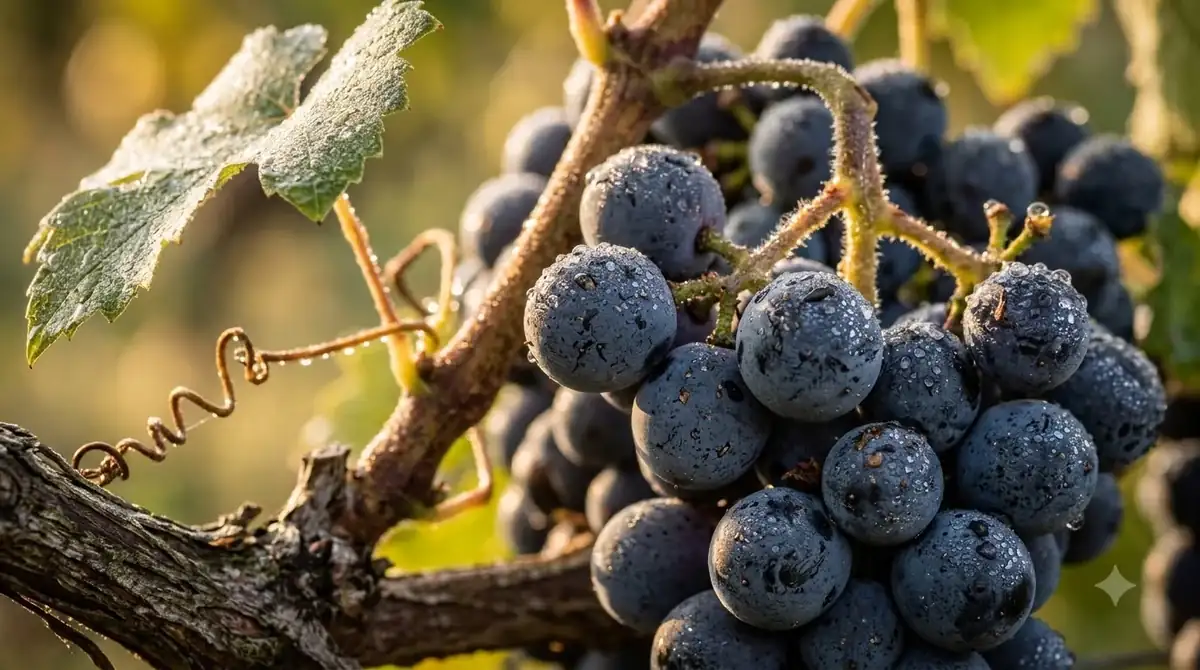
The name is historically associated with Monemvasia, a fortified town on the southeastern coast of the Peloponnese in Greece. During the Middle Ages, Venetian merchants traded wines from this area across Europe. The wines became popular enough that the name gradually spread beyond its original geographical association. As demand increased, producers in other Mediterranean regions began using the name for wines made from local grapes with similar characteristics.
According to Decanter’s history of Malvasia, the grape name appears in historical records dating to the early thirteenth century. By the fourteenth century, Malvasia wines were appearing in Venetian markets, where the name became closely associated with desirable sweet wines. Their concentrated character helped them survive long trading journeys, contributing to their reputation as valuable wines.
Over time, the name became attached to numerous unrelated or distantly related grape varieties. Modern grape identification has demonstrated that many grapes called Malvasia do not share a direct genetic relationship. The Vitis International Variety Catalogue includes hundreds of entries associated with the name, illustrating the complexity of the group.
The name also changes across languages. Malmsey is the familiar English term associated particularly with sweet Madeira, while Malvoisie appears in French-language wine terminology. These names have historical connections, but they should not automatically be treated as interchangeable descriptions of one grape.
For wine drinkers, the practical lesson is simple: the word Malvasia provides a starting point, not a complete description. The additional grape name, geographical designation, and production style are much more useful when identifying the wine inside the bottle.
Important Malvasia Grape Varieties to Know
Several Malvasia varieties have established identities in particular wine regions. Knowing a handful of the most important names helps explain why the same broad wine category includes crisp whites, aromatic wines, sparkling bottles, and sweet reds.
Malvasia Istriana, also called Malvazija Istarska, is especially associated with Croatia’s Istrian Peninsula and neighboring parts of Slovenia. It is one of the most recognizable modern expressions of the name. Its wines are commonly dry, with apple, peach, nectarine, floral, and mineral characteristics. Coastal vineyards can produce particularly saline expressions, while inland examples often emphasize ripe fruit and refreshing acidity.
Malvasia di Lipari is associated with Sicily’s Aeolian Islands, including Lipari and Salina. It is particularly important for sweet passito wines made from grapes that have been dried before fermentation. These wines often have concentrated fruit and honeyed characteristics. The Malvasia delle Lipari designation also includes specific production rules governing grape composition and permitted wine styles.
Malvasia Volcanica is associated with Lanzarote in Spain’s Canary Islands. The island’s volcanic landscape influences how vineyards are established, with vines protected in individual depressions in the volcanic soil. This variety produces wines that can emphasize freshness, citrus-like fruit, floral aromas, and mineral impressions.
Malvasia Fina, also known as Boal, is an important Portuguese variety associated with the country’s wine traditions. It is particularly relevant to fortified Madeira wine, where Boal is associated with a medium-sweet style. Its name should not be confused with the many Italian grapes that also carry the Malvasia designation.
Malvasia Nera refers to several dark-skinned varieties used in Italian red wine production. Malvasia Nera di Brindisi, for example, is associated with Puglia in southern Italy. Depending on the particular grape and winemaking approach, these varieties can contribute dark fruit, color, and aromatic complexity to red wines.
Other important names include Malvasia Bianca Lunga, Malvasia del Lazio, Malvasia di Candia, and Malvasia di Candia Aromatica. Some appear in blends rather than as single-variety wines. Frascati, for instance, can include Malvasia varieties alongside other white grapes.
| Variety | Main region | Typical wine style | Common characteristics |
|---|---|---|---|
| Malvasia Istriana | Istria, Croatia and Slovenia | Dry white | Apple, peach, minerals |
| Malvasia di Lipari | Aeolian Islands, Italy | Sweet passito | Honey, dried fruit |
| Malvasia Volcanica | Lanzarote, Spain | Dry and sweet whites | Citrus, floral notes |
| Malvasia Fina | Portugal | White and fortified | Fruit, floral aromas |
| Malvasia Nera | Puglia, Italy | Dry red | Dark fruit, spice |
| Malvasia Bianca Lunga | Tuscany, Italy | White and blended wines | Fruit, floral notes |
These examples demonstrate why identifying the grape matters more than relying on the general Malvasia name. A dry Croatian white and a concentrated Sicilian dessert wine can belong to the same broad naming tradition without tasting remotely alike.
Is Malvasia Sweet, Dry, or Sparkling?
Malvasia can be dry, off-dry, sweet, or sparkling, depending on the grape variety and production method. Although its historical reputation is closely connected with sweet wine, many modern Malvasia bottles are dry whites intended to accompany meals.
Dry Malvasia is particularly common in Istria. These wines are generally fermented until most of the grape sugar has been converted into alcohol. They can have a rounded texture and expressive fruit while maintaining enough acidity to make them refreshing. Their relatively approachable character makes them suitable alternatives to familiar Mediterranean white wines.
Sweet Malvasia has a different production history. In regions such as the Aeolian Islands, grapes are dried after harvesting to concentrate their natural sugars. The resulting juice produces a richer wine with concentrated aromas and a lingering finish. This technique is known as passito in Italy.
Some Malvasia wines are sparkling or lightly effervescent. Certain varieties in Italy’s Piedmont region are used for sweet, aromatic sparkling reds. Malvasia Istriana also appears in traditional-method sparkling wines. These examples show that the grape name alone does not indicate whether a wine has bubbles.
Fortified Malvasia wines are another important category. Madeira’s Malmsey style is historically associated with the sweetest end of the island’s fortified wine range. Boal, or Malvasia Fina, is also associated with a medium-sweet Madeira style. Fortification and maturation give these wines a different structure from ordinary dry table wines.
The distinction between sweetness and aroma is especially important. A wine can smell of honey, ripe peach, or flowers without containing much residual sugar. Conversely, a sweet wine can retain enough acidity to feel balanced rather than heavy.
Tip: Start with the full regional name rather than the word Malvasia alone. Istrian Malvasia is a useful starting point for a dry white, while Malvasia delle Lipari Passito points toward a concentrated sweet wine. For a closer explanation, see is Malvasia sweet or dry.
Readers comparing different styles can also explore the broader selection of wine by type to understand how still, sparkling, fortified, and dessert wines differ.
What Malvasia Wine Tastes Like
Malvasia does not have one universal flavor profile, but many examples are recognized for aromatic intensity and expressive fruit. White versions can show apple, pear, peach, nectarine, citrus, and floral notes, while sweet versions often develop honey, dried fruit, and richer confectionery characteristics.
Dry Malvasia Istriana is a particularly useful example of the fresher side of the group. Croatian wine references describe aromas of apple, peach, nectarine, and locust flower, supported by mineral impressions. Some coastal versions have a noticeable saline character, while wines from central Istria can emphasize apple and nectarine with lively acidity.
In the glass, these dry whites can range from light and straightforward to fuller and more textured. Stainless-steel fermentation tends to preserve fresh fruit and floral character. Oak maturation or lees aging can add additional texture, weight, and savory complexity without removing the grape’s underlying aromatic character.
Sweet Malvasia di Lipari presents a contrasting profile. Concentrated grape sugars and drying techniques create flavors associated with honey, dried apricot, raisins, and ripe tropical fruit. Some versions develop herbal, balsamic, or toasted impressions during maturation. Their texture is generally fuller than that of fresh dry Malvasia.
Red Malvasia wines should be considered separately. Dark-skinned varieties such as Malvasia Nera can produce wines with red and black fruit characteristics. Their structure and tannin depend on the particular grape, growing region, and winemaking approach, so it would be misleading to describe every red Malvasia as tasting like its white counterparts.
Acidity is another important part of the experience. Dry Istrian examples can retain enough freshness to balance ripe fruit and fuller textures. Sweet wines also benefit from acidity because it prevents concentrated sugar from overwhelming the palate.
For a more precise tasting experience, consider four elements: fruit intensity, floral or herbal aromas, acidity, and sweetness. These provide a clearer description than simply calling every Malvasia aromatic or sweet.
Where Malvasia Is Grown and Its Major Wine Regions
Malvasia is closely associated with the Mediterranean, particularly Italy, Croatia, Greece, Portugal, and Spain. Each region has developed its own interpretation through local grape varieties, vineyard conditions, and traditional production techniques.
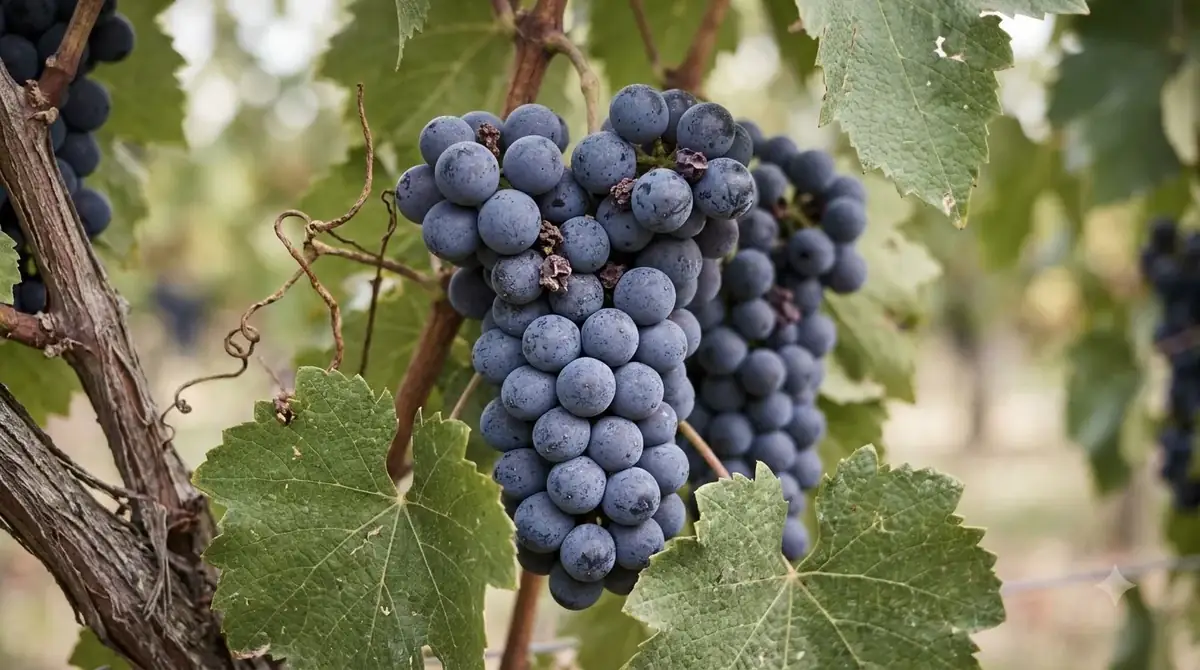
Italy has one of the broadest collections of Malvasia varieties. Tuscany uses Malvasia Bianca Lunga in certain traditional wine styles, including Vin Santo, while Lazio has several varieties associated with wines such as Frascati. In Sicily, Malvasia di Lipari is particularly important for sweet wines from the Aeolian Islands.
The Aeolian Islands offer one of the clearest examples of how a specific place shapes a Malvasia style. Under the Malvasia delle Lipari DOC regulations, the designation covers white, passito, and liqueur-style wines. The regulations permit Malvasia di Lipari to account for up to 95% of the grape composition, with Corinto Nero making up 5% to 8%.
Croatia is especially associated with Malvasia Istriana, known locally as Malvazija Istarska. The grape is widely grown across the Istrian Peninsula and has become a defining white wine variety for the region. Western coastal areas can produce wines with pronounced mineral and saline characteristics, while central areas often emphasize fresh fruit and acidity. The Vinistra winegrowers’ association profile of Istrian Malvasia describes its characteristic citrus, floral, mineral, and southern-fruit aromas.
According to the Croatian wine reference, dry Istrian Malvasia commonly falls between 11.5% and 13.5% alcohol by volume, with total acidity averaging approximately 5 to 6 grams per liter. Those figures help explain why the wines can combine ripe fruit with a fresh finish.
Spain has several Malvasia-related wine traditions. Lanzarote is particularly notable for Malvasia Volcanica, grown in volcanic terrain under distinctive vineyard conditions. Other Spanish regions have their own grapes and historical naming connections, including varieties associated with Rioja and Catalonia.
Portugal has an important connection through Malvasia Fina, also called Boal, and the Madeira wine tradition. Madeira’s different sweetness categories are influenced by grape selection and winemaking decisions, with Boal traditionally associated with medium-sweet wine and Malmsey with a sweeter expression.
Greece remains central to the historical identity of Malvasia. Monemvasia-Malvasia is associated with the Peloponnese and the revival of traditional sweet wines made from sun-dried grapes. This style demonstrates how historical wine traditions can remain relevant through modern production and renewed regional interest.
These regional differences are important when choosing a bottle. A wine from Istria will generally provide a different experience from a passito made on the Aeolian Islands or a fortified Portuguese wine. The country, appellation, and grape name together provide a much better indication of style.
How to Serve Malvasia and What Foods Pair With It
Serving temperature and food selection should reflect the particular Malvasia style. Dry whites generally benefit from cool temperatures, while sweet and fortified examples need enough warmth to reveal their aromatic complexity without becoming heavy.
For a fresh, dry Malvasia Istriana, aim for approximately 45 to 50 degrees Fahrenheit. This temperature keeps the wine refreshing while allowing apple, peach, floral, and mineral aromas to emerge. Fuller or oak-aged white versions can be served slightly warmer, around 50 to 55 degrees Fahrenheit.
Sweet Malvasia is generally enjoyable at approximately 43 to 50 degrees Fahrenheit. A slightly warmer serving temperature can help reveal honey, dried fruit, and spice aromas. Sparkling Malvasia should be served around 40 to 50 degrees Fahrenheit, depending on its sweetness and body.
Food pairing offers plenty of possibilities. Dry Malvasia works particularly well with seafood, grilled fish, shellfish, and Mediterranean vegetable dishes. Its acidity and fruit character complement olive oil, herbs, lemon, and fresh ingredients without overpowering delicate flavors.
Try a dry Istrian example with grilled sea bass, shrimp with garlic, or a plate of fresh oysters. The wine’s acidity and saline character can complement the natural flavors of seafood. Risotto with asparagus, grilled zucchini, and fresh goat cheese are other useful choices.
Sweet Malvasia di Lipari calls for a different approach. Traditional Sicilian almond pastries, dried figs, fruit tarts, and honey-based desserts can complement its concentrated fruit flavors. The wine should be at least as sweet as the dessert, or the dessert may make it seem unnecessarily acidic and less flavorful.
Fortified Malvasia can also work with mature cheeses, nuts, dried fruit, and caramel-based desserts. Its concentrated character makes it suitable for smaller pours after a meal. A 5-ounce serving is a common standard pour for ordinary still wine, although smaller servings are appropriate for concentrated dessert wines.
Some general pairing principles are useful across the different styles. Acidic foods need wine with equal or higher acidity, while salt and fat can soften the perception of tannin. Oily fish generally clashes with tannic red wines, making a fresh white Malvasia a more natural choice than a heavily structured red.
For a more detailed selection of dishes and ingredients, explore Malvasia food pairing. The right combination depends on whether the bottle is dry, sparkling, sweet, or fortified.
After opening, store ordinary still Malvasia in the refrigerator and aim to finish it within approximately three to five days. Sparkling versions generally retain their best character for one to three days when properly sealed. Fortified examples can last several weeks after opening, depending on their style and storage conditions.
Unopened bottles should be kept away from direct sunlight and major temperature changes. A storage temperature near 55 degrees Fahrenheit is a useful target for long-term wine storage. Bottles sealed with natural cork are generally stored on their sides to help keep the cork from drying out.
How to Choose a Malvasia Bottle
Choosing Malvasia is easier when you begin with the desired sweetness, color, and occasion. Since the name covers several grape varieties, the regional designation and full variety name are often more informative than the main word on the label.
If you enjoy refreshing white wines, look for Malvazija Istarska from Croatia or Slovenia. These wines are often dry and fruit-forward, with apple, peach, citrus, and mineral notes. They are good starting points for people who normally enjoy Mediterranean whites and want to try a less familiar variety.
If you prefer concentrated dessert wines, search for Malvasia di Lipari Passito from Sicily or a traditional Monemvasia-Malvasia from Greece. Both traditions are connected with dried grapes and concentrated sweetness. These wines are better suited to smaller servings and rich desserts than to casual aperitif drinking.
For a fortified wine, investigate Madeira labels that identify Malmsey or Boal. These names communicate more about the expected sweetness than the broad Malvasia name alone. Malmsey is the sweeter traditional style, while Boal is generally medium-sweet.
It is also useful to consider the production method. Stainless-steel fermentation generally emphasizes fresh fruit, while oak aging can introduce additional texture and complexity. Skin-contact wines can have deeper color, more pronounced structure, and distinctive savory or tea-like characteristics.
For sparkling wine enthusiasts, look for a specific regional Malvasia style rather than assuming that all examples are still. Some Italian red Malvasias are lightly sparkling and sweet, while Istrian producers also make traditional-method sparkling versions.
Age can make a difference, too. Fresh Istrian Malvasia is commonly intended for drinking within two years, while more mature examples may be released in the third year after harvest or later. More ambitious producers can also make wines designed for extended cellaring.
Finally, think about the occasion. A chilled dry Malvasia is a natural choice for a summer lunch or seafood dinner. A sweet passito is more appropriate for dessert, while a fortified Madeira can provide a satisfying end to a formal meal. Choosing by style rather than by name will produce a much more predictable result.
Frequently Asked Questions
Is Malvasia the same as Malmsey?
Malmsey is a traditional English name associated with the sweetest style of Madeira, rather than a universal synonym for every Malvasia wine. The term has historical connections to the Greek Malvasia wine trade. Madeira’s Malmsey style is generally associated with the sweetest traditional category of the island’s fortified wines.
Can Malvasia wine be made from red grapes?
Yes. Several varieties have dark skins, including Malvasia Nera di Casorzo and Malvasia Nera di Brindisi. Piedmont also produces sweet, aromatic, lightly sparkling red wines from certain red Malvasia varieties. Their production traditions differ from those of the better-known dry white Malvasias.
Is Malvasia suitable for making orange wine?
Yes. Some producers use extended skin contact during fermentation to create orange-style Malvasia. This approach extracts color and phenolic compounds from the grape skins, resulting in a wine with a different texture and structure from a conventional white. Malvasia Istriana is one variety used for this style.
Can Malvasia wine age for several years?
Some Malvasia wines can age considerably longer than ordinary fresh whites. Decanter describes examples of Malvasia Istriana capable of extended cellaring, including wines that can keep for up to two decades. Sweet passito and fortified versions can also have considerable aging potential because of their concentrated composition and production methods.
Does Malvasia appear in traditional Italian wine blends?
Yes. Malvasia varieties have historically appeared in several Italian blends rather than always being bottled independently. Frascati is one example, with specific production rules involving Malvasia di Candia and Malvasia di Lazio. Malvasia Bianca Lunga has also been associated with traditional Tuscan wine production.
Malvasia is best understood as a diverse collection of grape varieties and regional wine traditions rather than a single predictable wine style. From dry Istrian whites to sweet Sicilian passito and fortified Madeira, its different expressions offer plenty to explore. Start with the grape and region named on the bottle, and you will have a much clearer idea of the flavors, sweetness, and food pairings to expect.
More in Wine Types & Grapes
 Zinfandel Sugar Content: Dry Red vs. White Zinfandel GramsUpdated Nov 21, 2026
 Best Zinfandel Substitute Options for Sipping and CookingUpdated Nov 21, 2026
 Zweigelt Food Pairing: Best Dishes, Cheeses, and Serving TipsUpdated Nov 21, 2026
 Zinfandel Tannins Explained: How Structure Shapes Every BottleUpdated Nov 21, 2026
 Zinfandel Sweetness Level: Dry Red vs. Sweet White Zin ExplainedUpdated Nov 21, 2026
 Xinomavro Food Pairing: Best Dishes, Styles, and Serving TipsUpdated Nov 21, 2026