

We may earn a commission when you buy through links on this page, at no extra cost to you. Learn more.
The phrase “what is gruner” refers to Grüner Veltliner, Austria’s signature white grape and the crisp, usually dry white wine made from it. The grape is known for lively acidity, citrus and orchard-fruit flavors, and a distinctive note of white pepper. It can make both easygoing wines for early drinking and concentrated bottles with the structure to develop in the cellar.
Grüner Veltliner may look unfamiliar on a shelf, but its style is easy to understand once you know what to expect: freshness first, savory spice alongside fruit, and a range of weights that suits everything from a simple weeknight meal to a more elaborate dinner. Austria is the place to begin, especially the regions along and north of the Danube, though growers elsewhere also work with the variety.
What the name Grüner Veltliner means
Grüner Veltliner is a white wine grape variety, not a region, brand, or separate winemaking method. The word “Grüner” is often shortened to “Grüner” on wine lists and bottle labels, so a restaurant listing for Grüner generally refers to wine made from this Austrian grape.
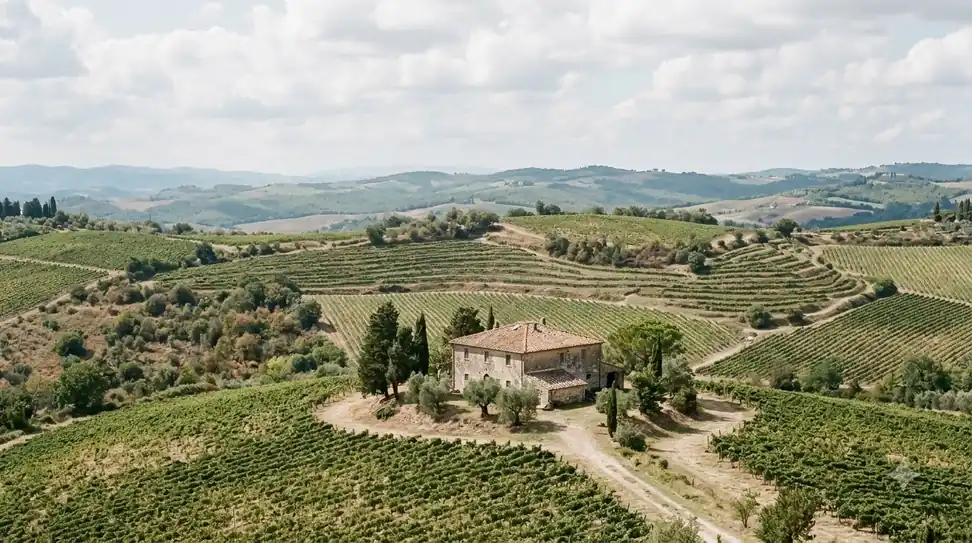
Austria is the variety’s home and its main stronghold. The Weinviertel DAC regional wine committee describes it as the flagship grape of the Weinviertel, while Wine Enthusiast identifies it as Austria’s most widely planted variety. The grape is commonly bottled on its own, allowing its citrus fruit, fresh acidity, and peppery character to come through without the need for a blend. For a closer look at the wine itself, see this explanation of what is gruner veltliner.
The Weinviertel DAC committee says the grape’s exact origin cannot be traced with certainty. Although evidence exists from Roman times, it was first documented in the eighteenth century in Lower Austria, north of the Danube; its modern rise accelerated in the 1950s, when Lenz Moser’s high vine-training system helped it spread through Austrian vineyards.
Grüner Veltliner is a late-ripening vine. It needs a long, warm autumn to complete ripening, which helps explain why northeast Austria is especially important to the variety. Its identity is therefore linked not just to its green-fruit and pepper notes but also to a growing season and landscape that allow those flavors to develop.
How Grüner Veltliner tastes
Most dry Grüner Veltliner tastes fresh and energetic, with high acidity, citrus and orchard fruit, and a savory white-pepper note. The exact balance changes with ripeness, site, and winemaking: some bottles are light and crisp, while others feel broader, more concentrated, and more layered.
Lime, lemon, grapefruit, green apple, and white peach are useful flavors to look for. The Wine Society’s grape guide lists lime, spice, white pepper, green apple, lemon, and white peach among the variety’s typical notes. A lighter wine may lean toward lemon zest, crunchy apple, and a brisk finish; a riper, fuller version may show peach, a rounder texture, and more sustained spice. Fresh herbs or a subtle vegetal edge can appear too, especially in wines picked for freshness rather than sheer ripeness.
White pepper is the signature detail that often separates Grüner from other crisp white wines. It is a savory seasoning impression rather than a sign that pepper has been added. In the Weinviertel, the regional committee describes the grape’s bouquet as peppery and fruity, usually made in a dry style. That combination makes the wine useful at the table: fruit keeps it approachable, acidity refreshes the palate, and spice gives it a savory dimension.
Dry is the usual style, but it does not mean every Grüner tastes austere or thin. A young, lighter bottle can feel brisk and delicate, while a more mature or premium bottling may have greater body and a richer texture. The grape can also be made as a sweet wine, in which ripe fruit and baking-spice notes are balanced by acidity. Sweet examples are less likely to be the first style encountered, but they are part of the variety’s range.
Austria’s leading Grüner Veltliner regions
Austria offers several distinct expressions of Grüner Veltliner, with the Weinviertel, Wachau, Kamptal, and Kremstal among the key regions to recognize. The region on the label gives a useful first clue about the wine’s likely weight, fruit profile, and level of concentration.
The Weinviertel lies in northeast Austria, south of the Thaya River, between the Manhartsberg ridge to the west and the Marchfeld to the east, reaching toward Vienna in the south. It is Austria’s largest wine-growing area, and its signature dry Grüner is sold under the Weinviertel DAC designation. The regional style is associated with freshness, lively acidity, fruit, and a peppery note, as described in Weinviertel DAC’s grape profile.
Southwest of the Weinviertel, the Wachau is known for steep vineyard terraces along the Danube and for concentrated Grüner Veltliner as well as Riesling. The Wine Society points to steep, south-facing slopes in the Wachau as a source of premium Grüner, where exposure brings ripeness while altitude helps preserve acidity. Wine Enthusiast’s Grüner Veltliner overview notes that high-quality Wachau wines may use the region’s classifications Steinfeder, Federspiel, and Smaragd. These names are specific to the Wachau system, not general sweetness labels for all Austrian whites.
Kamptal and Kremstal are also important names to know. Both produce recognizable Austrian expressions, with Kremstal often a useful starting point for fruity, everyday Grüner and Kamptal offering wines that can range from fresh to more structured. Other Austrian regions, including Wagram, Vienna, Traisental, and Burgenland, also grow the grape. Outside Austria, plantings appear in countries such as the Czech Republic, Slovakia, Hungary, Germany, and Italy, as well as in smaller New World vineyards.
Dry, rich, sparkling, and sweet styles
Grüner Veltliner is not a single fixed flavor or body style: the variety can produce crisp everyday whites, fuller wines with cellar potential, sparkling wine, and sweet late-harvest styles. Most drinkers will first encounter a dry, still bottling, but the grape has more range than that starting point suggests.
Simple, youthful Grüner is usually made to emphasize bright fruit and refreshing acidity. It is enjoyable soon after release, works well by the glass, and is a practical choice for casual meals. A dry regional wine from the Weinviertel or a fresh example from Kremstal can be a sensible starting point.
More ambitious Grüner may come from selected vineyards, older vines, lower yields, or sites with a strong regional identity. Such wines can show more weight and texture, with ripe stone fruit, savory spice, and a longer finish. They may develop in bottle rather than losing their freshness immediately. Wachau bottlings marked Steinfeder, Federspiel, or Smaragd offer one region-specific way to understand differences in style and concentration, although the classification should be read as part of the Wachau system.
Grüner can also be used for Austrian Sekt, the country’s sparkling wine, and for sweet wines. In sweet versions, ripe fruit and baking-spice notes are balanced by the grape’s natural acidity. The Weinviertel regional body also identifies botrytized sweet wines and ice wines among the possible styles, with some capable of long aging. If a bottle is described as sweet or dessert wine, pair it with a dessert that is equally sweet or less sweet than the wine, so the wine does not taste sharply acidic by comparison.
Food pairings for Grüner Veltliner
Grüner Veltliner is one of the more flexible white wines at the dinner table because its acidity, fruit, and peppery edge work with a broad range of dishes. It is especially good with fried foods, vegetables that can challenge wine pairings, seafood, poultry, and dishes with aromatic seasoning.
Wiener schnitzel is the classic Austrian match. The crisp coating and richness of the fried cutlet meet the wine’s acidity, which refreshes the palate between bites. The same idea works with fried chicken, tempura vegetables, potato pancakes, and other foods with a browned, crunchy exterior. Potato salad, dumplings, and noodles also make sense because the wine has enough flavor to keep simple starches from flattening the pairing.
Vegetables such as asparagus and artichokes can be awkward with some wines, but Grüner’s fresh acidity and savory character make it a strong choice. Try it with grilled asparagus, green salads, herbs, peas, or dishes featuring fresh fennel. For creamy sauces or nutty cheeses, choose a fuller Grüner rather than the lightest, sharpest style. The additional body has a better chance of matching the richness of the food.
Seafood pairings include sushi, sashimi, shellfish, and simply prepared white fish. A lighter Grüner is a natural partner for delicate fish and raw seafood, while a fuller version can handle richer preparations. For very oily fish, keep the preparation bright with citrus or herbs rather than relying on a heavily tannic red. Poultry, pork, and veal are also good options, especially when served with lemon, herbs, or a light pan sauce. Grüner can work with aromatic Asian dishes, including Thai or Vietnamese food, but keep the heat in mind. Chili can make alcohol feel hotter, so a very spicy dish is better with a fresh, lighter-bodied wine served cool rather than a powerful, high-alcohol bottling. For food with pronounced acidity, such as a vinegar-heavy salad or citrus dressing, match it with a wine that has equally lively acidity.
Tip: For a reliable first pairing, pour a dry, lighter Grüner Veltliner with schnitzel, fried chicken, asparagus, or sushi. Move to a fuller bottle for creamy sauces, pork, or richer seafood preparations.
How to serve, store, and choose a bottle
Serve most lighter Grüner Veltliner cool enough to emphasize its acidity and fruit, but not so cold that its pepper and herbal notes disappear. A fuller, more concentrated bottle can be served a little warmer to reveal its texture and aroma.
Use the guide below as a practical starting point. A lighter, fresher style fits the standard range for light white wines, while a richer version benefits from the slightly warmer range used for full-bodied whites. A standard 750-milliliter bottle provides about five servings when each pour is 5 ounces. If the wine has been stored in a refrigerator, let it sit briefly in the glass if it seems muted or overly cold. Avoid serving it warm; excess warmth makes the alcohol more apparent and can soften the refreshing impression that makes the grape appealing. A moderately sized white-wine glass gives the wine room to release its aromas without requiring a special shape.
| Wine or serving detail | Practical guide | Why it helps |
|---|---|---|
| Light, crisp Grüner | 45–50°F | Preserves freshness while allowing citrus and pepper to show |
| Fuller-bodied Grüner | 50–55°F | Gives richer texture and ripe fruit more room to open |
| Standard pour | 5 ounces | A measured glass leaves room to swirl and smell the wine |
| 750-milliliter bottle | About 5 glasses | Useful for planning a meal or sharing at the table |
When choosing a bottle, start with the style you want rather than assuming every Grüner will taste alike. For a crisp aperitif or a simple seafood meal, look for a dry, youthful bottling from the Weinviertel or Kremstal. For more weight and a longer finish, explore Wachau or Kamptal wines, including single-vineyard examples. A regional designation such as Weinviertel DAC can help identify a wine’s origin and expected style. If you are comparing bottles, the Grüner grape profile is a helpful reference, and this guide to how to pronounce gruner veltliner can make ordering it less of a guessing game.
Store unopened bottles in a cool, dark place with a steady temperature; around 55°F is a useful target for longer-term storage. Keep cork-finished bottles on their sides so the cork does not dry out. Most simple, fresh Grüner is intended for drinking while young, while more concentrated examples from the Wachau, Kamptal, or Kremstal can develop with time. After opening, keep the bottle in the refrigerator and aim to finish a still wine within 3–5 days, replacing the closure between pours to slow oxidation. For a tasting with several varieties, include Grüner in a broader Wine by Type lineup alongside Sauvignon Blanc, Riesling, and Chardonnay; the comparison makes its peppery, savory edge easier to recognize.
Frequently Asked Questions
These details answer common questions about the vine itself, including its five-lobed leaves, thick-skinned berries, and particular needs during flowering and ripening.
Was Grüner Veltliner ever called Grüner Muskateller?
Yes. The Weinviertel DAC regional committee says the grape was often incorrectly called Grüner Muskateller, and the mistaken name persisted in some use until 1930. Despite the old label, Grüner Veltliner is not simply another name for Muscat.
What does a Grüner Veltliner vine leaf look like?
The Weinviertel grape description identifies the leaf as medium to large with five lobes. Its edges are coarsely toothed, and the leaf stalk opening may be either open or closed. Those are vineyard identification details rather than qualities a drinker can detect in the glass.
Are Grüner Veltliner grapes thick-skinned?
Yes. The berries are described as large, round to elongated, and green to yellow-green, with thick skins. At advanced ripeness, they can turn a fox-yellow color and develop brown spots.
Is Grüner Veltliner difficult to grow?
It has some specific vineyard challenges. The grape is sensitive during flowering, ripens relatively late, and is susceptible to downy and powdery mildew. A long, warm autumn helps it reach maturity.
Why do some Grüner Veltliner wines taste more concentrated than others?
Vineyard yields are one factor. Wine Enthusiast notes that the variety can produce large crops, but higher yields can result in wines with less varietal character, so leading producers may restrict yields to make fuller, more distinctive wines. Site and ripeness also shape the final style.
Grüner Veltliner is a useful bottle to know if you enjoy white wines with freshness, savory spice, and enough character to pair with a full meal. Start with a dry Austrian example from the Weinviertel or Kremstal, then compare it with a richer Wachau or Kamptal bottling to see how much the grape’s style can change. The next step is simple: try it with schnitzel, asparagus, or sushi and notice how the acidity and peppery finish work with the food.
More in Wine Types & Grapes
 Zinfandel Sugar Content: Dry Red vs. White Zinfandel GramsUpdated Nov 21, 2026
 Best Zinfandel Substitute Options for Sipping and CookingUpdated Nov 21, 2026
 Zweigelt Food Pairing: Best Dishes, Cheeses, and Serving TipsUpdated Nov 21, 2026
 Zinfandel Tannins Explained: How Structure Shapes Every BottleUpdated Nov 21, 2026
 Zinfandel Sweetness Level: Dry Red vs. Sweet White Zin ExplainedUpdated Nov 21, 2026
 Xinomavro Food Pairing: Best Dishes, Styles, and Serving TipsUpdated Nov 21, 2026