

We may earn a commission when you buy through links on this page, at no extra cost to you. Learn more.
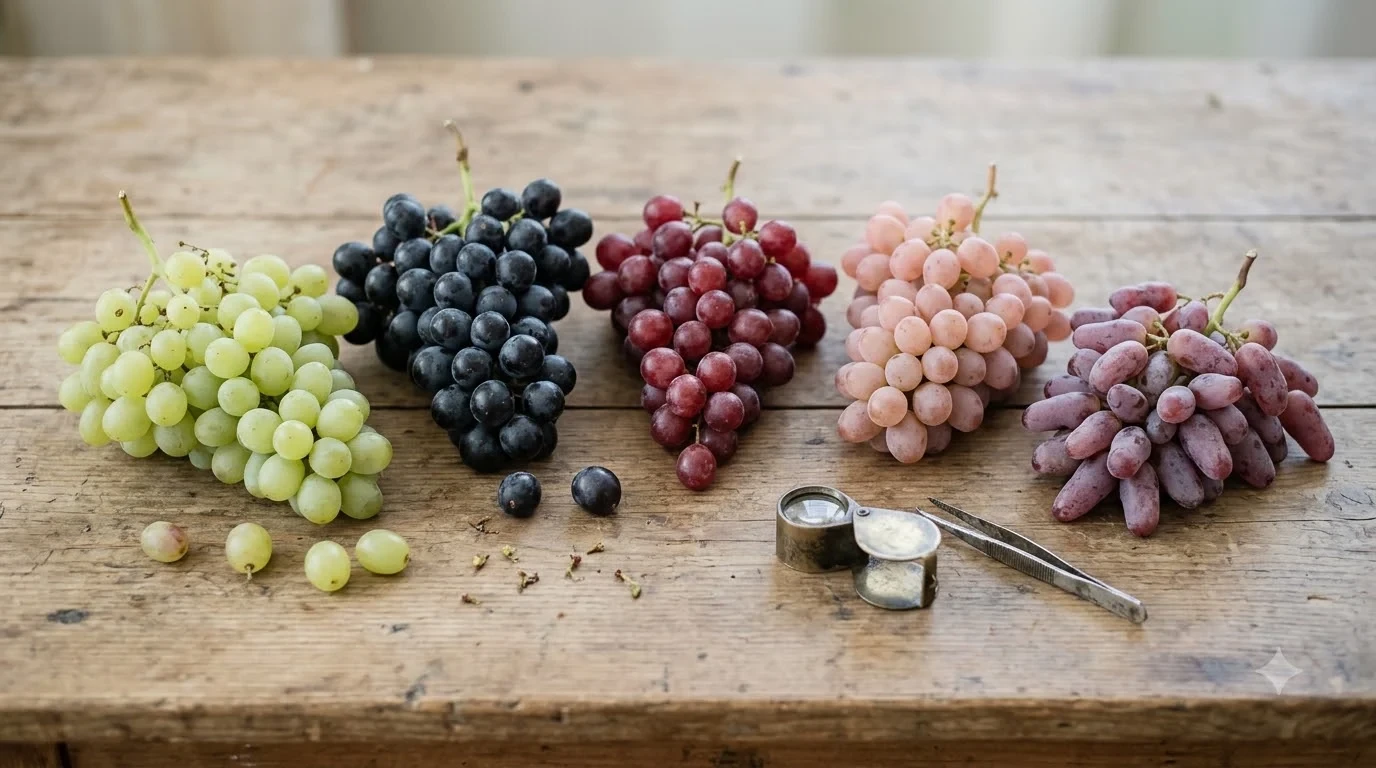
If you are wondering what is criolla, it is a historic family of wine grapes native to the Americas that descended from the earliest Spanish vines brought across the Atlantic in the sixteenth century. Known under regional names like Criolla Chica, Criolla Grande, País in Chile, and Mission in California, these grapes produce pale, bright, and refreshingly light-bodied red and rosé wines. After decades of being overlooked in favor of heavier international varieties, Criolla has reemerged as South America’s most exciting heritage wine movement.
For much of the twentieth century, high-yielding Criolla vines supplied everyday table wine across Argentina, Chile, and Peru while Cabernet Sauvignon and Malbec claimed the international spotlight. Today, a new generation of winemakers is harvesting century-old, dry-farmed Criolla vineyards to craft energetic, food-friendly bottles that reflect five hundred years of New World viticultural history.
What It Is
Criolla is not a single grape variety, but rather an umbrella term covering more than one hundred distinct grape cultivars born in the Americas from Spanish Vitis vinifera ancestors. The name itself derives from a colonial Spanish term used to describe anything of European lineage born and raised in the New World.
The foundation of the entire Criolla family is Listán Prieto, a hardy red grape originally from Castilla-La Mancha in Spain that missionaries carried to Mexico, Peru, Chile, and Argentina beginning in the 1500s. As those original European vines adapted to new climates and cross-pollinated with other imported grapes like Moscatel de Alejandría, dozens of genetically unique American offspring emerged. According to researchers and regional wine historians, Criolla Chica—the Argentine name for pure Listán Prieto—crossed naturally with Moscatel de Alejandría to create Torrontés, Argentina’s signature aromatic white grape, as well as Criolla Grande and Cereza.
For decades, Argentine wine regulations classified Criolla varieties solely as rosé grapes, preventing wineries from labeling pale red bottlings as varietal red wines. That changed in August 2024, when Argentina’s National Institute of Vitiviniculture officially granted Criolla Chica quality red grape status, as reported by Decanter. The ruling opened the door for producers to bottle and export pure, lighter-hued Criolla reds alongside traditional rosés and field blends, cementing the family’s modern revival.
Flavor and Styles
Most Criolla wines pour a translucent ruby, pale cherry, or deep salmon hue and deliver vibrant red-berry aromatics backed by brisk natural acidity and gentle to moderately firm tannins. Rather than relying on heavy oak aging or high extraction, modern producers emphasize freshness, floral lift, and savory earthiness.
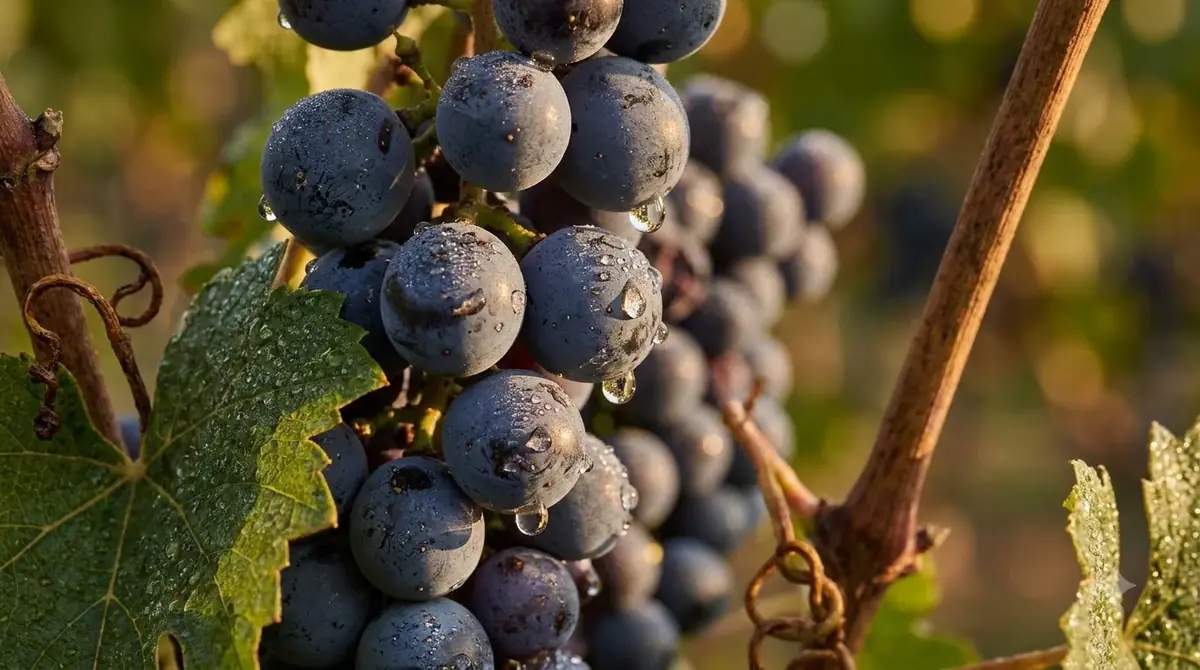
In the glass, a well-made Criolla Chica or Chilean País typically opens with notes of wild strawberry, sour red cherry, cranberry, and crushed rose petals. Beneath the bright fruit, you will often notice savory undertones of dried mountain herbs, white pepper, wet stone, and subtle earth. Because the skins of Criolla grapes carry relatively light pigment compared to Malbec or Syrah, the resulting wines look almost like a dark rosé or a pale Pinot Noir, yet they possess surprising structural grip on the mid-palate.
Winemakers work with Criolla across several distinct styles depending on vineyard elevation, vine age, and fermentation vessel. The most common expressions include crisp, dry rosés fermented in stainless steel; juicy, chillable light reds aged in concrete vats or neutral clay amphorae; and rustic, low-intervention field blends called Pipeño in Chile. In Peru, aromatic Criolla varieties such as Quebranta and Negra Criolla also serve as the primary base grapes for distilling Pisco. Alcohol levels typically sit in a refreshing moderate range between 11.5% and 13.5% ABV, keeping the palate lively and balanced.
| Criolla Variety / Synonym | Primary Country | Grape Skin Color | Typical Wine Style & Profile |
|---|---|---|---|
| Criolla Chica (Listán Prieto) | Argentina | Red (pale pigment) | Light-bodied, translucent red with sour cherry, wild strawberry, dried herbs, and lively tannins |
| País | Chile | Red (pale pigment) | Rustic, earthy light red or traditional Pipeño with cranberry, floral notes, and bright acidity |
| Mission | United States & Mexico | Red (pale pigment) | Fresh, aromatic light red or rosé with red currant, spice, and soft texture |
| Criolla Grande | Argentina | Pink-red | Crisp, easy-drinking dry rosé and light table blends with watermelon and red berry notes |
| Cereza | Argentina | Pink | Delicate, floral rosé and aromatic white-style pressings with peach and strawberry flavors |
| Torrontés Riojano | Argentina | White (Criolla offspring) | Highly aromatic dry white with white blossom, citrus zest, and stone fruit |
Where It Grows
Criolla vineyards stretch along the spine of the Andes from northern Argentina and central Chile through Bolivia and Peru, with smaller historic plantings surviving in California and Mexico. Many of these surviving parcels are dry-farmed bush vines that are forty to over two hundred years old.
Argentina holds the largest concentration of Criolla plantings in the world, spanning tens of thousands of hectares across Mendoza, San Juan, Salta, Catamarca, and Jujuy. High-altitude valleys such as Valle de Calingasta in San Juan and the Valles Calchaquíes in Salta have become epicenters for single-vineyard Criolla Chica, where cool mountain nights preserve razor-sharp acidity and intense floral aromatics. As VinePair notes in its overview of Argentine wine history, Listán Prieto arrived in Argentina as Criolla Chica and eventually gave rise to Torrontés in Salta’s high-elevation vineyards.
Across the Andes in Chile, the exact same grape is known as País and covers roughly 9,600 hectares, primarily in the southern regions of Maule, Itata, and Bío-Bío. Here, old head-trained vines grow in granitic and volcanic soils without irrigation, producing deeply mineral, savory reds that contrast sharply with Chile’s richer Central Valley Cabernet Sauvignons. Meanwhile, in California, historic Mission vines planted in the eighteenth century still survive in Lodi, Amador County, and Santa Barbara County, where boutique winemakers bottle small-lot heritage reds.
How to Serve
Serve red and rosé Criolla wines slightly chilled—ideally between 54°F and 57°F (12°C to 14°C)—to highlight their crunchy red fruit and keep their bright acidity crisp. Serving Criolla at warm room temperature dulls its delicate aromatics and can make the alcohol feel overly prominent.
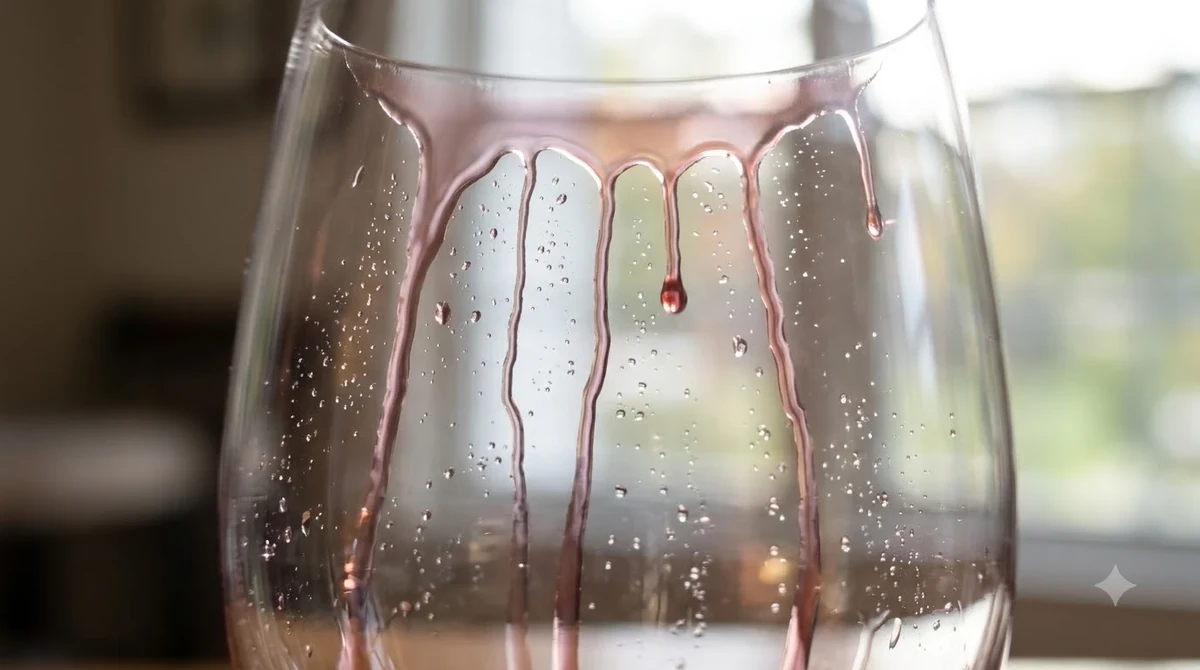
If your bottle is stored on a kitchen counter or in a warm pantry, place it in the refrigerator for 20 to 30 minutes before pouring. Rosé bottlings made from Criolla Grande or Cereza can be chilled slightly colder, around 48°F to 52°F (9°C to 11°C), while fuller-textured old-vine Criolla Chica from high-altitude concrete or amphora aging shines right around 55°F (13°C). Use a standard universal wine glass or a slightly wider Burgundy-style bowl so the subtle floral and herbal aromas have room to open up.
Because modern Criolla wines are crafted for youthful vibrancy rather than decades of bottle aging, decanting is rarely necessary. Simply pull the cork or unscrew the cap, pour a glass, and let the wine evolve over the course of a meal. If you do not finish the bottle in one sitting, recork it and store it upright in the refrigerator; the wine’s natural acidity will keep it fresh and enjoyable for two to three days.
Tip: Treat a bottle of Criolla Chica or Chilean País the same way you would a village-level Beaujolais or cool-climate Pinot Noir—a brief chill in the fridge before dinner transforms it into an effortless warm-weather red.
Food Pairing
Criolla’s combination of light body, mouthwatering acidity, and low-to-moderate tannins makes it one of the most versatile food wines on the table. It bridges the gap between white and red wine, handling dishes that would overwhelm a delicate Sauvignon Blanc or clash with a heavily oaked Cabernet Sauvignon.
In its South American homeland, Criolla is the natural companion to baked beef or cheese empanadas, choripán (grilled sausage sandwiches), and charred vegetables cooked over wood embers. The wine’s brisk acidity slices right through savory fat and smoky char without weighing down the palate. If you enjoy lighter red varieties at the dinner table—much like readers exploring pinot noir carbs or low-tannin reds for weeknight meals—you will find that Criolla pairs effortlessly with roast chicken, grilled salmon, pork tenderloin, and mushroom risotto.
It also shines alongside mildly spiced and herbaceous dishes, such as street tacos with salsa verde, roasted red peppers, lentil stews, and young cow’s or goat’s milk cheeses like queso fresco and chèvre. Because the tannins are gentle and free of heavy oak astringency, Criolla will not turn bitter next to slightly spicy seasonings or tomato-based pasta sauces. For a broader look at how light-bodied reds fit into the wider spectrum of wine styles, explore our guide to Wine by Type.
How to Choose a Bottle
When shopping for Criolla, look closely at the front and back labels for specific grape names, vineyard elevation, and clues about winemaking style. Because the word “Criolla” covers both simple bulk wines and artisanal old-vine bottlings, a few quick label checks will steer you toward the most expressive bottles.
First, scan the label for named varieties such as Criolla Chica, País, or Mission, which generally offer greater aromatic complexity and structural definition than generic blends. Producers working with heritage vineyards almost always highlight details like “old vines” (viñas viejas), “dry-farmed,” or specific high-altitude sub-regions such as Valle de Calingasta, Valles Calchaquíes, Itata, or Maule. Mention of concrete eggs, clay amphorae (tinajas), or neutral oak indicates a pure, fruit-driven style rather than a heavily oaked wine.
Finally, pay attention to vintage dates and alcohol levels on the back label. Seek out recent vintages within two to four years of the current harvest so the bright strawberry and floral aromatics are at their peak, and favor bottles listing an ABV between 11.5% and 13.5% for the liveliest balance. If you want to compare Criolla’s light, dry profile against richer or sweeter wine traditions, you can also read about recioto wine or see how light reds work in seasonal recipes like pinot noir sangria.
Frequently Asked Questions
Is Criolla a red wine or a white wine?
Criolla is primarily a family of red- and pink-skinned grapes, including Criolla Chica, Criolla Grande, and Cereza, which produce pale, light-bodied red wines and crisp rosés. However, natural cross-pollination in South America also produced white-skinned Criolla descendants, most notably Argentina’s aromatic Torrontés grape.
Are Criolla, País, and Mission the same grape?
Yes, Criolla Chica in Argentina, País in Chile, and Mission in California and Mexico are all regional names for the exact same Spanish grape variety, Listán Prieto. Spanish missionaries brought the vine across the Americas in the sixteenth century, and each region developed its own local name over the centuries.
What does Criolla wine taste like?
Most Criolla wines taste bright, juicy, and refreshing, featuring aromas of wild strawberry, sour cherry, cranberry, and rose petals layered over subtle notes of dried herbs and earth. They are light-bodied with brisk acidity and gentle tannins, making them closer in texture to Pinot Noir or Beaujolais than to Malbec.
Should you chill Criolla wine before drinking?
Yes, serving red Criolla slightly chilled at 54°F to 57°F (12°C to 14°C) brings out its vibrant red fruit and keeps its natural acidity lively. Placing the bottle in the refrigerator for about 20 to 30 minutes before serving prevents the wine from tasting flat or overly warm.
From ancient dry-farmed bush vines in southern Chile to high-altitude Andean valleys in Argentina, Criolla offers a direct link to the earliest days of winemaking in the Americas. Whether you pour a chilled glass of Criolla Chica with weeknight tacos or open an old-vine País alongside roast poultry, these heritage grapes deliver unmistakable character without the weight of heavy oak or high alcohol.
More in Wine Types & Grapes
 Zinfandel Sugar Content: Dry Red vs. White Zinfandel GramsUpdated Nov 21, 2026
 Best Zinfandel Substitute Options for Sipping and CookingUpdated Nov 21, 2026
 Zweigelt Food Pairing: Best Dishes, Cheeses, and Serving TipsUpdated Nov 21, 2026
 Zinfandel Tannins Explained: How Structure Shapes Every BottleUpdated Nov 21, 2026
 Zinfandel Sweetness Level: Dry Red vs. Sweet White Zin ExplainedUpdated Nov 21, 2026
 Xinomavro Food Pairing: Best Dishes, Styles, and Serving TipsUpdated Nov 21, 2026