

We may earn a commission when you buy through links on this page, at no extra cost to you. Learn more.
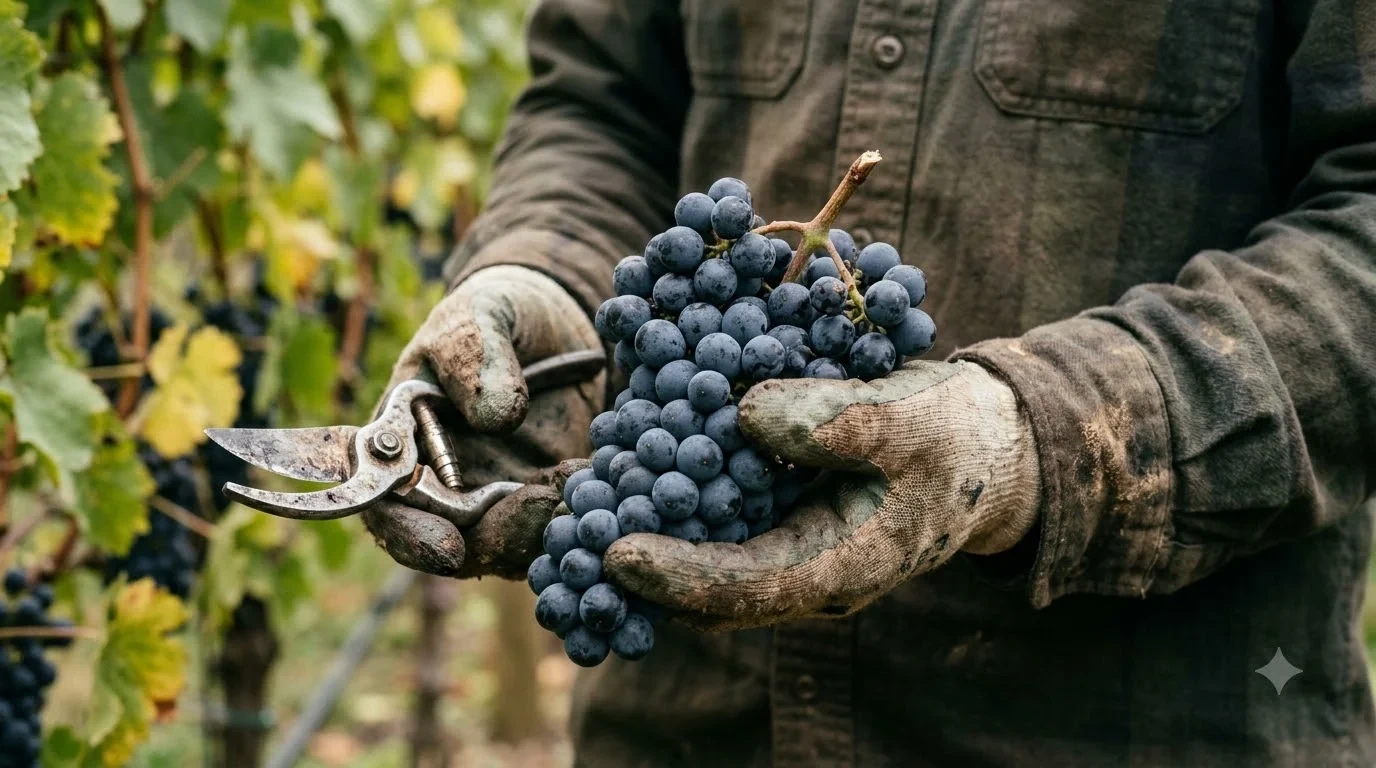
What is concord? Concord is a dark, slip-skinned American grape of the species Vitis labrusca, named after Concord, Massachusetts, where it was developed in the mid-1800s. It is best known for juice, jelly, and sweet or off-dry wine rather than for dry table wine. According to Wine Folly, it is the most planted grape in New York State, and its flavor is loud and musky, very different from the European grapes most wine drinkers know.
Most people first meet Concord on a jar of grape jelly or in a glass of juice, not in a wine bar. That makes the name familiar but the grape itself less understood. This guide covers what Concord is, how it tastes, where it grows, how its wine is served, and what to pair it with, so you can recognize the name on a label or in a recipe.
Where the Concord grape came from
Concord is a native American grape, not a European vinifera variety. It belongs to Vitis labrusca, the species that grew wild across the eastern United States long before European settlers planted their own vines. That origin matters, because it explains the grape’s distinctive character and why it grows well in cold, humid climates where many European grapes struggle.
The grape was developed in Massachusetts and quickly spread through the Northeast and Midwest. Its hardiness and high yields made it a dependable choice for farmers, and it became the standard grape for American juice and jelly. Today it remains closely tied to New York State vineyards, especially in the Finger Lakes region.
What Concord tastes like
Concord has a strong, unmistakable profile. Wine Folly’s Concord grape page lists its primary flavors as grape, plum sauce, musk, and potting soil, with a surprising touch of cumin. Those earthy, spicy notes are the reason some people love the grape and others find it too intense for their taste. Fresh Concord grapes also have a bold, sweet-tart pop that carries through to juice and jelly.
As a wine, Concord is usually made off-dry, meaning it keeps some natural sugar and tastes noticeably sweet. The body is medium to full, with medium tannins and medium acidity, and the alcohol typically falls between 13.5 and 15 percent by volume. Because of its sweetness and strong fruit, it is not built for long aging the way a Cabernet is.
The skin is where much of the character lives. Concord’s thick, deep blue-black skin holds a high concentration of color and aroma, which is why the grape stains everything it touches and why its juice tastes so intense. Winemakers who leave the skins in contact with the juice during fermentation get a darker, more structured wine, while a quicker press produces a lighter, brighter glass. Either way, the wine keeps the grape’s signature sweetness and spice, so the style stays recognizable from one bottle to the next.
| Form | Typical use | What to expect |
|---|---|---|
| Fresh grapes | Eating, baking, pies | Sweet, tart, strongly aromatic skin |
| Juice | Breakfast and mixers | Bold grape flavor, often sweetened |
| Jelly and spreads | Toast, sauces, glazes | Thick, sweet, with the grape’s musky edge |
| Off-dry wine | Casual sipping, dessert-style pours | Fruit-forward, sweet, medium body |
How Concord wine is made and served
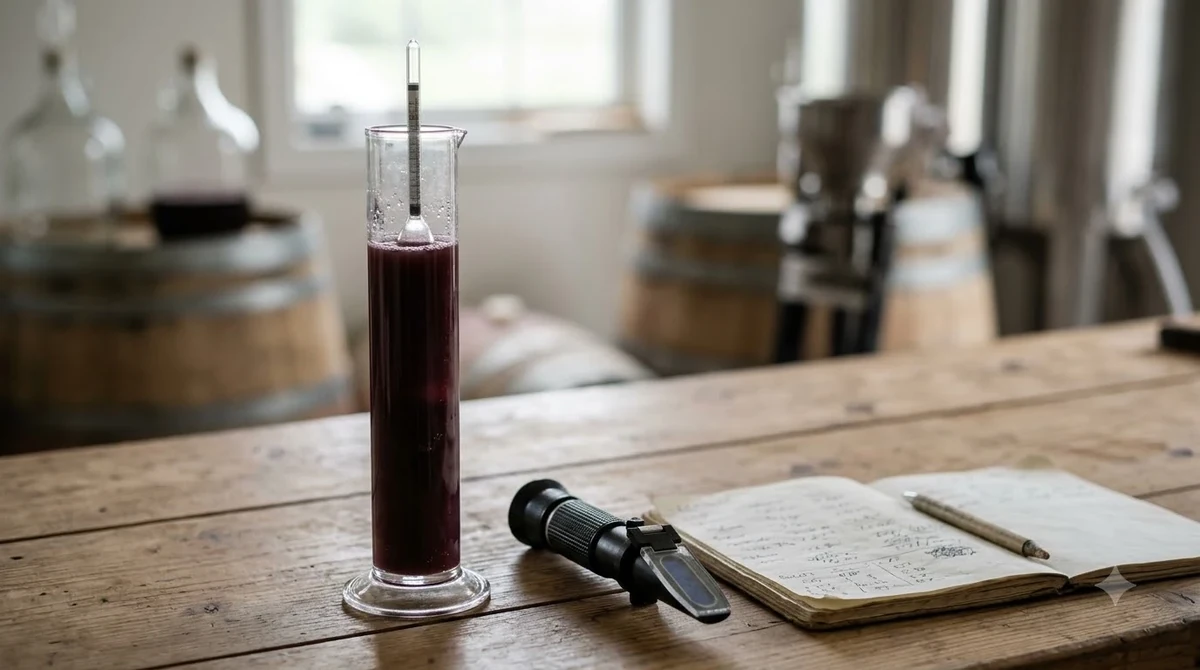
Concord wine is produced in the same basic way as other red wines, but the grape’s high fruit flavor and natural sweetness shape the final result. Winemakers often keep some residual sugar to balance the strong flavor, while others ferment the wine fully dry for a sharper style. The label usually makes the difference clear, so check whether the bottle says dry, semi-sweet, or sweet.
For serving, Wine Folly suggests a temperature of 55 to 60°F (12 to 15°C). Served slightly cool, the wine shows more fruit and less alcohol heat. A standard wine glass is fine, and there is no need to decant a young Concord wine, since it has little tannin to soften.
Where Concord is grown
Concord is grown most widely in the eastern United States, where it handles cold winters and humid summers. New York leads in acreage, and vineyards in the Finger Lakes, Lake Erie, and Hudson Valley areas produce much of the grape. Smaller plantings exist in Michigan, Ohio, Pennsylvania, and parts of Canada, usually for juice or local wine.
Because the grape is grown for practical uses, you will rarely see it marketed as a fine wine. Its value lies in juice, jelly, and fruit-forward sipping wines that fit a casual table. If you want a deeper look at how American grapes compare with European ones, the chambourcin wine guide covers another hybrid red that grows in cold-climate vineyards.
Food pairings for Concord
Concord’s sweetness and strong fruit make it a good partner for food with bold flavors. Barbecue with a sweet or smoky sauce is a natural match, since the wine’s sugar and musky notes stand up to the sauce. Aged cheeses such as cheddar and Gouda also work, because their salt and nuttiness balance the grape’s sweetness.
Concord pairs well with desserts built on fruit, such as berry crisps, apple pie, and dark chocolate cake. It is less suited to delicate fish or light salads, which can be overwhelmed by its boldness. As a rule, match the wine’s sweetness with a dish that has some sugar or fat to hold its own.
How to tell if you will like Concord
Concord suits people who enjoy big, fruity flavors and do not mind an earthy, musky edge. If you usually drink dry European reds, expect a noticeably different style. Start with a small bottle, chill it slightly, and taste it with a simple dish to see whether the flavor works for you.
If you are new to the grape, try it first as juice or jelly, since those forms show the same flavor profile without the alcohol. Once you know the taste, a sweet Concord wine can be a pleasant change for a casual evening. For a broader view of how wine styles differ, the wine by type guide places sweet and dry wines side by side.
Frequently Asked Questions
What is concord wine?
Concord wine is a red wine made from the Concord grape, an American species called Vitis labrusca. It is usually off-dry, with a bold, musky fruit flavor and a medium body. It is most often sold as a casual sipping wine rather than as a fine table wine.
Is concord a grape or a wine?
Concord is a grape. Wine made from it is called Concord wine, and the same grape is used for juice, jelly, and flavorings. The name describes the variety itself, so you will see it on grape products as well as on bottles.
Is concord wine sweet?
Most Concord wines are off-dry or sweet because the grape has strong fruit and natural sugar. Some producers ferment the wine drier, so check the label for the sweetness level. Sweetness is a matter of style, and a dry Concord will taste sharper and more tannic.
How should I serve concord wine?
Serve Concord slightly chilled, around 55 to 60°F (12 to 15°C), in a standard wine glass. It does not need decanting. Pair it with barbecue, aged cheese, or fruit desserts for the best balance.
What is concord, in the end? It is a bold American grape that shows up in juice, jelly, and sweet wine, with a musky, fruit-forward character that sets it apart from European varieties. If you are curious, start with a chilled glass alongside barbecue or a fruit dessert, and compare it with other wine styles in the wine by type guide.
More in Wine Types & Grapes
 Zinfandel Sugar Content: Dry Red vs. White Zinfandel GramsUpdated Nov 21, 2026
 Best Zinfandel Substitute Options for Sipping and CookingUpdated Nov 21, 2026
 Zweigelt Food Pairing: Best Dishes, Cheeses, and Serving TipsUpdated Nov 21, 2026
 Zinfandel Tannins Explained: How Structure Shapes Every BottleUpdated Nov 21, 2026
 Zinfandel Sweetness Level: Dry Red vs. Sweet White Zin ExplainedUpdated Nov 21, 2026
 Xinomavro Food Pairing: Best Dishes, Styles, and Serving TipsUpdated Nov 21, 2026