

We may earn a commission when you buy through links on this page, at no extra cost to you. Learn more.
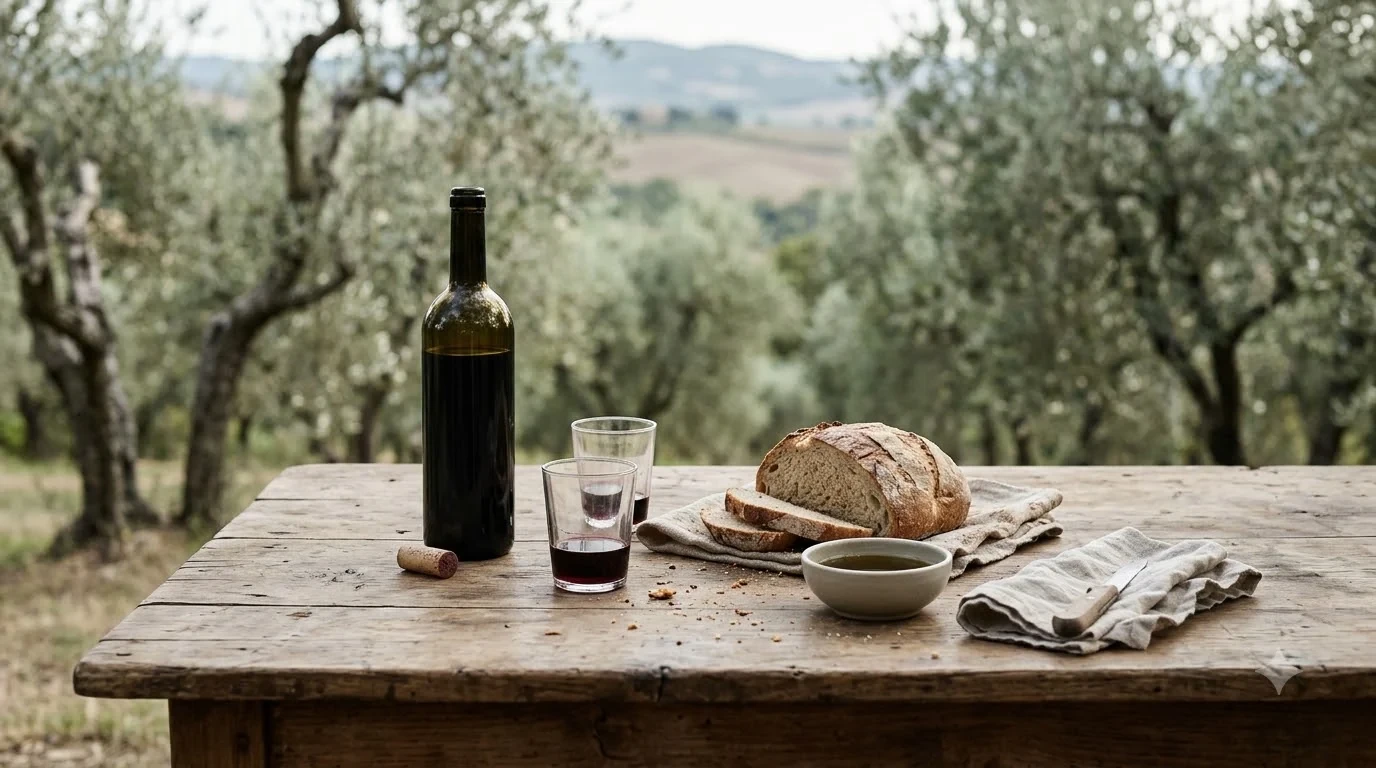
So, what is Chianti? It is a dry red wine from Tuscany, Italy, made mainly from the Sangiovese grape. It is known for cherry and plum fruit, tomato-leaf and herbal notes, and firm acidity that suits tomato-based food. The name covers a large Tuscan wine appellation, and a smaller, historic zone inside it called Chianti Classico.
Chianti is one of the best-known Italian red wines outside Italy, and it is often the first Sangiovese bottle that shoppers meet. Understanding the name helps you read labels and choose a style that fits your meal.
This guide explains where Chianti is made, what the wine tastes like, how the different labels work, and how to serve and pair it.
What Chianti Is
Chianti is a designation of origin, meaning the wine must come from a defined area and follow production rules. The wine is dry, with the Sangiovese grape providing most of the character. Chianti has a long history, and a 1398 notarial record mentions the name in reference to wine, according to the Chianti consortium.
In everyday use, people say “Chianti” for the wine from the wider appellation, and “Chianti Classico” for the wine from the heart of the zone. Both are Sangiovese-based, but they can differ in style, price and labeling rules.
The bottle itself has a story. Wine Folly notes that Chianti was once sold in straw-wrapped bottles called fiascos. Those woven bottles became a familiar sight on Italian tables and in trattorias, and they remain a popular image of the wine even though most bottles now use standard glass.
Where Chianti Is Made
The Chianti DOCG production area covers parts of six Tuscan provinces: Florence, Siena, Arezzo, Pisa, Pistoia and Prato. That is a broad zone, with hills, valleys and varied soils, so the wines can taste quite different from one sub-area to the next.
Inside that larger area sits Chianti Classico. The consortium for Chianti Classico describes the territory as lying in Tuscany, centered on the cities of Siena and Florence, and covering about 71,800 hectares. The Black Rooster, or Gallo Nero, is the emblem of the denomination. Many people look for that symbol on the bottle when they want the classic version of the zone.
Harvest in the Chianti Classico area typically runs from the first half of September to the second half of October, depending on the vineyard’s location and altitude. Cooler, higher sites tend to ripen more slowly and can keep more acidity.
Inside the wider Chianti zone, the Classico area is smaller and more tightly defined. Producers there often describe their wines as more structured and more closely tied to the local landscape. The distinction matters less for an everyday bottle, but it can make a real difference when you want a special dinner red or a wine to age for several years.
Sangiovese: The Grape Behind Chianti
Sangiovese is the main grape in Chianti, and it gives the wine its signature structure. Wine Folly describes Chianti as a Tuscan, Sangiovese-based wine, with medium-high acidity and high tannins. Those two features make the wine firm and food-friendly, and they are the reason Chianti pairs so well with tomatoes, olive oil and grilled meats.
Sangiovese can produce a range of styles depending on the winemaker. Some bottles are fresh and fruit-driven and meant for early drinking. Others are aged longer in wood and show more savory, earthy character. The grape is adaptable, which explains why Chianti spans everything from simple everyday bottles to serious cellar wines.
Flavor and Style
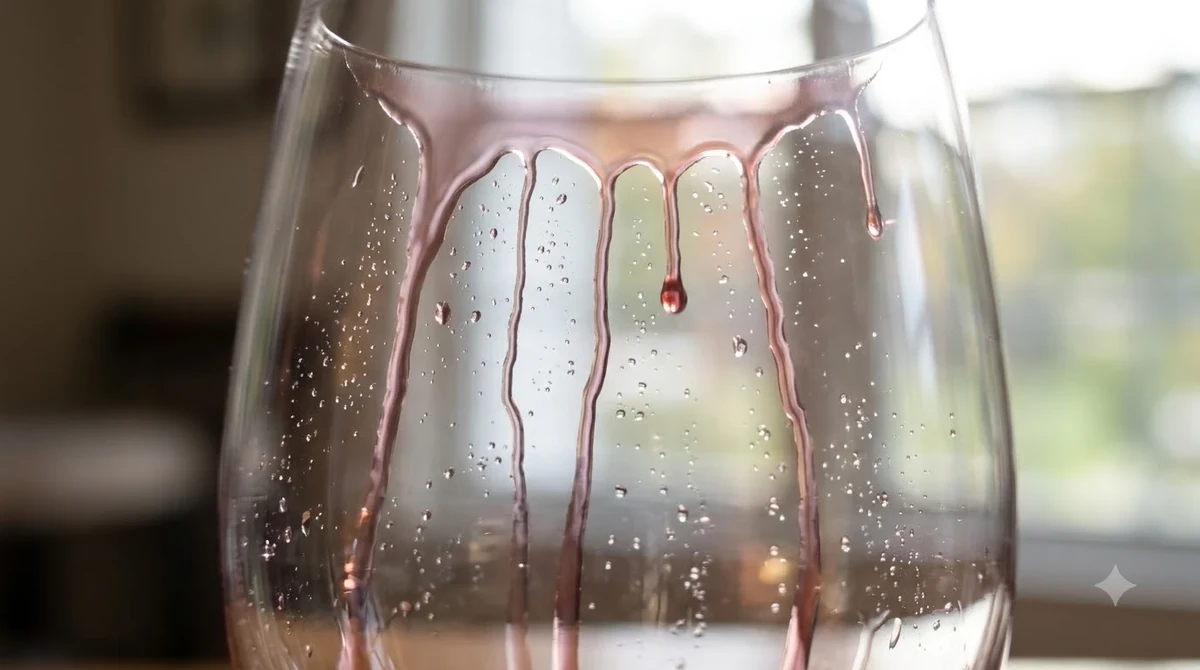
The typical Chianti profile starts with cherry and plum, then moves into tomato leaf, dried herbs, leather and a faint clay or earthy note. The wine is usually bone-dry with a medium to full body. Acidity keeps the glass lively, and the tannins give a gripping texture that softens with food.
| Feature | Typical Chianti |
|---|---|
| Style | Dry red wine |
| Main grape | Sangiovese |
| Body | Medium to full |
| Acidity | Medium-high |
| Tannins | High |
| Main flavors | Cherry, plum, tomato leaf, leather, herbs |
| Alcohol range | About 11.5% to 13.5% ABV |
Chianti Classico, Riserva and Gran Selezione
Labels can seem confusing at first. A basic Chianti is the widest category and usually the most accessible. Chianti Classico carries the Gallo Nero on the neck, and terms such as Annata, Riserva and Gran Selezione describe the vintage and aging approach. A Riserva has spent longer aging before release, while Gran Selezione is a newer, more selective tier for estate-grown wines within the Classico area.
When you buy, read the label for the zone and the category rather than relying on the price or color. The wine’s category tells you more about the style than the name alone.
How to Serve Chianti
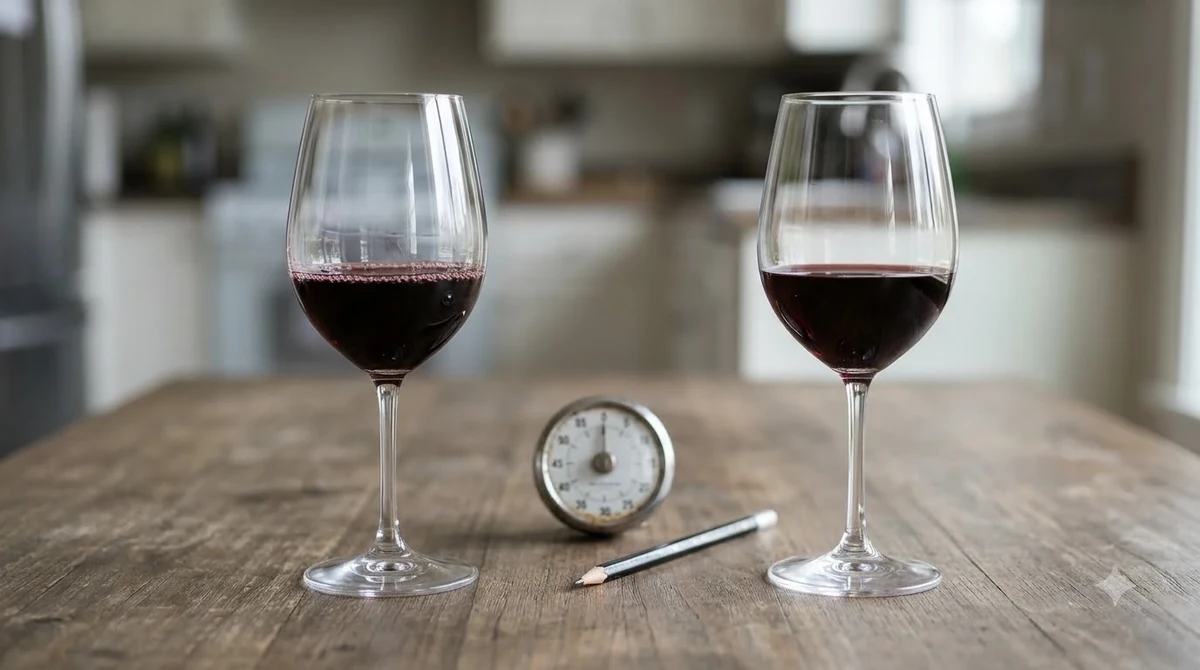
Serve Chianti at about 60 to 68°F (15 to 20°C), a little cooler than most room-temperature reds. A universal glass is a good choice, and it lets the aromas open. Younger bottles often benefit from a short decant of around 30 minutes, which softens the tannins and lets the fruit come forward.
Many Chianti bottles improve with time in the cellar. Wine Folly suggests that cellaring for five to ten years can bring out more depth, though most everyday bottles are enjoyed within a few years of the vintage.
Tip: If the wine tastes sharp or thin, let it sit in the glass for ten minutes. The acidity and fruit often settle into better balance as the wine warms slightly.
Food Pairing Ideas
High-acid wines work well with high-acid foods, and Chianti is a classic example. Tomato-based dishes are the most obvious match, from a simple pasta sauce to a rich lasagna. Grilled meats, roast poultry and mushroom dishes also suit the wine’s firm structure.
Try Chianti with spaghetti and meatballs, a vegetable lasagna, bistecca alla fiorentina or a plate of aged cheese. Avoid very delicate fish, which can taste thin next to the tannins.
How to Choose a Chianti
For an easy, everyday red, look for a basic Chianti from the wider DOCG area and a recent vintage. For more structure and a fuller profile, choose a Chianti Classico, especially a Riserva. If you want to see how the grape compares with other reds, the cabernet franc wine guide covers another dry red with firm structure, and the Wine by Type section groups the main styles together.
Read the back label for the producer and vintage. Chianti can vary widely between estates, so a good producer name is often a better guide than the region alone. Ask a shop staff member for a bottle that matches your meal if you are unsure.
Common Mistakes When Buying Chianti
The most common mistake is serving Chianti too warm. A glass near room temperature in a hot dining room can taste heavy and alcoholic, while a slightly cooler pour keeps the fruit and acidity in balance. Another mistake is assuming that all Chianti tastes the same. The name covers a large zone with many producers, so one bottle may be bright and simple while another is firm and savory.
Shoppers also sometimes skip the vintage. A younger Chianti is usually more fruit-forward, while an older bottle from a good year may show more earthy and leathery notes. Check the date, then match it to the dish you plan to cook.
Frequently Asked Questions
What is Chianti made from?
Chianti is made mainly from Sangiovese, a red grape grown across Tuscany. Its profile is dry and savory, with bright acidity.
Is Chianti sweet or dry?
Chianti is dry. Its fruit comes across as ripe cherry and plum rather than sugar, and the acidity keeps the finish clean.
What is the difference between Chianti and Chianti Classico?
Chianti Classico comes from the historic heart of the appellation, marked by the Black Rooster on the bottle. The wider Chianti zone covers parts of six Tuscan provinces, so styles can vary more.
Should Chianti be decanted?
Younger bottles often benefit from about 30 minutes of decanting. Older bottles with sediment may need more careful handling, so decant them gently.
Chianti is an approachable Italian red with a clear identity. Start with a basic bottle served slightly cool, then move up to Chianti Classico or Riserva once you know the style. It is a practical and food-friendly wine for everyday dinners.
More in Wine Types & Grapes
 Zinfandel Sugar Content: Dry Red vs. White Zinfandel GramsUpdated Nov 21, 2026
 Best Zinfandel Substitute Options for Sipping and CookingUpdated Nov 21, 2026
 Zweigelt Food Pairing: Best Dishes, Cheeses, and Serving TipsUpdated Nov 21, 2026
 Zinfandel Tannins Explained: How Structure Shapes Every BottleUpdated Nov 21, 2026
 Zinfandel Sweetness Level: Dry Red vs. Sweet White Zin ExplainedUpdated Nov 21, 2026
 Xinomavro Food Pairing: Best Dishes, Styles, and Serving TipsUpdated Nov 21, 2026