

We may earn a commission when you buy through links on this page, at no extra cost to you. Learn more.
What is champagne? It is a sparkling wine from the Champagne region of France, made mainly from Chardonnay, Pinot Noir and Pinot Meunier grapes. The name is protected, so only sparkling wine made in that region, under its rules, can carry it. Its bubbles come from a second fermentation inside the bottle, and it is usually served cold in a flute.
Many people use “champagne” as a general word for any celebratory bubbly, but the term has a precise meaning. Knowing what makes a wine champagne helps you read labels, understand why prices and styles vary so much, and choose the right bottle for a toast, a holiday meal or a simple evening at home. This guide explains the basics in plain terms.
What Champagne Is
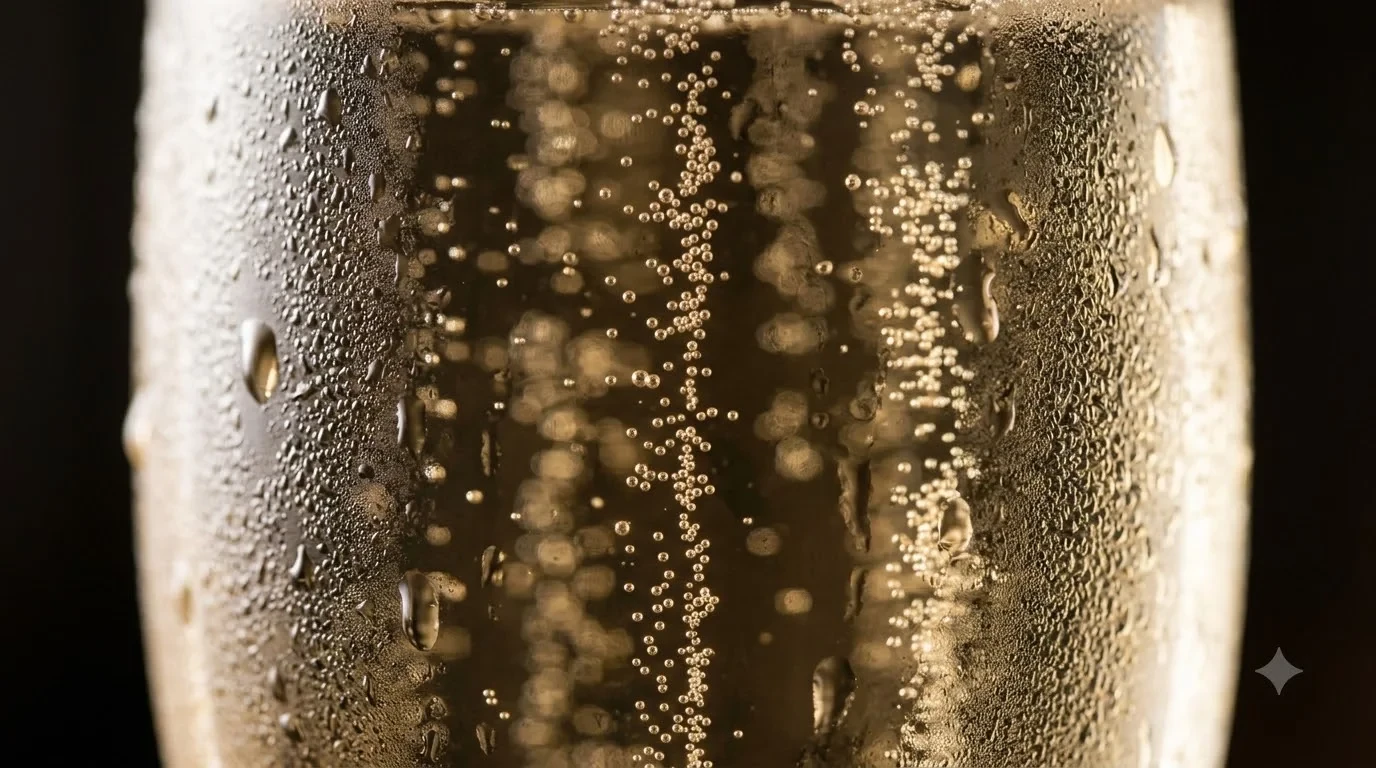
Champagne is a sparkling wine, which means it contains dissolved carbon dioxide that is released as tiny bubbles when the bottle is opened. Unlike a still wine, champagne is designed around that fizz, and its structure comes from acidity, fruit and the time the wine spends resting on its yeast after the second fermentation. The wine is typically around 10 to 11.5 percent alcohol by volume, which makes it lighter than many still reds.
The wine’s identity depends on where it is made. Champagne is produced in a defined region of northeastern France, and only wines made there under the region’s rules may use the name. Sparkling wines made elsewhere, even using the same method, are labeled with other names, which is why shoppers often see terms like sparkling wine or crémant on bottles from other areas.
Where Champagne Comes From
The Champagne region lies in northeastern France, not far from Paris, and its vineyards are spread across several subregions. The cool climate keeps grapes acidic, which is essential for a sparkling wine that needs freshness and lift. The chalky soils are also part of the story, since they help the vines develop the crisp, mineral character many drinkers associate with the best bottles.
Within the region, the subregions differ in character. Vineyards on the slopes of the Montagne de Reims are often associated with the body and structure that Pinot Noir gives the blend, while the Côte des Blancs is closely linked with Chardonnay and its lighter, chalk-driven style. The Vallée de la Marne adds fruitiness and roundness through its Pinot Meunier. Blenders draw on these differences when they build a house style, so the mix of sites matters as much as the grapes themselves.
Because the region is cool and the grapes are picked with high acidity, producers can make wines that stay bright after the second fermentation. That is one reason champagne shows such a clear difference from sparkling wines made in warmer places, where the fruit can taste riper and the acidity softer.
The Three Main Grapes
Most champagne is a blend of three grapes. Chardonnay is a white grape that adds elegance, citrus and a light, creamy texture. Pinot Noir is a red grape, pressed gently so that its juice is pale, and it brings structure, body and red-fruit notes to the blend. Pinot Meunier is a third black grape that adds softness and bright, ripe fruit, and it is often used to round out the blend.
Blending is central to champagne. Producers combine grapes and sometimes wines from different years to create a consistent house style, so a non-vintage bottle from one maker can taste similar from year to year. Vintage champagne is made in a single year and only in years judged exceptional, which is why it is usually more expensive and more distinctive.
How Champagne Gets Its Bubbles
Champagne is made using the traditional method, in which the second fermentation happens inside the bottle rather than in a tank. The base wine is bottled with a small addition of sugar and yeast, the bottle is sealed, and the yeast converts that sugar into alcohol and carbon dioxide. The gas stays trapped in the bottle, which creates the pressure and fine bubbles that define the wine.
After that second fermentation, the spent yeast is removed from the bottle, a process known as disgorgement. The bottle is then topped up with a small amount of wine and sugar, called dosage, which sets the final sweetness. This step is why the same base wine can end up tasting very different depending on the producer’s choices, and it also explains why champagne is a labor-intensive wine to make.
The traditional method also means champagne spends time resting on its yeast before disgorgement. That resting period adds texture, toasty notes and a creamy quality. The most treasured champagnes often age for several years in the cellar before release, and the wine keeps developing in the bottle during that time.
Styles and Sweetness Levels
The sweetness of champagne is set by the dosage, and the label often tells you the level. The driest style is Brut Nature, which carries no added sugar at dosage. Extra Brut and Brut are also dry, with Brut being the most common style on shelves. Extra Dry is a little sweeter, and Demi-Sec and Doux are the sweetest categories, suited to dessert pairings.
| Label term | Sweetness | Good with |
|---|---|---|
| Brut Nature | Driest, no added sugar at dosage | Oysters, sushi, aperitifs |
| Extra Brut | Very dry | Seafood, light starters |
| Brut | Dry, the most common style | Almost any meal, celebrations |
| Extra Dry | Slightly sweeter than Brut | Fruit dishes, spicy food |
| Demi-Sec and Doux | Noticeably sweet | Desserts, fruit tarts |
Tip: If you are unsure which style to buy, choose a Brut. It is dry enough for most foods and easy to enjoy on its own.
How to Serve Champagne
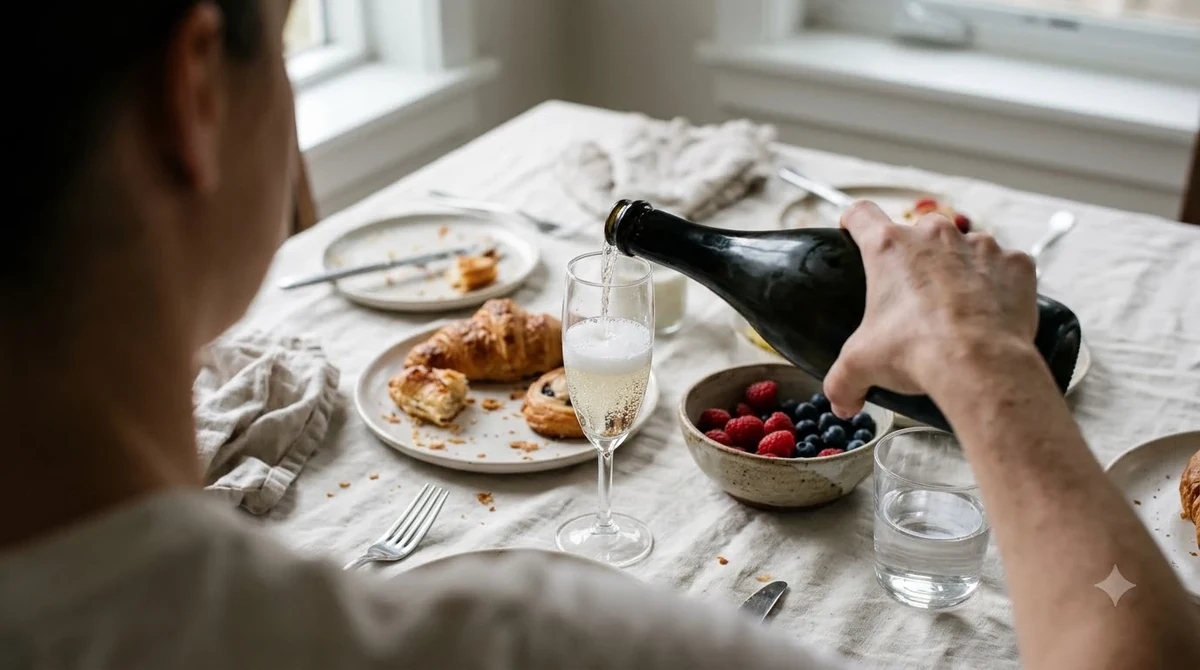
Serve champagne well chilled, at around 3 to 7 degrees Celsius, which keeps the bubbles lively and the aromas clear. A flute is a common choice because it keeps the bubbles rising and concentrates the scent. Many experts also suggest a tulip-shaped glass for more complex bottles, since it lets the aromas open more fully.
The Wine Folly champagne guide lists a serving range of about 3 to 7 degrees Celsius and advises against decanting. Decanting is not recommended for champagne, because the bubbles are the point of the wine and pouring it into another container would lose them. Open the bottle gently, with a towel over the cork, and pour slowly so the foam does not spill over the glass.
Pour the wine in two stages if the first pour foams heavily. Let the foam settle, then fill the glass about two-thirds full. A full glass leaves no room for the aromas to gather at the top, and it can make the first sip seem flat by comparison. Keep the bottle chilled between pours so each glass tastes as fresh as the first.
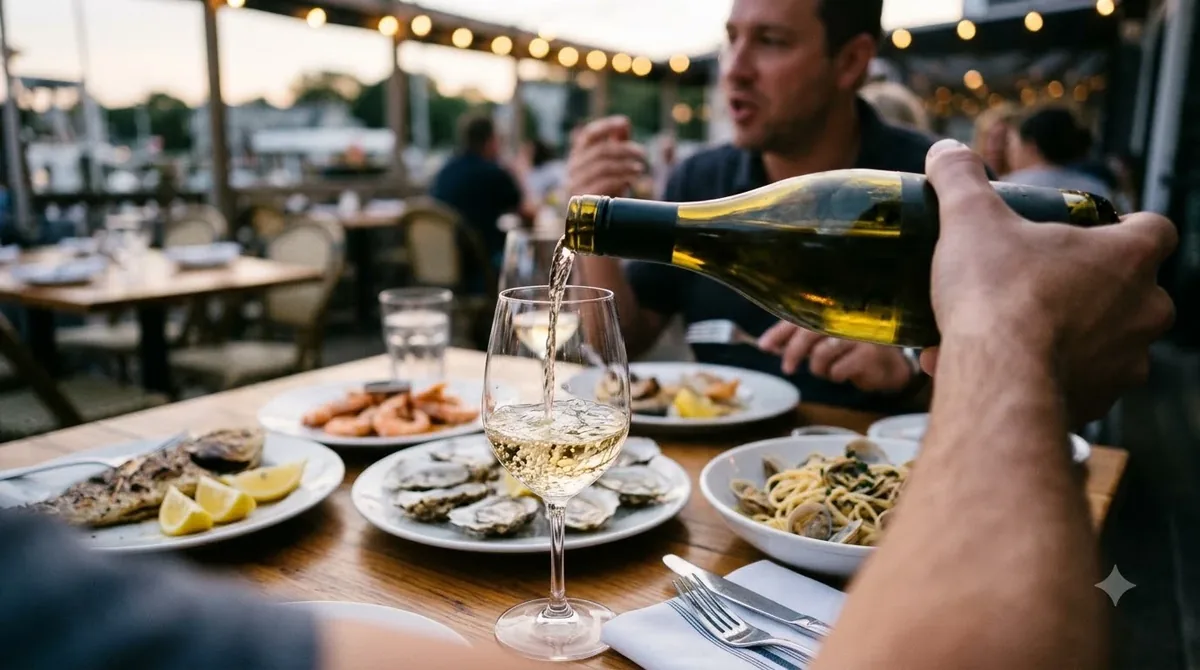
Champagne is more versatile with food than many people expect. It pairs well with salty, fried or fishy dishes, and the bubbles cut through rich textures. It can also work with the main course, not only as an aperitif, which makes it a useful choice for a full meal.
Frequently Asked Questions
Is all sparkling wine from France champagne?
No. Only sparkling wine made in the Champagne region under its rules can be called champagne. Sparkling wines from other French areas use their own names.
Is champagne sweeter than other wines?
Not usually. Most champagne is dry, and the Brut style is the most common. Sweeter styles exist, but they are less common and are labeled clearly on the bottle.
How strong is champagne?
Champagne is typically around 10 to 11.5 percent alcohol by volume, which is lower than many still wines. Check the label for the exact figure on each bottle.
Does champagne need to be decanted?
No. Decanting is not recommended because it removes the bubbles that define the wine. Open it carefully and pour it straight into glasses.
Champagne is a wine that rewards a little knowledge, because the region, the grapes and the sweetness level all shape the glass in front of you. To see how it compares with other styles, read more about champagne alcohol content, or explore champagne color and champagne cocktail ideas. The full overview of wine categories is in Wine by Type.
More in Wine Types & Grapes
 Zinfandel Sugar Content: Dry Red vs. White Zinfandel GramsUpdated Nov 21, 2026
 Best Zinfandel Substitute Options for Sipping and CookingUpdated Nov 21, 2026
 Zweigelt Food Pairing: Best Dishes, Cheeses, and Serving TipsUpdated Nov 21, 2026
 Zinfandel Tannins Explained: How Structure Shapes Every BottleUpdated Nov 21, 2026
 Zinfandel Sweetness Level: Dry Red vs. Sweet White Zin ExplainedUpdated Nov 21, 2026
 Xinomavro Food Pairing: Best Dishes, Styles, and Serving TipsUpdated Nov 21, 2026