

We may earn a commission when you buy through links on this page, at no extra cost to you. Learn more.
If you are wondering what is catawba, it is a copper-red American hybrid grape variety that launched the commercial wine industry in the United States during the early nineteenth century. Genetically a natural cross between native North American Vitis labrusca and European Vitis vinifera (specifically Sémillon), it produces bright, high-acid wines ranging from sweet pink bottlings to crisp, dry sparkling styles. Most examples sit around 10 to 11.5 percent ABV and showcase unmistakable aromas of garden strawberries, watermelon, and wild blossoms.
Long before Napa Valley cabernet dominated American dinner tables, nineteenth-century wine drinkers raised glasses of Ohio-grown sparkling wine made from this resilient East Coast grape. Although Concord eventually overtook it in vineyard acreage and California wine captured the national spotlight, Wine Enthusiast reports that sommeliers and craft producers across New York and the Midwest are rediscovering its electric acidity and historical charm. Understanding how this heritage grape tastes, where it thrives, and how to chill a bottle opens up a distinctly American chapter of Wine by Type.
What Is Catawba?
Catawba is a late-ripening, copper-skinned hybrid grape variety that originated on the East Coast of the United States and served as America’s premier wine grape from 1825 to 1850. Botanical and genetic research confirms it is a spontaneous cross between the indigenous North American fox grape (Vitis labrusca) and the classic white Bordeaux grape Sémillon.
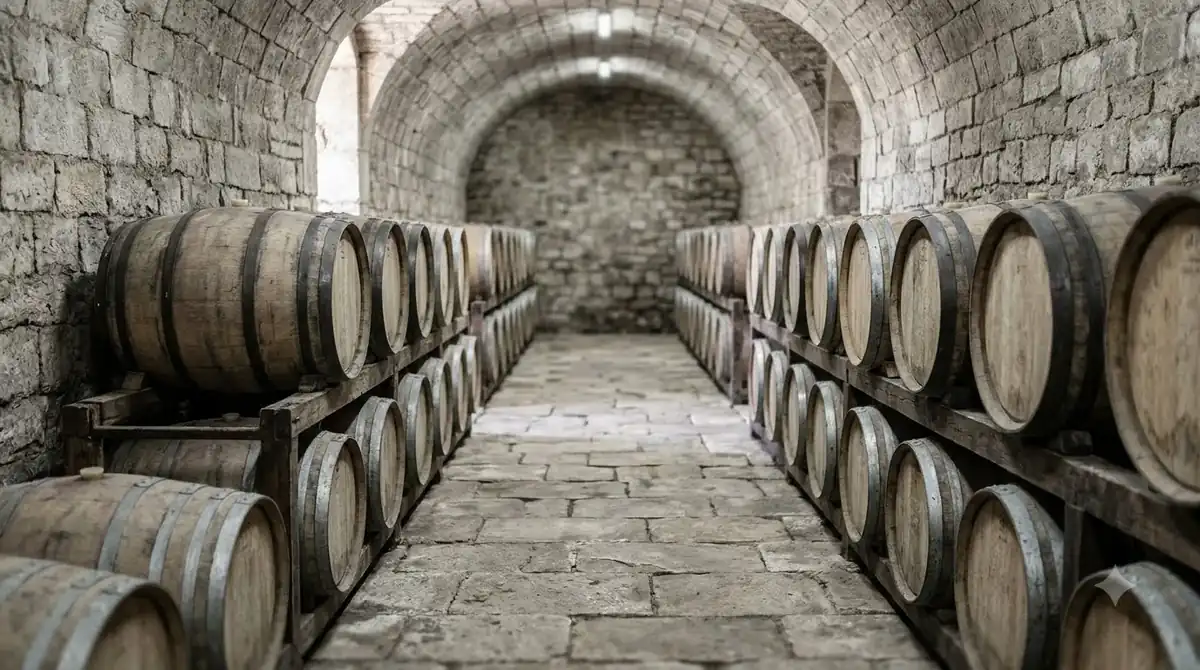
Early historical records trace the vine’s propagation to the early 1800s near the Catawba River along the border of North and South Carolina. Former North Carolina Governor General William R. Davie transplanted cuttings from the river valley to his estate and later shared the vines with fellow growers in Maryland and Washington, D.C., naming the grape after the river where he found it. Unlike pure European Vitis vinifera vines, which struggled to survive harsh North American winters and native pests, this hybrid possessed the cold hardiness required to flourish in eastern soils.
By the 1830s and 1840s, Cincinnati vintner Nicholas Longworth turned Catawba into the first major commercial wine success in the United States. After accidentally putting a batch of still pink wine through a second fermentation in 1842, Longworth created a Champagne-style sparkling wine that earned international acclaim and even inspired Henry Wadsworth Longfellow to write his famous poem “Ode to Catawba Wine.” Although powdery mildew, Civil War labor shortages, and the rise of Concord eventually ended Ohio’s early wine boom around 1870, Catawba never vanished from eastern vineyards.
Flavor Profile and Winemaking Styles
Catawba wines typically offer a light-to-medium body, zero noticeable tannins, brisk medium-high acidity, and an alcohol by volume between 10 and 11.5 percent. On the nose and palate, the grape delivers vibrant notes of fresh strawberries, watermelon candy, peach, pineapple, and floral violet accents, balanced by an earthy, slightly musky undertone characteristic of its native ancestry.
Because Catawba shares parentage with both native American and European vines, wine critics describe its aromatic intensity as falling squarely between Concord and traditional European varieties. When picked slightly early, its naturally elevated acidity keeps even sweet bottlings feeling lively rather than syrupy. Winemakers frequently take advantage of this bright backbone to craft a surprisingly broad spectrum of styles, from nostalgic porch-pounders to serious traditional-method sparklers.
According to Wine Folly’s varietal guide, modern producers vinify the grape into several distinct expressions depending on skin contact and residual sugar:
| Wine Style | Sweetness Level | Color and Appearance | Key Tasting Notes |
|---|---|---|---|
| Pink Catawba (Still) | Medium-sweet to sweet | Pale salmon to bright coral pink | Strawberry jam, watermelon, floral blossom, soft finish |
| Dry Rosé or White | Bone-dry to off-dry | Pale straw to light copper-pink | Tart red berries, pineapple, crisp citrus, subtle earth |
| Sparkling Catawba | Brut to demi-sec | Pale gold to delicate blush | Fresh peach, orchard fruit, lively mousse, zesty acidity |
| Pét-Nat and Co-Ferments | Dry to off-dry | Cloudy rose or amber-pink | Wild strawberry, cider apple, brioche, tangy fruit |
Where Catawba Grows Best
Viticulturally limited to North America, Catawba grows most extensively in New York’s Finger Lakes and Lake Erie regions, alongside established plantings in Ohio, Pennsylvania, Missouri, Michigan, and the Carolinas. The vine prefers deep, well-drained, slightly acidic soils and requires a long growing season because its fruit ripens late in September or early October.
Cool-climate viticultural zones near large bodies of water provide ideal conditions for this variety. In New York’s Finger Lakes and along the southern shores of Lake Erie, deep glacial lakes moderate autumn temperatures, delaying early frosts so the late-ripening clusters can achieve full sugar development while retaining their signature acidity. Growers in Missouri, Arkansas, and Georgia also cultivate the grape successfully, where warm summer days bring out richer tropical peach and pineapple tones in the berries.
In the vineyard, Catawba demands attentive canopy management compared to pure Vitis labrusca cultivars. Because it inherited half of its genetic makeup from Sémillon, the vine is susceptible to fungal pressures such as powdery mildew and downy mildew in humid summer climates. Modern viticulturists plant the vines on well-ventilated, sun-exposed slopes with strong trellis systems to keep air moving through the leaves and protect the copper-red clusters until harvest.
How to Serve Catawba Wine
Serve still and sparkling Catawba well chilled, ideally between 38 and 45 degrees Fahrenheit for crisp, dry, or bubbly styles, and up to 55 degrees Fahrenheit for sweeter, aromatic bottlings. A standard universal white wine glass or a tulip-shaped sparkling flute works best to capture its delicate floral and berry aromatics while directing the crisp acidity cleanly across the palate.
Temperature plays a decisive role in how Catawba expresses its native grape aromas. Serving a sweet Pink Catawba at room temperature can make the residual sugar feel heavy and accentuate its musky labrusca notes, whereas thirty minutes in an ice bucket sharpens the strawberry and citrus flavors into something crisp and refreshing. For off-dry or traditional-method sparkling expressions, keeping the bottle chilled around 40 degrees Fahrenheit preserves fine bubbles and highlights green apple and peach nuances.
Because Catawba is crafted for fresh, youthful fruit character rather than oak-aged complexity, nearly all bottles are meant to be enjoyed within one to three years of their vintage date. If you open a bottle and do not finish it, seal it tightly with a wine stopper or sparkling wine closure and store it in the refrigerator, where the wine’s natural acidity will keep it vibrant for two to three days.
Tip: If a bottle of Pink Catawba tastes slightly sweeter than you prefer, pour it over a few ice cubes with a twist of fresh lemon peel or use it as a fragrant base for a warm-weather spritz.
Food Pairing Ideas
Catawba’s brisk acidity, low alcohol, and juicy red-berry fruit make it a natural partner for salty, spicy, and smoky dishes that overwhelm heavier, tannic red wines. Off-dry and medium-sweet bottlings act like a refreshing palate cleanser alongside rich barbecue sauces, cured meats, and piquant cheeses, while dry sparkling versions cut cleanly through fried foods.
Sweet and spicy flavor combinations bring out the best in a chilled glass of Pink Catawba. The touch of residual sugar tames the heat of spicy mustard, chili-rubbed pork chops, and glazed baby back ribs, while the wine’s tart cranberry-and-strawberry finish prevents rich glazes from coating your tongue. Traditional regional pairings in the Midwest and Northeast also match semi-sweet Catawba with sharp aged cheddar, baby Swiss, salty country ham, and crispy french fries.
When pouring a dry rosé or sparkling Catawba, lean toward lighter fare and fresh seasonal produce. Roasted chicken seasoned with rosemary, grilled salmon, summer melon salads, and fresh goat cheese crostini echo the wine’s herbal and orchard-fruit notes without competing with its delicate frame. For dessert, a lightly sweet sparkling bottling pairs effortlessly with shortbread cookies, lemon tarts, or fresh strawberries dusted with cinnamon.
How to Choose a Bottle of Catawba
Because producers make Catawba in every style from bone-dry sparkling wine to sweet dessert-like blends, checking the label for residual sugar indicators, alcohol percentage, and regional origin is the easiest way to find a bottle that matches your palate. Lower ABV levels around 9 to 10.5 percent often signal noticeable sweetness, whereas bottles closer to 11.5 or 12 percent ABV are typically fermented drier.
Start by deciding whether you want a nostalgic sweet wine or a modern dry expression. Traditional bottles labeled simply as “Pink Catawba” from historic Finger Lakes, Lake Erie, or Missouri wineries usually deliver classic medium-sweet strawberry and Concord-adjacent charm. Conversely, craft producers in New York and the Hudson Valley frequently bottle dry rosé, pét-nat (pétillant naturel), or apple-and-Catawba co-ferments that showcase bright minerality and tart red fruit with minimal sweetness.
If you enjoy lighter-bodied, fruit-forward wines and want to compare how grape varieties shape sweetness and body, exploring other styles can sharpen your buying instincts. For instance, comparing a dry Catawba rosé against a light red while reviewing pinot noir carbs shows how fermentation dryness affects both residual sugar and calorie counts, while readers who love sweet, aromatic wines may also enjoy learning about recioto wine from northern Italy. And if you pick up a sweeter bottling for a summer gathering, its juicy berry profile makes a lively substitute in fruit-driven wine cocktails similar to a classic pinot noir sangria.
Frequently Asked Questions
Is Catawba wine always sweet?
No, Catawba wine is not always sweet, even though sweet Pink Catawba is the most famous traditional style. Modern winemakers in New York, Ohio, and the Midwest produce dry still rosés, crisp white wines, and bone-dry sparkling Catawba that highlight the grape’s naturally high acidity.
Is Catawba a red wine or a white wine?
Catawba is technically a red-skinned hybrid grape with a distinctive coppery-pink hue, though it is rarely made into a dark, full-bodied red wine. Depending on how long the juice stays in contact with the skins during pressing, winemakers turn it into white wine, pale salmon rosé, bright pink wine, or sparkling wine.
What does “foxy” mean when describing Catawba wine?
In wine tasting, “foxy” is a traditional term used to describe the earthy, musky, sweet-grape aroma characteristic of native North American Vitis labrusca grapes like Concord. Because Catawba is a cross between Vitis labrusca and European Sémillon, it displays a milder, more floral version of this signature aroma.
How long does a bottle of Catawba wine last?
Unopened bottles of Catawba are made for immediate enjoyment and taste freshest within one to three years of harvest rather than long-term cellar aging. Once opened, a recorked bottle stored in the refrigerator will stay fresh and crisp for about two to three days.
From nineteenth-century sparkling wine pioneer to modern craft-winery favorite, Catawba proves that America’s oldest commercial wine grape still has plenty of character to offer. Whether you prefer a chilled glass of sweet pink nostalgia or a crisp, dry sparkling rosé, pouring a bottle is an easy way to taste a foundational piece of American wine history.
More in Wine Types & Grapes
 Zinfandel Sugar Content: Dry Red vs. White Zinfandel GramsUpdated Nov 21, 2026
 Best Zinfandel Substitute Options for Sipping and CookingUpdated Nov 21, 2026
 Zweigelt Food Pairing: Best Dishes, Cheeses, and Serving TipsUpdated Nov 21, 2026
 Zinfandel Tannins Explained: How Structure Shapes Every BottleUpdated Nov 21, 2026
 Zinfandel Sweetness Level: Dry Red vs. Sweet White Zin ExplainedUpdated Nov 21, 2026
 Xinomavro Food Pairing: Best Dishes, Styles, and Serving TipsUpdated Nov 21, 2026