

We may earn a commission when you buy through links on this page, at no extra cost to you. Learn more.
What does white wine taste like? Most white wines taste crisp, fruity and light, with flavors that range from green apple and lemon to pear, honey and toasted nut. The exact taste depends on the grape, the level of sweetness, the acidity and whether the wine spent time in oak. Once you understand those four factors, you can predict a bottle before you open it.
If you have ever stood in a wine shop wondering which bottle will taste good to you, this guide is for you. It explains white wine flavor in plain English, grouped by the factors that matter most. You will learn what the common flavors are, how acidity and sweetness change the experience, and how to match a style to the way you like to drink.
The Core Flavors Most White Wines Share
Most white wines fall into a few broad flavor families. Fruit is the most common, and it often tastes like apple, pear, citrus or stone fruit such as peach and apricot. Floral notes like honeysuckle or orange blossom appear in many aromatic grapes. These are the flavors you notice first, usually before the first sip.
Some white wines also carry savory or nutty notes. These can include almond, honey, or a faint creamy quality that comes from winemaking choices rather than the grape alone. Tropical fruit like pineapple or mango shows up in warmer-climate whites. Your palate may pick out different notes than someone else’s, and that is normal.
Color gives a few hints too. Wine color comes mainly from the grape skins, and most white wines are made from pale juice that is pressed off quickly. According to the Wikipedia entry on wine color, aging and oak can deepen a white wine toward gold. A darker yellow often hints at a richer, more matured style, though color alone cannot tell you the flavor.
How Acidity Shapes the Taste of White Wine
Acidity is the element that makes many white wines taste fresh. It gives a sharp, mouth-watering feel, similar to biting into a green apple or squeezing a lemon. Wines with high acidity often seem crisp and lively, while wines with low acidity feel softer and rounder on the palate.
Acidity also affects how long a flavor lingers. A wine with good acid tends to finish cleanly, leaving you ready for the next sip. A wine with less acid can feel heavy or flat, especially if it is also high in sugar or has a lot of oak. Many people find that a little acidity makes a white wine feel balanced rather than sweet.
You can spot acidity without any tools. Notice whether your mouth waters after a sip, and whether the taste feels bright or flat. Grape variety plays a big role. Riesling and Sauvignon blanc are often described as bright, while some Chardonnays from warmer areas feel rounder. Climate and winemaking decisions also shift the result.

Dry vs. Sweet White Wines
Sweetness is the other big factor. A dry white wine has very little leftover grape sugar after fermentation, so it tastes tart, savory or fruity without a sugary finish. A sweet white wine keeps more residual sugar, which makes it taste like honey, ripe fruit or dessert. Many wines sit somewhere in between, with a hint of sweetness that softens the acid.
Sweetness can be hard to judge from the label. Some producers list the level on the back label, while others use general terms. Dry is the most common style for everyday white wine. Off-dry and sweet styles are popular with people who enjoy fruit-forward flavors, and they often pair well with spicy food.
If you are used to red wine, a dry white can taste lighter and more sharp. You may find that a red wine guide, such as what does red wine taste like, helps you compare the two styles. The table below gives a simple way to think about sweetness levels.
| Sweetness level | What you taste | Typical feel |
|---|---|---|
| Bone dry | Tart, crisp, savory, little fruit sugar | Clean and sharp |
| Dry | Fruit with clear acidity, no sugary finish | Refreshing and balanced |
| Off-dry | Ripe fruit with a gentle hint of sweetness | Soft and easygoing |
| Sweet | Honey, candied fruit or dessert-like flavors | Rich and smooth |
Tip: If you are unsure, start with a wine labeled dry and a second bottle labeled off-dry. Comparing two side by side shows you how much sweetness you enjoy.
Common White Wine Styles and Their Flavors
White wine styles are easier to predict once you know the grape. Crisp, light whites often taste of citrus, green apple and fresh herbs. Richer whites can taste of baked apple, pear, vanilla or buttered toast. The grape and the place where it grew both matter, so two bottles of the same grape can still taste different.
Pinot Grigio is a good example of a light style. It usually tastes clean, with lemon, pear and a mild, dry finish. If you want a deeper look at that style, read what does pinot grigio taste like for more detail on its flavors. Sparkling whites are another popular category. Their fine bubbles add a fresh, lifted feel, and many taste of green apple and white flowers. The prosecco flavor guide explains how the dry Italian style differs from other sparkling wines.
Chardonnay has one of the widest flavor ranges. A lighter, unoaked Chardonnay can taste of green apple, citrus and white flowers. A barrel-aged Chardonnay may taste of vanilla, toast and butter. A 2025 study in the journal Evidence for Discriminant Specific Tastes in Chardonnay Wines describes how Chardonnay often shows buttery and toasted notes from oak, along with citrus and green apple from the fruit itself.
How Oak and Aging Change White Wine
Oak and aging can change white wine a lot. Some white wines ferment or rest in oak barrels, which can add vanilla, toast, coconut, spice or a creamy texture. Others stay in stainless steel tanks, which keeps the flavors fresh and fruit-focused. Neither approach is better overall. It depends on the flavor you enjoy.
Aging also changes the color and flavor over time. Young white wines usually taste bright and fruity. As they age, they can develop honeyed, nutty or dried-fruit notes. Many everyday whites are meant to be drunk within a few years of release, while some richer styles can improve longer. Check the producer’s guidance on the label or website for the best time to drink.
When you see the words oaked or unoaked, read them as a hint about texture. Oaked wines tend to feel fuller and smoother. Unoaked wines usually taste cleaner and more direct. If you are new to oak, start with a lightly oaked style and see whether you like the added richness.
How to Find Your Favorite White Wine
The easiest way to find a white wine you enjoy is to match its flavor to a food or mood you already like. If you prefer crisp, citrus flavors, look for light, dry whites. If you like creamy, rich flavors, try an oaked style. A sweeter white may suit spicy dishes or fruit desserts. Trying a few styles helps you learn your own taste.
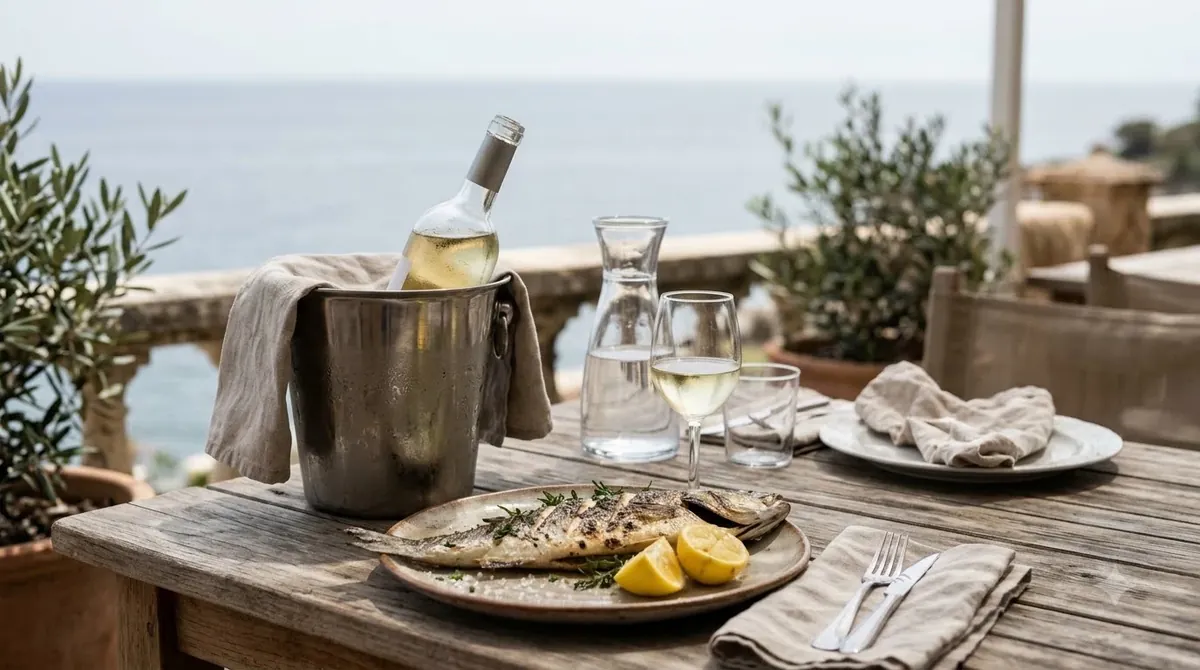
Food matching also helps. Light, dry whites often pair well with seafood, salads and fresh goat cheese. Richer whites can stand up to roast chicken, creamy pasta and buttery sauces. Sweeter whites go well with spicy Asian dishes and fruit-based desserts. For a broader overview of styles, the Wine by Type section groups wines so you can compare them side by side.
Drink responsibly and pace yourself, especially when you are tasting several wines in one sitting. Use a glass with a narrow top, take small sips, and note what you smell and taste before the next pour. Writing down two or three words for each wine is a simple habit that makes your preferences clearer over time.
Frequently Asked Questions
Does white wine taste sweet?
Not always. Many white wines are dry, which means they have little leftover sugar and taste crisp or tart. Sweet white wines exist too, but they are a distinct style. Check the label or the producer’s description to see how sweet a bottle is.
What is the most common white wine flavor?
Green apple, lemon and pear are among the most common flavors in white wine. Many bottles also show floral notes. The exact taste depends on the grape, the climate and whether the wine was aged in oak.
Why does some white wine taste buttery?
Buttery flavors often come from winemaking. Some producers use fermentation and barrel aging that create creamy, toasted notes, especially in Chardonnay. Wines without oak usually taste fresher and more fruit-driven.
Is dry white wine a good starting point?
Yes, dry white wine is a common starting point because its flavors are clean and easy to follow. Try a few dry styles with different grapes to see which flavors you enjoy. You can move toward sweeter or richer styles later.
White wine flavor is easier to predict than it looks once you know the main factors. Grape, acidity, sweetness and oak work together to shape each bottle. Start with a few styles you already like, then compare them as you go. Your favorite will become clearer with each bottle you try.
More in Wine Types & Grapes
 Zinfandel Sugar Content: Dry Red vs. White Zinfandel GramsUpdated Nov 21, 2026
 Best Zinfandel Substitute Options for Sipping and CookingUpdated Nov 21, 2026
 Zweigelt Food Pairing: Best Dishes, Cheeses, and Serving TipsUpdated Nov 21, 2026
 Zinfandel Tannins Explained: How Structure Shapes Every BottleUpdated Nov 21, 2026
 Zinfandel Sweetness Level: Dry Red vs. Sweet White Zin ExplainedUpdated Nov 21, 2026
 Xinomavro Food Pairing: Best Dishes, Styles, and Serving TipsUpdated Nov 21, 2026