

We may earn a commission when you buy through links on this page, at no extra cost to you. Learn more.
What does sauternes taste like? Sauternes tastes rich, intensely sweet, and honeyed, with characteristic flavors of apricot, orange marmalade, tropical fruit, butterscotch, and candied citrus. This French dessert wine also has refreshing acidity that balances its concentrated sweetness, giving it a lively finish rather than a flat, sugary taste. Depending on its age and oak treatment, a glass can reveal additional notes of vanilla, toasted nuts, saffron, and dried fruit.
Sauternes comes from the Bordeaux region of southwestern France, where a special combination of grape varieties, autumn weather, and noble rot creates one of the world’s most recognizable sweet white wines. Its flavor is distinctive because the wine combines concentrated fruit, honeyed richness, floral aromas, and enough acidity to keep every sip balanced. Understanding its flavor profile makes it easier to choose a bottle, serve it properly, and find foods that complement its sweetness.
Honey, Apricot, and Citrus Define the Classic Sauternes Flavor
Sauternes typically tastes like a combination of golden honey, ripe apricot, orange marmalade, and tropical fruit, supported by bright acidity and a smooth, full-bodied texture. Its sweetness is immediately noticeable, but the fruit and citrus flavors give it more complexity than a straightforward sweet wine.
Honey is one of the most recognizable characteristics. It can resemble wildflower honey, acacia honey, or a darker, more concentrated honey depending on the wine’s maturity and production style. This flavor often appears alongside apricot preserves, peach, baked apple, and orange peel. The combination creates an impression of ripe, concentrated fruit without making the wine taste exactly like fruit juice.
Apricot is particularly important in the classic Sauternes profile. Young examples may suggest fresh apricot and peach, while more concentrated wines can taste like dried apricot, apricot jam, or preserved stone fruit. Orange marmalade contributes a slightly bitter citrus edge that helps balance the sweetness. Some bottles also show pineapple, mango, lychee, and other tropical fruit characteristics.
Butterscotch and caramel-like flavors add another dimension. These notes can make the wine seem creamy and luxurious, particularly when combined with honey and ripe fruit. They should not necessarily be interpreted as evidence that sugar or caramel flavoring has been added. They are part of the complex aromatic profile that can develop through grape concentration, fermentation, oak influence, and maturation.
Floral notes also contribute to the wine’s identity. Acacia, white flowers, and sometimes orange blossom can appear alongside the fruit. These aromas are generally more noticeable in younger examples, while older bottles can become more focused on dried fruit, spice, nuts, and toasted characteristics.
The overall impression is sweet, fragrant, and layered. A good Sauternes should offer more than one dominant flavor: honey introduces the sweetness, apricot supplies the fruit, citrus provides freshness, and floral or spice notes add complexity.
How Sweetness and Acidity Work Together
Sauternes is unmistakably sweet, but its acidity is an essential part of its flavor. The combination of concentrated residual sugar and refreshing acidity creates a balance between richness and freshness, preventing the wine from tasting overwhelmingly heavy.
Residual sugar is the natural grape sugar that remains in the finished wine after fermentation. According to the European Union’s Sauternes product specification, the wine must contain at least 45 grams of fermentable sugars per liter. This is a substantial amount, which explains why Sauternes belongs firmly in the sweet-wine category rather than the off-dry or medium-sweet category.
However, sugar is only one part of the experience. Acidity provides a counterpoint, giving the wine a lively sensation across the palate. Citrus, particularly orange and grapefruit, can reinforce that impression. A well-balanced bottle may feel rich at the beginning of a sip but finish with enough freshness to encourage another taste.
The body is generally full, with a rounded and sometimes almost creamy texture. This weight comes from the concentrated fruit and sugar, as well as the wine’s overall composition. The texture can be described as silky, viscous, or honey-like without suggesting that the wine is thick like syrup.
Alcohol also contributes to the overall sensation. The EU specification establishes a minimum actual alcoholic strength of 12% by volume. This means Sauternes is not necessarily a low-alcohol dessert wine. Its sweetness, body, and alcohol can make it feel more substantial than many lighter sweet whites.
The difference between sweetness and balance is important. Two bottles may both be very sweet but feel quite different. One might emphasize honey and ripe fruit, while another shows more citrus, floral aromas, and a fresher finish. Neither style needs to taste dry to feel balanced.
This is also why serving temperature matters. Excessive warmth can make the sweetness and alcohol seem more pronounced, while excessive cold can conceal delicate aromas. A moderately chilled glass helps preserve the wine’s freshness while allowing its fruit and honey characteristics to emerge.
Tip: If Sauternes tastes too sweet at first, take a small sip and pay attention to the finish. Look for orange peel, grapefruit-like freshness, and subtle acidity rather than judging the wine only by its initial honeyed sweetness.
Botrytis and the Grapes Behind Sauternes
Sauternes gets its distinctive flavor from botrytized grapes, particularly Sémillon, that develop concentrated sweetness and complex aromas through the action of noble rot. Sauvignon Blanc contributes freshness, while Muscadelle can add floral and fruity characteristics to the blend.
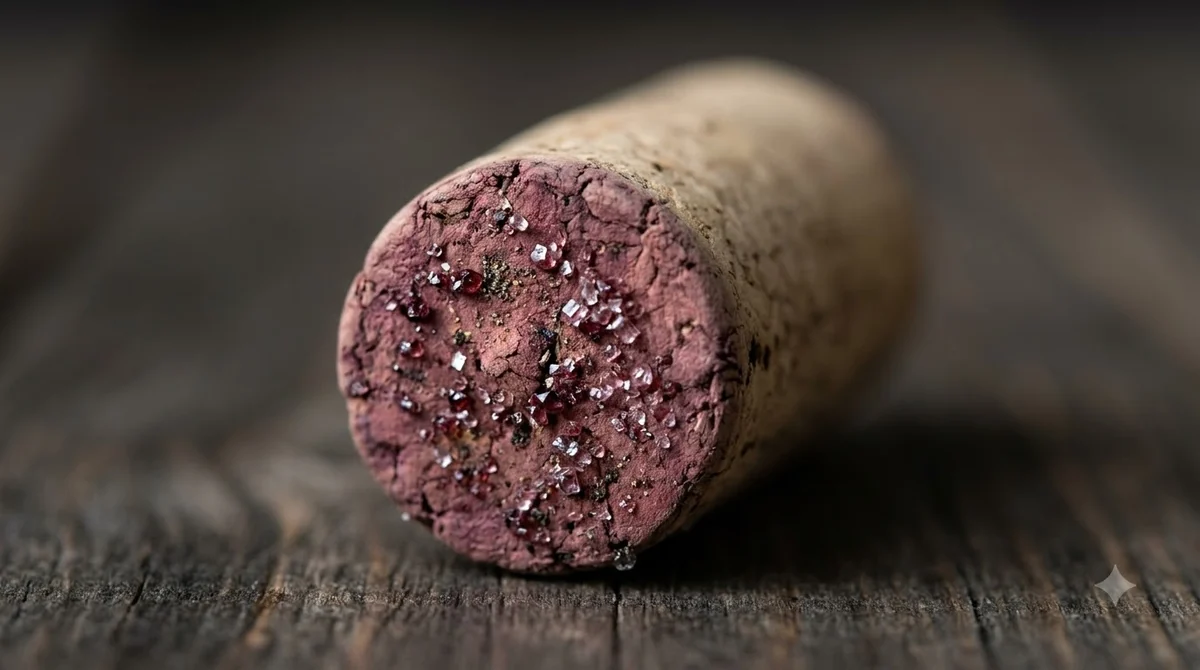
Botrytis cinerea is a fungus that affects ripe grapes under suitable environmental conditions. In Sauternes, the process is known as noble rot because it can produce desirable changes in the berries rather than simply destroying the harvest. The affected grapes lose moisture, concentrating their sugars, acids, and flavor compounds.
The local environment helps make this transformation possible. The Ciron River flows into the Garonne River, and differences in water temperature contribute to morning mist across the vineyards. When conditions become warmer and sunnier during the afternoon, the grapes can dry. This alternating moisture and sunshine encourages the development of noble rot under favorable conditions.
The three main grapes have different responsibilities:
- Sémillon: The principal grape in traditional Sauternes. Its susceptibility to Botrytis and its naturally generous texture make it especially suitable for concentrated sweet wine. It contributes honey, ripe stone fruit, and a rounded mouthfeel.
- Sauvignon Blanc: Adds acidity, citrus character, and freshness. It helps prevent the concentrated Sémillon fruit from becoming excessively heavy.
- Muscadelle: Adds aromatic complexity, with floral and fruity notes that can complement the honeyed character of the other grapes.
The harvest process is another important factor. Rather than picking every grape at the same time, producers make successive passes through the vineyard, selecting berries that have reached the desired level of ripeness and noble rot. Some harvesting involves choosing individual grapes rather than entire bunches.
This selective approach helps explain the concentration and complexity of the finished wine. Different berries may reach the ideal condition at different times, and producers must assess their suitability before harvesting. The resulting grapes can produce small quantities of intensely flavored juice.
Botrytis also contributes aromas that are difficult to reproduce through ordinary ripeness alone. Honeyed fruit, marmalade, dried apricot, and sometimes roasted or smoky characteristics are part of the distinctive identity of botrytized Sauternes. For additional detail on the region’s grape varieties, harvest conditions, and aromatic profile, see the official Bordeaux Sauternes appellation guide.
For a broader understanding of grape-driven wine styles, compare these characteristics with what does Chenin Blanc taste like. Chenin Blanc can also produce sweet wines with noticeable acidity, although its flavor profile and production methods vary considerably from those of Sauternes.
How Young and Aged Sauternes Taste Different
Young Sauternes generally emphasizes fresh citrus, ripe orchard fruit, honey, and flowers, while mature bottles develop deeper flavors of candied fruit, toasted nuts, spice, and roasted aromas. Aging also changes the wine’s color and aromatic complexity.
A young bottle often has a bright golden appearance. Its aromas may include orange blossom, acacia, peach, pear, apple, and fresh apricot. Honey is usually present, but the fruit can feel more direct and vibrant than in an older wine. Some bottles also display pineapple, lychee, or grapefruit.
As the wine matures, its color gradually becomes deeper and more amber. The aromatic profile shifts toward dried apricot, fig, candied orange, toasted nuts, and honey. Cinnamon and saffron may emerge, adding warmth and spice. These flavors create a more developed impression than the fresh fruit character found in younger examples.
Oak aging can introduce additional characteristics, including vanilla, toast, and smoke. However, not every Sauternes tastes heavily oaked. The influence of barrels depends on the producer’s choices, and some wines emphasize fruit and freshness rather than obvious wood-derived aromas.
Decanter’s coverage of Sauternes and Barsac explains how noble rot contributes concentration and complexity, with tropical fruit and smoky characteristics among the possible expressions. This development is one reason quality bottles can be attractive candidates for extended cellaring.
There is no single age at which every Sauternes reaches its best expression. The vintage, grape condition, producer’s approach, and storage environment all influence development. A younger bottle may be especially appealing for its fresh apricot and citrus, while a mature one can offer greater aromatic depth.
The difference can be summarized as follows:
| Characteristic | Young Sauternes | Mature Sauternes |
|---|---|---|
| Typical color | Bright golden yellow | Deep gold to amber |
| Main fruit flavors | Peach, pear, apricot | Dried apricot, fig, candied orange |
| Sweet aromas | Fresh honey | Concentrated honey and caramel-like notes |
| Floral character | Acacia, white flowers | More subdued floral notes |
| Additional aromas | Citrus, tropical fruit | Toast, hazelnut, cinnamon, saffron |
| Texture | Silky and fruit-forward | Rich, layered, and rounded |
| Finish | Fresh and honeyed | Long, complex, and sometimes roasted |
When comparing bottles, remember that age alone does not guarantee greater quality. A well-made young Sauternes can be delicious, and an older bottle needs suitable storage to preserve its freshness and aromatic complexity.
How Sauternes Compares With Other Sweet White Wines
Sauternes stands out for its combination of noble-rot concentration, honeyed richness, ripe apricot, and refreshing acidity. Other sweet white wines may share some of these characteristics, but grape variety, climate, and production methods create noticeable differences.
One useful comparison is Chenin Blanc. Sweet Chenin Blanc from regions such as the Loire Valley can show apple, quince, honey, and citrus, often with pronounced acidity. Both wines can balance sweetness with freshness, but Sauternes usually emphasizes botrytized stone fruit, marmalade, and a fuller texture.
Riesling is another interesting comparison. Sweet Riesling can feature lime, peach, apple, and floral aromas, with acidity that keeps the wine lively. Compared with Sauternes, it often has a more citrus-driven and sometimes more mineral profile. Sauternes generally has a richer, more honeyed character.
Moscato typically offers lighter body and recognizable aromas of peach, orange blossom, and fresh grapes. Depending on the style, it can be gently sweet or noticeably sweet, but it usually lacks the concentrated, roasted, and nutty characteristics associated with mature Sauternes.
Other Bordeaux sweet wines, including Barsac, are particularly close comparisons. Barsac wines may be labeled either Barsac or Sauternes. According to Decanter, the area’s silty alluvial soils are associated with fresher and lighter wines, while other Sauternes communes are known for rounder, creamier expressions.
The differences are easier to understand in a side-by-side comparison:
| Wine | Typical Flavors | Body | Acidity |
|---|---|---|---|
| Sauternes | Honey, apricot, marmalade, tropical fruit | Full | High |
| Sweet Chenin Blanc | Quince, apple, honey, citrus | Light to full | High |
| Sweet Riesling | Lime, peach, apple, floral notes | Light to medium | High |
| Moscato | Peach, grape, orange blossom | Light to medium | Low to medium |
| Barsac | Honey, citrus, stone fruit, mineral notes | Medium to full | High |
These comparisons are useful when deciding what kind of sweetness and texture you prefer. Someone who enjoys the rich honeyed character of Sauternes may also appreciate sweet Chenin Blanc, while someone who prefers lighter floral aromas might gravitate toward Moscato.
For more examples of different grape varieties and wine styles, explore Wine by Type. Understanding how grapes influence acidity, body, sweetness, and aroma makes it easier to identify the characteristics you enjoy.
Best Foods to Pair With Sauternes
Sauternes pairs particularly well with salty, fatty, and savory foods such as foie gras and blue cheese, as well as desserts that are less sweet than the wine. Its honeyed fruit and acidity make it versatile enough for both rich appetizers and carefully chosen sweets.
Foie gras is a classic pairing because its rich, buttery texture contrasts with the wine’s sweetness and acidity. The wine provides freshness against the fat, while its apricot and honey flavors complement the food’s savory richness. This combination is particularly suitable for a small appetizer portion.
Blue cheese is another excellent choice. The salty, pungent character of cheeses such as Roquefort contrasts with the concentrated sweetness of Sauternes. Salt softens the perception of wine tannin, although tannin is not a major structural feature of this white wine. The main benefit is the contrast between salt, creamy fat, and sweet fruit.
Other cheeses can work well, too. A creamy washed-rind cheese or a rich, mildly aged cheese can complement the wine without overpowering its aromas. Strong blue cheese creates a more dramatic contrast, while softer cheeses offer a gentler pairing.
For dessert, consider apricot tart, peach tart, cheesecake, or a fruit-based pastry. The important principle is that the dessert should not be sweeter than the wine. If a dessert contains more sugar than the Sauternes, the wine can taste less fruity and more acidic by comparison.
Fruit desserts are particularly effective because they echo the wine’s existing aromas. Apricot tart emphasizes stone fruit, while citrus tart can bring out orange and grapefruit notes. Cheesecake provides a creamy texture that complements the wine’s rounded body.
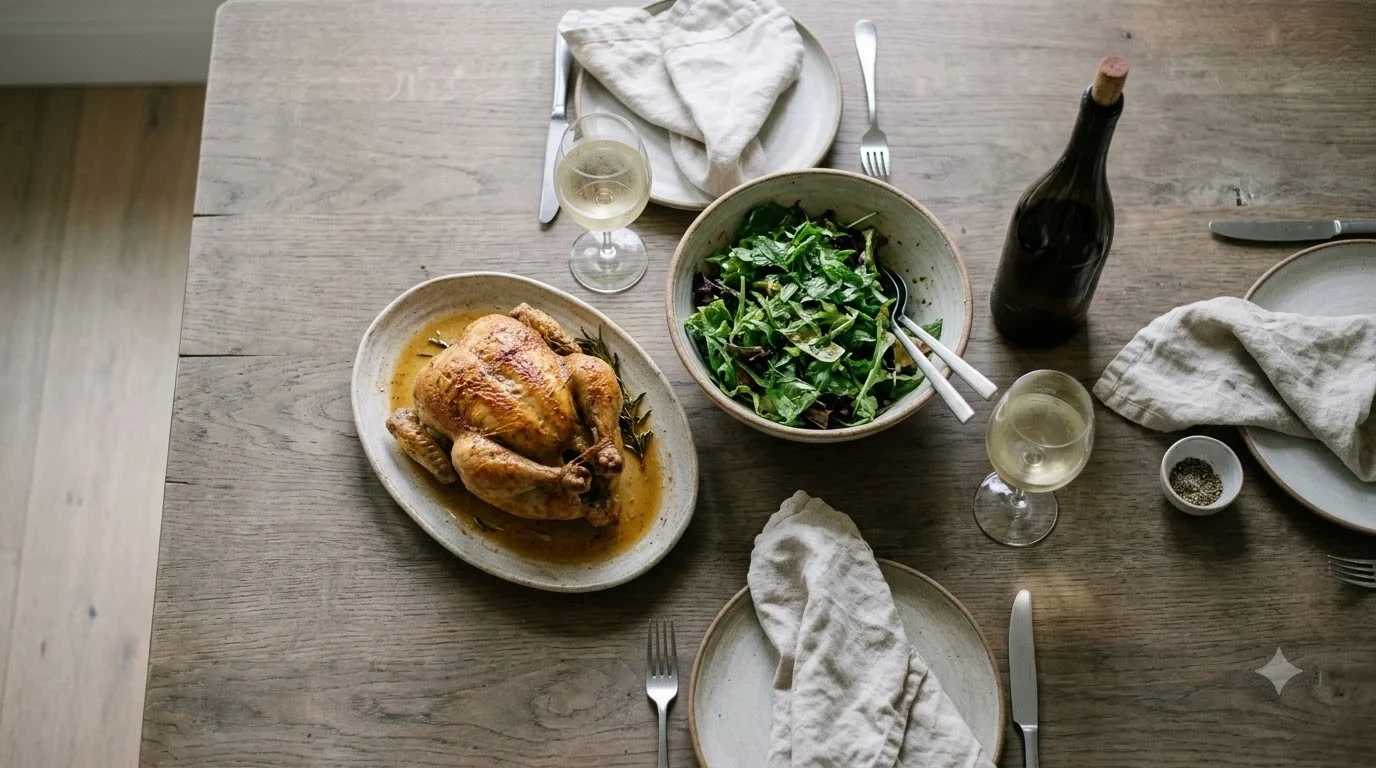
Some savory dishes can also work surprisingly well. Roasted poultry with fruit-based sauces, chicken with creamy preparations, and certain seafood dishes can complement Sauternes. The key is to avoid excessive chili heat or strongly acidic ingredients that overwhelm the wine’s delicate sweetness and aromas.
Here are several practical pairing ideas:
- Foie gras: Rich, fatty texture contrasts with honeyed sweetness and acidity.
- Roquefort: Salty blue cheese creates a powerful sweet-and-savory contrast.
- Apricot tart: Reinforces the wine’s stone-fruit flavors.
- Cheesecake: Its creamy texture complements Sauternes’ full body.
- Roasted chicken: Works particularly well with preparations featuring fruit or lightly sweet sauces.
- Fresh fruit: Peaches, apricots, and pears can echo the wine’s aromatic profile.
Serving Sauternes with a complete meal is also possible. Rather than reserving it exclusively for dessert, consider a small pour alongside a savory starter, followed by a cheese course. This approach allows the wine’s acidity and aromatic complexity to complement different foods throughout the meal.
For another perspective on contrasting wine and food flavors, consider how the fruit and savory character of what does Corvina taste like differs from the concentrated sweetness of Sauternes.
How to Serve and Store Sauternes
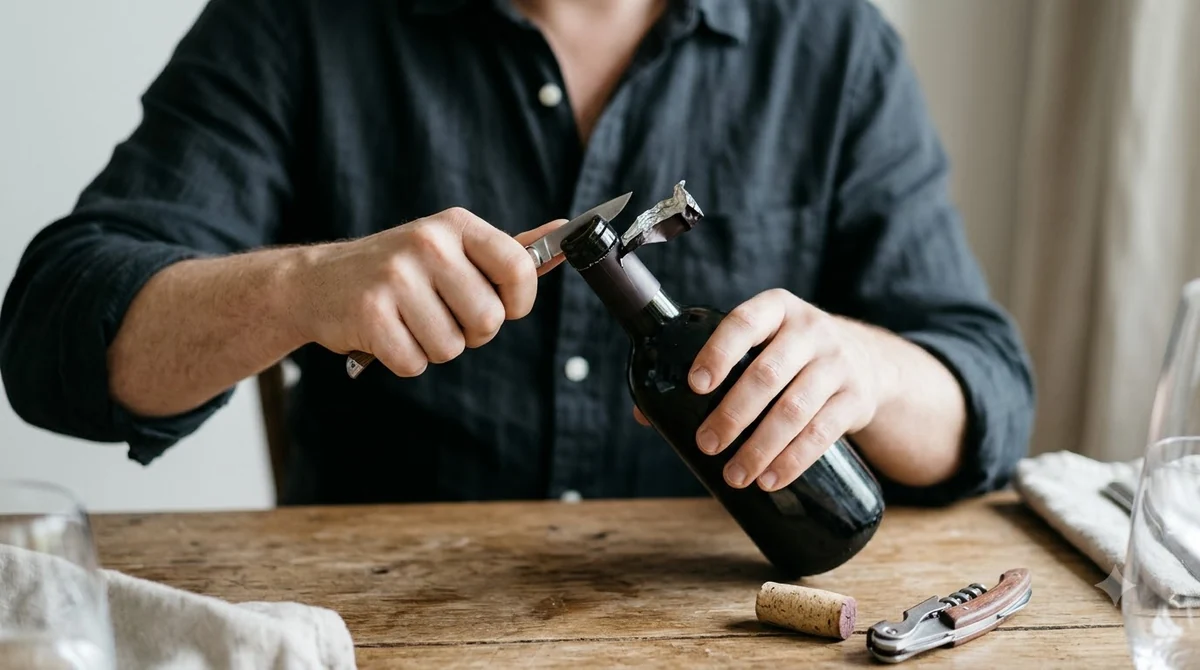
Serve Sauternes chilled, ideally around 45–50°F, in a small pour that allows its honey, citrus, and fruit aromas to develop. Proper temperature and glassware help maintain the balance between sweetness, acidity, and alcohol.
A temperature that is too warm can make the wine seem heavier and sweeter. Conversely, serving it extremely cold can suppress the floral, tropical fruit, and honey aromas that make Sauternes distinctive. If the bottle has been refrigerated, allow it to sit briefly before pouring so that the aromas become more expressive.
A tulip-shaped white wine glass is a practical choice. Its narrower opening helps concentrate aromas while leaving enough room for the wine to release its fragrance. A small dessert wine glass can also work, although a regular white wine glass offers more room for observing the wine’s development.
Pouring approximately 3 ounces per person is a useful starting point for a dessert wine of this richness. A standard 750 ml bottle contains about 25.4 fluid ounces, which provides approximately eight 3-ounce servings. A 375 ml half-bottle contains approximately 12.7 fluid ounces, or four servings of the same size.
After opening, reseal the bottle and store it in the refrigerator. Sweet wines can retain their character for longer than many dry wines because their sugar content provides some protection against rapid flavor deterioration. However, exposure to oxygen still changes the wine over time, so it is best to enjoy an opened bottle while its fruit and freshness remain appealing.
For longer-term storage, keep unopened bottles away from direct sunlight, temperature fluctuations, and excessive heat. A cool storage environment near 55°F is a useful target. Bottles with natural cork closures should generally be stored on their sides to keep the cork from drying out.
Cellaring potential varies considerably between producers, vintages, and storage conditions. Some quality Sauternes can develop over many years or even decades. During that time, fresh fruit aromas may gradually give way to dried fruit, toasted nuts, honey, and spice.
These basic serving measurements provide a useful reference:
| Serving Detail | Recommended Amount | Purpose |
|---|---|---|
| Serving temperature | 45–50°F | Preserves freshness and aromas |
| Individual pour | 3 oz | Provides a suitable dessert-wine portion |
| Half-bottle volume | 375 ml | Approximately four 3-oz servings |
| Standard bottle volume | 750 ml | Approximately eight 3-oz servings |
| Storage temperature | Near 55°F | Helps maintain consistent storage conditions |
The right serving approach should make the wine enjoyable rather than complicated. A modestly chilled glass, a small pour, and a suitable food pairing are enough to reveal the defining characteristics of a good Sauternes.
Frequently Asked Questions
Is Sauternes made from rotten grapes?
Yes, Sauternes is traditionally made from grapes affected by Botrytis cinerea, known as noble rot. This is a desirable form of fungal development under specific vineyard conditions, not the same as uncontrolled grape spoilage. The affected berries become concentrated and develop the distinctive aromas associated with the wine.
Why is Sauternes sometimes sold in half-bottles?
Many Sauternes producers offer 375 ml bottles because the wine is rich and generally served in smaller portions. A half-bottle provides approximately four servings of 3 ounces each. This format is also convenient when serving dessert wine to a small group rather than opening a full 750 ml bottle.
How do you pronounce Sauternes?
Sauternes is commonly pronounced approximately as “so-turn” in English. The French pronunciation has a softer final sound than many English speakers expect. Knowing the pronunciation can make ordering the wine at a restaurant or wine shop easier.
Is Château d’Yquem the only classified Sauternes producer?
No. The 1855 classification includes 27 ranked Sauternes châteaux, and Château d’Yquem holds the special Premier Cru Supérieur designation. Other classified estates include Château Suduiraut and Château Guiraud. These producers represent different interpretations of the appellation rather than one identical flavor profile.
Can Sauternes be made without Sauvignon Blanc?
Yes. Sauternes does not require every permitted grape variety to appear in every blend. Some producers make wines using a particularly high proportion of Sémillon, and Wine Enthusiast has documented a pure Sémillon example from Château Suduiraut. Such wines can emphasize texture, honeyed richness, and concentrated fruit while retaining the characteristic Sauternes identity.
Sauternes is best understood as a rich, honeyed sweet white wine with layers of apricot, citrus, tropical fruit, and refreshing acidity. Its combination of noble-rot concentration and aromatic complexity makes it especially rewarding with blue cheese, foie gras, and fruit-based desserts. If you enjoy discovering different wine flavor profiles, exploring other Bordeaux whites and sweet wine styles is a natural next step.
More in Wine Types & Grapes
 Zinfandel Sugar Content: Dry Red vs. White Zinfandel GramsUpdated Nov 21, 2026
 Best Zinfandel Substitute Options for Sipping and CookingUpdated Nov 21, 2026
 Zweigelt Food Pairing: Best Dishes, Cheeses, and Serving TipsUpdated Nov 21, 2026
 Zinfandel Tannins Explained: How Structure Shapes Every BottleUpdated Nov 21, 2026
 Zinfandel Sweetness Level: Dry Red vs. Sweet White Zin ExplainedUpdated Nov 21, 2026
 Xinomavro Food Pairing: Best Dishes, Styles, and Serving TipsUpdated Nov 21, 2026