

We may earn a commission when you buy through links on this page, at no extra cost to you. Learn more.
What does Pecorino taste like? Usually citrus, green apple, and herbs, with a fresh, lively acidity and a clean finish. It is a white Italian wine made from the Pecorino grape, which is grown mainly in central Italy. The style can range from light and bright to fuller and more textured, depending on the producer and how the wine is aged. It is a good pick for drinkers who want something different from the usual Pinot Grigio or Sauvignon Blanc.
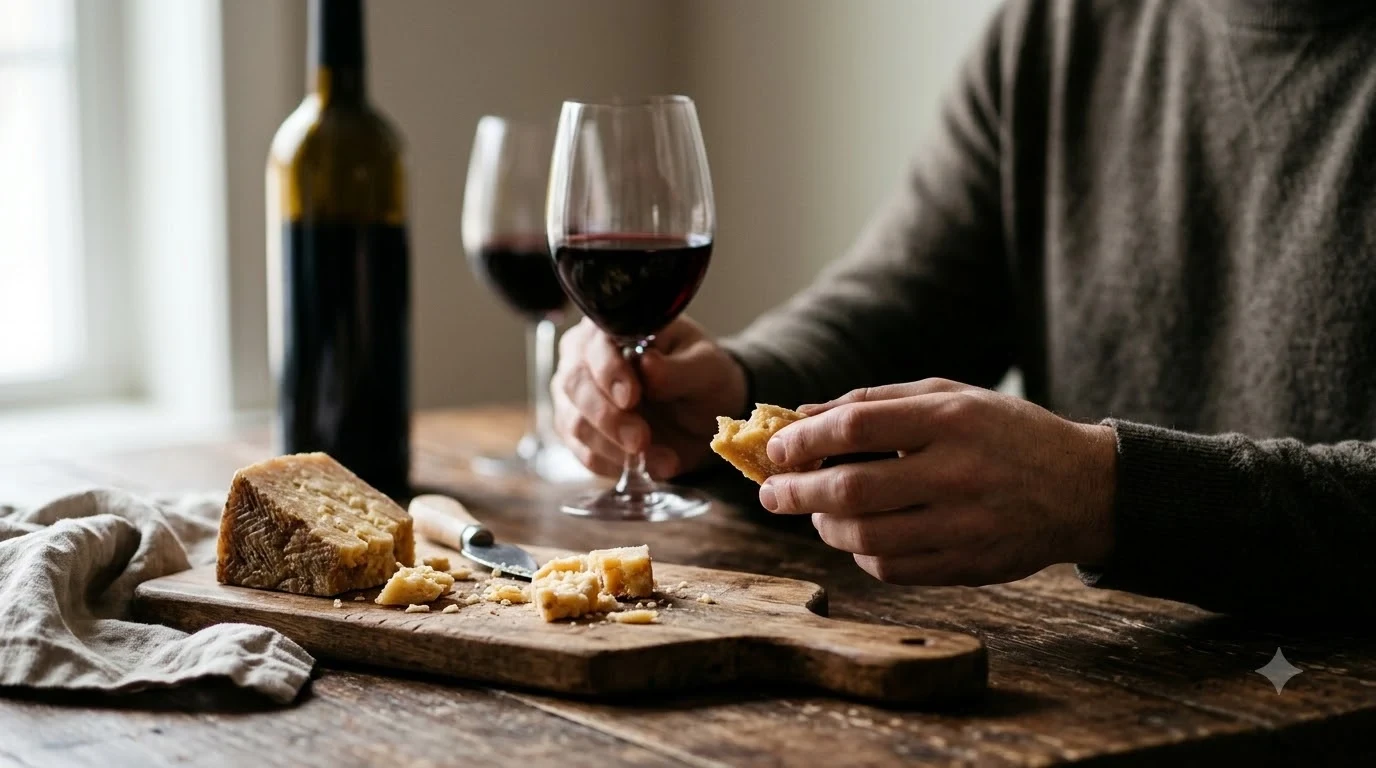
Pecorino is a grape that many wine drinkers have not met yet, and its name is easy to confuse with the sheep’s milk cheese. The two share a name and a region of origin, and the connection is more than a coincidence. This guide explains what Pecorino wine tastes like, where it comes from, and how to serve and pair it.
What Pecorino Wine Tastes Like
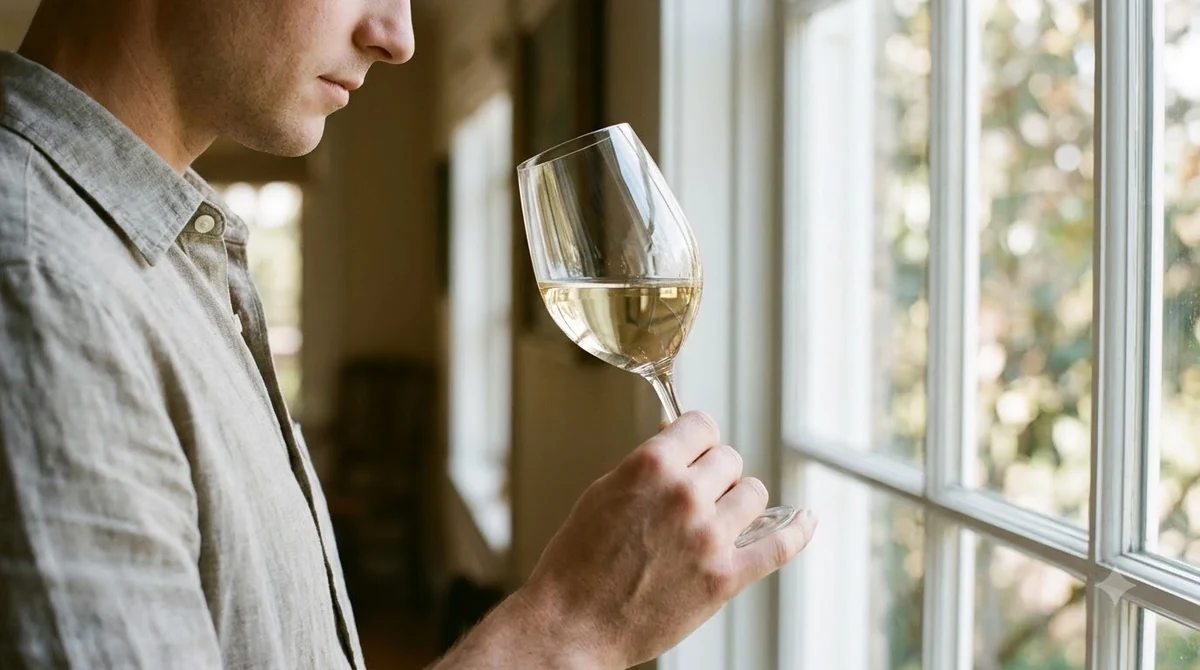
Pecorino is a white wine, and most bottles lean toward fresh, bright flavors. Common notes include lemon zest, green apple, pear, and a herbal or almond finish. Producers often describe the wine as having a crisp acidity that keeps the palate clean and makes it easy to pair with food. Some versions show a touch of stone fruit or white flowers, especially when the grapes are picked at full ripeness.
The texture depends on the winemaking. Fresh, stainless-steel versions feel light and sharp, while wines that see some time on the lees or in oak can feel rounder and more layered. Pecorino is not known for a heavy, buttery style, so bottles labeled as full-bodied are usually the exception.
Where Pecorino Grows
Pecorino is an Italian white grape, and the variety is most closely linked to the central regions of the country. According to the Wikipedia entry on the grape, ampelographers believe it is likely native to the Marche region, where the variety is linked to the area around Arquata del Tronto in the Ascoli Piceno province. The grape’s name is tied to the local tradition of pecorino cheese, which is made from sheep’s milk and is widely eaten across the same area.
Today the grape is planted in several central Italian regions. Marche remains its main home, and Abruzzo has grown into a large producer of Pecorino in recent years. Lazio is also listed among the areas where the grape is grown. Because the variety has been planted in a limited number of places, most bottles come from a handful of producers and local appellations.
| Feature | Typical Pecorino |
|---|---|
| Color | Pale straw to light gold |
| Main flavors | Citrus, green apple, herbs |
| Acidity | Fresh and lively |
| Body | Light to medium |
| Main regions | Marche, Abruzzo, Lazio |
Styles of Pecorino
Pecorino is made in several styles. The most common is a fresh, unoaked wine meant for drinking young, when the fruit and acidity are at their peak. These bottles suit a casual lunch or a seafood starter. A second style uses more skin contact or extended lees aging to add weight and texture. These wines take on more depth and can be served with richer dishes.
Some producers also make sweeter or sparkling versions, although dry white wine is the most common. If the label does not say whether the wine is dry, check the back label or ask the retailer. The style tells you a lot about how the wine will taste at the table.
How to Serve Pecorino
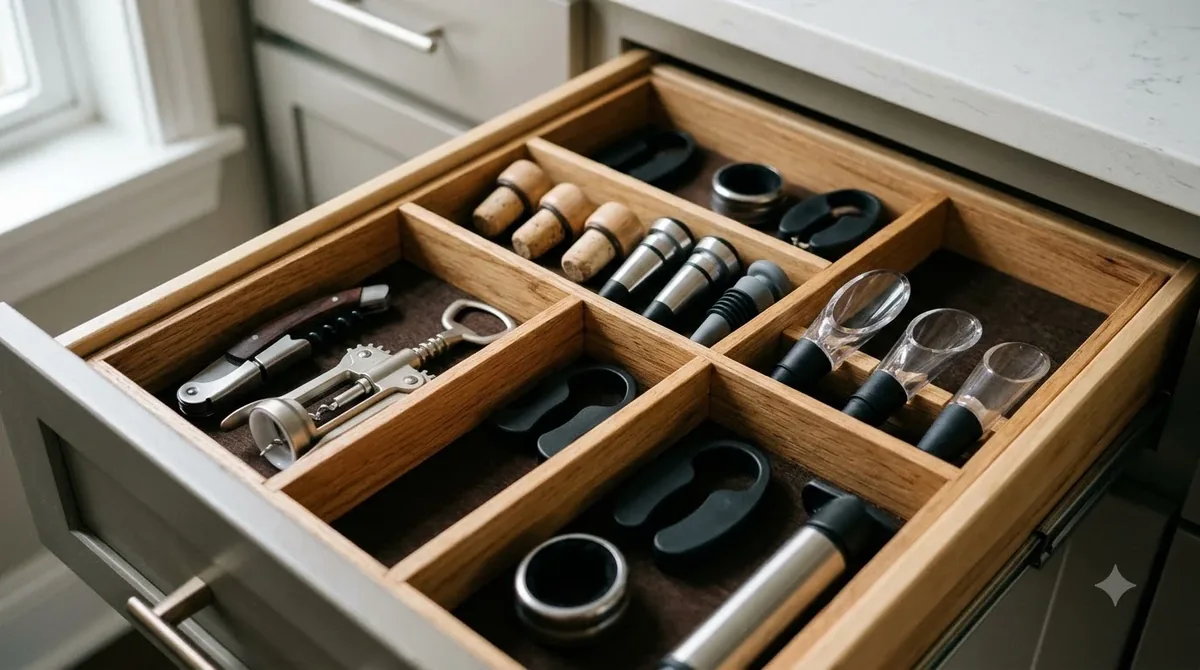
Serve Pecorino chilled but not ice-cold. A temperature that is cool to the touch lets the aromas open, while the acidity stays fresh. Very cold serving can mute the fruit, so take the bottle out of the fridge for a few minutes before pouring if it has been stored at a low temperature.
A standard white wine glass with a medium bowl is a good choice. It gathers the aromas without overwhelming the palate. Most Pecorino is best within a few years of the vintage, so check the release date and drink the bottle while it still shows its fresh character.
Tip: Pecorino works well as an easy table wine. Open a bottle a few hours before a meal and keep it chilled, and it will hold its shape through the first course.
Food Pairings for Pecorino
The wine’s acidity makes it a natural match for seafood. Grilled fish, shellfish, and light pasta with olive oil or herbs all suit its fresh profile. It also works with salads that include citrus or soft cheese, because the acidity cuts through the richness without overpowering the dish.
Pecorino can also pair with roasted chicken or vegetable dishes, especially those seasoned with lemon and herbs. For a more regional match, try it with the cheeses and cured meats of central Italy. The wine’s brightness balances the saltiness of these foods and keeps the palate fresh between bites.
How Pecorino Compares With Other Whites
Pecorino sits between lighter Italian whites and fuller, more textured options. Drinkers who enjoy a bright Riesling may find Pecorino a useful step, since both show crisp acidity and clean fruit. The riesling flavor guide explains how sweetness and acidity shape that style. Pecorino is usually drier than most German Rieslings, so it tends to suit savory food better.
For readers who want a red to compare, the malbec profile shows how a bold, dark wine differs from a fresh white. A Marsala, which is a fortified Sicilian wine, offers another contrast, and its taste guide covers how its oxidized, nutty notes stand apart.
How Age Changes Pecorino
Most Pecorino is meant to be enjoyed within a few years of the vintage. In its youth, the fruit and acidity are at their brightest, and the wine tastes clean and direct. Over time, the aromas can become softer and more honeyed, and the acidity may feel less sharp. That change is not a flaw in most cases, but it does mean the style you enjoy depends on the bottle’s age.
Storage matters as well. A bottle kept in a warm room or in direct light can lose its freshness faster than one kept cool and dark. If you plan to hold a bottle for more than a year, check the producer’s guidance first, since some styles are made to be drunk young.
How to Choose a Bottle
Start with the label. Look for the grape name, the producer, and the appellation, since these details tell you where the grapes were grown. A bottle from a known producer in Marche or Abruzzo is a safe starting point. Read the back label for notes on acidity or oak, and ask the shop staff if you are unsure which style to pick.
Price is not a reliable guide to quality, so focus on the producer’s style and the vintage. A recent vintage usually shows the freshest fruit and acidity, which is the signature of the grape.
Frequently Asked Questions
What does Pecorino wine taste like?
Pecorino usually tastes of citrus, green apple, and herbs, with a fresh, lively acidity. Fuller versions may show more texture and depth.
Is Pecorino wine the same as Pecorino cheese?
No. The wine is made from a white grape, while the cheese is made from sheep’s milk. The two share a name and a region of origin, but they are separate products.
Is Pecorino a sweet or dry wine?
Most Pecorino is dry. A few producers make sweeter or sparkling styles, so check the label if you want a specific level of sweetness.
Where is Pecorino wine made?
The grape is grown mainly in central Italy, especially Marche and Abruzzo, with some plantings in Lazio.
Pecorino is a useful white to explore if you want something fresh and regional. Pick a bottle from Marche or Abruzzo, chill it lightly, and serve it with seafood or a simple salad. To compare it with other grape styles, browse the Wine by Type guide.
More in Wine Types & Grapes
 Zinfandel Sugar Content: Dry Red vs. White Zinfandel GramsUpdated Nov 21, 2026
 Best Zinfandel Substitute Options for Sipping and CookingUpdated Nov 21, 2026
 Zweigelt Food Pairing: Best Dishes, Cheeses, and Serving TipsUpdated Nov 21, 2026
 Zinfandel Tannins Explained: How Structure Shapes Every BottleUpdated Nov 21, 2026
 Zinfandel Sweetness Level: Dry Red vs. Sweet White Zin ExplainedUpdated Nov 21, 2026
 Xinomavro Food Pairing: Best Dishes, Styles, and Serving TipsUpdated Nov 21, 2026