

We may earn a commission when you buy through links on this page, at no extra cost to you. Learn more.
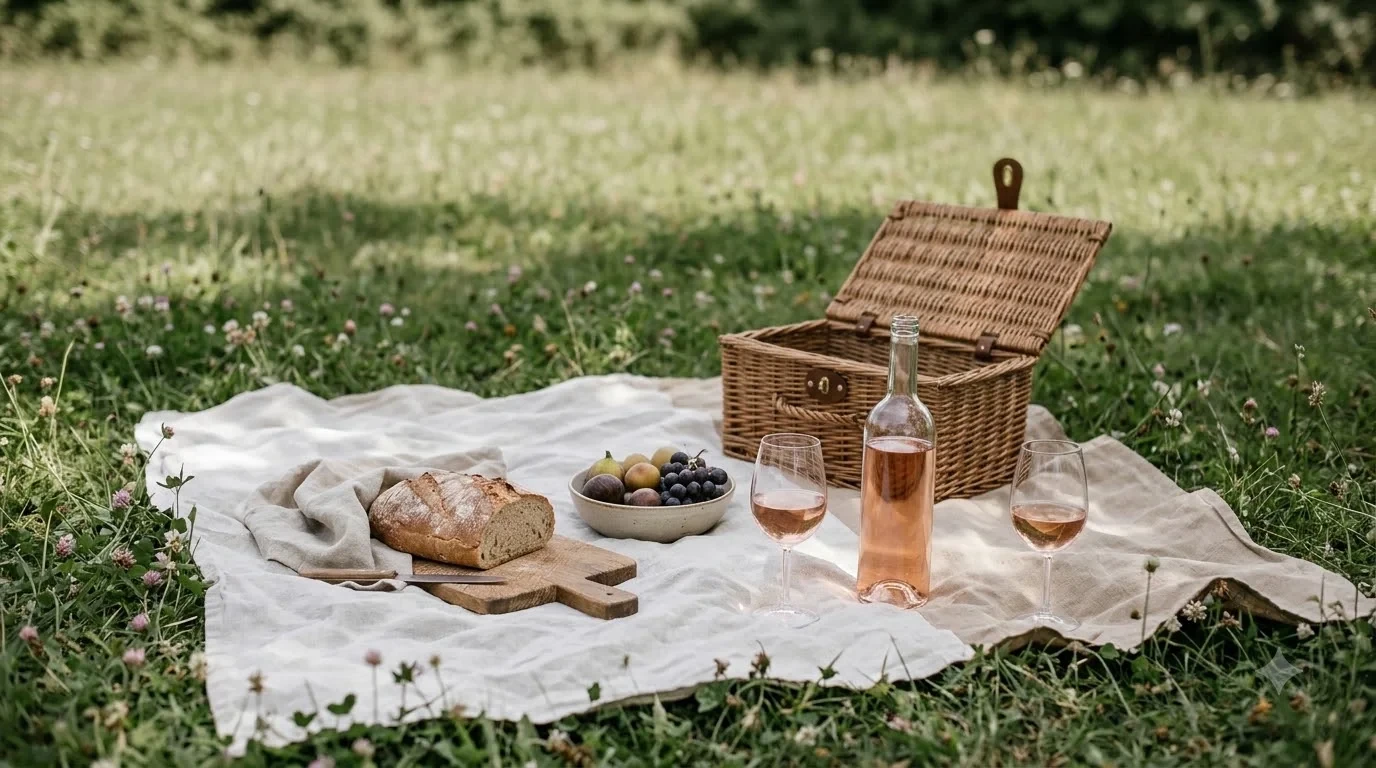
What does montepulciano taste like? Montepulciano typically tastes of juicy black cherry, ripe plum, blackberry, and red berries, with supporting notes of herbs, pepper, and baking spices. This Italian red wine is usually dry, medium-to-full-bodied, and moderately tannic, with a smooth texture and a satisfying finish. Depending on the producer and aging method, it can range from fresh and fruit-forward to concentrated and complex, with additional flavors of chocolate, tobacco, and dried herbs.
Montepulciano is an approachable choice for people who enjoy generous fruit flavors without the particularly firm tannins of Cabernet Sauvignon. Its best-known expression, Montepulciano d’Abruzzo, comes from Italy’s Abruzzo region, where the grape produces reds suited to everything from pizza and pasta to grilled meats. Understanding its flavor profile, regional differences, and food pairings makes it easier to find a bottle that suits your preferences.
Montepulciano’s Main Flavors and Aromas
Montepulciano is primarily a dark-fruited red wine, with black cherry, plum, and blackberry forming its most recognizable flavor combination. These ripe fruit characteristics are balanced by savory herbs, gentle spice, and a dry finish.
Black cherry is often the first flavor that comes to mind. It can taste like fresh, ripe cherries, rather than the intensely sweet flavor of cherry candy. Blackberry adds darker fruit character, while plum gives the wine a rounded, juicy quality. Some bottles also show raspberry, red currant, or cranberry, particularly when the fruit is fresher and the winemaking emphasizes brightness rather than extraction.
Beyond the fruit, Montepulciano can offer several layers of secondary aromas. Violet and other floral notes sometimes appear, particularly in wines with a fresh, expressive fruit profile. Mediterranean herbs, dried thyme, and earthy nuances can provide a savory counterpoint to the ripe fruit. Black pepper, clove, and licorice may also appear, depending on the vineyard and production choices.
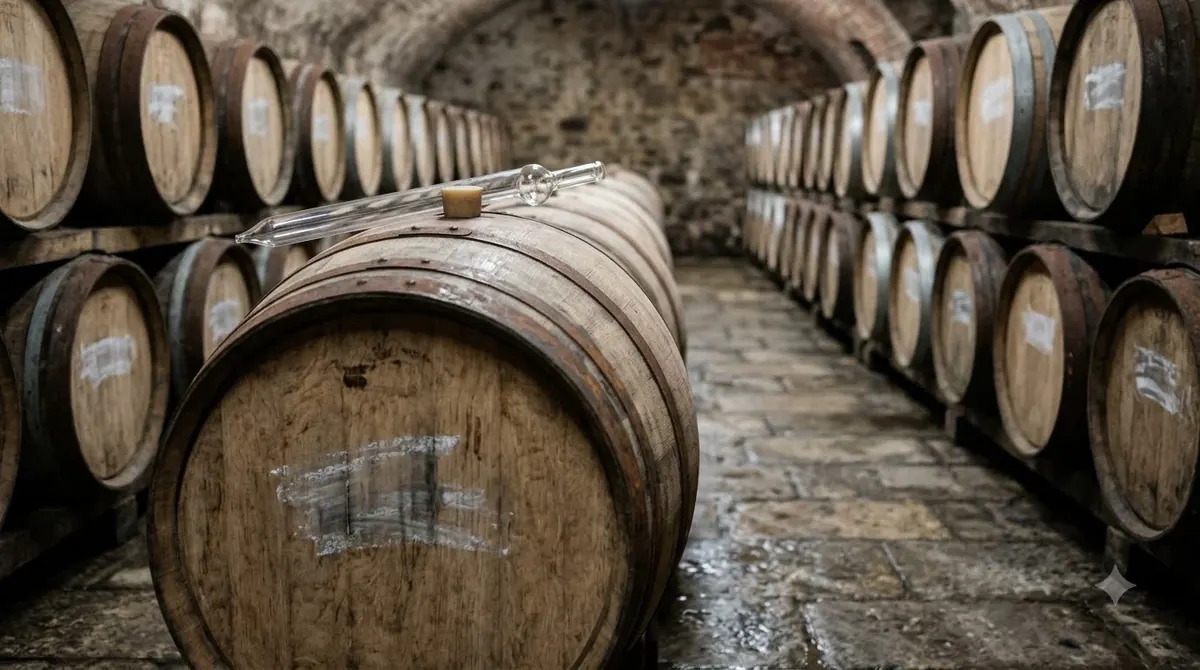
Oak-aged examples can introduce another group of flavors. Chocolate, vanilla, tobacco, and toast may develop as the wine spends time in barrels. With additional bottle age, some examples develop more mature aromas, including dried fruit, leather, and game-like characteristics. These notes are not present in every bottle, so a young stainless-steel-aged Montepulciano will usually taste quite different from a more concentrated Riserva.
The European Union’s official product description identifies cherry and blackberry among the characteristic aromas of Montepulciano d’Abruzzo, while aged examples can develop pepper, tobacco, and licorice notes. The official Montepulciano d’Abruzzo product specification also describes its taste as dry, slightly tannic, velvety, and balanced.
The overall impression is usually ripe and savory rather than sweet. Although the fruit can taste very generous, the wine is generally fermented dry, leaving a finish that may include a little bitterness, spice, or earthy character.
Body, Acidity, Tannins, and Sweetness
Montepulciano is generally a dry, medium-to-full-bodied red with moderate acidity and noticeable but usually manageable tannins. Its combination of ripe fruit and rounded structure makes it substantial enough for rich meals without necessarily feeling as firm or aggressive as some more tannic reds.
Sweetness: Montepulciano d’Abruzzo is generally dry. Its black cherry and plum flavors can create an impression of sweetness, but ripe fruit character is not the same as residual sugar. The finish is typically savory, with enough dryness to complement food.
Acidity: Acidity is usually moderate, helping balance the wine’s fuller body and ripe fruit. It can provide enough freshness to keep the wine from feeling excessively heavy, although Montepulciano is not usually as sharply acidic as Sauvignon Blanc or many Rieslings.
Tannins: Tannins are generally moderate, although structured and oak-aged examples can feel firmer. They create a gentle drying sensation around the gums and inside the cheeks. Compared with the pronounced grip of Cabernet Sauvignon, Montepulciano often feels rounder and more approachable.
Body: Most classic Montepulciano d’Abruzzo reds are medium-to-full-bodied. The wine can feel generous and substantial, particularly when made from ripe grapes and given extended skin contact or barrel aging.
These characteristics make Montepulciano a useful middle ground for red wine drinkers. It has more weight and tannin than many light-bodied reds, but it can be less demanding than highly structured Cabernet Sauvignon or Syrah.
| Characteristic | Typical profile | What you notice |
|---|---|---|
| Sweetness | Dry | Ripe fruit without dessert-like sweetness |
| Body | Medium to full | Generous, substantial mouthfeel |
| Acidity | Moderate | Freshness that balances ripe fruit |
| Tannins | Moderate | Gentle to noticeable drying sensation |
| Alcohol | At least 12% ABV for standard DOC | Can contribute warmth and weight |
| Typical fruit | Cherry, plum, blackberry | Ripe red and dark fruit flavors |
| Common serving temperature | 60–65°F | Expressive aromas and balanced structure |
The alcohol figure in the table reflects the minimum requirement in the official standard Montepulciano d’Abruzzo DOC specification, not a universal alcohol level for every bottle. The actual strength varies by producer, vineyard conditions, and appellation. A warmer-growing site or a more concentrated wine may feel fuller and warmer than a lighter, fresher example.
For readers comparing Italian reds, Montepulciano usually offers more rounded fruit than many leaner, sharper wines. It is also different from what corvina tastes like, since Corvina-based wines from Veneto often emphasize sour cherry, red berries, and a different balance of acidity and structure.
How Abruzzo and Winemaking Shape the Flavor
Abruzzo is the home of the best-known Montepulciano wines, and its varied landscapes help explain the grape’s range of flavors. Cooler inland vineyards, warmer coastal hills, soil differences, and cellar techniques can all influence whether the finished wine tastes fresh and fruity or dense and complex.
Abruzzo lies in central Italy between the Apennine Mountains and the Adriatic Sea. Montepulciano is cultivated across its four provinces: L’Aquila, Pescara, Teramo, and Chieti. The western and northern parts of the region include cooler foothills, while warmer conditions are found in many coastal and southern vineyards.
Those differences can influence ripeness and the final flavor profile. Cooler sites can produce wines with a fresher impression of red berries and a more energetic balance. Warmer vineyards often yield riper fruit, with stronger impressions of blackberry, plum, and dark cherry. These are broad tendencies rather than guarantees, since picking decisions and cellar techniques also matter.
Teramo is particularly important for higher-quality Montepulciano. Its limestone- and clay-rich soils are associated with wines from the Montepulciano d’Abruzzo Colline Teramane DOCG. The designation has stricter production requirements than the standard DOC and provides a useful indication for shoppers interested in more structured regional expressions.
Montepulciano d’Abruzzo DOC and Montepulciano d’Abruzzo Colline Teramane DOCG should not be confused with Vino Nobile di Montepulciano. The latter is a Tuscan wine associated with the town of Montepulciano and based primarily on Sangiovese. Despite the shared name, these are different wines made from different principal grape varieties.
Stainless steel versus oak aging
Stainless-steel fermentation and aging generally preserve the grape’s primary fruit character. These wines tend to emphasize cherry, blackberry, and plum, with fresh aromas and a relatively direct drinking style. They are often good choices for people who want an uncomplicated Italian red to serve with dinner.
Oak aging creates a different experience. Barrels can add flavors and aromas such as vanilla, toast, clove, tobacco, and chocolate, while giving the wine additional texture. Longer aging and greater concentration can also make the tannins more noticeable. The result may be a deeper, more layered wine that benefits from additional time in the bottle or a little air before serving.
Some oaked Montepulcianos become dense and powerful, while others retain their primary fruit character over extended periods. Oak does not automatically mean better quality; it simply changes the style. A fresh, fruit-driven wine can be just as appealing as a more elaborate barrel-aged bottle.
The distinction is especially useful when choosing between an everyday Montepulciano and a Riserva. The latter generally involves longer aging and may offer more developed aromas, a firmer structure, and greater complexity. Requirements differ among the designated subzones, so the word Riserva is best understood within the context of the specific appellation.
Montepulciano Compared With Other Red Wines
Montepulciano is a good option for drinkers who like dark fruit, a substantial body, and moderate tannins. Comparing it with Cabernet Sauvignon, Merlot, Pinot Noir, and Syrah helps clarify where it fits in the red wine spectrum.
Montepulciano versus Cabernet Sauvignon: Cabernet Sauvignon generally has higher tannins and can feel firmer and more structured. Both wines can show dark fruit, but Cabernet often features blackcurrant, cedar, and stronger oak influences. Montepulciano tends to emphasize cherry and plum, with a softer overall impression.
Montepulciano versus Merlot: Merlot is usually medium-bodied, with softer tannins and flavors of plum, cherry, and sometimes chocolate. The overlap is considerable, but Montepulciano can feel more rustic and savory, particularly in traditional Abruzzo examples. Both are useful choices for people who prefer fruit-forward reds over heavily tannic wines.
Montepulciano versus Pinot Noir: Pinot Noir is generally lighter-bodied, with low-to-medium tannins and higher acidity. Its flavor profile often includes red cherry, raspberry, cranberry, and earthy notes. Montepulciano usually has darker fruit, more body, and a stronger tannic presence.
Montepulciano versus Syrah: Syrah can be full-bodied, with medium-plus to high tannins and flavors of blackberry, black pepper, and savory herbs. Montepulciano shares some of those darker fruit and spice characteristics, but its tannins are often more approachable.
For someone who enjoys Merlot but wants a little more structure, Montepulciano can be an appealing next step. For someone who prefers Pinot Noir, a fresher, less concentrated Montepulciano may be a more comfortable introduction than a heavily extracted Riserva.
It also helps to consider the broader range of wine styles. A person who enjoys discovering how different grapes express fruit and acidity might also enjoy exploring what Chenin Blanc tastes like. Although Chenin Blanc is a white grape, its range of dry, fruity, and textured expressions offers an interesting contrast to Montepulciano’s darker fruit profile.
Best Food Pairings for Montepulciano
Montepulciano pairs particularly well with savory dishes featuring tomato, roasted meat, herbs, mushrooms, and aged cheese. Its ripe fruit and moderate tannins complement rich ingredients without requiring the especially heavy proteins often needed for very tannic reds.
Pizza and tomato-based pasta: Tomato sauce, basil, oregano, and melted cheese make natural partners. Montepulciano’s fruit can balance the savory character of pizza toppings, while its moderate acidity provides enough freshness for tomato-based sauces. Try it with pepperoni pizza, baked ziti, lasagna, or pasta with meat ragù.
Grilled and roasted meats: Beef, pork, lamb, and Italian sausages are excellent choices. The wine’s tannins work well with the fat in grilled meat, while the dark fruit complements charred and roasted flavors. Lamb with rosemary, grilled pork chops, and slow-cooked beef are particularly suitable.
Rich cheeses: Aged Pecorino, Parmigiano-Reggiano, and other firm, savory cheeses bring out the wine’s fruit and spice. Salt and fat can soften the perception of tannins, making the combination feel rounder and more balanced. A simple cheese board with olives and cured meats is another easy option.
Mushroom dishes: Mushroom risotto, roasted mushrooms, and pasta with porcini provide earthy flavors that complement Montepulciano’s savory side. The combination is especially appealing with oak-aged versions that show additional tobacco, spice, or earthy characteristics.
Tomato-based stews: Beef stew, sausage and bean casserole, and slow-cooked meat sauces work well because their rich textures match the wine’s body. Herbs such as thyme, rosemary, and oregano can also echo the wine’s savory aromas.
Not every dish is equally suitable. Very spicy food can make the alcohol and tannins seem more pronounced, so heavily chili-laden dishes may overwhelm the fruit. Oily fish can also be difficult with tannic reds. For seafood, consider lighter preparations and a less structured wine rather than pairing a powerful Montepulciano with strongly oily fish.
Tip: For a dependable pairing, serve Montepulciano with tomato-based pasta, grilled sausages, or aged Pecorino. These dishes bring together savory flavors, salt, and fat that complement the wine’s cherry fruit and moderate tannins.
For a seasonal meal, Montepulciano can also accompany roast pork, baked pasta, or slow-cooked beef served during cooler weather. If you enjoy warming wine-based drinks after dinner, what mulled wine tastes like offers a contrasting experience, with added spices and a sweeter, warmer flavor profile.
How to Serve and Store Montepulciano
Serve Montepulciano at approximately 60–65°F to bring out its fruit, spice, and savory aromas without making the alcohol seem too prominent. Most young, approachable bottles can be poured directly, while concentrated or oak-aged examples may benefit from a short period of aeration.
A wine served too warm can feel heavier and more alcoholic than intended. On the other hand, serving it too cold can mute its aromas and make the tannins seem more pronounced. If the bottle has been sitting at room temperature in a warm kitchen, a short period in the refrigerator can help bring it closer to the ideal serving range.
For everyday Montepulciano, a standard red wine glass with a reasonably wide bowl works well. The larger surface area helps release aromas of cherry, blackberry, plum, and spice. You do not need specialized glassware to enjoy the wine, but a glass that allows some room for swirling can make the aromatic differences easier to notice.
Decanting and aeration
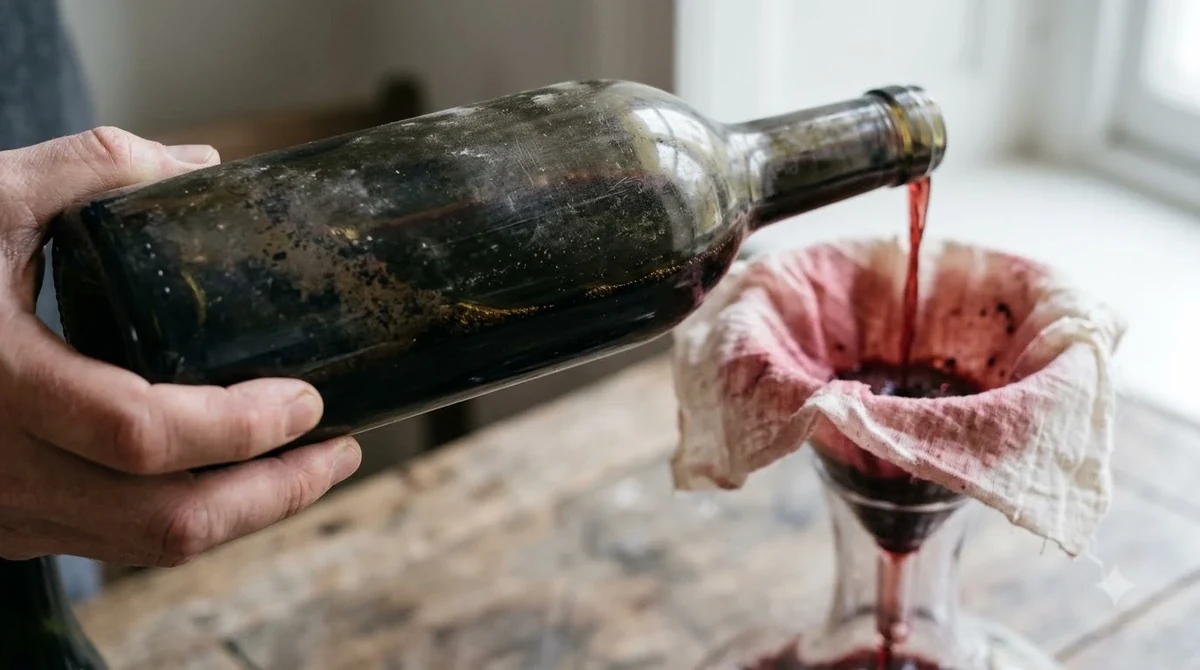
Most young, fruit-forward Montepulciano does not require extensive decanting. Opening the bottle and allowing the wine to breathe in the glass is often enough. More concentrated, structured, or oak-aged examples can benefit from approximately 30–60 minutes in a decanter.
Decanting allows the wine to interact with oxygen and can help soften the initial impression of firm tannins. It may also make the fruit and spice aromas more expressive. However, very old bottles should be handled more carefully because extended exposure to oxygen can cause delicate aromas to fade.
Storing opened bottles
After opening, reseal the bottle and keep it in the refrigerator, even if it is a red wine. Most opened still wines remain enjoyable for approximately three to five days when properly stored. Before serving again, allow the wine a little time to warm toward its preferred drinking temperature.
Unopened bottles should be stored in a cool, dark place with relatively stable conditions. A temperature near 55°F is a useful target. Bottles with natural cork closures are generally best stored horizontally to help keep the cork from drying out.
Not every Montepulciano is intended for long-term cellaring. Many straightforward DOC wines are designed for relatively early drinking, while concentrated, well-made Riserva and DOCG examples may develop additional complexity with age. The producer, vintage, storage conditions, and wine’s structure all influence its aging potential.
Choosing the Right Montepulciano Style
The easiest way to choose Montepulciano is to decide whether you prefer fresh, juicy fruit or a deeper, more structured red. Standard DOC bottlings are often a good starting point, while Riserva and Colline Teramane DOCG wines offer options for people who enjoy greater concentration and aging complexity.
For everyday drinking: Look for a standard Montepulciano d’Abruzzo DOC. These wines commonly emphasize cherry, plum, and blackberry, with approachable tannins and a straightforward finish. Stainless-steel-aged examples are particularly useful when you want the fruit to remain the main feature.
For a richer dinner wine: Consider a Riserva. Longer aging can produce additional spice, tobacco, chocolate, and developed fruit aromas. These wines can be especially enjoyable with roasted lamb, grilled beef, mushroom dishes, and aged cheeses.
For a more distinctive regional expression: Explore Montepulciano d’Abruzzo Colline Teramane DOCG. The designation is associated with the Teramo area and stricter production rules. Wines from this category can show substantial structure and concentration, making them interesting for people who enjoy more serious Italian reds.
For a lighter alternative: Consider Cerasuolo d’Abruzzo. Although it is made from the same grape, it is a rosé rather than a conventional red wine. Its cherry-red color, juicy red fruit, and refreshing character offer a different way to experience Montepulciano.
Wine labels can help distinguish these categories. DOC and DOCG identify protected Italian wine designations, while Riserva indicates an additional aging category governed by the applicable regulations. The exact requirements are not identical across every subzone, so it is useful to consider the specific designation rather than assuming all Riserva wines have the same production history.
Producer style also matters. Some wineries favor fresh fruit, restrained extraction, and minimal oak influence. Others make more concentrated wines with longer maceration and barrel aging. Neither approach is inherently superior; the better choice depends on whether you prefer juicy fruit, savory complexity, or a combination of both.
For a first bottle, a standard DOC from a reputable Abruzzo producer is a sensible starting point. If you already enjoy full-bodied reds and want more depth, a Riserva or Colline Teramane DOCG can be a rewarding comparison.
Frequently Asked Questions
Is Montepulciano the same grape as Sangiovese?
No. Montepulciano and Sangiovese are separate Italian red grape varieties with different flavor profiles and growing traditions. Montepulciano is strongly associated with Abruzzo, while Sangiovese is the principal grape in many famous Tuscan wines, including Chianti. Some appellation rules permit small amounts of Sangiovese in particular Montepulciano wines.
Does Montepulciano d’Abruzzo contain sulfites?
Most commercially produced Montepulciano d’Abruzzo contains sulfites, which can occur naturally during fermentation and may also be added during winemaking. Bottles sold in the United States generally carry a sulfite declaration when they contain at least 10 parts per million. The precise amount varies by producer and production method.
Is Montepulciano always made from 100% Montepulciano grapes?
No. Standard Montepulciano d’Abruzzo DOC regulations permit up to 15% of other authorized local red grape varieties. The Colline Teramane DOCG has a different rule, requiring at least 90% Montepulciano and allowing up to 10% Sangiovese. Individual wines may therefore have different blending compositions.
Can Montepulciano be made into sparkling wine?
Yes. Although the grape is best known for still red wines and Cerasuolo d’Abruzzo rosé, Montepulciano can also be used in sparkling wine production. Sparkling examples are less familiar internationally than the region’s traditional still wines. Their flavor and texture depend on the production method and the amount of skin contact used.
What does the name Montepulciano mean on an Italian wine label?
On a bottle labeled Montepulciano d’Abruzzo, the name identifies the grape variety and its protected wine designation. On a bottle of Vino Nobile di Montepulciano, the name refers to the Tuscan town of Montepulciano rather than the Abruzzo grape. Looking for the words d’Abruzzo or Vino Nobile helps distinguish these two very different Italian wines.
Montepulciano is a satisfying Italian red for anyone who enjoys black cherry, plum, blackberry, and savory spice in a dry, medium-to-full-bodied wine. Start with a fresh, fruit-forward Montepulciano d’Abruzzo DOC for everyday meals, or explore a Riserva when you want greater depth and complexity. With its approachable tannins and versatility at the dinner table, it is a grape well worth getting to know.
More in Wine Types & Grapes
 Zinfandel Sugar Content: Dry Red vs. White Zinfandel GramsUpdated Nov 21, 2026
 Best Zinfandel Substitute Options for Sipping and CookingUpdated Nov 21, 2026
 Zweigelt Food Pairing: Best Dishes, Cheeses, and Serving TipsUpdated Nov 21, 2026
 Zinfandel Tannins Explained: How Structure Shapes Every BottleUpdated Nov 21, 2026
 Zinfandel Sweetness Level: Dry Red vs. Sweet White Zin ExplainedUpdated Nov 21, 2026
 Xinomavro Food Pairing: Best Dishes, Styles, and Serving TipsUpdated Nov 21, 2026