

We may earn a commission when you buy through links on this page, at no extra cost to you. Learn more.
What does gewurztraminer taste like? Gewurztraminer tastes intensely aromatic, with recognizable flavors of lychee, rose petals, ginger, tropical fruit, and sweet spices, often accompanied by a rich, full-bodied texture. Depending on how it is made, the wine can range from completely dry to lusciously sweet. Its relatively low acidity and concentrated fruit flavors make it feel rounder and more generous than many other white wines. The classic example comes from Alsace, France, where Gewurztraminer is known for its expressive floral perfume and exotic fruit character.
Gewurztraminer is one of the easiest white wines to recognize once you become familiar with its distinctive aromas. A glass can smell like fresh roses, ripe peaches, lychee fruit, and fragrant spices, while the palate often brings a silky texture and lingering fruit flavors. However, not every bottle tastes the same. Growing conditions, grape ripeness, residual sugar, and winemaking decisions all influence the final result. Understanding these differences helps you choose a style that suits your preferences and find foods that complement its unusual character.
Lychee, Rose Petals, and Tropical Fruit Define the Flavor
Gewurztraminer is famous for its powerful floral and tropical-fruit aromas. Lychee and rose petals are its signature characteristics, supported by ripe stone fruit, citrus peel, and fragrant spices that make the wine particularly distinctive.
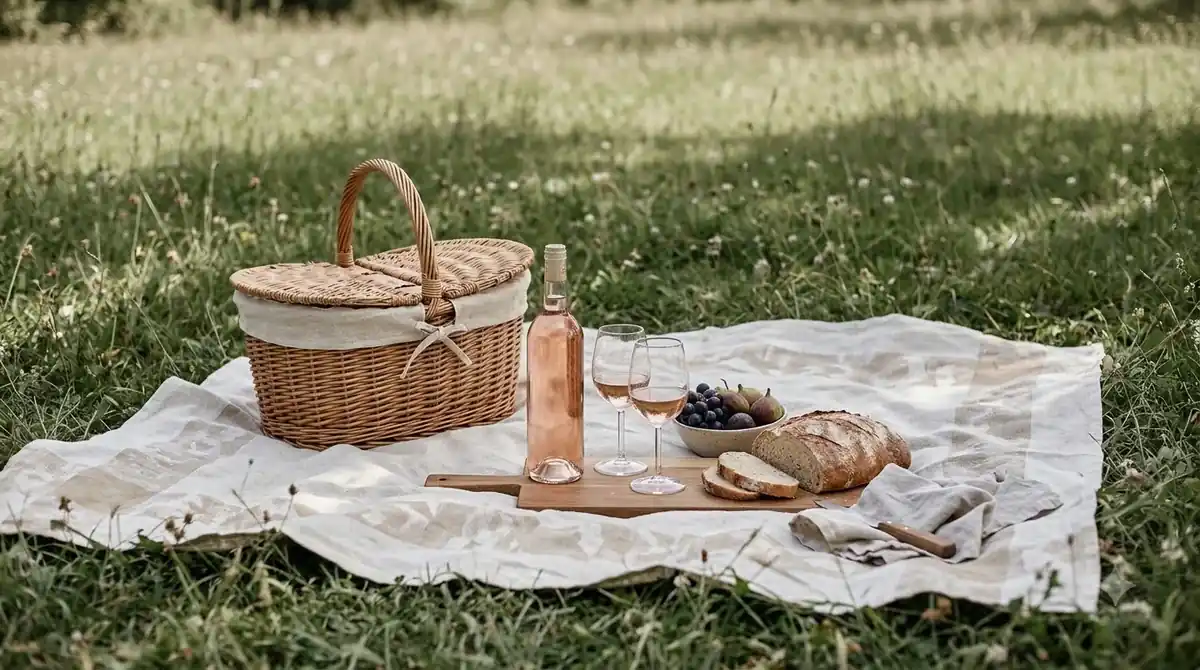
Lychee is often the first flavor people notice. This tropical fruit has a sweet, perfumed character that combines elements of pear, grape, and melon. In Gewurztraminer, it can appear as fresh lychee, canned lychee, or a concentrated fruit-like aroma. The sensation is especially noticeable when you first bring the glass toward your nose.
Rose petals provide another important part of the wine’s personality. The floral aroma can resemble fresh roses, rosewater, or Turkish Delight, the traditional confectionery associated with rose flavor. Orange blossom and other fragrant floral notes sometimes appear alongside it. These aromas are natural characteristics of the grape rather than evidence that flowers or fruit have been added to the wine.
Beyond lychee and flowers, Gewurztraminer frequently displays several tropical and stone-fruit flavors:
- Passion fruit: A fragrant, slightly tart tropical character that adds complexity.
- Pineapple: Ripe pineapple or pineapple preserves, particularly in richer examples.
- Mango: A soft, juicy flavor that contributes to the wine’s impression of sweetness.
- Peach and apricot: Ripe stone-fruit flavors that make the palate feel generous.
- Orange peel: A citrus character that can introduce a pleasant bitter edge.
- Grapefruit: Occasionally noticeable as a fragrant citrus aroma rather than sharp acidity.
The combination of these aromas creates an impression that is almost perfumed. Unlike a restrained white wine that reveals subtle citrus or mineral notes, Gewurztraminer tends to announce itself immediately. Its aroma can remain noticeable even after the wine has been poured for several minutes.
The Alsace wine organization describes the regional style as having an exuberant bouquet of lychee, passion fruit, pineapple, mango, roses, citrus, and spices. Its official Gewurztraminer tasting profile also identifies a full-bodied palate supported by relatively discreet freshness compared with other Alsace wines.
These flavors are not equally intense in every bottle. A cooler-climate example may emphasize floral aromas and fresh stone fruit, while a ripe, concentrated wine can suggest tropical preserves, honey, and candied citrus. Nevertheless, lychee and rose petals remain two of the most useful clues when identifying the grape.
Sweetness, Acidity, and Body Shape the Drinking Experience
Gewurztraminer is generally full-bodied, richly textured, and relatively low in acidity. It can taste sweet even when technically dry, but its actual sweetness depends on the amount of residual sugar left after fermentation.
One of the most common misunderstandings about Gewurztraminer is that its intense fruit aromas automatically mean the wine contains considerable sugar. That is not necessarily true. A dry bottle can smell like ripe mango, lychee, and rosewater without tasting sugary. Aromatic intensity and measurable sweetness are two different characteristics.
Residual sugar is the amount of natural grape sugar remaining in the finished wine. During fermentation, yeast converts grape sugar into alcohol. If fermentation finishes with little sugar remaining, the wine can be dry. If more sugar remains, the wine can be off-dry, medium-sweet, or sweet.
Berry Bros. & Rudd describes dry Gewurztraminer as having approximately 0–9 grams of residual sugar per liter and identifies 4–12 grams per liter as a common off-dry range. These categories can overlap because sweetness perception also depends on acidity, alcohol, fruit concentration, and individual sensitivity.
| Style | Residual Sugar | Typical Taste |
|---|---|---|
| Dry | 0–9 g/L | Floral, spicy, ripe fruit without pronounced sugary sweetness |
| Off-dry | 4–12 g/L | Soft sweetness with lychee, peach, and ginger |
| Medium-sweet | Varies by producer | Noticeable sweetness with concentrated tropical fruit |
| Sweet | Varies by producer | Honey, candied fruit, dried apricot, and rich floral flavors |
Acidity is another important part of the experience. Gewurztraminer generally has less acidity than Sauvignon Blanc or Riesling. Instead of a sharp, refreshing sensation, it tends to feel round, soft, and broad across the palate. This lower acidity contributes to its rich impression, particularly when combined with ripe fruit flavors and alcohol.
Its body is typically medium-full to full, although individual wines vary. The texture can feel smooth, almost oily, and slightly weighty. This does not mean the wine contains actual oil. It describes the way the liquid coats the palate and gives an impression of richness.
The finish may bring ginger, white pepper, orange peel, or a slightly bitter citrus-pith character. That gentle bitterness can help balance the ripe fruit and keep the wine from feeling excessively sweet. In more concentrated examples, the finish can remain aromatic well after swallowing.
Tip: If you want to know whether a bottle is genuinely sweet, distinguish its fruit aromas from its residual sugar. Lychee and rose aromas can make a completely dry Gewurztraminer seem sweeter than it really is.
Alsace and Other Regions Produce Different Expressions
Alsace in northeastern France is the best-known region for Gewurztraminer, producing wines that range from dry and aromatic to richly sweet. Other important growing areas include Alto Adige in Italy, Germany, and New Zealand, where climate and winemaking influence the grape’s expression.
Alsace is the natural starting point for understanding this variety. The region’s Gewurztraminer can display a deep golden-yellow color, intense tropical-fruit aromas, rose petals, and spices. The wines often have a generous body and a relatively restrained level of acidity compared with local Riesling.
Within Alsace, differences in vineyard geology can influence the character of the finished wine. Decanter identifies several important grand cru sites and explains how their soils can contribute to different expressions.
For example, marly limestone vineyards such as Hengst, Florimont, Mambourg, and Marckrain can produce deep, rich, spicy wines with a good acidity backbone. Granite and sandstone sites such as Brand and Kessler can produce more elegant, aromatic wines with pronounced fruit. These distinctions demonstrate why two bottles from the same grape and region can have noticeably different personalities.
Alsace also produces special sweet styles. Late-harvest wines, including those designated Vendanges Tardives, can show concentrated fruit and honeyed characteristics. Sélection de Grains Nobles wines are associated with carefully selected grapes affected by noble rot, a beneficial form of fungal concentration that can produce particularly rich dessert wines.
Beyond France, Alto Adige in northern Italy has historical connections with the Traminer grape family. Gewurztraminer from this mountainous region can offer pronounced floral and spicy characteristics. Germany also grows the variety, producing examples that vary according to site and ripeness.
New Zealand is another interesting place to explore. Its cooler wine-growing areas can produce aromatic whites with lively fruit expression. Depending on the producer and growing conditions, the resulting Gewurztraminer may emphasize fresh floral aromas, stone fruit, and spice rather than the richer tropical character associated with some Alsace examples.
These regional differences make it useful to compare wines rather than assume that one tasting experience represents the entire grape variety. If you enjoy floral perfume but prefer a lighter impression, explore different producers and cooler-climate bottlings. If you prefer a richer palate, begin with a full-bodied Alsace example.
For additional comparisons across grape varieties, the Wine by Type section offers a useful starting point for exploring other white, red, rosé, and sparkling wines.
Gewurztraminer Food Pairings That Complement Its Aromas
Gewurztraminer pairs especially well with aromatic, spicy, and richly flavored foods. Its tropical fruit, floral perfume, and relatively generous body allow it to accompany dishes that can overwhelm more delicate white wines.
Asian cuisine is one of its strongest pairing categories. Thai curries, Indian dishes, Indonesian food, and Chinese preparations with sweet-and-sour sauces can all work particularly well. The wine’s fragrant character complements ingredients such as ginger, lemongrass, turmeric, coriander, cumin, and coconut milk.
Sweetness is particularly important when pairing Gewurztraminer with spicy food. A slightly off-dry wine can soften the sensation of chili and complement sauces containing sugar, fruit, or coconut. A dry version is also useful when the dish has plenty of aromatic herbs and spices without much sweetness.
However, avoid pairing a very high-alcohol, tannic wine with intensely hot chili dishes. Alcohol and tannin can amplify the sensation of heat. Gewurztraminer is a white wine with virtually no red-wine tannin, which makes it a useful alternative to powerful tannic reds for many spicy meals. Its alcohol level still matters, so a softer, moderately alcoholic example may be preferable for especially hot dishes.
Cheese, poultry, and pork
Cheese is another excellent match. Munster is the classic Alsatian pairing, particularly because the cheese has a powerful aroma and creamy texture that can stand alongside the wine’s intensity. Roquefort, Stilton, Gouda, and other strongly flavored cheeses can also work, depending on the wine’s sweetness.
Rich poultry dishes are also worth considering. Roast chicken with apricot glaze, duck with orange sauce, and chicken cooked with ginger or warming spices can complement Gewurztraminer’s ripe fruit profile. The wine’s body gives it enough presence to accompany flavorful sauces without disappearing.
For pork, consider roast pork with apple, pork tenderloin with a ginger glaze, or dishes containing caramelized onions. The combination of savory meat, fruit, and gentle sweetness creates a natural connection with the grape’s flavor profile.
Desserts and fruit-based dishes
Sweet Gewurztraminer can accompany fruit tarts, apricot pastries, crème caramel, and desserts containing exotic fruit. Cinnamon, dried apricots, nuts, and candied citrus are particularly compatible with concentrated late-harvest examples.
One important pairing principle is that the wine should be at least as sweet as the dessert. Otherwise, the dessert can make the wine seem sour, thin, or unexpectedly bitter. A dry Gewurztraminer is therefore generally better suited to savory dishes than very sweet pastries.
For a broader look at how sweetness and warming spices influence wine pairings, compare the flavors in what does mulled wine taste like with the aromatic character of Gewurztraminer.
Serving Temperature and Glassware Bring Out Its Aroma
Gewurztraminer is best served lightly chilled, around 45–50 degrees Fahrenheit for a refreshing but aromatic drinking experience. Serving it too cold can suppress its distinctive rose, lychee, and spice aromas.
A practical approach is to refrigerate the bottle and remove it approximately 15 minutes before serving. Berry Bros. & Rudd recommends this approach because the wine becomes more expressive as it moves slightly above refrigerator temperature.
Temperature matters particularly with Gewurztraminer because aroma is such an important part of its identity. If the wine is excessively cold, its floral and tropical notes can seem muted. As it warms slightly in the glass, ginger, rosewater, mango, and citrus peel become easier to recognize.
Use a standard white wine glass with a reasonably wide bowl. The glass should provide enough room for the wine’s aromas to collect without requiring a large serving. A 5-ounce pour is a practical standard, and a 750-milliliter bottle provides approximately five such servings.
Unlike some young full-bodied red wines, Gewurztraminer generally does not need a lengthy decanting period. Opening the bottle and allowing the wine to sit in the glass for several minutes is usually sufficient. This short breathing period can help its perfume develop.
For a more deliberate tasting, follow these steps:
- Examine the color: Look for pale gold through deeper golden-yellow shades.
- Smell before swirling: Identify the first aromas, particularly lychee and rose petals.
- Swirl gently: Look for additional notes of ginger, mango, peach, and citrus.
- Take a small sip: Notice whether the wine feels dry, off-dry, or sweet.
- Assess the texture: Pay attention to its body, relatively low acidity, and smooth finish.
- Revisit the glass: Notice how the aromas change as the wine warms slightly.
There is no need to use an elaborate tasting technique. A few minutes of attention can reveal the differences between a dry, spicy Gewurztraminer and a rich, sweet example.
How Gewurztraminer Compares With Other White Wines
Gewurztraminer differs from many familiar white wines because its floral and tropical aromas are particularly intense, while its acidity is relatively low. Comparing it with Riesling, Chardonnay, and Chenin Blanc helps explain its distinctive combination of perfume, body, and sweetness.
Gewurztraminer versus Riesling
Riesling generally has higher acidity and a lighter-bodied profile. Its flavors often include lime, green apple, peach, and sometimes the characteristic petrol-like aromas associated with bottle development. Gewurztraminer, by contrast, emphasizes lychee, rose petals, ginger, and tropical fruit.
Both grapes can produce dry, off-dry, and sweet wines. The difference is the balance between acidity, body, and aroma. Riesling often feels crisp and refreshing, while Gewurztraminer tends to feel rounder and more textured.
If you enjoy high acidity and citrus-driven freshness, Riesling may be a better starting point. If you prefer rich floral aromas, exotic fruit, and a fuller palate, Gewurztraminer is likely to appeal.
Gewurztraminer versus Chardonnay
Chardonnay has a more flexible flavor profile because its character is strongly influenced by climate, fermentation, and aging. Depending on the style, it can taste of green apple, lemon, pear, peach, butter, vanilla, or toasted nuts.
Gewurztraminer is generally much more recognizable by its grape-derived perfume. Its rose, lychee, ginger, and exotic fruit characteristics are usually prominent even in relatively young wines. Chardonnay can be medium-bodied or full-bodied, while Gewurztraminer is typically generous in body and texture.
Gewurztraminer versus Chenin Blanc
Chenin Blanc offers a particularly interesting comparison because it can also range from dry to sweet. However, it typically has higher acidity and can display apple, quince, pear, honey, and mineral characteristics.
Gewurztraminer is more overtly floral and spicy, with a stronger emphasis on lychee and tropical fruit. Chenin Blanc is often a better choice if you want refreshing acidity and a balance between fruit and freshness.
For a closer look at that alternative, read what does chenin blanc taste like and compare its apple, quince, and honey notes with Gewurztraminer’s rose and ginger character.
Quick comparison
- Gewurztraminer: Lychee, rose petals, ginger, tropical fruit, full body, and relatively low acidity.
- Riesling: Lime, green apple, peach, high acidity, and a range of dry to sweet styles.
- Chardonnay: Apple, citrus, pear, peach, and possible butter or vanilla notes, with medium acidity.
- Chenin Blanc: Quince, apple, pear, honey, and generally pronounced acidity across several sweetness levels.
These comparisons are useful when choosing a bottle because they focus on what you actually experience in the glass rather than relying only on grape names or regional reputations.
How to Choose a Gewurztraminer That Matches Your Preferences
The easiest way to select Gewurztraminer is to begin with the sweetness level and then consider its region, body, and intended food pairing. A dry Alsace bottling is a useful starting point for someone who enjoys aromatic white wines but does not want a dessert-like finish.
If you usually drink Sauvignon Blanc or unoaked Chardonnay, a dry Gewurztraminer can introduce you to more expressive floral and tropical aromas without requiring a substantial change in sweetness preference. Its lower acidity and fuller texture will feel different, but its fruit character can make the transition approachable.
If you prefer Moscato or sweeter Riesling, consider an off-dry or medium-sweet example. These wines can provide a similar impression of ripe fruit and gentle sweetness while offering a more pronounced spicy and floral character.
For dessert, look for concentrated late-harvest styles. Vendanges Tardives and Sélection de Grains Nobles from Alsace are useful categories to investigate. These wines can show honey, dried apricot, candied citrus, and concentrated tropical fruit.
Regional information can also help. Alsace is the most recognizable benchmark, while Alto Adige and Germany offer opportunities to compare different growing conditions. New Zealand provides another option for exploring the variety outside Europe.
When comparing bottles, pay attention to the following details:
- Sweetness: Determine whether you want dry, off-dry, or sweet wine.
- Region: Begin with Alsace if you want a classic expression.
- Vintage: Consider the style and ripeness of the particular wine rather than assuming every vintage tastes identical.
- Alcohol: A higher alcohol level can contribute to a warmer, fuller sensation.
- Food: Choose dry or off-dry styles for many savory dishes and sweeter wines for desserts.
Gewurztraminer also has aging potential in its more concentrated forms. While many examples are intended to be enjoyed relatively young, well-made wines can develop honey, nuts, candied peel, and dried-fruit characteristics with bottle age. Decanter notes that some of the finest examples can develop complexity over many years.
For a first bottle, a dry or off-dry Alsace Gewurztraminer offers a useful introduction to the grape’s signature combination of roses, lychee, ginger, and rich texture. Once you recognize those characteristics, exploring sweeter styles and other regions becomes much easier.
Frequently Asked Questions
Does Gewurztraminer taste like perfume?
Yes, its floral aromas can resemble rosewater, orange blossom, and fragrant Turkish Delight. This perfume-like quality comes from naturally occurring aromatic compounds called terpenes. Their concentration helps explain why Gewurztraminer is so recognizable even before you taste it.
Does Gewurztraminer have tannins?
Gewurztraminer is a white wine and generally has very little noticeable tannin compared with red wines. However, compounds extracted from grape skins can contribute a subtle phenolic grip or slightly bitter sensation. This can explain the gentle bitterness sometimes found toward the finish.
Can Gewurztraminer taste smoky?
Some examples can display subtle smoky or mineral impressions alongside their floral and fruit aromas. These characteristics depend on vineyard conditions, ripeness, and winemaking. They are not as universally recognizable as the grape’s signature lychee and rose notes.
What color are Gewurztraminer grapes?
Gewurztraminer grapes have pink to light-red skins rather than the green appearance associated with many white wine grapes. The pigmentation can influence the finished wine’s color, helping produce golden-yellow shades with occasional deeper golden or coppery reflections.
Can Gewurztraminer be made into ice wine?
Yes. Gewurztraminer can be used to produce Icewine in suitable cold-climate regions, including Canada. The grapes are harvested while naturally frozen on the vine, concentrating sugars and flavors in the resulting juice. These wines can have intense tropical fruit, honey, and floral characteristics.
Gewurztraminer is a distinctive white wine for anyone who enjoys expressive aromas, ripe tropical fruit, floral notes, and a generous texture. Its sweetness can range from completely dry to richly sweet, so there is a style for different tastes and occasions. Start with an Alsace bottling to understand its classic character, then explore different regions and sweetness levels to discover which expression you enjoy most.
More in Wine Types & Grapes
 Zinfandel Sugar Content: Dry Red vs. White Zinfandel GramsUpdated Nov 21, 2026
 Best Zinfandel Substitute Options for Sipping and CookingUpdated Nov 21, 2026
 Zweigelt Food Pairing: Best Dishes, Cheeses, and Serving TipsUpdated Nov 21, 2026
 Zinfandel Tannins Explained: How Structure Shapes Every BottleUpdated Nov 21, 2026
 Zinfandel Sweetness Level: Dry Red vs. Sweet White Zin ExplainedUpdated Nov 21, 2026
 Xinomavro Food Pairing: Best Dishes, Styles, and Serving TipsUpdated Nov 21, 2026