

We may earn a commission when you buy through links on this page, at no extra cost to you. Learn more.
What does fortified wine taste like? Depending on the style, it ranges from bone-dry, crisp, and salty-nutty to rich, syrupy, and bursting with dried figs, caramel, roasted nuts, and warm baking spices. Because winemakers blend a neutral grape spirit into the base wine, fortified wines carry higher alcohol (typically 15 to 20 percent ABV) and a noticeably fuller, warmer body than standard table wines. Some bottles are fortified mid-fermentation to lock in natural grape sweetness, while others are fortified after fermentation finishes for a savory, dry profile.
Walking into a wine shop and picking up a bottle of Sherry, Port, or Madeira can feel intimidating if you assume every bottle on the shelf tastes like sticky after-dinner syrup. In reality, fortification is a winemaking technique rather than a single flavor profile, producing everything from brisk aperitifs that taste like sea spray and toasted almonds to plush dessert pours layered with dark chocolate and blackberry jam.
What Is Fortified Wine?
Fortified wine is base wine strengthened with a distilled grape spirit, typically a high-proof neutral brandy, added either during or after fermentation. This extra alcohol raises the finished strength to roughly 15 to 20 percent ABV while shaping both sweetness and shelf stability.
The exact moment the winemaker adds that spirit determines whether the final bottle tastes sweet or bone-dry. When spirit goes into the vat mid-fermentation, the spike in alcohol halts yeast activity before the yeast can consume all the natural grape sugars. That unfermented residual sugar stays in the wine, creating naturally sweet styles like Ruby Port, Tawny Port, and Vin Doux Naturel.
Conversely, when a winemaker waits until fermentation finishes completely before adding spirit, the yeast has already converted all available sugar into alcohol. Those bottles—such as Fino Sherry, Manzanilla, and dry Madeira—finish completely dry, relying on grape acidity, barrel aging, and controlled oxidation for flavor rather than sugar. Historically, producers developed this technique so barrels could survive long ocean voyages without spoiling, a happy accident that created some of the longest-lived bottles in our guide to wine by type.
Flavor and Styles of Fortified Wine
Fortified wines span two distinct flavor families: fresh, fruit-driven styles protected from oxygen and oxidative, barrel-aged styles rich with toasted nuts, caramel, and dried fruit. Understanding the six major categories makes it easy to predict what is inside the glass before you pull the cork.

Port hails from Portugal’s Douro Valley and is almost always sweet and full-bodied. Young Ruby Port tastes vibrant and jammy, packed with crushed blackberry, black cherry, plum, and a touch of dark cocoa. Tawny Port spends years aging in small wooden casks where gentle oxygen exposure turns the color amber and shifts the flavor toward toasted walnuts, butterscotch, dried fig, and cinnamon spice.
Sherry comes from Jerez in southern Spain and covers the widest spectrum on the palate. Pale, biologically aged Fino and Manzanilla mature beneath a protective layer of yeast called flor, giving them a crisp, zesty profile of raw almonds, green olives, preserved lemon, and ocean salinity. Oxidative styles like Amontillado and Oloroso trade that seaside snap for roasted hazelnuts, burnt sugar, bitter orange peel, and leather, while Pedro Ximénez (PX) delivers thick, velvety waves of raisin, molasses, and date paste.
Madeira and Marsala bring savory caramelization and bright acidity to the table. According to Wine Enthusiast’s guide to fortified wine, Madeira is gently heated and oxidized during maturation, giving styles like Sercial and Malmsey a signature tang of roasted pecans, burnt caramel, and marmalade balanced by electric acidity. Sicilian Marsala ranges from dry, savory amber wines aged in oak or cherry wood—tasting of dried apricot, vanilla, and brown butter—to sweeter versions suited for sipping.
Vins Doux Naturels (VDN) and Vermouth round out the category with aromatics. French VDNs like Rasteau or Muscat de Beaumes-de-Venise preserve pure grape perfume, offering notes of stewed raspberry, orange blossom, and honey. Vermouth takes a fortified wine base and infuses it with botanicals like wormwood, citrus peel, and baking spices, creating herbal, bittersweet dry styles for Martinis and spiced, caramelized sweet styles for Manhattans.
| Style | Origin | Sweetness | ABV | Core Flavor Notes |
|---|---|---|---|---|
| Fino / Manzanilla Sherry | Spain | Bone-dry | 15–16% | Salted almond, lemon pith, green olive, sea spray |
| Amontillado / Oloroso Sherry | Spain | Dry | 17–20% | Toasted hazelnut, burnt sugar, dried orange peel, leather |
| Ruby Port | Portugal | Sweet | 19–20% | Blackberry jam, black plum, dark chocolate, black pepper |
| Tawny Port | Portugal | Sweet | 19–20% | Caramel, roasted walnut, dried fig, warm baking spice |
| Madeira | Portugal (Madeira) | Dry to sweet | 17–18% | Toffee, roasted pecan, candied citrus, vibrant acidity |
| Vermouth (Dry / Sweet) | Italy / France | Dry or sweet | 15–18% | Herbs, bitter roots, wormwood, citrus peel, vanilla |
Where Fortified Wine Grows
Traditional fortified wines originate primarily in warm, sun-drenched coastal and river-valley regions across Europe where ripe grapes easily accumulate high natural sugar. Hot growing conditions give the base wines enough concentration to stand up to added grape spirits without tasting thin or overly alcoholic.
In Portugal, steep terraced vineyards carved into the schist hillsides of the Douro Valley produce Port from indigenous grapes like Touriga Nacional and Tinta Roriz. Farther out in the Atlantic Ocean, the volcanic island of Madeira cultivates Sercial, Verdelho, Bual, and Malvasia on dramatic mountain slopes. Southern Spain’s Jerez triangle—anchored by Jerez de la Frontera, Sanlúcar de Barrameda, and El Puerto de Santa María—relies on chalky white albariza soils to grow Palomino Fino for dry Sherries alongside sun-ripened Pedro Ximénez.
Beyond Iberia, western Sicily produces Marsala around its namesake coastal town using local white and red grapes such as Grillo, Catarratto, and Nero d’Avola. Southern France crafts Vins Doux Naturels across the Rhône Valley and Roussillon in appellations like Rasteau, Banyuls, and Maury, while Australia’s Rutherglen region has built a celebrated tradition of intensely rich fortified Muscats.
How to Serve Fortified Wine
Serving fortified wine at the right temperature and in a smaller glass keeps its higher alcohol balanced and lets subtle nut, fruit, and spice aromas shine. Pouring a full five-ounce table-wine serving into a huge goblet can make the alcohol feel hot on your nose, so a two- to three-ounce pour in a tulip-shaped glass or traditional Spanish copita works best.
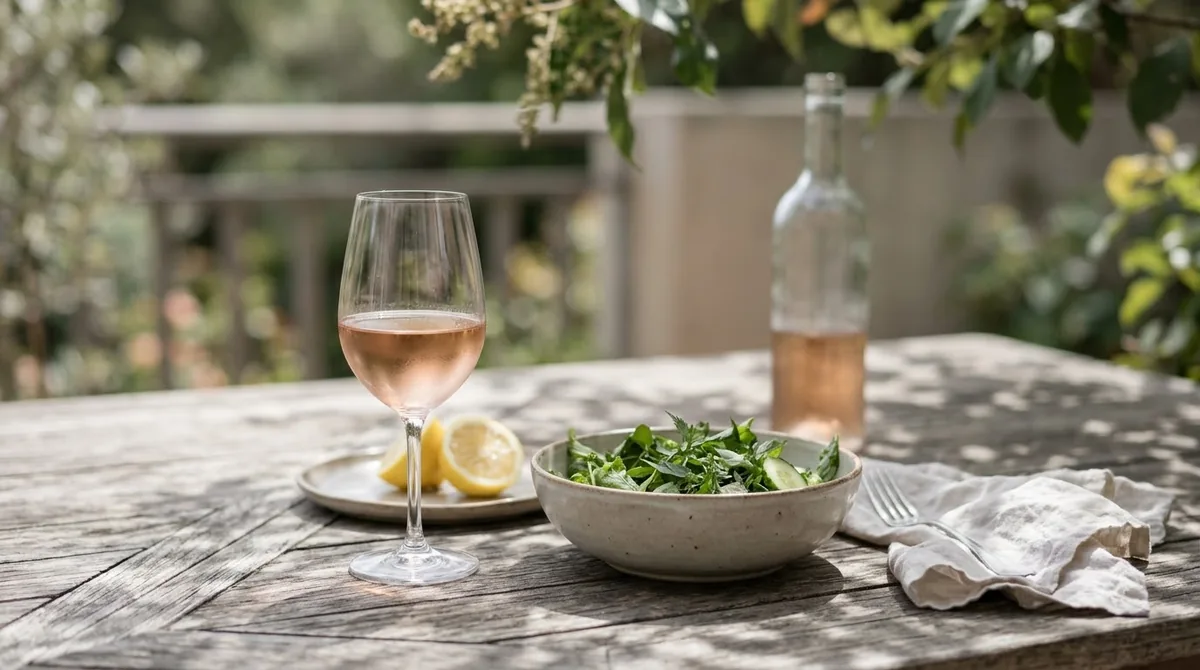
Temperature depends entirely on the style in your glass. Crisp, dry Fino and Manzanilla Sherries taste sharpest when chilled to refrigerator temperature—roughly 45 to 50 degrees Fahrenheit—just like a zesty white wine. Cellar temperature (55 to 60 degrees Fahrenheit) hits the sweet spot for Tawny Port, Amontillado Sherry, and lighter styles of Madeira, keeping their caramel and nut notes lively rather than heavy.
Richer, darker bottles like Vintage Port, Oloroso Sherry, and Malmsey Madeira open up best slightly warmer, around 60 to 66 degrees Fahrenheit. If you are opening an older Vintage Port, stand the bottle upright for a few hours beforehand and decant it slowly so the natural sediment stays behind in the bottle. Filtered styles like Tawny Port, Ruby Port, and Sherry are ready to pour straight from the bottle.
Tip: Store opened bottles of fortified wine in the refrigerator with the cork tightly sealed—most Tawny Ports, Madeiras, and oxidative Sherries stay fresh for three to four weeks after opening, unlike table wines that fade within a few days.
Food Pairing Ideas
Fortified wines rank among the most versatile partners at the dinner table because their spectrum stretches from salty aperitifs to decadent dessert matches. Pairing works best when you match the weight and sweetness of the wine to the dish rather than letting one overpower the other.
Bone-dry Fino and Manzanilla Sherries act like a squeeze of lemon over salty snacks. Pour them alongside Marcona almonds, green olives, jamón serrano, fried calamari, or raw oysters, where their briny acidity cuts right through richness. Nutty Amontillado and dry Madeira pair effortlessly with roasted mushrooms, aged Gouda or Comté, roasted poultry, and spiced nuts.
When dessert arrives, sweet fortified styles shine. According to Wine Folly’s tasting breakdown of fortified wines, red Grenache-based Rasteau VDN and Ruby Port stand up to dark chocolate truffles, brownies, and pungent blue cheeses like Stilton or Roquefort. Meanwhile, Tawny Port and Moscatel de Setúbal echo the flavors of pecan pie, salted caramel tarts, sticky toffee pudding, and roasted figs. If you enjoy spiced winter flavors similar to what mulled wine tastes like, a lightly warmed glass of Tawny Port hits those exact cinnamon and dried-fruit notes without needing a stovetop simmer.
How to Choose a Bottle
Choosing your first bottle of fortified wine comes down to deciding whether you want a crisp pre-dinner drink, a savory food partner, or an after-dinner sipper. Reading two details on the label—the regional style name and any age statement—tells you almost everything you need to know.
If you usually reach for dry white wines like Sauvignon Blanc or want to explore what Chenin Blanc tastes like in its drier expressions, start with a bottle labeled Fino Sherry, Manzanilla, or Sercial Madeira. Look for bottles with a bottling date on the back label for Fino and Manzanilla, since fresher releases preserve the brightest citrus and almond snap.
If you prefer bold red wines and enjoy the rich, dried-cherry character of what Corvina tastes like in Amarone, look for Late Bottled Vintage (LBV) Port, 10-Year or 20-Year Tawny Port, or Rasteau Vin Doux Naturel. LBV Ports deliver concentrated dark fruit ready to drink right away without decanting, while a 10-Year Tawny offers an approachable introduction to nutty, caramel-driven barrel aging.
Frequently Asked Questions
Is fortified wine always sweet?
No, fortified wine is not always sweet. Styles like Fino Sherry, Manzanilla, Amontillado, Oloroso, and Sercial Madeira are fortified after fermentation finishes, meaning yeast has consumed all the grape sugar and the finished wine tastes completely dry.
Does fortified wine taste strongly of alcohol?
Because fortified wines sit between 15 and 20 percent ABV, they feel warmer and fuller on the palate than standard table wine. However, well-made bottles integrate the neutral grape spirit smoothly with intense fruit, acidity, or barrel-aged nut flavors so it never tastes like raw liquor when served at the proper temperature.
What is the difference between Port and Sherry?
Port comes from Portugal’s Douro Valley and is almost always sweet and rich with dark berry, chocolate, or caramel notes because fortification happens mid-fermentation. Sherry comes from southern Spain and is usually fermented completely dry before fortification, creating lighter, nutty, or briny flavors unless sweetened afterward.
How long does an open bottle of fortified wine last?
Higher alcohol and oxidative aging give fortified wines a much longer lifespan after opening than standard table wines. Stored upright in the refrigerator, Tawny Port, Madeira, and Oloroso Sherry stay fresh for three to four weeks, while delicate Fino Sherry and sweet Vermouth hold their best flavor for about one to two weeks.
From salty, chilled Fino Sherry paired with olives before dinner to velvety Tawny Port beside dark chocolate, fortified wine offers far more range than its dessert-only reputation suggests. Once you match the style to your preferred sweetness level and chill the bottle appropriately, a single bottle can deliver weeks of rewarding pours.
More in Wine Types & Grapes
 What Does Mourvèdre Taste Like? Flavor Profile, Regions, and PairingsUpdated Nov 20, 2026
 What Does Marsanne Taste Like? Flavors, Styles, and Food PairingsUpdated Nov 20, 2026
 What Does Malvasia Taste Like? Styles, Flavors, and Food PairingsUpdated Nov 20, 2026
 What Does Grenache Blanc Taste Like? Flavor Profile, Styles, and PairingsUpdated Nov 20, 2026
 What Does Garnacha Taste Like? Key Flavors, Styles, and Pairing TipsUpdated Nov 20, 2026
 What Does Fruit Wine Taste Like? A Complete Flavor and Style BreakdownUpdated Nov 20, 2026