

We may earn a commission when you buy through links on this page, at no extra cost to you. Learn more.
If you are wondering what does dealcoholized wine taste like, expect the familiar aromas, crisp acidity, and fruit flavors of traditional wine paired with a lighter body, a touch more sweetness, and a shorter finish. Because producers make it by fermenting real grapes and then gently removing the alcohol to under 0.5% ABV, it tastes distinctly like dry or off-dry wine rather than plain grape juice. Sparkling and aromatic white styles capture the original character best, while reds tend to feel lighter and brighter on the palate.
Removing ethanol changes more than just the buzz in your glass—it alters how every aroma, acid, and tannin hits your senses. Understanding how winemakers remove alcohol and rebuild balance helps set clear expectations before you pour your first bottle.
What Dealcoholized Wine Actually Is
Dealcoholized wine starts out as conventional fermented wine made from wine grapes before undergoing a specialized extraction process to strip away the ethanol. Under federal rules in the United States, any wine labeled dealcoholized or non-alcoholic must contain less than 0.5% alcohol by volume.
Because it goes through full alcoholic fermentation first, dealcoholized wine develops the secondary flavors, esters, and acidity that distinguish real wine from unfermented grape juice. During fermentation, yeast converts grape sugars into alcohol and creates hundreds of aromatic compounds ranging from green apple and citrus peel to toasted oak and dried herbs. Unfermented juice simply lacks this chemical complexity and tastes overwhelmingly sugary.
Winemakers rely on low-temperature methods like vacuum distillation and spinning cone technology to extract ethanol without cooking the delicate fruit flavors. As Wine Folly explains, spinning cone columns separate volatile aromas first, remove the alcohol next, and blend the original aromatics back into the base wine. Vacuum distillation lowers the boiling point of ethanol so it evaporates gently at room temperature, preserving fresh varietal notes.
How Removing Alcohol Changes Flavor and Texture
Taking alcohol out of finished wine leaves behind a lighter, sharper, and faster-fading sip because ethanol plays a major structural role on the palate. Without alcohol’s natural viscosity and warmth, fruit flavors taste more direct while natural acidity and tannins step forward.
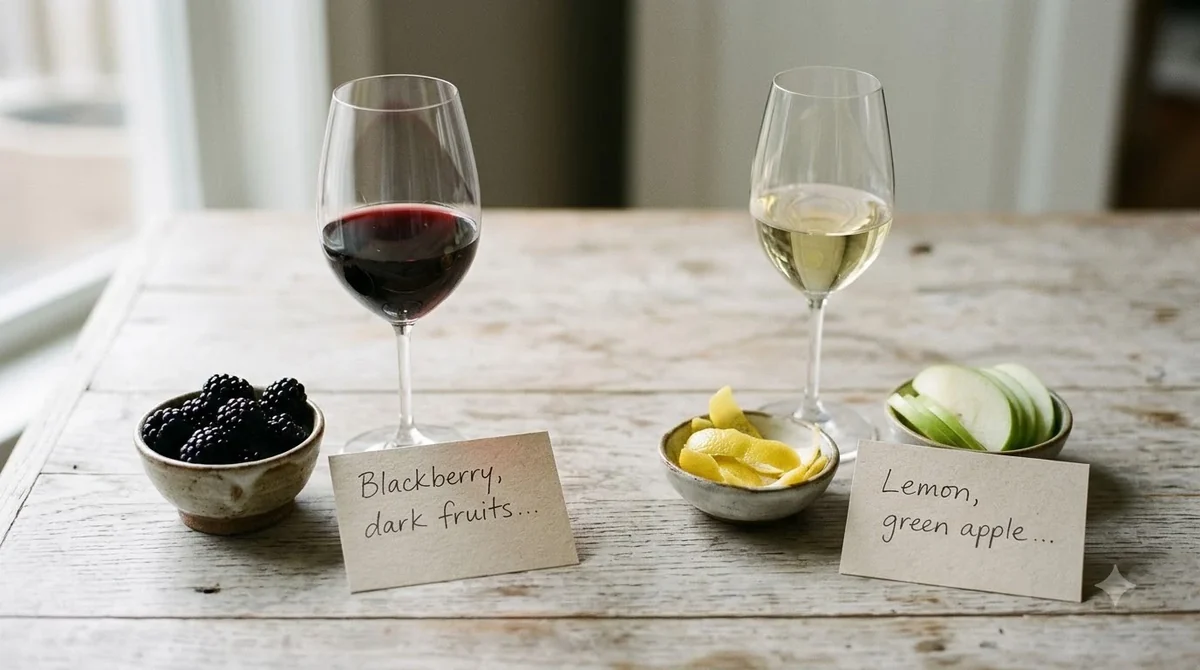
In a standard glass of wine, alcohol acts as a carrier that lifts volatile aromas out of the liquid and into your nose. When ethanol is removed, the bouquet often smells slightly quieter or more linear, showing primary fruit notes like tart cherry, lemon, or white peach rather than layered, evolving complexity. You also lose the subtle warming sensation at the back of the throat that signals a full-strength pour.
Texture is where most drinkers notice the biggest difference. Industry specialists at Decanter note that removing alcohol makes acidity taste sharper, tannins feel more pronounced, and the mid-palate seem thinner. To restore roundness and soften that sharp edge, many winemakers add a small splash of unfermented grape must or natural botanicals before bottling, giving quality bottles a balanced, food-friendly finish.
What Different Styles Taste Like
Not every style translates equally well once the alcohol is gone, with sparkling and aromatic white wines delivering the closest match to traditional bottles. Red wines face the steepest structural hurdle because tannins behave differently without ethanol to smooth them out.
| Wine Style | Primary Flavors | Body & Texture | How Closely It Matches Traditional Wine |
|---|---|---|---|
| Sparkling White & Rosé | Green apple, Meyer lemon, white peach, wild strawberry | Crisp, lively, creamy mousse from fine bubbles | Closest match; carbonation replaces lost weight |
| Aromatic Still Whites | Lime zest, gooseberry, honeysuckle, stone fruit | Light to medium-light, bright and zippy acidity | Very close; bold grape aromatics carry the palate |
| Still Rosé | Watermelon, tart red currant, pink grapefruit | Light-bodied, refreshing, clean dry or off-dry finish | Strong match when served well chilled |
| Light-Bodied Reds | Red cherry, raspberry, cranberry, subtle baking spice | Light, juicy, low to moderate grip | Good match; fruit-forward profile hides lighter weight |
| Full-Bodied Reds | Blackberry, plum, cocoa, toasted oak, black pepper | Medium-light with noticeable, slightly grippy tannins | Most different; lacks traditional warmth and mid-palate heft |
Sparkling wines lead the category because effervescence does much of the heavy lifting that alcohol normally performs. Tiny bubbles create physical texture on the tongue, lift aromatics toward the nose, and mask the absence of ethanol weight. A good dealcoholized sparkling brut or rosé delivers brisk orchard fruit, citrus zest, and a clean, dry snap that feels celebratory from the first sip.
Still white wines made from naturally expressive varieties also shine without alcohol. Grapes with high natural aromatic compounds—similar to what you find when exploring what Chenin Blanc tastes like—retain plenty of orchard fruit, floral lift, and racy acidity after dealcoholization. Riesling, Sauvignon Blanc, and Gewürztraminer keep their signature lime, herbal, and stone-fruit character intact.
Red wines require a different mindset. Because ethanol normally softens bitter phenolic compounds, dealcoholized Cabernet Sauvignon or Merlot can taste noticeably drier and slightly astringent on the finish unless balanced with ripe dark fruit or oak aging. Lighter, fruit-driven reds—much like the bright cherry profile you encounter when learning what Corvina tastes like—translate more smoothly than heavy, high-tannin styles.
0.0% vs. 0.5% ABV: Does That Tiny Fraction Matter?
A dealcoholized wine labeled at under 0.5% ABV generally tastes fuller and more authentic than a bottle stripped all the way down to 0.0%. Even a trace amount of residual ethanol helps bind aromatic compounds and bridge the gap between sharp fruit acids and the finish.
For context, 0.5% ABV puts a glass of dealcoholized wine on par with everyday fermented foods like ripe bananas, sourdough bread, or kombucha. Winemakers who stop extraction just below the 0.5% threshold preserve delicate esters that would otherwise disappear during the final pass through a distillation column.
Bottles certified at strict 0.0% undergo a more intensive extraction cycle to remove every last molecule of alcohol. While modern producers still craft enjoyable 0.0% sparklers and whites, these bottles tend to lean slightly more fruit-forward and rely a bit more heavily on added grape must or botanicals to fill out the mid-palate.
How to Serve Dealcoholized Wine for Better Flavor
Serving dealcoholized wine in proper stemware at the right temperature makes a dramatic difference in how expressive and balanced it tastes. Treating it like standard wine rather than a soft drink unlocks subtle aromas that disappear in a tumbler or over ice.
Temperature control is especially important because chill levels directly affect how you perceive sweetness and acidity. Serve sparkling and crisp white dealcoholized wines well chilled, straight from the refrigerator, so their bright citrus and stone-fruit notes stay crisp and focused. If they warm up too much, any residual grape must added for body can start to taste noticeably sweet.
Red dealcoholized wines benefit from a light cellar chill rather than warm room temperature. Serving an alcohol-removed Pinot Noir or Syrah slightly cool tightens up its structure, reins in any tartness, and keeps the red berry fruit lively. Pouring into a wide-bowled wine glass and giving it a gentle swirl also helps concentrate delicate aromas toward your nose.
Tip: Once opened, keep dealcoholized wine tightly stoppered in the refrigerator and finish it within two to three days—without alcohol acting as a natural preservative, flavors fade faster than in conventional bottles.
Food Pairings That Bring Out the Best in Every Glass
Dealcoholized wine shines at the dinner table when paired with dishes that play to its brisk acidity and fresh fruit profile. Because it lacks heavy alcohol heat, it actually handles spicy, salty, and acidic foods more gracefully than many high-ABV bottles.
Crisp dealcoholized whites and sparkling wines make natural partners for seafood, fresh goat cheese, herb-driven salads, and roasted poultry. Their lively acidity cuts right through rich creamy sauces and fried appetizers without weighing down your palate. Sparkling rosé also pairs effortlessly with salty charcuterie, sushi, and summer vegetable dishes.
For dealcoholized reds, lean toward tomato-based pasta dishes, grilled mushrooms, roasted root vegetables, and lean meats like pork tenderloin or herb-crusted chicken. Avoid ultra-rich, heavily marbled steaks that demand high alcohol and thick tannins to cut the fat; instead, match the wine’s lighter frame with savory, umami-rich plates. If you enjoy cozy, spiced flavors in cooler weather, warming a fruit-forward red with whole spices offers a comforting profile similar to what mulled wine tastes like, minus the alcohol.
How to Spot a Well-Made Bottle
Reading the back label carefully helps you avoid thin, overly sweet bottles and find dealcoholized wines crafted with real winemaking care. The best examples prioritize dry balance, recognizable grape varieties, and transparent production notes.
Start by checking the ingredient list and nutrition panel, which many non-alcoholic wines display clearly. Look for bottles with modest sugar levels—generally around 2 to 5 grams of sugar per serving for dry styles—rather than syrupy blends loaded with concentrated juice. Seeing specific wine grape varieties like Chardonnay, Pinot Noir, or Riesling listed on the front label is another good sign that the producer started with quality base wine rather than generic bulk juice.
Finally, match your expectations to the occasion rather than hunting for an identical twin to a cellar-aged Napa Cabernet. Across the broader spectrum of wine types, dealcoholized bottles occupy their own refreshing niche: crisp, aromatic, and genuinely wine-like when judged on balance and food friendliness.
Frequently Asked Questions
Does dealcoholized wine taste like grape juice?
No, quality dealcoholized wine tastes distinctly drier, more acidic, and more complex than grape juice. Because it undergoes full yeast fermentation before the alcohol is removed, it develops real wine aromas, tart acidity, and subtle savory notes rather than raw sugar sweetness.
Why do some dealcoholized wines taste sweeter than regular dry wine?
Removing alcohol strips away natural body and warmth, leaving acidity and tannins feeling sharper on the tongue. Many winemakers add a small amount of unfermented grape juice or must back into the wine to restore mid-palate roundness and smooth out that sharp edge.
Which style of dealcoholized wine tastes most like real wine?
Sparkling white and sparkling rosé wines come closest to their traditional counterparts. Carbonation creates natural texture, carries fruit and floral aromas to your nose, and compensates for the missing weight of alcohol far better than still red wines can.
Can you age dealcoholized wine in a cellar?
No, dealcoholized wine is meant to be enjoyed young and fresh within a year or two of bottling. Alcohol acts as a vital preservative during bottle aging, so alcohol-removed wines will lose their vibrant fruit and freshness rather than developing complex aged flavors.
Approach dealcoholized wine for what it does best—delivering bright varietal fruit, crisp acidity, and mealtime versatility without the alcohol. Starting with a well-chilled sparkling brut or aromatic white in a proper wine glass gives you the clearest, most rewarding taste of how far modern alcohol-removed winemaking has come.
More in Wine Types & Grapes
 What Does Mourvèdre Taste Like? Flavor Profile, Regions, and PairingsUpdated Nov 20, 2026
 What Does Marsanne Taste Like? Flavors, Styles, and Food PairingsUpdated Nov 20, 2026
 What Does Malvasia Taste Like? Styles, Flavors, and Food PairingsUpdated Nov 20, 2026
 What Does Grenache Blanc Taste Like? Flavor Profile, Styles, and PairingsUpdated Nov 20, 2026
 What Does Garnacha Taste Like? Key Flavors, Styles, and Pairing TipsUpdated Nov 20, 2026
 What Does Fruit Wine Taste Like? A Complete Flavor and Style BreakdownUpdated Nov 20, 2026