

We may earn a commission when you buy through links on this page, at no extra cost to you. Learn more.
What does amontillado taste like? Amontillado tastes dry, nutty, savory, and gently oxidative, with characteristic flavors of toasted hazelnuts, almonds, aromatic herbs, tobacco, and seasoned wood. This Spanish fortified wine combines the sharp, yeast-influenced character of Fino Sherry with the deeper, warmer flavors developed through exposure to oxygen. Its texture is generally smooth, its acidity is balanced, and its finish is long, dry, and distinctly nutty. Although it can smell rich and almost sweet, traditional Amontillado contains very little residual sugar.
Amontillado offers a distinctive alternative to familiar still wines. It has more intensity and alcohol than most everyday whites, but its combination of freshness, savory complexity, and restrained fruit makes it surprisingly versatile at the dinner table. Understanding its aromas, aging process, and relationship to other Sherry styles makes it easier to recognize what is happening in the glass and decide whether this traditional Spanish wine suits your preferences.
The Main Flavors and Aromas in Amontillado
Amontillado tastes primarily of nuts, herbs, and wood, with a dry, savory character that develops in layers. Hazelnut is one of its most recognizable aromas, supported by almond, toasted wood, dried herbs, and subtle tobacco notes.
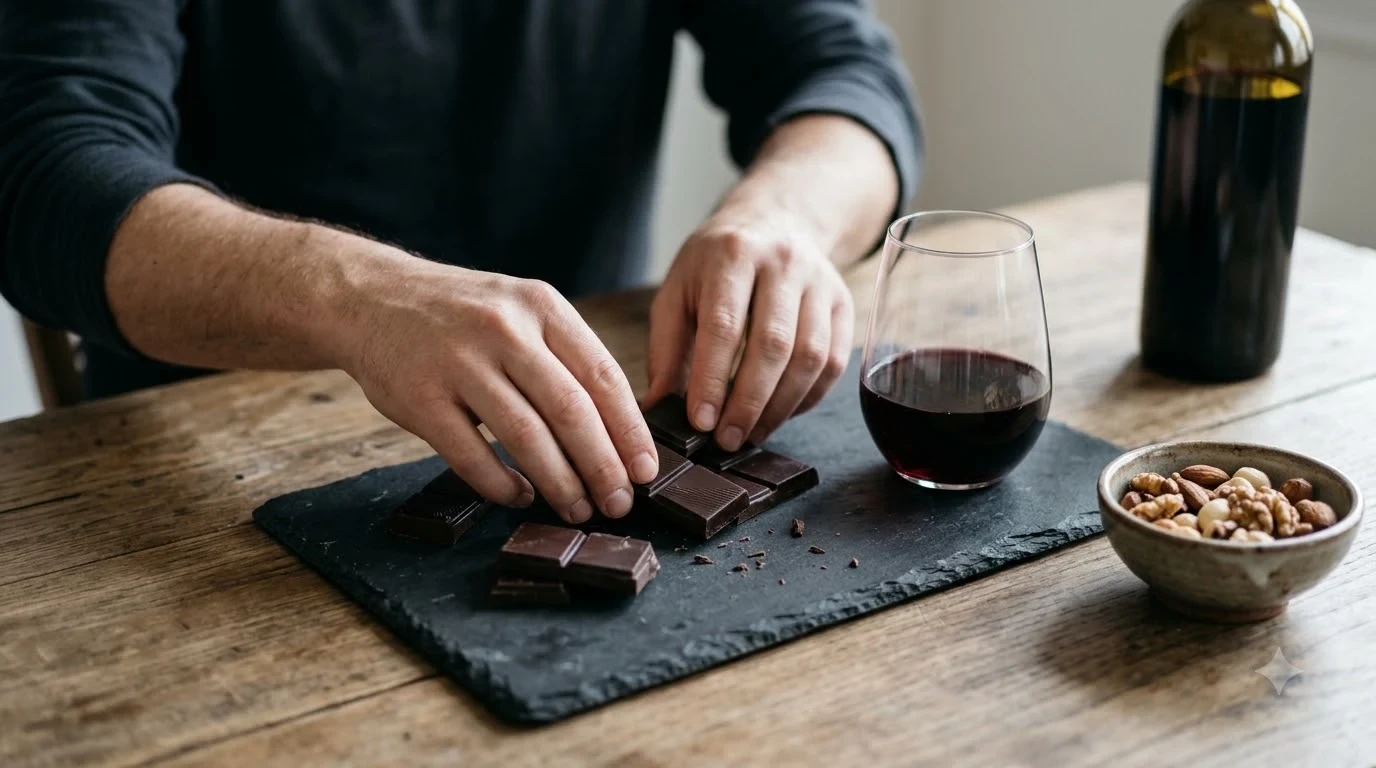
The first impression often comes from the nose rather than the fruit. Instead of the fresh citrus, peach, or tropical fruit associated with many white wines, Amontillado offers aromas that suggest a pantry of toasted nuts, dried botanicals, and aged wood. Depending on the bottle, there may also be hints of orange peel, dried apple, caramel, or baking spices. These secondary impressions can make the wine seem richer than its actual sugar content suggests.
Hazelnut is particularly characteristic. It may resemble roasted hazelnuts, almond skins, or the aroma of nuts lightly toasted in a dry pan. Some examples show a sharper, more savory quality, with impressions of yeast, sea air, and dried herbs. Others lean toward deeper notes of walnuts, cinnamon, clove, and wood.
The palate is usually smoother than the aroma initially suggests. Amontillado can have a slightly sharp entry, followed by a rounded middle with balanced acidity and a dry finish. The nutty and woody flavors remain after swallowing, creating a lingering impression that distinguishes it from lighter, fruit-driven white wines.
There is also an important difference between sweetness in aroma and sweetness on the palate. Toasted nuts, caramel-like scents, and dried fruit can suggest sweetness to the nose, but traditional Amontillado is a dry wine. According to the Jerez regulatory council, its sugar content is below 4 grams per liter and normally below 1 gram per liter.
Typical tasting characteristics include:
- Hazelnut: A roasted, slightly sweet-smelling nut aroma that remains savory on the palate.
- Almond: A delicate, sometimes bitter nut flavor that adds complexity.
- Herbs: Dried aromatic plants and subtle botanical notes.
- Tobacco: A dark, earthy impression rather than the flavor of fresh fruit.
- Wood: Seasoned oak, gentle toast, and sometimes a faint spice character.
- Dried fruit: Subtle impressions of dried apple, citrus peel, or prune in some older examples.
- Saline notes: A savory impression reminiscent of sea air, particularly in certain styles.
Not every bottle displays all these characteristics equally. A younger or more flor-influenced Amontillado may taste sharper and more delicate, while a more oxidatively developed example can show greater concentration, darker aromas, and pronounced wood and spice.
How the Two Aging Stages Create Its Distinctive Taste
Amontillado develops its characteristic flavor through two different stages of maturation: biological aging under flor and subsequent oxidative aging. This combination explains why it has both the freshness of a biologically aged Sherry and the nutty, concentrated character associated with exposure to oxygen.
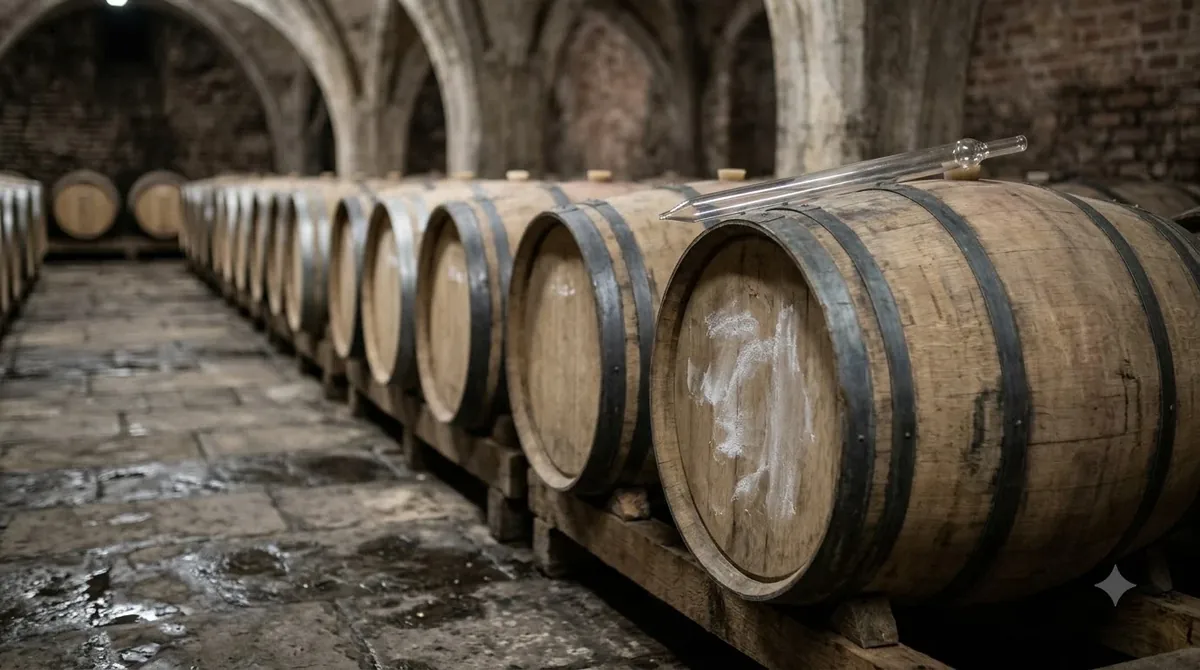
The process starts with Palomino grapes, which are fermented into a dry base wine. During the first aging stage, a layer of naturally occurring yeast called flor forms on the surface of the wine inside the cask. This living protective layer reduces direct contact between the wine and oxygen.
Flor also influences the wine’s developing aromas. It contributes distinctive sharp, savory, and yeast-related characteristics that distinguish biologically aged Sherry from wines aged primarily through oxidation. These impressions help explain why Amontillado can have a slightly pungent, fresh edge beneath its more mature nutty flavors.
Eventually, the flor disappears. The wine then enters a second stage in which oxygen can interact with it during continued barrel aging. This oxidative development gradually darkens the color and produces greater concentration, complexity, and more pronounced aromas of nuts, spices, and wood.
The length and balance of these two stages matter considerably. An Amontillado that spends more time under flor may retain a sharper, lighter, more yeast-influenced personality. One with a stronger oxidative influence generally shows deeper amber coloring, more developed nutty aromas, and a warmer, woodier character.
Traditional Amontillado is often matured using the solera system, a method of fractional blending in which wine is transferred between groups of barrels at different stages of aging. Older wine is gradually blended with younger wine, helping maintain the character of a particular producer’s style while adding complexity from previous generations of wine.
This aging method also explains why many Sherries do not display a conventional single-vintage identity. Rather than expressing only the conditions of one harvest, a solera-aged wine can contain components from several different years.
The result is a wine that combines freshness and maturity in the same glass. Its sharpness comes partly from its biological aging history, while its toasted, nutty depth develops through oxidative maturation.
Dryness, Alcohol, Body, and Texture
Amontillado is a dry fortified wine with noticeable alcohol, moderate weight, and a smooth but concentrated mouthfeel. Its richness comes primarily from maturation, alcohol, and aromatic complexity rather than substantial residual sugar.
The Jerez regulatory council gives Amontillado an alcoholic strength of 16% to 22% ABV. That is considerably higher than the alcohol content of many ordinary table wines, which commonly fall around 11% to 14% ABV. The alcohol contributes warmth, especially as the wine moves toward the back of the palate, and helps carry its concentrated aromas.
Its sweetness is another important point. Traditional Amontillado is dry, even when its aromas resemble toasted caramel, dried fruit, or sweet roasted nuts. These smells can create an impression of richness without making the actual wine sugary.
There can be differences between traditional dry Amontillado and sweeter commercial Sherry blends. Some products use sweetening or blending to create a softer, rounder style. If a wine is labeled Medium or Cream, it belongs to a different sweetness category rather than representing the classic dry Amontillado profile.
The following table summarizes the typical characteristics of traditional Amontillado using figures published by the Jerez regulatory council.
| Characteristic | Typical specification |
|---|---|
| Alcohol | 16–22% ABV |
| Residual sugar | Below 4 g/L |
| Typical residual sugar | Normally below 1 g/L |
| Total acidity | 4–6 g/L, expressed as tartaric acid |
| Volatile acidity | Below 0.8 g/L |
| Typical color | Pale topaz to amber |
| Recommended serving temperature | 54–57°F |
In terms of texture, Amontillado sits between delicate, lighter Sherry styles and fuller oxidative wines. It can feel silky and smooth, but it is not necessarily heavy or thick. Its acidity provides freshness, while its alcohol and concentrated flavors give it enough presence to accompany substantial food.
For comparison, a typical Fino is lighter and more sharply yeast-driven, whereas Oloroso generally has a fuller, richer oxidative character. Amontillado occupies an interesting position between these two styles, combining aspects of both.
According to the Jerez regulatory council’s Amontillado description, the wine’s acidity and smooth palate lead into a dry finish with persistent nutty and woody notes.
How Amontillado Compares With Other Sherry Styles
Amontillado is best understood by comparing it with Fino, Manzanilla, Oloroso, and Palo Cortado. Although these wines belong to the same broader Spanish Sherry tradition, their aging methods create noticeably different aromas, textures, and levels of richness.
Fino is a useful starting point because Amontillado begins with a similar biological aging stage. Fino remains protected beneath flor, preserving a pale color and producing fresh, sharp aromas associated with yeast, almonds, and sometimes salty coastal impressions. Amontillado retains some of that character but develops additional nutty and woody complexity after oxidative aging begins.
Manzanilla is another biologically aged Sherry, traditionally associated with Sanlúcar de Barrameda. It is generally light, dry, and fresh, with a distinctive saline quality. Amontillado can share some of those savory characteristics, but its second aging stage gives it a darker appearance and more developed aromas.
Oloroso differs because it undergoes oxidative aging throughout its maturation rather than beginning with the same extended biological aging process. It is generally fuller and richer, with deeper walnut, toasted, spice, and wood characteristics. Amontillado tends to be more delicate and often retains a sharper edge from its flor-aged beginning.
Palo Cortado offers another useful comparison. It combines certain aromatic qualities associated with Amontillado and the fuller structure associated with Oloroso. Its distinctive production history and style make it an interesting alternative for people who enjoy complex, dry fortified wines.
Here is a simplified comparison:
- Fino: Pale, dry, light, yeasty, almond-like, and fresh.
- Manzanilla: Pale, dry, delicate, and often distinctly saline.
- Amontillado: Dry, nutty, savory, smooth, and moderately concentrated.
- Oloroso: Dry, fuller-bodied, deeply oxidative, and often rich in walnut and wood notes.
- Palo Cortado: Dry, complex, and structured, combining aromatic finesse with greater weight.
These differences make it easier to choose a style based on personal taste. Someone who enjoys delicate, mineral-driven white wines may prefer Fino, while a drinker who likes toasted nuts, savory depth, and a long finish may find Amontillado more appealing.
For a broader understanding of wine styles, the Wine by Type resource provides a useful starting point. Exploring different grapes and production methods can also help explain why what does chenin blanc taste like produces a very different experience from a fortified wine aged in oak casks.
Best Food Pairings for Amontillado
Amontillado pairs particularly well with savory, salty, roasted, and earthy foods. Its dry finish, nutty aromas, and balanced acidity make it a strong partner for mushrooms, roast chicken, cured meats, seafood, and mature cheeses.
One of its most appealing qualities is its ability to accompany foods that can be challenging for ordinary white wines. Its concentrated flavors provide enough character for roasted ingredients and aged cheeses, while its acidity helps keep richer dishes from feeling too heavy.
Roast chicken and white meats
Roast chicken is a natural match because its browned skin and savory meat complement the toasted-nut and wood characteristics in Amontillado. The wine’s acidity also provides contrast to the richness of roasted poultry. Turkey, grilled chicken, and simply prepared pork can work well for similar reasons.
Mushrooms and earthy vegetables
Wild mushrooms are particularly compatible with Amontillado. Their earthy, umami-rich flavors complement the wine’s savory aromas without overwhelming its delicate herbal character. Mushroom risotto, sautéed porcini, roasted mushrooms, and mushroom-based soups are useful options.
Asparagus and artichokes are also notable pairings. These vegetables can be difficult matches for some wines because of their distinctive vegetal and bitter qualities. Amontillado’s dry, concentrated flavor profile gives it the character to work alongside them.
Seafood and fish
Tuna, smoked fish, sardines, and other flavorful seafood can pair particularly well with Amontillado. Its savory character complements grilled or smoked fish, while its acidity helps balance the richness of oily preparations.
For delicate white fish, a lighter preparation is generally preferable so that the wine’s alcohol and mature aromas do not dominate. Tuna, particularly when grilled or served with savory accompaniments, is a more natural match.
Cheese, nuts, and cured meats
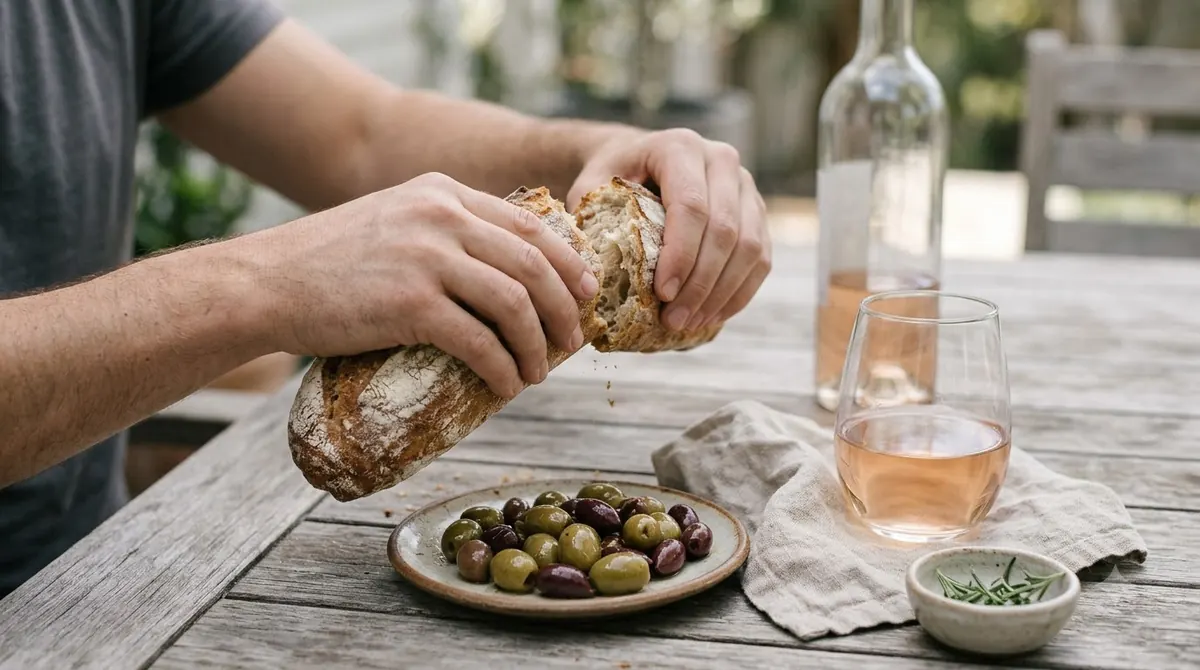
Semi-cured and aged cheeses work well because their saltiness and concentrated flavors complement the nutty character of the wine. Almonds, walnuts, olives, and cured meats can also make a simple tapas selection.
Hard cheeses provide a particularly satisfying contrast. Their savory intensity allows Amontillado’s long finish to become more apparent, while salty cured meats complement its dry, slightly pungent character.
For more unusual food combinations, consider pairing it with moderately spiced dishes. The wine can handle aromatic seasoning, although very hot chili preparations may exaggerate its alcohol warmth and should be approached carefully.
Tip: Start with roast chicken, sautéed mushrooms, or aged cheese when serving Amontillado for the first time. These foods highlight its nutty and savory flavors without overpowering its balanced acidity. Serve the wine slightly chilled rather than refrigerator-cold.
Amontillado is not limited to traditional Spanish tapas. It can also accompany mushroom-based pasta, roasted vegetables, grilled poultry, and richly flavored soups. The most successful pairings usually emphasize savory ingredients rather than strong sweetness.
Serving Temperature, Glassware, and Storage
Amontillado is best served slightly chilled, between 54°F and 57°F, in a white wine glass. This temperature preserves its aromatic detail while keeping its alcohol warmth from becoming too prominent.
Serving it too cold can suppress the delicate aromas of hazelnut, herbs, and seasoned wood. On the other hand, serving it too warm can make its alcohol feel stronger and reduce the sense of freshness. A short period outside the refrigerator can help bring an overly chilled bottle into the recommended range.
A standard white wine glass is a practical choice because it provides enough space to appreciate the aromas while remaining comfortable for a small pour. A traditional Sherry copita is another option, especially when serving the wine as part of a tapas selection.
A typical serving is approximately 3 to 5 ounces, depending on the occasion and the wine’s alcohol strength. Because Amontillado generally contains more alcohol than ordinary table wine, smaller pours are particularly suitable for tasting several different Sherry styles.
Storage is relatively straightforward. Unopened bottles should be kept away from direct sunlight and large temperature fluctuations. A cool, dark storage area is preferable, while bottles with natural cork closures are generally stored horizontally for longer-term storage.
Once opened, Amontillado is more resilient than delicate biologically aged styles such as Fino. The Jerez regulatory council explains that its composition allows opened bottles to remain suitable for drinking for months under appropriate storage conditions. Refrigeration and a well-sealed closure help preserve its aromatic qualities.
For the best aromatic expression, however, it is sensible to enjoy an opened bottle before its flavors noticeably diminish. Storage conditions, the age of the wine, the closure, and the amount of air remaining in the bottle can all influence how long it retains its original character.
Amontillado also works well as an aperitif. A small chilled glass before dinner can introduce its nutty, savory personality, while a serving alongside food highlights its ability to complement a wide range of flavors.
For additional wine comparisons, exploring what does corvina taste like can illustrate the contrast between a dry, fortified Spanish wine and a still red wine made from an Italian grape. These differences in grape variety, fermentation, and aging help explain why wines can have such distinct aromatic profiles.
Frequently Asked Questions
Does Amontillado contain sulfites?
Amontillado, like many other wines, generally contains sulfites, which can occur naturally during fermentation and may also be added during winemaking. Bottles sold in the United States generally carry a sulfite declaration when they contain at least 10 parts per million. The exact concentration varies between producers and individual bottlings.
What does the word Amontillado mean?
The name refers to Montilla, a historic wine-producing area in Andalucía, Spain. The term describes a particular style of aged wine rather than a grape variety. Amontillado-style wines are also associated with the Montilla-Moriles wine region.
What does VOS mean on an Amontillado bottle?
VOS stands for Vinum Optimum Signatum, commonly translated as Very Old Sherry. It identifies a certified category with an average wine age of at least 20 years. The designation concerns the age of the wine components rather than the number of years that a particular bottle has spent on a retail shelf.
What does VORS mean on an Amontillado bottle?
VORS stands for Vinum Optimum Rare Signatum, or Very Old Rare Sherry. The certification requires an average age of at least 30 years. These wines are generally particularly concentrated and complex, with developed aromas that can include dried citrus, bitter almond, spice, and aged wood.
Can Amontillado be used in cooking?
Yes. Its dry, nutty character makes it suitable for sauces, mushroom preparations, and dishes featuring roasted poultry. A small quantity can add complexity to a pan sauce or soup without introducing the pronounced sweetness associated with dessert Sherry. It is generally preferable to cook with a dry Amontillado rather than a sweet Cream or Pedro Ximénez style when the recipe calls for savory flavors.
Amontillado is an excellent choice for anyone interested in dry wines with complex aromas and a distinctive savory character. Its combination of toasted hazelnuts, aromatic herbs, balanced acidity, and lingering wood notes makes it different from most conventional white wines. Start with a slightly chilled glass alongside roast chicken, mushrooms, or aged cheese to appreciate the balance between its freshness and mature, nutty depth.
More in Wine Types & Grapes
 Zinfandel Sugar Content: Dry Red vs. White Zinfandel GramsUpdated Nov 21, 2026
 Best Zinfandel Substitute Options for Sipping and CookingUpdated Nov 21, 2026
 Zweigelt Food Pairing: Best Dishes, Cheeses, and Serving TipsUpdated Nov 21, 2026
 Zinfandel Tannins Explained: How Structure Shapes Every BottleUpdated Nov 21, 2026
 Zinfandel Sweetness Level: Dry Red vs. Sweet White Zin ExplainedUpdated Nov 21, 2026
 Xinomavro Food Pairing: Best Dishes, Styles, and Serving TipsUpdated Nov 21, 2026