


We may earn a commission when you buy through links on this page, at no extra cost to you. Learn more.
What dessert goes with red wine? Chocolate brownies, dark chocolate truffles, cherry desserts, berry tarts, and lightly sweetened nut cakes are excellent choices, depending on the wine’s sweetness, tannin, and fruit character. Merlot and Pinot Noir offer approachable options for many chocolate and fruit desserts, while Zinfandel can complement richer chocolate preparations. For particularly sweet desserts, choose a red dessert wine such as Ruby Port, Banyuls, or Brachetto rather than assuming a dry table wine will work.
Red wine at dessert time does not have to mean serving the same chocolate cake with every bottle. The best pairing considers how sweet the food is, how much tannin the wine contains, and whether the dessert emphasizes fruit, cocoa, cream, caramel, or toasted nuts. With a few practical guidelines, you can select a dessert that complements the wine instead of making it taste bitter or unexpectedly sour.
How to Match Dessert Sweetness With Red Wine
The most important starting point is sweetness: the wine should generally be at least as sweet as the dessert. A very sweet cake can make a dry red taste thin, sharp, and less fruity, even if the wine is excellent on its own.
This explains why a dry Cabernet Sauvignon may be enjoyable with a small piece of lightly sweetened dark chocolate but disappointing beside a thick slice of chocolate frosting cake. The cake contains considerably more sugar, while the wine has little or no residual sweetness to balance it. A Ruby Port or another sweet red is a more dependable choice for the richer dessert.
Also consider the weight of the food. A dense brownie, chocolate torte, or flourless chocolate cake needs a wine with enough body and flavor concentration to stand alongside it. A delicate strawberry tart or a small serving of fresh cherries calls for something lighter, with brighter fruit and less aggressive tannin.
Tannin is especially important. Cabernet Sauvignon typically has high tannin, Merlot has medium, softer tannin, Pinot Noir has low-to-medium tannin, and Syrah has medium-plus to high tannin. Salt and fat can soften the perception of tannin, which explains why a salted chocolate dessert or a buttery nut cake can sometimes make a structured red more approachable.
Acidity matters too. Fruit desserts containing raspberries, cherries, or citrus can taste especially bright. A wine with sufficient acidity can complement that freshness, while a wine with too little acidity may seem heavy. The general principle is to match the food’s intensity and avoid allowing either the wine or dessert to overwhelm the other.
Tip: Taste a small piece of dessert before taking a sip of wine. If the wine suddenly seems sour, bitter, or noticeably less fruity, the dessert is probably sweeter or more intense than the wine can comfortably handle.
Chocolate Desserts That Work With Red Wine
Chocolate is one of the most natural dessert categories to explore with red wine, particularly when the chocolate has moderate sweetness and the wine has ripe fruit. Dark chocolate brownies, chocolate truffles, and chocolate cakes with restrained frosting are useful starting points.
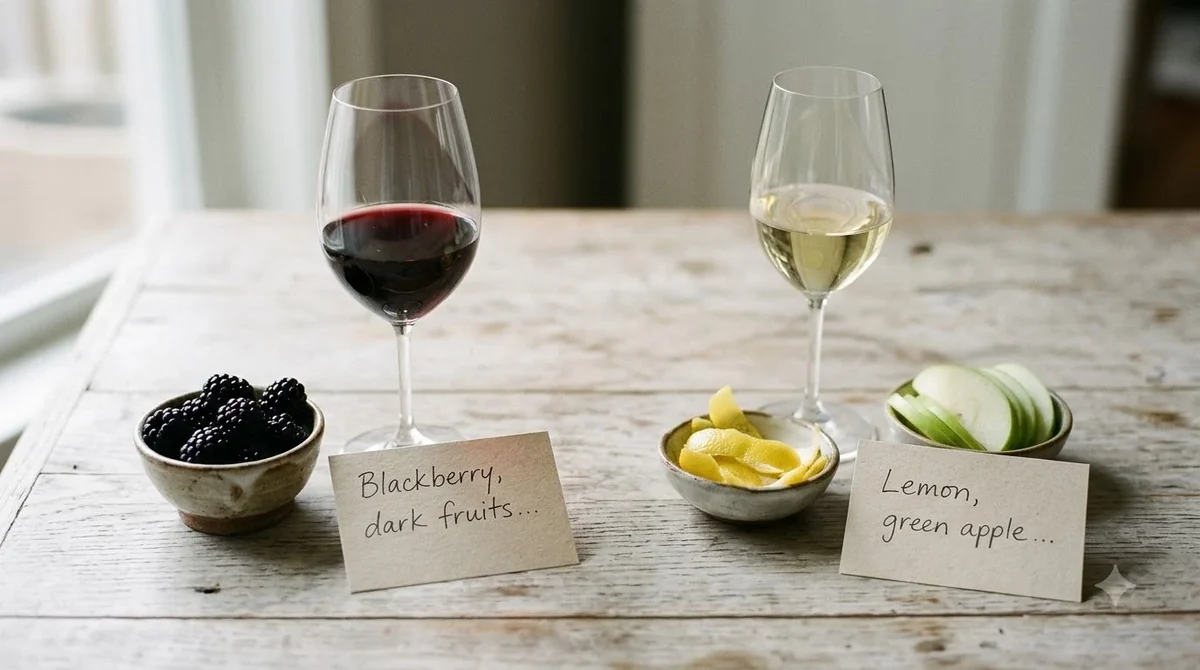
For dark chocolate, consider a fruit-forward Merlot, a ripe Zinfandel, or a red dessert wine such as Ruby Port. Merlot can provide plum and cherry flavors that complement cocoa, while Zinfandel often brings concentrated dark-fruit character and sweet spice. Ruby Port offers actual sweetness, making it particularly dependable with richer chocolate preparations.
The percentage of cacao helps indicate the chocolate’s intensity, although sugar content and the recipe matter just as much. Wine Enthusiast identifies chocolate in the 67% to 72% cacao range as a useful starting point for red wine pairings. Chocolate with a higher cacao percentage generally brings more pronounced bitterness, so a very tannic red may create an unpleasantly drying combination.
Chocolate brownies
Brownies are particularly flexible because their texture and ingredients can vary. A lightly sweetened brownie with dark chocolate chunks can work with Merlot or a ripe Zinfandel. A brownie with a thick layer of chocolate frosting is a different proposition and generally needs a sweeter red.
Walnuts, pecans, and salted butter introduce additional flavors that can help the pairing. A brownie with toasted walnuts may complement the earthy character of a structured red, while a brownie with caramel and sea salt can work with a fruit-forward wine that has enough richness to handle the added sweetness.
Chocolate truffles and chocolate mousse
Chocolate truffles are small, concentrated desserts, so a modest portion can work with a flavorful wine. Dark chocolate truffles pair naturally with Ruby Port or Banyuls, while less-sweet cocoa-dusted truffles may be enjoyable with a ripe Merlot.
Chocolate mousse is another promising choice because its texture is smooth and creamy. A dark chocolate mousse with limited added sugar can complement a fruit-driven red, whereas a sweeter mousse with whipped cream or chocolate sauce is better served with a sweet fortified wine. The cooler texture of a chilled mousse can also make the combination easier than a hot, intensely sweet chocolate dessert.
For more detailed chocolate pairing ideas, Decanter’s chocolate and wine pairing advice discusses how chocolate bitterness, fruit flavors, wine weight, and sweetness affect the result.
Berry and Cherry Desserts for Fruity Red Wines
Berry and cherry desserts are excellent companions for red wines with recognizable red-fruit aromas. Pinot Noir, Beaujolais, and lighter Merlot styles can complement fresh fruit without overwhelming delicate flavors.
Pinot Noir is particularly useful because its naturally high acidity and relatively restrained tannin allow it to work with fruit-based desserts. Consider a cherry tart, raspberry galette, strawberry shortcake, or a bowl of fresh berries served with a small amount of whipped cream. The wine’s red-cherry and raspberry character can echo the fruit on the plate.
Beaujolais, made primarily from Gamay, is another approachable option. Its fresh fruit character can suit strawberry desserts and berry pastries, especially when the recipe does not contain excessive sugar. Serve a lighter red slightly chilled to keep the fruit character fresh and the alcohol from seeming overly warm.
Cherry desserts offer additional flexibility. A cherry clafoutis, cherry almond tart, or dark cherry compote can work with a medium-bodied red that has ripe fruit. A dessert featuring both cherries and dark chocolate may need more intensity, making a ripe Merlot, Zinfandel, or sweet red wine a better option than a delicate Pinot Noir.
Fresh berries versus cooked fruit
Fresh raspberries and strawberries generally have less concentrated sweetness than berry preserves or fruit sauces. This difference affects the wine choice. Fresh berries can work with a dry, fruit-forward red when served without much added sugar, while a strawberry compote or raspberry jam topping is likely to require a sweeter wine.
Fruit pies also depend on their preparation. A cherry pie with a tart filling and relatively restrained sugar can suit a lively red, but a heavily sweetened filling with a thick pastry crust may overwhelm a dry wine. Consider the filling rather than relying only on the name of the dessert.
If the dessert includes lemon, orange, or another strongly acidic ingredient, choose a wine with enough acidity to keep the combination balanced. A very soft red can taste flat next to a sharp fruit filling.
For a broader comparison of fruit-based dessert pairings beyond red wine, see what dessert goes with white wine.
Cakes, Pies, and Baked Desserts to Serve With Red Wine
Baked desserts can work well with red wine when their sweetness, richness, and dominant flavors match the bottle. Chocolate cake, almond cake, spice cake, and fruit-filled pastries each call for a slightly different approach.
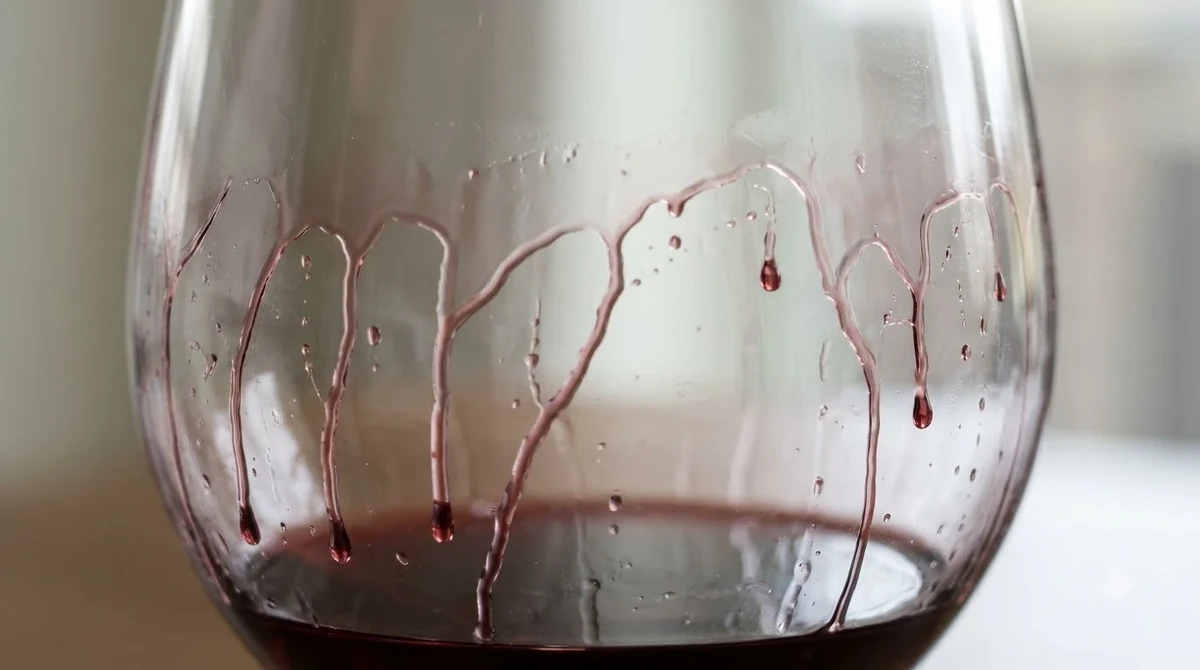
Chocolate cake is usually easiest with Ruby Port or Banyuls because both styles have the sweetness and concentration to stand alongside cocoa and frosting. A lighter chocolate sponge with fresh cherries may also work with a ripe Merlot. However, a dense cake with chocolate ganache and sugary buttercream is generally too sweet for an ordinary dry red.
Red velvet cake presents a different challenge. Its mild cocoa flavor, cream cheese frosting, and sweetness make it more suitable for a softer, fruit-forward wine than a heavily tannic Cabernet Sauvignon. A lightly sweet red or a modest pour of Ruby Port can be a more balanced choice.
Almond and hazelnut cakes
Nut-based desserts bring toasted, earthy flavors that can complement red wine. An almond cake with limited frosting may work with Pinot Noir or a softer Merlot. A hazelnut chocolate cake, especially one containing dark chocolate, can stand up to a richer wine such as Zinfandel.
Pay attention to toppings. A simple almond sponge is very different from an almond cake covered with caramel, chocolate ganache, and sweetened cream. The extra sugar changes the ideal pairing, often making a fortified red more appropriate.
Apple and pear desserts
Apple pie and pear tart are more challenging matches for dry red wine because their flavors are delicate and their fillings can be quite sweet. A lightly sweetened apple tart with cinnamon may work with a soft, fruity red, but a traditional sugary pie is usually better with a sweet wine.
If you want to retain a red-wine theme, consider a lightly chilled Brachetto or another sweet red with fresh fruit aromas. Its sweetness and fruit character can complement the pastry without making the wine taste harsh. A dry, tannic Syrah or Cabernet Sauvignon is less reliable with these delicate desserts.
Spice cake can be easier to match because cinnamon, cloves, and nutmeg have enough flavor intensity to complement a fuller red. A moderately sweet spice cake with limited icing can work with Merlot or Zinfandel, especially when the wine has ripe fruit and a gentle spice character of its own.
Caramel, Nuts, and Creamy Desserts
Caramel, nuts, and cream can make dessert pairings more interesting because they introduce richness, toasted flavors, and different textures. The best red wine depends on how much sugar the recipe contains and whether the dessert is dominated by butter, cream, or chocolate.
Salted caramel brownies are one possible match for a fruit-forward red. Salt can soften the perception of tannin, while the brownie supplies enough cocoa and richness to stand alongside the wine. A ripe Zinfandel or Merlot can work if the dessert is not excessively sweet. A sweeter version calls for Ruby Port instead.
Pecan pie is another rich dessert, although traditional recipes often contain substantial sugar. A dry Cabernet Sauvignon may taste austere beside its sweet filling. Tawny Port or Madeira is generally a more dependable option because its sweetness and nutty character complement caramelized sugar and toasted pecans.
Cheesecake and cream-based desserts
Plain cheesecake is creamy and moderately rich, but its sweetness varies considerably between recipes. A lightly sweetened cheesecake topped with raspberries can work with a fruit-driven Pinot Noir or Beaujolais. A cheesecake covered with caramel, chocolate, or sweet fruit preserves generally needs a sweeter wine.
Chocolate cheesecake is denser and more intense. Ruby Port, Banyuls, and other sweet red styles are better candidates than dry, highly tannic wines. Their fruit concentration and sweetness help balance the cocoa and cream cheese.
Crème brûlée is another dessert where sweetness and texture matter. Its caramelized sugar surface and rich custard are usually better suited to sweet white or fortified wines than conventional dry reds. If red wine is essential to the menu, a small serving of sweet fortified wine is more dependable than a powerful Cabernet Sauvignon.
Cheese-based desserts also provide an opportunity to explore different wine styles. For savory cheese courses and sparkling wine, see what cheese goes with champagne and what cheese goes with white wine.
Best Red Wine Styles for Different Desserts
The grape variety provides a useful starting point, but the finished wine matters more than the name on the bottle. A ripe, fruit-forward Merlot can behave differently from an austere, heavily tannic Merlot, just as a cool-climate Pinot Noir can differ from a riper example.
Use the following comparisons to narrow your choice. The serving temperatures are practical targets for the wine styles, rather than rules that override the dessert’s sweetness.
| Dessert | Red wine choice | Why the pairing works | Serving temperature |
|---|---|---|---|
| Dark chocolate brownies | Ruby Port | Sweetness and concentrated fruit complement cocoa | 60-64 F |
| Lightly sweetened chocolate cake | Merlot | Plum fruit and softer tannins complement chocolate | 60-65 F |
| Cherry tart | Pinot Noir | Red-fruit character and acidity complement cherries | 55-60 F |
| Berry galette | Beaujolais | Fresh fruit character complements berries | 55-60 F |
| Dark chocolate truffles | Banyuls | Fortified sweetness complements rich cocoa | 55-60 F |
| Chocolate hazelnut cake | Zinfandel | Ripe fruit and spice suit toasted nuts and cocoa | 60-65 F |
| Salted caramel brownie | Fruit-forward Merlot | Soft tannins and ripe fruit work with salt and caramel | 60-65 F |
| Sweet chocolate cheesecake | Ruby Port | Sweetness and body match the rich filling | 60-64 F |
These recommendations are starting points. A very sweet brownie may require a sweeter wine than the table suggests, while a less-sweet chocolate dessert may work with a dry red. Likewise, the sweetness and acidity of the fruit filling can change the result.
Understanding the main red wine choices
Merlot: A useful all-around option for chocolate, almond cake, and some caramel desserts. Its medium, softer tannins and plum-like fruit make it more approachable than a heavily structured red when sweetness is moderate.
Pinot Noir: A strong choice for cherries, strawberries, raspberries, and lightly sweetened milk chocolate. Its relatively low-to-medium tannin and high acidity help preserve the freshness of fruit-based desserts.
Zinfandel: Particularly useful with rich chocolate and nut-based desserts. Ripe fruit, fuller body, and sweet spice can complement dense flavors, although a very sugary dessert may still require a genuinely sweet wine.
Cabernet Sauvignon: Its high tannin and substantial structure make it less versatile for sweet desserts. It is better suited to a small portion of moderately sweet dark chocolate or a less-sweet chocolate preparation than to sugary frosting or caramel-heavy cake.
Syrah: Its medium-plus to high tannin and dark-fruit character can work with intense, relatively unsweetened chocolate. Avoid pairing a highly tannic example with a very sweet dessert, where the wine may taste harder and more bitter.
Sweet red wines: Ruby Port, Banyuls, and Brachetto are useful when the dessert contains substantial sugar. They provide a more dependable sweetness match than most dry red table wines.
Serving Red Wine With Dessert Successfully
Serving temperature, portion size, and the order of tasting can improve an otherwise promising pairing. A wine served too warm may seem alcoholic and heavy, while an overly cold red can lose some of its aromas and fruit character.
For light reds such as Pinot Noir and Beaujolais, aim for approximately 55-60 F. Fuller-bodied reds such as Cabernet Sauvignon, Syrah, and richer Zinfandel generally work around 60-65 F. These ranges allow the wines to show their aromas without emphasizing alcohol warmth.
Sweet fortified reds also benefit from thoughtful serving. Ruby Port is often enjoyable around 60-64 F, while Tawny Port can be served slightly cooler, around 55-60 F. Smaller pours are sensible because fortified wines tend to be concentrated and higher in alcohol than ordinary table wine.
Pour size and tasting order
A standard wine pour is 5 ounces, and a 750 ml bottle provides approximately five standard glasses. For a dessert tasting with several wines, smaller portions of 2-3 ounces allow guests to compare different styles without making the course feel too heavy.
When serving several desserts, start with lighter preparations and progress toward more intense ones. Fresh berries can come before a chocolate tart, followed by a dense brownie or a dark chocolate truffle. This progression helps preserve the distinction between delicate fruit flavors and richer cocoa notes.
Serve the wine alongside the dessert rather than waiting until the food has been finished. Take a small bite, then a sip, and notice whether the wine retains its fruit, acidity, and balance. If the wine tastes noticeably less sweet than before, the dessert may be too sugary for that particular bottle.
Decanting and storing leftover wine
Young, full-bodied red wines can benefit from 30-60 minutes of decanting before serving. This is particularly useful for a structured Cabernet Sauvignon or Syrah that will accompany a less-sweet dark chocolate dessert. Lighter Pinot Noir and Beaujolais generally do not need the same treatment.
Store unopened wine bottles on their sides in a cool, stable location near 55 F when they have natural cork closures. After opening, refrigerate still wine and aim to finish it within approximately 3-5 days. Sparkling wine generally lasts 1-3 days under refrigeration, while fortified wines can remain enjoyable for several weeks, depending on style and storage.
For more practical explanations about wine selection, serving, and food matching, explore Wine Q&A.
Frequently Asked Questions
Can you serve red wine with ice cream?
Yes, but ice cream can be difficult because its cold temperature suppresses aromas and its sugar can make dry wine taste sharp. A sweet red such as Brachetto or a small pour of Ruby Port is a better starting point than Cabernet Sauvignon. Chocolate ice cream is generally easier to match than delicate vanilla ice cream because its flavor can stand alongside a richer wine.
Does red wine pair with tiramisu?
Tiramisu contains espresso, cocoa, mascarpone, and often a sweetened cream mixture, so its flavor is more complex than ordinary sponge cake. A Tawny Port or a sweet fortified wine can complement its coffee and cocoa notes. Dry red wine is less predictable because espresso bitterness can emphasize tannin.
Can you pair red wine with lemon tart?
Lemon tart is usually a difficult match for dry red wine because its citrus acidity and sweet filling can overwhelm the wine’s fruit. A sweet, high-acid Riesling or another sweet white is usually a better choice. If the menu requires a red, consider a sweet red with fresh fruit character rather than a tannic Cabernet Sauvignon.
Is Port considered a red wine?
Most traditional Ruby and Tawny Ports are red wines made in Portugal’s Douro Valley and fortified during production with grape spirit. Ruby Port generally preserves a fresher, deeper red-fruit character, while Tawny Port develops more oxidative notes such as nuts, dried fruit, and caramel. Both can accompany desserts, but they suit different flavor profiles.
Which red wine goes best with a dessert cheese plate?
A dessert cheese plate containing aged hard cheese, dried fruit, and nuts can work with Tawny Port or a structured red, depending on the cheese and accompaniments. Blue cheese is particularly well known for its affinity with sweet Port because the wine’s sweetness contrasts with the cheese’s salty intensity. Fresh, mild cheeses generally call for lighter wines and less concentrated accompaniments.
The best dessert for red wine depends on the wine’s sweetness, tannin, acidity, and body as much as the dessert’s ingredients. Start with Merlot or Pinot Noir for fruit-based treats, choose Zinfandel for richer chocolate preparations, and turn to Ruby Port or Banyuls when the dessert is particularly sweet. Matching these characteristics makes it easier to finish a meal with a pairing in which both the wine and dessert remain enjoyable.
More in Wine Basics
 Which Rose Is Best for Your Taste, Budget, and Food PairingsUpdated Nov 21, 2026
 Is Cheap Wine Bad? How to Find Bottles Worth DrinkingUpdated Nov 21, 2026
 What To Write On A Wine Gift Tag: Thoughtful Messages For Every OccasionUpdated Nov 21, 2026
 Which Wine Is Best For Weight Loss? Compare Lower-Calorie ChoicesUpdated Nov 21, 2026
 What Is The Best Wine For Mimosas? Choose Bubbly That Balances Orange JuiceUpdated Nov 20, 2026
 Which Prosecco Is Best for Your Taste and OccasionUpdated Nov 20, 2026