

We may earn a commission when you buy through links on this page, at no extra cost to you. Learn more.
What are tannins in wine? Tannins are plant compounds called polyphenols that create the dry, puckering feeling in red wine and help decide how well a bottle will age. They come mainly from grape skins, pulp and stems, and from the oak barrels some wines are aged in. Tannins are felt more than tasted, so many people notice them as texture rather than flavor.
If you have ever sipped a young red and felt your mouth go dry, you have met tannins. The word sounds like a technical term, but the idea is simple once you know what the sensation is and where it comes from. This guide explains what tannins are, how they reach the glass, how they change with age, and how they affect food pairing.
What tannins are
Tannins are a group of compounds called polyphenols, which are found in many plants. Tea and dark chocolate contain them too, which is why both can leave a dry, bitter finish. In wine, tannins influence three things: how the wine feels in the mouth, how its color develops, and how long it can keep. The sensation people call tannic is the result of these compounds reacting with proteins in saliva.
Tannins are not a flavor in the same way that fruit or spice is. They add structure and grip, and a wine with a lot of tannin can feel firm, chewy or drying. A wine with little tannin feels softer and lighter in the mouth. Because tannin is a structural element rather than a flavor, tasters often describe it in terms of texture: how much grip a wine has, how long the drying feeling lasts after a sip, and whether it feels coarse or fine. Those descriptions help you compare two wines even when their fruit flavors are very different.
Where tannins come from in wine
Grapes are the main source. Most of a grape’s tannin is found in the skins, pulp and stems rather than in the juice. The longer the juice stays in contact with the skins during fermentation, the more tannin it extracts. That is why red wine tends to have more tannin than white. Red wines are usually fermented with their skins, while white wines are typically pressed off their skins early. A Chowhound explainer on wine tannins makes the same point about grape skins and stems.
Oak is the second source. When wine is aged in barrels, the wood expands and contracts with temperature changes and releases tannins into the liquid. Some winemakers also add tannin powder or oak chips to speed up this process. The result is a different kind of tannin from the grape kind, and it shapes how the wine tastes as well as how it feels.
How tannins feel in the mouth
The dry sensation of tannins is called astringency. It is the feeling of your mouth tightening as the compounds bind with the proteins that keep saliva slippery. Astringency is not the same as acidity, although the two can seem alike. A wine with high acidity can make tannins taste sharper, while a little sugar can make them seem softer.
The source of the tannin also changes the feel. Tannin from grapes tends to tingle the lips and gums, while oak tannin is usually felt more on the tongue and soft palate. Describers use words such as velvety, silky, chewy or harsh to capture the difference. Young tannins can taste harsh or brash, while well-balanced tannins add to a wine that feels full and round.
| Tannin source | Where it comes from | How it usually feels |
|---|---|---|
| Grape tannin | Skins, pulp and stems, extracted during fermentation | Tingling on lips and gums, can feel drying |
| Oak tannin | Barrel wood released as it expands and contracts | Felt on the tongue and soft palate, can add spice notes |
| Added tannin | Tannin powder or oak chips used in some winemaking | Varies with how it is used, often tuned for structure |
Winemakers balance all three sources to shape a wine’s structure. The same grape can produce a soft, easy red or a firm, grippy one, depending on how long the skins stay in contact with the juice and how the wine is aged.
How aging changes tannins
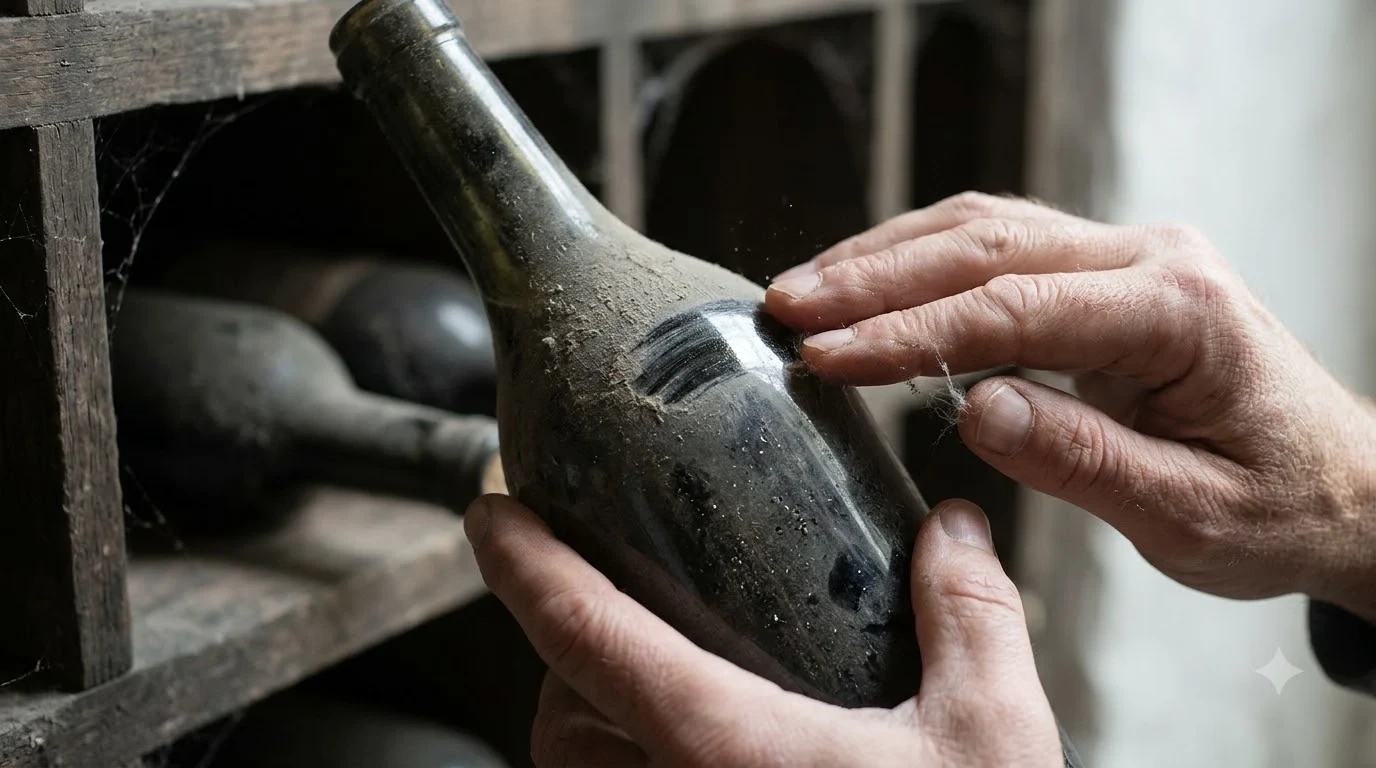
Tannins change as wine ages, in the barrel and in the bottle. Over time the individual tannin molecules link together into longer chains. As those chains grow, the bitterness softens and the wine feels smoother and rounder. This is why a young, tannic red can taste rough one year and much more polished a decade later.
Tannins also act as a natural preservative, which helps explain why some reds can be cellared for many years. Aging does not last forever, though, and most wines are best within a window of time. If you want to know how long a bottle can keep, our guide on whether wine can go bad covers the signs to watch for.

Tannins and food pairing
Tannins interact with food, and that interaction is one of the most useful things to know about them. Proteins and fats in meat bind with tannins, which softens the wine’s grip and lets the fruit come forward. The classic example is a bold red served with a fatty steak. Many guides describe this as a way for the wine to cleanse the palate and make the meal feel richer.
The reverse is also true. A tannic red can taste harsh with lighter dishes, especially those with little fat or protein. Salty and fatty foods, such as cheese, roast meats and rich stews, tend to pair well with firm wines. Delicate fish or salads often work better with lighter, low-tannin styles.
Which wines tend to be most tannic
Red wines usually carry the most tannin, because of the skin contact during fermentation. Grape varieties with thick skins or high natural tannin levels tend to produce firmer wines, and oak aging can add further structure. White wines generally have far less tannin, since they are pressed early. Rosé falls between the two, depending on how long the juice was in contact with the skins.
Tannin is only one part of a wine’s balance. Fruit, acidity and alcohol all shape how the wine feels, so a wine with firm tannin can still taste smooth if the fruit and acidity are in proportion. When you are learning, try two reds from the same grape, one young and one a few years older, to notice the difference.
Frequently Asked Questions
Are tannins bad for you?
Tannins are a natural part of many plant foods and drinks, including tea and dark chocolate. They are mainly a matter of taste and texture in wine rather than a question of safety, and most people simply enjoy the structure they bring.
Why does red wine make my mouth feel dry?
Tannins bind with the proteins in saliva, which creates the astringent, drying feeling. Young red wines often feel drier because their tannins have not yet softened through aging.
Do white wines have tannins?
White wines have much less tannin because they are typically pressed off the skins early. Some white wines aged in oak can pick up a small amount from the barrels, but the levels are generally low.
Does a tannic wine need to be aged?
Not always. Some tannic reds are made to be enjoyed young, while others soften with time. Aging tends to smooth out harsh tannins, so a firm wine is often a better candidate for the cellar than a soft, fruit-forward one.
Tannins are one of the main reasons red wine feels different from white, and learning to notice them makes it easier to choose a bottle you enjoy. For more basics on how wine is made and served, visit the wine Q&A section.
More in Wine Basics
 Which Rose Is Best for Your Taste, Budget, and Food PairingsUpdated Nov 21, 2026
 Is Cheap Wine Bad? How to Find Bottles Worth DrinkingUpdated Nov 21, 2026
 What To Write On A Wine Gift Tag: Thoughtful Messages For Every OccasionUpdated Nov 21, 2026
 Which Wine Is Best For Weight Loss? Compare Lower-Calorie ChoicesUpdated Nov 21, 2026
 What Is The Best Wine For Mimosas? Choose Bubbly That Balances Orange JuiceUpdated Nov 20, 2026
 Which Prosecco Is Best for Your Taste and OccasionUpdated Nov 20, 2026