

We may earn a commission when you buy through links on this page, at no extra cost to you. Learn more.
Waterford crystal wine glasses are worth considering for wine drinkers who value distinctive craftsmanship, brilliant clarity, and elegant designs for entertaining. The collection includes traditional Lismore patterns, contemporary Elegance shapes, practical Marquis sets, and handcrafted Mastercraft options. Their main advantages are visual appeal, a broad selection of wine-specific capacities, and an increasingly durable lead-free crystal formula. However, delicate rims, careful cleaning requirements, and differences between collections make choosing the right set important.
Waterford has a recognizable place in fine glassware, particularly for shoppers who want wine glasses that serve as both functional stemware and attractive table pieces. Its range covers everything from traditional cut-crystal goblets to varietal-specific glasses for Cabernet Sauvignon, Sauvignon Blanc, Chardonnay, and Pinot Noir. This review examines the important collections, construction, practical strengths, customer feedback, and ownership considerations so you can decide which glasses deserve a place in your cabinet.
Specs and Key Features
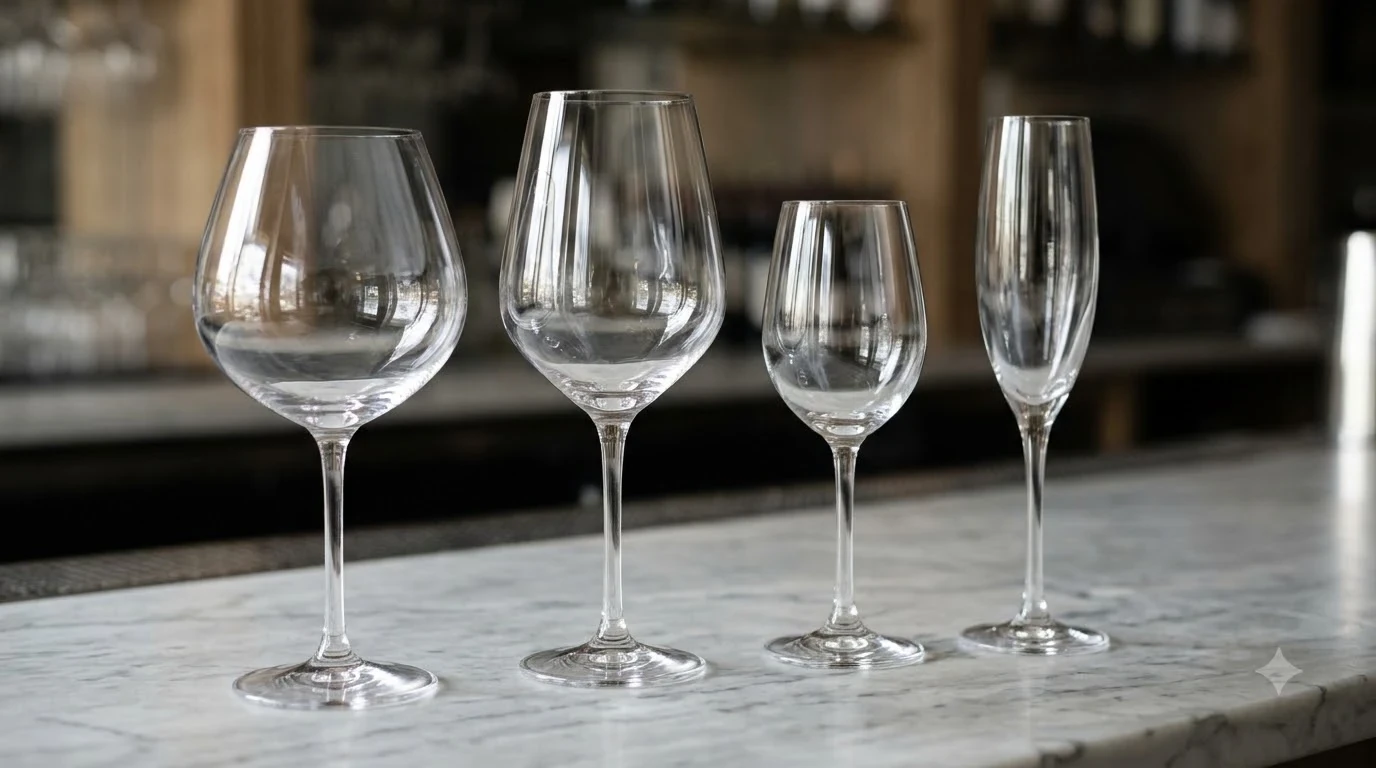
Waterford offers several distinct approaches to wine glass design, ranging from elaborate decorative patterns to simpler bowls intended for particular wine styles. The most useful starting point is comparing their capacities, collection names, and intended formats rather than assuming every Waterford glass has the same shape or feel.
| Collection and glass | Capacity | Set format | Design or intended use |
|---|---|---|---|
| Lismore Essence Goblet | 22 oz | 2 glasses | Large traditional-style goblet |
| Lismore Essence White Wine | 11.5 oz | 2 glasses | White wine service |
| Lismore Essence Balloon Wine | 17 oz | 2 glasses | Generous balloon bowl |
| Elegance Cabernet Sauvignon | 25 oz | 2 glasses | Full-bodied red wine |
| Elegance Sauvignon Blanc | 13.5 oz | 2 glasses | Fresh aromatic white wine |
| Elegance Merlot | 22 oz | 2 glasses | Medium-bodied red wine |
| Elegance Bordeaux | 21 oz | 2 glasses | Bordeaux-style red wine |
| Marquis Markham Goblet | 13.5 oz | 4 glasses | Traditional everyday goblet |
| Marquis Markham Wine | 10.5 oz | 4 glasses | Compact general-purpose wine glass |
| Mastercraft Irish Lace Red Wine | 19 oz | 2 glasses | Handcrafted Irish crystal |
These capacities are particularly helpful when comparing glass shapes. A 25-ounce Cabernet Sauvignon glass offers considerable room above a normal serving, allowing wine to move around the bowl and release aromas. By contrast, an 11.5-ounce white wine glass provides a more compact format for wines generally served at cooler temperatures. Capacity describes the full vessel rather than the recommended amount to pour. A standard 5-ounce wine serving occupies only part of either glass.
One important distinction is the difference between Waterford’s traditional crystal styling and its contemporary designs. Lismore emphasizes recognizable decorative cuts, while Elegance focuses on wine-specific silhouettes. Marquis Markham provides a more accessible-looking approach to traditional glassware, with sets of four that can be practical for households that entertain several guests. Mastercraft Irish Lace occupies a more specialized position, with the manufacturer identifying its red wine glasses as handcrafted in Ireland.
Material composition is another significant consideration. Waterford explains that its newer crystal formula replaces lead oxides with barium oxide and that all its crystal has been produced lead-free since the end of 2025. The company also describes the newer material as twice as strong as its previous formula. These manufacturer claims distinguish current production from older Waterford pieces that collectors may already own.
Tip: Compare the collection name, exact glass capacity, and number of pieces before ordering replacement glasses. A Lismore Essence white wine glass and a Lismore Essence goblet may share a decorative family resemblance, but their shapes and capacities serve different purposes.
For a wider comparison of materials and construction, our guide to crystal wine glasses explains the differences between traditional crystal and other glassware options.
What Owners Like
The strongest appeal of Waterford wine glasses is their combination of decorative detail and recognizable glassware design. Customers looking for something more distinctive than plain restaurant-style stemware often appreciate the cut patterns, clarity, and range of shapes, while the different collections make it possible to select a look that suits a particular dining room or entertaining style.
Distinctive appearance and presentation
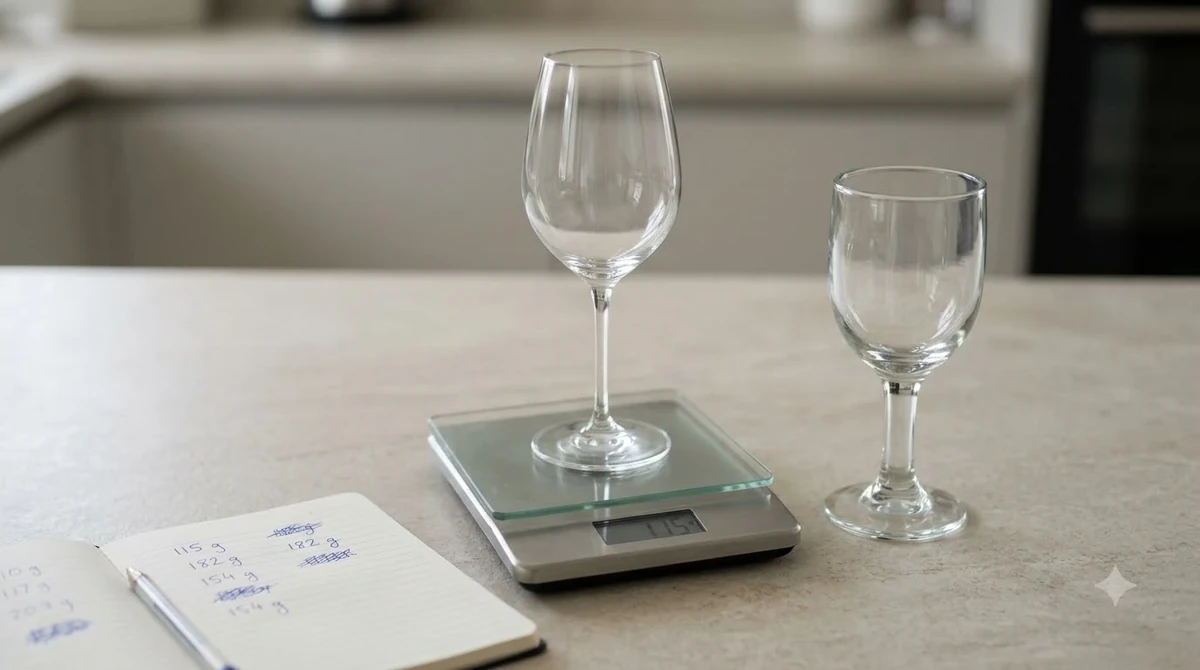
Lismore is particularly recognizable because of its traditional cut-crystal appearance. Its decorative surfaces catch light from different angles, creating a more elaborate presentation than an undecorated glass. The Lismore family also includes Lismore Diamond and Lismore Essence, giving shoppers alternatives within a related design language.
This distinction matters for formal dining. A set of matching Lismore glasses can complement crystal decanters, polished flatware, and traditional table settings. The visual texture also makes the glasses noticeable when displayed in a glass-front cabinet. For people who enjoy collecting coordinated tableware, having several pieces from the same design family can be more appealing than buying unrelated glassware.
Varietal-specific choices
Another positive feature is the availability of glasses designed around particular wine styles. The Elegance range includes separate Cabernet Sauvignon, Merlot, Bordeaux, Sauvignon Blanc, Chardonnay, and Pinot Noir glasses. This provides more choice than a collection consisting exclusively of generic wine goblets.
For example, the 25-ounce Cabernet Sauvignon glass provides a spacious bowl for a full-bodied red, while the 13.5-ounce Sauvignon Blanc glass offers a smaller alternative for aromatic whites. Wine drinkers who regularly serve several styles can build a coordinated selection instead of using the same vessel for every bottle.
Glass shape is not a substitute for wine quality, but it can influence how aromas reach the nose and how wine feels when sipped. A broad red wine bowl gives the drinker room to swirl, while a smaller white wine bowl can help maintain a more compact serving environment. These differences make a varietal-specific collection appealing to people who pay attention to serving details.
Options for different household sizes
Waterford’s range includes pairs and larger sets, which is useful because the right quantity depends on how frequently a household entertains. The Lismore Essence white wine glasses are listed in pairs, while Marquis Markham wine glasses are offered in sets of four. The Marquis Markham goblet also comes in a four-piece format.
That flexibility can make a difference when buying a first set. Two glasses may be sufficient for a couple who primarily enjoys wine together, while four or six matching glasses make more sense for regular dinner parties. A coordinated collection can also be expanded with complementary glassware over time, provided the exact design and size remain available.
Positive customer impressions
Customer feedback on Marquis by Waterford stemless glasses at Bloomingdale’s includes favorable comments about appearance, size, shape, and the feel of the glass. One reviewer described the glasses as attractive and appreciated their suitability for different types of wine. Other comments emphasize the decorative quality and presentation.
These opinions provide useful indications of what buyers appreciate, although they should not be treated as controlled durability testing. The reviews concern a particular Marquis stemless product rather than every Waterford collection. Someone considering traditional Lismore stemware or a Mastercraft glass should evaluate that specific product rather than assuming the same experience across the entire brand.
Common Complaints
Waterford’s principal disadvantages are the care required by fine crystal, the possibility of individual manufacturing or quality-control inconsistencies, and the differences in construction between its collections. A decorative glass can look impressive while still being less suitable for a busy household than simpler everyday stemware.
Fragile rims and delicate handling
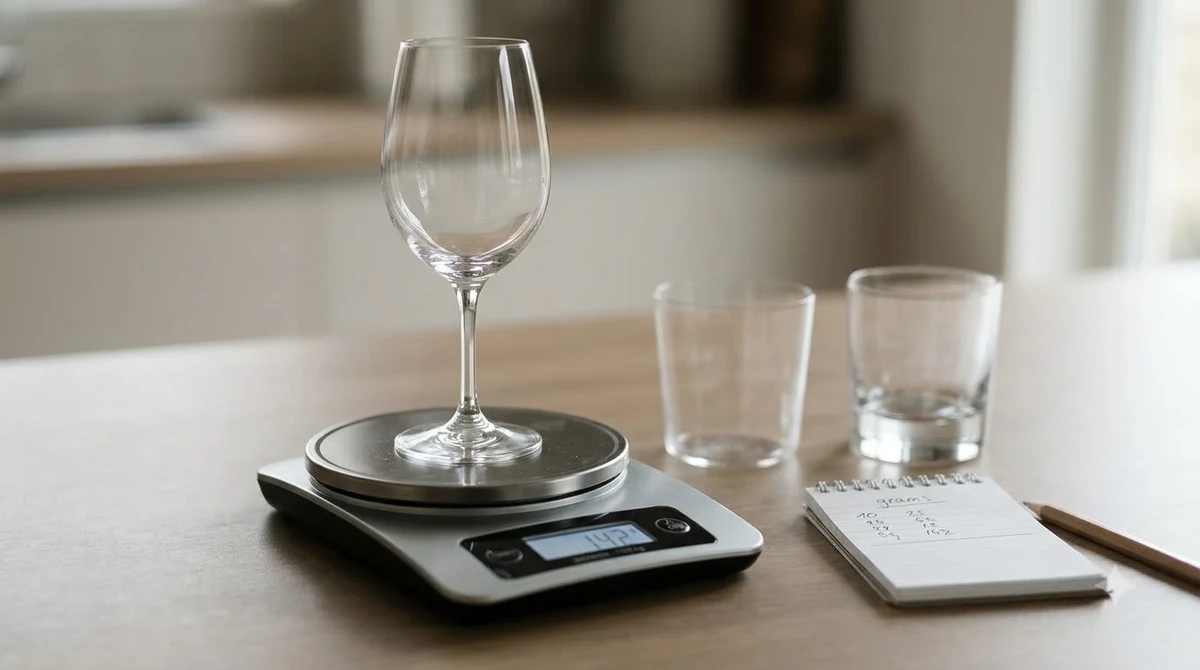
Fine wine glasses require careful handling, particularly around the rim and stem. Waterford specifically identifies finely made rims as the most fragile part of its products. That is an important practical limitation for households where glasses are frequently stacked, crowded into cupboards, or washed quickly alongside heavy dinnerware.
Stemmed glasses also require attention during drying. Holding the bowl securely while twisting the stem can place pressure on the narrow connection between these two parts. Waterford warns against twisting the bowl and stem in opposite directions during washing or drying because the movement can cause damage.
Newer crystal is described by Waterford as stronger than its previous formula, but stronger does not mean unbreakable. A glass can still chip if its rim strikes another glass, and a stem can still break if the vessel is handled with excessive force. Owners should treat the material as fine glassware rather than assuming the updated formula makes it suitable for rough everyday handling.
Mixed feedback about consistency
Not every customer report is positive. One Bloomingdale’s review of Marquis by Waterford stemless glasses describes an individual set with uneven bases that wobbled on the table. The reviewer also expressed concern about fragility and returned the product.
This is a specific customer experience, not evidence that every Waterford glass has an uneven base. Nevertheless, it highlights a sensible inspection step: place each new glass on a flat surface and check that it sits evenly before discarding the packaging. A stemless glass should have a stable base, while a traditional stemmed glass should stand without rocking.
Hand washing is preferable
Dishwasher compatibility can be confusing because Waterford’s guidance distinguishes its newer crystal formula from the company’s preferred care method. The manufacturer says the newer material has been tested to withstand 150 domestic dishwasher cycles. However, it also warns that repeated dishwasher washing can gradually deteriorate the surface and recommends hand washing to preserve brilliance.
Its general care guidance is more straightforward: wash crystal separately in warm, soapy water, rinse thoroughly, and dry using a lint-free cloth. Heat, friction, and detergent can dull or scratch crystal surfaces. These precautions make ownership less convenient for anyone who expects every drinking glass to go directly into a dishwasher after dinner.
Decorative designs are not for everyone
The traditional Lismore pattern is an important part of Waterford’s identity, but its appearance is not universally appealing. Some buyers prefer thin, undecorated glassware with minimal visual distractions. A heavily cut pattern can also make the glass look more formal than the rest of a casual table setting.
Likewise, a large bowl is not automatically a better wine glass. The 25-ounce Elegance Cabernet Sauvignon model provides generous capacity, but someone who prefers compact stemware may find it oversized for everyday use. Shoppers should prioritize the shape and handling characteristics they actually enjoy rather than choosing the largest or most elaborate design simply because it appears impressive.
Who Should Buy and Who Should Skip
Waterford is a strong candidate for shoppers who want decorative, carefully designed stemware for special meals, wine-focused entertaining, or meaningful gifts. Its range also suits people who enjoy matching their wine glasses with other crystal pieces. However, buyers who prioritize inexpensive replacement, minimal maintenance, or resistance to accidental knocks may prefer simpler alternatives.
Who should consider Waterford
Formal entertainers: People who host dinner parties, anniversaries, and holiday meals can benefit from the recognizable appearance of Lismore and Lismore Essence. Their decorative cuts make the glassware a visible part of the table setting, especially when paired with coordinated serving pieces.
Wine enthusiasts: Buyers who regularly serve Cabernet Sauvignon, Merlot, Pinot Noir, Sauvignon Blanc, and Chardonnay can appreciate the varietal-specific options in the Elegance collection. Having different capacities allows a household to match glassware more closely to the wine being served.
Crystal collectors: Anyone building a coordinated collection may appreciate the established Lismore design family, including Lismore Diamond and Lismore Essence. The different variations allow shoppers to explore related decorative styles without relying on a single glass shape.
Gift shoppers: Waterford is also worth considering for wedding gifts, anniversaries, milestone birthdays, and housewarming occasions. A matching pair of wine glasses has a clear practical purpose while also functioning as a keepsake. A set of four can be more useful for recipients who frequently entertain.
Who should skip it
Low-maintenance households: Anyone who strongly prefers putting all glassware into the dishwasher without considering placement, cycle, or detergent may find Waterford’s care recommendations inconvenient. Although the new formula has undergone dishwasher testing, Waterford still recommends hand washing to preserve appearance.
Families with frequent breakage: Households where glasses are routinely knocked over, handled by young children, or placed in crowded cabinets may be better served by durable everyday glassware. Even improved crystal remains susceptible to chipped rims and broken stems.
Minimalist buyers: People who want plain, understated stemware may not appreciate traditional decorative cuts. A simpler glass can also be easier to replace when one piece breaks or a matching set becomes unavailable.
Buyers seeking identical replacements for older pieces: Waterford’s updated crystal formula differs from its previous lead-crystal material. The company acknowledges changes in weight and sound, as well as potential variations in color. Someone expanding an older collection should therefore compare new pieces with existing glasses before assuming they will match perfectly.
How It Compares to Alternatives
Waterford occupies a recognizable position among decorative crystal wine glasses, but the best choice depends on whether appearance, material, serving capacity, or practical maintenance matters most. Comparing it with other glassware categories is more useful than assuming that every premium crystal glass performs the same way.
Waterford versus plain crystal wine glasses
Plain crystal glasses generally suit people who prefer a clean, unobstructed appearance. They allow the color of the wine to remain the main visual feature and can work with almost any dining-room style. Waterford’s cut designs offer a more decorative alternative, particularly in the Lismore family.
There is also a difference in how the two styles are presented. Plain glasses can feel more contemporary and understated, while patterned Waterford pieces often suit traditional or formal settings. Neither approach is inherently better for wine appreciation. The important factors remain the bowl shape, rim, clarity, and comfort of the glass.
Waterford versus standard everyday glassware
Ordinary wine glasses are often the more practical option for households that prioritize frequent use and easy replacement. Their simpler construction and less elaborate appearance can make them easier to incorporate into daily routines. They are particularly useful when a household needs multiple matching glasses for casual entertaining.
Waterford is more compelling when presentation and decorative craftsmanship are important. A set of Lismore Essence glasses can create a different atmosphere from basic restaurant-style stemware, while the Elegance range offers more specialized wine shapes. The trade-off is the need for more deliberate handling and cleaning.
Waterford versus lead-free crystal alternatives
Shoppers comparing modern crystal should consider material composition alongside appearance. Waterford’s current crystal formula is lead-free, using barium oxide instead of lead oxides. The company says this formula provides greater strength and allows more defined decorative cuts.
Other lead-free crystal manufacturers may also offer clear, lightweight, or durable glassware. However, the term lead-free does not guarantee that two products will have identical weight, clarity, rim thickness, or resistance to damage. These characteristics depend on the individual design and manufacturing process.
For shoppers prioritizing material composition, our guide to lead free crystal wine glasses offers a broader comparison of available construction styles. Those comparing complete everyday sets can also consult our overview of wine glasses to see how different shapes suit different uses.
Which Waterford collection makes the most sense?
The right Waterford collection depends on the intended setting. Lismore is a natural choice for shoppers who favor classic cut-crystal styling. Lismore Essence offers another interpretation of the family, while Lismore Diamond provides a related decorative direction. Elegance is more appropriate for people who want clearly identified varietal-specific glass shapes.
Marquis Markham is worth considering for shoppers who want a four-piece set and a more straightforward goblet format. Mastercraft Irish Lace is a specialized option for people interested in handcrafted Irish crystal. Rather than treating these collections as interchangeable, compare their exact designs and intended uses before making a selection.
Care, Cleaning, and Long-Term Ownership
Waterford crystal can remain attractive for years with appropriate care, but preserving its finish requires a gentler routine than ordinary drinking glasses. The most important habits are hand washing when practical, avoiding temperature shocks, protecting the rims, and storing glasses without pressure on their stems or bowls.
Hand washing correctly
Begin by washing one glass at a time in warm, soapy water. Use a soft cleaning cloth and avoid abrasive pads or scouring products. Keep the glass separate from other pieces so that it cannot knock against plates, cutlery, or heavier drinking vessels.
Rinse thoroughly to remove detergent residue. When drying, use a clean lint-free cloth and hold the glass carefully by its bowl. Avoid twisting the bowl against the stem. This is especially important for stemmed models because the narrow connection between the two sections can be damaged by rotational pressure.
Waterford’s general care instructions also advise against turning glasses upside down while drying or storing them. The rim is particularly delicate, so resting the entire weight of a glass on it can create unnecessary pressure. A suitable upright drying rack is a better option.
Understanding dishwasher guidance
Waterford’s newer crystal formula has been tested for 150 domestic dishwasher cycles. That is useful information for owners who occasionally need a dishwasher option, but it should not be interpreted as a guarantee of unlimited dishwasher durability.
The manufacturer still recommends hand washing because continual exposure to dishwasher heat, detergent, and friction can deteriorate the surface. For decorative Lismore pieces or glasses that are especially important to a collection, hand washing is the more conservative choice.
Waterford also advises careful handling and appropriate separation of glasses in the dishwasher. Where an individual product has specific dishwasher instructions, those instructions should take priority over assumptions based on another glass in the collection.
Preventing temperature damage
Crystal should not experience sudden temperature changes. Avoid pouring very cold liquid into a glass that has just been washed in hot water, and do not immerse chilled crystal in hot water without allowing it to return to room temperature.
Similarly, do not use crystal wine glasses in a microwave or conventional oven. These vessels are designed for serving beverages, not for cooking or heating. Following these basic precautions reduces unnecessary stress on the material.
Storage and cabinet organization
Store stemmed glasses upright on a stable shelf where their rims will not strike other objects. Leave enough space between pieces to prevent contact when removing or replacing them. Avoid tightly packing a cabinet, particularly when it contains larger glasses such as the 25-ounce Elegance Cabernet Sauvignon model.
For longer-term storage, consider grouping glasses by collection and capacity. This makes it easier to identify matching pairs and reduces the need to move several unrelated pieces whenever you want a particular glass. If the collection includes older and newer Waterford crystal, keep those groups identifiable so that differences in weight and appearance are not mistaken for damage.
Tip: Inspect the rim, bowl, stem, and base whenever you take a glass out of storage. A small chip or hairline crack can be difficult to notice under ordinary cabinet lighting, but checking each piece before serving helps prevent an unpleasant surprise at the table.
Waterford’s care recommendations are available in its official crystal care guide. Its instructions are particularly useful for owners who want to preserve the appearance of decorative cut-crystal designs.
Frequently Asked Questions
Does Waterford offer replacement wine glasses individually?
Waterford’s product assortment includes both individual glasses and multi-piece sets, although availability differs by collection and design. A replacement may not always be sold separately in the same configuration as an older purchase. Keeping the original collection name and product description makes identifying a matching piece easier.
Can Waterford wine glasses be engraved?
Waterford offers personalization and engraving options on selected drinkware products. Availability depends on the individual glass and the personalization service offered for that item. Engraving can be an attractive option for wedding gifts, anniversary presents, and commemorative occasions.
Does Waterford make wine glasses without stems?
Yes. The manufacturer’s wine-glass assortment includes stemless options in collections such as Lismore Essence and Elegance. These designs offer an alternative for people who prefer a shorter vessel without the traditional stem and foot. Their shape and handling experience differ from conventional stemware.
Can Waterford crystal wine glasses be used for cocktails?
Many wine glasses can also serve certain mixed drinks, particularly simple wine-based cocktails and aperitifs. However, Waterford produces dedicated cocktail and bar glasses for other beverages. Choosing the appropriate vessel helps preserve the intended serving style and avoids using delicate wine stemware for drinks that are better suited to a sturdier glass.
Why do older and newer Waterford glasses sound different?
Waterford explains that changes in crystal composition, glass thickness, and shape can affect the sound produced when pieces are gently tapped. The newer crystal formula is also slightly lighter than the previous material. Consequently, two genuine Waterford glasses from different production periods may not produce exactly the same sound.
Waterford crystal wine glasses are an appealing choice for shoppers who want distinctive designs, clear crystal, and a range of shapes for different wines. Lismore suits traditional table settings, Elegance offers varietal-specific options, and Marquis Markham provides practical four-piece formats. Choose according to your preferred appearance and serving habits, then protect the investment with careful handling and regular gentle cleaning.
More in Wine Glasses
 Zwiesel Glas Champagne Flutes for Durable Everyday Sparkling WineUpdated Nov 20, 2026
 Vera Wang Crystal Wine Glasses: Design, Quality and Buying AdviceUpdated Nov 20, 2026
 West Elm White Wine Glasses: Compare Designs for Better Everyday Wine ServiceUpdated Nov 20, 2026
 Zalto Stemless Wine Glasses: Discover Their Distinctive DesignsUpdated Nov 20, 2026
 Viski Champagne Glasses That Match Your Style and Sparkling WineUpdated Nov 20, 2026
 Vista Alegre Decanter Review: Crystal Style and Wine ServiceUpdated Nov 20, 2026