

We may earn a commission when you buy through links on this page, at no extra cost to you. Learn more.
Waterford champagne flutes are premium crystal glasses best suited to buyers who value distinctive designs, elegant presentation, and memorable celebrations. The collection includes traditional Lismore patterns, lighter Lismore Essence designs, wedding-themed pairs, and contemporary options. Their strongest advantages are decorative appeal, recognizable crystal craftsmanship, and gift-worthy presentation, while their main drawbacks are careful maintenance requirements and a more formal feel than everyday glassware.
Choosing Waterford involves more than picking a recognizable name. Different collections have different bowl proportions, capacities, decorative patterns, and overall personalities. A traditional Lismore flute makes a different impression from a streamlined Essence glass or a personalized wedding design. Understanding those differences helps narrow the selection to a pair that suits the champagne being served, the occasion, and the way the glasses will be maintained.
Specs and Key Features
Waterford champagne flutes combine decorative crystal construction with several distinct designs and capacities. The most useful starting point is the difference between dedicated champagne glasses, smaller toasting flutes, and larger general-purpose flutes.
Waterford’s US collection includes traditional Lismore, Lismore Essence, Lismore Diamond, Wedding, Celebrations, and Mastercraft options. This breadth makes the collection particularly interesting for people choosing glassware for a wedding registry, anniversary present, formal dining room, or established home bar. Rather than offering one universal flute, Waterford provides different visual treatments and capacities for different occasions.
| Collection or design | Listed capacity | Typical configuration | Best use |
|---|---|---|---|
| Lismore Essence Champagne Flute | 7.5 oz | Set of 2 | Contemporary champagne service |
| Lismore Diamond Essence Champagne Flute | 7 oz | Set of 2 | Decorative modern entertaining |
| Lismore Toasting Flute | 5.5 oz | Set of 2 | Small celebratory pours |
| Love Forever Flute | 7 oz | Set of 2 | Wedding and anniversary gifts |
| Wishes Happy Celebrations Toasting Flute | 4.5 oz | Set of 2 | Brief ceremonial toasts |
| Lismore Essence Flute | 11 oz | Set of 2 | Larger sparkling-wine servings |
| Elegance Champagne Belle Coupe | 7 oz | Set of 2 | Coupe-style champagne service |
These capacities are useful distinctions rather than a ranking of quality. A 4.5-ounce toasting flute is intended for a different experience from an 11-ounce flute. The smaller format suits a short ceremonial pour, while the larger format provides additional room for a more generous serving and greater freedom to observe the wine. A glass’s stated capacity also does not mean it should be filled to the rim.
Material is another important specification. Waterford explains that its newer crystal formula replaces lead oxides with barium oxide. The company identifies greater strength, more pronounced facets, recyclability, and reduced factory energy consumption among the benefits. This is an important distinction for anyone comparing newly purchased pieces with older family crystal. The official Lismore Essence Champagne Flute product page provides a useful example of the collection’s contemporary styling, including its thinner stem and lighter wall.
For a closer look at different shapes, capacities, and materials, compare the options in our champagne flutes guide. It helps establish whether a traditional narrow flute, a wider sparkling-wine glass, or a coupe makes the most sense for your intended use.
What Owners Like
The strongest appeal of Waterford is its visual character. Buyers who appreciate patterned crystal, coordinated table settings, and meaningful gifts have several reasons to consider the collection.
Distinctive decorative patterns. Lismore is among the most recognizable choices in the collection. Its traditional cut-crystal appearance gives a champagne setting a more formal character. Lismore Diamond offers another patterned interpretation, while Lismore Essence moves toward a cleaner, lighter presentation. These differences matter because crystal is often displayed as part of a dining room or home bar rather than used only when champagne is poured.
A choice of contemporary and traditional proportions. Waterford describes Lismore Essence as having a lighter wall and thinner stem. That construction creates a different impression from the more traditional Lismore style. Buyers who like the Waterford aesthetic but prefer less visually substantial glassware may find Essence more appealing. The larger 11-ounce Essence flute also gives shoppers an alternative to the dedicated 7.5-ounce champagne version.
Gift suitability. Wedding and anniversary designs are a particularly attractive part of the collection. Love Forever, Love True Love, Wedding Vows, and Wedding Toasting flutes provide options that connect the glassware with a specific occasion. A matched pair is practical for two-person celebrations, while an engraved message can make a wedding gift more personal when the chosen product supports personalization.
Customer comments on a Bloomingdale’s listing for the Love Wedding Vows design reinforce this gifting appeal. Reviewers describe the glasses as beautiful and memorable engagement gifts, and one buyer mentions their traditional appearance and suitability for a couple planning a wedding toast. These comments are useful evidence of gift appeal, although a small collection of reviews cannot establish universal owner satisfaction.
Stronger newer crystal formulation. Waterford says its newer crystal is twice as strong as its previous formula. The company also explains that the formulation supports sharper cuts and more pronounced facets. That combination is attractive to buyers who want intricate visual details without choosing glassware solely for decorative appearance.
It is important to distinguish increased material strength from everyday invulnerability. A crystal flute remains vulnerable to impacts, particularly around its rim and stem. Greater resistance does not make a thin-stemmed champagne glass suitable for rough handling, crowded dish racks, or careless storage.
A coordinated collection. Waterford’s range extends beyond champagne flutes into wine glasses, cocktail glasses, and other drinkware. This makes it possible to coordinate a dining setup across several types of beverages. Someone building a formal glassware collection may prefer a recognizable pattern across champagne service and regular wine service instead of combining unrelated designs.
For buyers who want a wider comparison of drinking vessels, our wine glasses selection provides additional context on bowl shapes and practical uses. A champagne flute should be chosen for the sparkling wines and occasions it will serve, rather than simply matching the appearance of every other glass in a cabinet.
Common Complaints
Waterford’s decorative quality comes with practical compromises. The main concerns are maintenance, delicate construction, changing crystal formulations, and the fact that traditional flutes are not necessarily the most versatile vessels for serious sparkling-wine appreciation.
Care requires attention. Waterford recommends hand-washing its crystal separately in warm, soapy water. Each piece should be rinsed thoroughly and dried with a lint-free cloth. This takes more time than putting an ordinary set of everyday glasses into a dishwasher. It also means that owners should plan a little additional cleanup after a large celebration.
The company’s care guidance identifies dishwasher heat, friction, and detergent as potential causes of surface dullness or scratching. Although Waterford says its newer formulation has been tested to withstand 150 domestic dishwasher cycles, the company still recommends hand-washing to preserve brilliance. These two statements are not contradictory: dishwasher resistance describes tested durability, while the preferred cleaning method emphasizes long-term appearance. Waterford’s official crystal care guide also explains how to wash, dry, and handle delicate rims without putting unnecessary pressure on the stem.
The newer crystal feels different from older pieces. Buyers who grew up with traditional Waterford lead crystal may notice differences in weight, color, cutting, or the sound produced when glasses touch. Waterford confirms that its newer formula is slightly lighter and that changes in shape and thickness can influence the familiar ringing sound.
This distinction is particularly important for collectors purchasing replacement glasses. A newer flute may not produce exactly the same sound as a family heirloom, even if the decorative pattern looks similar. One customer review on the Bloomingdale’s listing specifically mentions dissatisfaction with the clinking sound of newer Lismore glasses compared with older Waterford crystal.
The change in formulation is not automatically a disadvantage. Waterford identifies twice the strength of its previous formula as a benefit and says the new material supports sharper cuts. However, someone who values the feel and sound of older lead crystal should investigate the particular piece before buying a replacement. A familiar brand name does not guarantee an identical material experience across different generations.
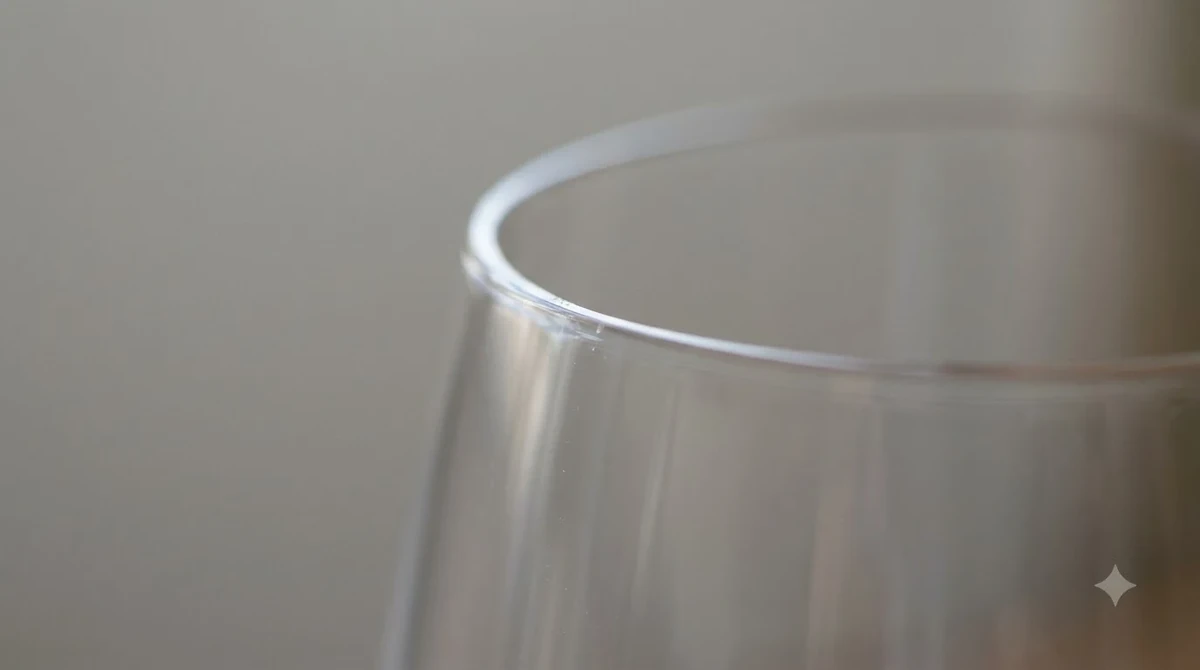
Thin stems and fragile rims demand care. The thinner construction of Lismore Essence may appeal to people who prefer lighter glassware, but a delicate stem still requires careful handling. Waterford specifically identifies the rim as the most fragile part of its crystal and advises against twisting the bowl and stem in opposite directions during washing and drying.
Traditional flutes are not ideal for every sparkling wine. A narrow flute is visually appealing and helps maintain a stream of bubbles, but it restricts the surface area available for observing aromas. Some complex vintage Champagne and traditional-method sparkling wines benefit from a wider tulip-shaped glass. Buyers interested primarily in evaluating wine rather than creating a ceremonial presentation may prefer a more versatile shape.
There is also a practical capacity issue. A 4.5-ounce toasting glass is suitable for a brief celebration but is less flexible for regular sparkling-wine service. Someone hosting a dinner for six or eight guests may prefer larger, consistent glasses rather than collecting several small ceremonial designs.
Who Should Buy and Who Should Skip
Waterford is most appropriate for people who value crystal appearance, gifting, and a coordinated entertaining collection. It is less compelling for buyers whose priorities are low-maintenance cleaning, everyday durability, or maximum versatility for different wine styles.
Who should buy Waterford
Wedding and anniversary gift shoppers are an obvious audience. The Love Forever, Love True Love, and Wedding Vows designs are purpose-oriented options for couples who want matching glasses for a ceremony or future celebrations. A pair also has a practical advantage: it gives both people a dedicated glass for anniversaries, birthdays, and other occasions.
Traditional crystal enthusiasts may prefer Lismore or Lismore Diamond. Their decorative appearance works well in formal dining rooms and with established collections of crystal serving pieces. If the glasses will spend much of their time in a display cabinet, the visual character may be as important as the drinking experience.
Contemporary entertaining enthusiasts should consider Lismore Essence. Its lighter wall and thinner stem give it a less traditional appearance while preserving the recognizable crystal character. The dedicated 7.5-ounce champagne version is a particularly sensible starting point for someone who wants a refined flute without selecting an especially small ceremonial design.
Collectors building a coordinated glassware set may appreciate the wider range. Matching champagne flutes with wine glasses and other drinkware creates a consistent presentation at a dinner party. It also simplifies gift planning when different occasions call for complementary pieces.
Who should skip Waterford
Buyers who dislike hand-washing should think carefully before choosing premium crystal. Even though Waterford’s newer formula has undergone dishwasher testing, the company’s recommendation is still to wash by hand to protect brilliance. If glassware needs to be cleaned quickly after every meal, ordinary dishwasher-friendly glasses may be a better practical choice.
Large households with frequent casual use may find decorative crystal unnecessarily demanding. A busy kitchen, crowded storage shelves, and regular family gatherings increase the chances of accidental impacts. A sturdy everyday glass can be more convenient for casual sparkling wine, while Waterford remains reserved for special occasions.
Collectors seeking the old lead-crystal experience should not assume that current pieces will feel or sound identical to their older glasses. The material change is documented by Waterford itself. Those buyers should compare the specific design and formulation rather than relying only on the brand and pattern name.
Wine enthusiasts who prioritize aroma development should also consider a wider glass. A traditional flute can be a beautiful serving vessel, but a tulip-shaped glass may provide more room to appreciate the aroma of complex sparkling wine. Our best champagne glass comparison is useful for weighing presentation against wine-focused performance.
How It Compares to Alternatives
Waterford’s main distinction is its combination of recognizable decorative crystal and multiple design families. Other types of champagne glassware can provide a different balance of presentation, aroma access, durability, and maintenance.
Traditional Waterford versus contemporary Waterford. Lismore and Lismore Essence illustrate the choice within the brand. Traditional Lismore has a more pronounced decorative personality, while Essence uses a lighter wall and thinner stem. Both can suit formal entertaining, but they appeal to different preferences. The decision is primarily about the appearance and feel of the glass rather than a claim that one is universally superior.
Waterford versus plain glass flutes. Plain, uncomplicated glassware is generally more practical for everyday use. It does not create the same patterned-crystal presentation, but it can be a better option for households that want straightforward cleaning and less concern about decorative surfaces. Waterford makes more sense when the visual character of the glass is part of the occasion.
Waterford flutes versus tulip glasses. A flute emphasizes a narrow, vertical presentation. A tulip glass has a wider bowl that narrows toward the rim, providing more room for aromatic development while still retaining a sparkling-wine appearance. The latter is particularly appealing for Champagne with complex autolytic, mineral, and fruit characteristics.
Waterford flutes versus coupes. A coupe provides a broad, shallow bowl and a distinctly vintage presentation. Waterford itself offers a 7-ounce Elegance Champagne Belle Coupe. However, the open shape allows bubbles to dissipate more quickly than in a narrow flute, making it a more style-oriented choice for many sparkling-wine occasions.
These formats are not interchangeable in every situation. A formal wedding toast may favor matching Waterford flutes, while a tasting of vintage Champagne may benefit from a tulip-shaped vessel. A coupe can be attractive for a themed cocktail party or a retro table setting.
The most useful approach is to identify the primary use before choosing a style. If a glass will be used mostly for brief celebrations, a traditional flute makes sense. If it will also serve sparkling wines at dinner, a wider bowl can offer greater flexibility. Buyers who want both experiences can build a collection with dedicated toasting glasses and more versatile wine glasses.
Frequently Asked Questions
Are Waterford champagne flutes made in Ireland?
Waterford’s range includes Mastercraft flutes that the US product listings explicitly identify as handcrafted in Ireland. This designation should not automatically be applied to every glass in the wider champagne collection. Check the manufacturing information for the particular design if Irish craftsmanship is an essential purchasing requirement.
Can Waterford champagne flutes be engraved?
Waterford offers engraving on selected drinkware and wedding-related products. The availability of personalization depends on the individual design and its eligibility for the service. For a wedding present, verify the available engraving area and personalization options before ordering.
Do Waterford champagne flutes come in larger gift sets?
Yes. Waterford’s collection includes some flute formats in sets of four and six, in addition to the many pairs. The Lismore Essence 7.5-ounce flute, for example, appears in both two-piece and six-piece configurations. Larger sets can be useful for hosts who want matching glasses across a full dinner table.
Can older Waterford lead crystal be mixed with newer crystal?
Older lead-crystal and newer crystal pieces can both be used for serving beverages, according to Waterford’s food-contact compliance information. However, differences in weight, color, thickness, and sound may be noticeable when the glasses are displayed or used together. Collectors seeking a uniform appearance may prefer to keep matching production generations together.
Does Waterford offer replacement individual champagne flutes?
Some designs are listed individually as well as in pairs, but availability varies across the collection. Waterford’s product listings include individual Lismore and Lismore Essence champagne flute options. When replacing a damaged glass, confirm the exact pattern and capacity rather than relying on a similar collection name.
Waterford champagne flutes are a strong choice for buyers who want decorative crystal, distinctive presentation, and a memorable gift for a wedding or special occasion. Lismore suits traditional tastes, while Lismore Essence offers a lighter contemporary alternative. Choose the capacity and shape around the way the glasses will actually be used, and plan on careful hand-washing to preserve their appearance over time.
More in Wine Glasses
 Zwiesel Glas Champagne Flutes for Durable Everyday Sparkling WineUpdated Nov 20, 2026
 Vera Wang Crystal Wine Glasses: Design, Quality and Buying AdviceUpdated Nov 20, 2026
 West Elm White Wine Glasses: Compare Designs for Better Everyday Wine ServiceUpdated Nov 20, 2026
 Zalto Stemless Wine Glasses: Discover Their Distinctive DesignsUpdated Nov 20, 2026
 Viski Champagne Glasses That Match Your Style and Sparkling WineUpdated Nov 20, 2026
 Vista Alegre Decanter Review: Crystal Style and Wine ServiceUpdated Nov 20, 2026