

We may earn a commission when you buy through links on this page, at no extra cost to you. Learn more.
Waring replacement parts are available through Waring’s official parts catalogs and authorized or specialist appliance-parts retailers, with the correct choice depending on your appliance’s exact model and part number. The range covers blender containers, blades, clutches, food processor attachments, mixer components, and accessories for other commercial appliances. Matching the replacement to the original equipment is more important than choosing a part that simply looks similar.
Waring equipment is used for demanding food preparation, beverage service, and commercial kitchen work. A worn gasket, damaged container, missing food processor disc, or failing attachment does not necessarily mean the entire appliance needs replacing. This review examines the Waring replacement parts range, the types of components available, where to find them, and how to avoid ordering something that will not fit.
Specs and Key Features of Waring Replacement Parts
Waring replacement parts cover several equipment categories, with dedicated components for blenders, immersion blenders, food processors, mixers, and other appliances. The strongest feature of the range is its model-specific organization, which makes it easier to identify a component intended for a particular machine rather than relying on appearance alone.
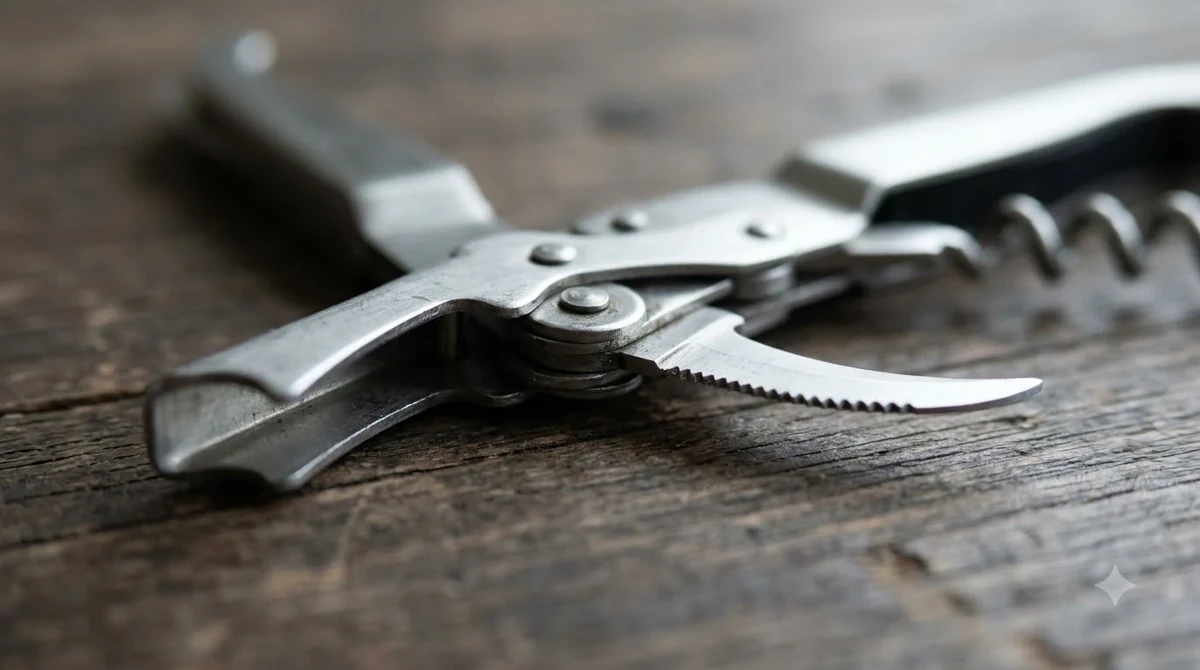
The official Waring website separates blender accessories from food preparation accessories. Its blender catalog includes containers, blade assemblies, clutch repair kits, replacement shafts, and specialized maintenance tools. The food preparation selection includes batch bowls, bowl covers, slicing and shredding discs, and accessories for equipment such as electric wine openers.
Several listed part numbers illustrate how specific the compatibility information can be. CAC116, for example, is a blending assembly replacement kit for CAC93X and CAC95 Xtreme MX Series blender containers. CAC163 is a one-pack clutch repair kit designed for Torq 2.0 TBB Series blenders. These are not interchangeable simply because both belong to the blender category.
| Part number | Component | Specified compatibility | Equipment category |
|---|---|---|---|
| CAC116 | Blending assembly replacement kit | CAC93X and CAC95 | Xtreme MX blender containers |
| CAC163 | Clutch repair kit, one pack | TBB Series | Torq 2.0 blenders |
| CAC93X | 48-ounce copolyester container with blade and lid | Xtreme MX Series | Blender container |
| WFP14S3 | Sealed batch bowl cover | WFP14S | Food processor |
| WFP11S2 | Batch bowl | WFP11S | Food processor |
| CAC115 | Replacement battery pack | WWO120 | Electric wine opener |
| CAC113 | Replacement auger kit | WWO120 | Electric wine opener |
These examples demonstrate that Waring offers more than basic replacement blades. Some components restore the operation of an existing appliance, while others replace removable accessories that receive regular use. A complete container assembly, for instance, may be more practical than replacing individual components when several parts of the original container have deteriorated.
Materials and construction also differ according to the intended application. A blender container, stainless steel immersion blender shaft, food processor disc, and electric wine opener battery pack have very different functions. Buyers should consider the original component’s design and intended operating conditions rather than assuming that all accessories from the same manufacturer share the same construction.
For a complete overview, the official Waring blender accessories and parts catalog provides examples of the available components and their stated applications. It is a useful starting point for identifying a replacement before checking availability through a retailer.
One limitation is that a broad parts category does not guarantee that every component remains available for every older appliance. Some products and accessories are discontinued, and a replacement that fits a newer machine may not fit an earlier version. The part number and appliance identification information should therefore guide the purchase.
What Owners Like About the Replacement Parts Range
The main advantage of Waring replacement parts is the ability to maintain an existing appliance without automatically purchasing an entirely new machine. The range also includes small maintenance components and complete assemblies, giving owners different repair options depending on the extent of the problem.
One useful feature is the breadth of the catalog. Blender owners can look for containers, blade assemblies, clutches, and shafts, while food processor owners can find bowl covers, discs, and other attachments. The availability of dedicated parts for the WWO120 electric wine opener is particularly relevant to home beverage enthusiasts who use their appliance regularly.
Replacement accessories can also help maintain a consistent kitchen workflow. A restaurant using a Waring blender for sauces, dressings, and drink preparation may depend on having an additional compatible container. Similarly, a food processor used for slicing vegetables during daily preparation benefits from having the correct replacement disc available rather than having to change the entire machine when an attachment wears out.
Another advantage is the availability of official product documentation. Waring provides instruction manuals and specification sheets for products in its current catalog. Its Help Center also explains where to find identification information and how to request archived documentation for discontinued products.
This is particularly useful for older commercial equipment. A machine that has been used for several years may still be operational even if its original paperwork is missing. Finding the model number first gives owners a better chance of identifying the correct accessory, locating the appropriate parts diagram, and confirming whether a component is still supported.
The range also offers practical options for different maintenance situations:
- Routine replacement: Components such as seals, gaskets, and other wearable items can be replaced when deterioration affects normal operation.
- Accessory replacement: Containers, lids, and attachments can restore the intended functions of an appliance without replacing its motor base.
- Mechanical maintenance: Dedicated clutch and blending assembly kits provide options for specific blender configurations.
- Equipment-specific accessories: Food processor discs and wine opener components help maintain specialized functions.
Owners may also appreciate having more than one purchasing route. Waring’s own website is a logical starting point, while specialist suppliers such as Wasserstrom, eReplacementParts, and PartSelect provide additional ways to search for particular components. Their catalogs can be useful when an owner already knows the manufacturer part number but wants to investigate availability elsewhere.
For a household that also maintains a dedicated beverage station, keeping essential accessories organized alongside a bar cart can make entertaining easier. Replacement equipment is not glamorous, but having a compatible spare container or wine opener accessory can prevent an otherwise simple preparation task from becoming a problem.
There is an important distinction between availability and guaranteed compatibility, however. A retailer listing a Waring part does not mean that the component fits every Waring appliance. The value of the catalog depends on the accuracy of the model information supplied by the buyer.
Common Complaints and Potential Buying Problems
The biggest challenge with Waring replacement parts is identifying the precise component for the correct machine. Similar-looking appliances can have different internal assemblies, attachment connections, or container designs, making visual comparisons an unreliable way to confirm compatibility.
Model identification is the first possible source of confusion. Waring explains that the model number is generally printed on a rating label on the bottom or rear of the appliance, depending on the equipment type. For example, food processors and grinders commonly have identification labels underneath, while drink mixers and immersion blenders generally have labels on the back.
Some appliances also display a catalog number alongside the model number. Waring recommends recording both when available because this additional information can help narrow down the exact equipment configuration. A replacement part search based on an incomplete identification number can lead to unnecessary returns or an incorrect order.
Another difficulty concerns discontinued equipment. A commercial appliance may remain in service long after its original retail listing has disappeared. That does not necessarily mean its replacement parts are impossible to find, but it can require more research through manufacturer support, archived manuals, and specialist suppliers.
There are also practical differences between individual parts and complete assemblies. A worn blender seal might require only a replacement gasket, whereas damage involving several elements of the blending assembly may call for a larger repair kit. Choosing the wrong repair scope can create extra expense and leave the original problem unresolved.
Compatibility is more important than appearance
Two blender containers can have similar shapes and capacities but use different blade assemblies or mounting systems. Likewise, a food processor disc that looks like the original may have a different center fitting or intended model application. The same concern applies to shafts and attachments for immersion blenders.
Before ordering, compare the manufacturer’s part number, the appliance model, and the retailer’s stated compatibility list. If the seller identifies several compatible models, confirm that the exact version of your appliance is included. Do not assume that a similar model name automatically indicates the same replacement component.
Wearable components need regular attention
Waring explicitly distinguishes wearable items from defects covered by its standard product warranty. The manufacturer explains that these components should be replaced regularly to maintain the integrity of the machine. This means a worn gasket or similar consumable should not automatically be treated as a manufacturing defect.
Signs of deterioration can include visible cracking, damaged sealing surfaces, loose-fitting attachments, or inconsistent operation. A component should not be kept in service simply because the appliance motor still runs. The condition of removable accessories and sealing components matters to normal equipment operation.
Buyers should also be cautious about incomplete listings. A product description might mention a blade assembly without including a container, lid, gasket, or installation accessory. Reading the complete listing and checking the included components can prevent an order from arriving with only part of the assembly needed for the repair.
Tip: Photograph the appliance rating label and the original component before searching. Keep the model number, catalog number, existing part number, and a clear photograph together. This simple preparation makes it easier to compare official listings and ask a retailer for compatibility confirmation.
Who Should Buy and Who Should Skip Waring Replacement Parts
Waring replacement parts are a sensible choice for owners who already have compatible Waring equipment and want to preserve its useful life. They are particularly relevant to commercial kitchens, beverage-service operations, and home users who rely on a particular appliance for regular preparation tasks.
Commercial operators are among the most obvious potential buyers. A restaurant using a Waring blender for several daily batches may prefer replacing a worn container assembly instead of interrupting its workflow to source an entirely new machine. A catering business using a Waring food processor may similarly benefit from keeping compatible slicing and shredding accessories available.
Home users also have reasons to consider individual components. Someone who owns a Waring electric wine opener, for example, may only need a replacement battery pack or auger kit. Replacing an entire appliance because of one worn or damaged accessory may be unnecessary when the correct replacement is available.
Who should consider buying
- Owners of commercial Waring blenders: Those who need compatible containers, blade assemblies, clutch repair kits, or other dedicated components.
- Food processor users: People who regularly use their WFP11S or WFP14S machines and need replacement bowls, covers, or cutting accessories.
- Bars and beverage-service businesses: Operators who depend on drink mixers, immersion blenders, and other equipment for repeated daily tasks.
- Wine enthusiasts: Owners of the WWO120 electric wine opener who need compatible battery or auger components.
- Equipment maintenance professionals: Technicians who already have the correct parts documentation and can identify the appropriate component for a repair.
These buyers generally have a clear reason to seek manufacturer-specific components. They know which appliance they own, can identify the problem, and want to restore the original equipment rather than change their kitchen setup.
Who should skip a direct purchase
Buyers should avoid ordering a component without first establishing its compatibility. Someone who only knows that they own a Waring blender, for example, does not have enough information to choose a blade assembly confidently. The manufacturer offers multiple blender families, and their accessories are not automatically interchangeable.
People dealing with electrical faults, damaged wiring, motor problems, or internal mechanical failures should also avoid assuming that a replacement accessory is the correct solution. These issues can require diagnostic work rather than a simple parts purchase. An authorized service center is a more appropriate starting point when the fault involves electrical or internal equipment systems.
Owners of very old or discontinued models may need additional assistance before purchasing. If the original part number cannot be identified, contacting Waring Product Support or a specialist parts retailer can be more productive than ordering the closest-looking component.
Finally, buyers seeking universal accessories should understand that Waring’s model-specific approach may not meet that requirement. A generic component is not automatically suitable for a Waring appliance, and an accessory designed for one Waring model should not be treated as universal.
The best purchase is the one that solves the actual equipment problem without introducing a second compatibility problem. For a machine that remains in good condition apart from one removable accessory, a correctly matched replacement is often a more practical option than replacing the whole appliance.
How Waring Parts Compare to Alternative Suppliers
Waring’s official catalog is the most direct place to begin identifying manufacturer-listed components, but independent parts suppliers provide useful alternatives for searching and sourcing. The main differences concern catalog organization, model lookup tools, product descriptions, and the information available to help buyers confirm fit.
Waring’s own website organizes parts by equipment category. This approach is useful when the buyer knows whether the appliance belongs to the Blend, Prep, Cook, or Brew range. It also provides direct access to manufacturer documentation and product support, which can be important when a repair involves an older or less common model.
Independent suppliers offer a different approach. eReplacementParts organizes its Waring blender and food processor selections around model-number and part-number searches. PartSelect also provides model-based parts information and descriptions of individual replacement components. Wasserstrom serves commercial kitchen buyers with a broader restaurant-equipment parts selection.
| Supplier | Main strength | Useful for | What to verify |
|---|---|---|---|
| Waring | Official accessories and product documentation | Identifying manufacturer-listed components | Exact model and catalog compatibility |
| eReplacementParts | Model and part-number search | Finding blender and food processor components | Part number and included items |
| PartSelect | Individual component descriptions | Investigating specific replacement parts | Listed compatible appliance models |
| Wasserstrom | Commercial equipment parts selection | Restaurant and food-service equipment | Stock status and shipping estimates |
Official Waring versus eReplacementParts
Waring is the natural first choice when identifying a manufacturer-listed accessory. Its product categories and support resources help establish which components are associated with specific equipment families. Owners who need an official compatibility reference should begin there.
eReplacementParts is useful when the owner already has a model or manufacturer part number. Its Waring pages identify their inventory as genuine OEM components and provide search tools for individual appliance models. This can be helpful when looking for a small component rather than browsing an entire accessories category.
Waring versus PartSelect
PartSelect offers individual Waring component descriptions that can help explain what a replacement does. One example is gasket 006890, which PartSelect identifies as a seal between compatible blender jars and blending assemblies. This additional functional information can help buyers understand which component they are investigating.
However, a useful description does not replace a compatibility check. Buyers should confirm that the specific model appears in the applicable fitment information before proceeding.
Waring versus Wasserstrom
Wasserstrom is particularly relevant to commercial kitchen buyers. Its Waring selection includes parts for blenders, food processors, coffee makers, toasters, and other commercial appliances. The retailer also identifies components such as gaskets, knobs, slicing discs, motor housings, and rubber feet.
Its product pages can be useful for locating commercial equipment components, especially when a buyer already has a known part number. Wasserstrom states that in-stock parts generally ship within 2-3 business days, although exact shipping estimates should be confirmed with its customer service team.
These suppliers serve overlapping but different purchasing needs. Waring is the logical starting point for identification, eReplacementParts and PartSelect are useful for model-based component searches, and Wasserstrom is an additional option for commercial kitchen parts. The best supplier depends on the specific part, its availability, and the quality of the compatibility information.
For shoppers who also maintain other beverage and entertaining accessories, the broader Accessory Brands section provides a useful starting point for exploring equipment beyond replacement components.
Warranty and Support for Waring Replacement Parts
Waring provides product support, documentation, warranty information, and access to Factory Authorized Service Centers. These resources are particularly important when a replacement involves an appliance that is still covered by its original warranty or when the repair requires professional attention.
Warranty coverage varies by product category and model. Waring’s published warranty guide lists a limited three-year motor and two-year parts and labor warranty for CB15 and MX Series heavy-duty blenders. Its food processor category has a limited five-year motor and two-year parts and labor warranty.
Other equipment has different coverage. Waring lists a limited one-year warranty for all immersion blender models and all wine opener models in the relevant warranty guide. This makes it important to distinguish the warranty on the original appliance from any warranty that applies specifically to a separately purchased replacement component.
For an end-user warranty claim, Waring directs customers to an Authorized Service Center or the original point-of-sale dealer. The manufacturer also provides a service-center locator, allowing owners to find an appropriate repair facility rather than choosing an unverified repair provider.
Finding documentation and model information
The Waring Help Center is particularly useful before ordering. It explains how to locate the model number and date code and provides access to product documentation. For current products, manuals and specification sheets can be found through the manufacturer’s documentation resources.
If the appliance is discontinued, Waring recommends contacting Product Support to search its documentation archive. This is a helpful option for owners who have an older blender or food processor and cannot find the relevant instructions through the current product listings.
Waring also states that product registration is not required to validate its warranty. Owners should retain their purchase receipt because the warranty begins on the date of purchase. If the receipt is unavailable, the manufacturer may use the four- or six-digit date code on the rating label to reference the manufacturing date.
When professional service makes sense
Not every repair should be handled by replacing an accessory at home. A cracked removable container is a different problem from an appliance with an electrical fault, damaged power cord, or malfunctioning internal motor. The latter situations may require professional inspection.
For out-of-warranty service, Waring’s published warranty guide lists its Customer Care and Service telephone number as 800-269-6640. It also identifies the Waring Factory Service Center at 314 Ella T. Grasso Avenue, Torrington, Connecticut 06790.
Using the support system can help avoid unnecessary purchases. If a component is discontinued, if the repair requires internal disassembly, or if the correct replacement remains unclear, contacting the manufacturer before ordering is a sensible step.
Warranty coverage should also be considered before arranging independent repairs. Waring’s warranty guide identifies limitations involving misuse, overloading, tampering, and repairs or servicing by providers other than Waring or Factory Approved Service Centers. Owners should review the applicable terms before authorizing work.
Overall, Waring offers a useful parts and support structure for maintaining its appliances. Its biggest advantage is the ability to connect a component to a specific machine, while the main purchasing responsibility remains with the buyer: verify the model, confirm the part number, and choose the appropriate repair route.
Frequently Asked Questions
Can I identify a Waring appliance using its date code alone?
The date code helps identify when an appliance was manufactured, but it is not a substitute for the model number. Waring uses four- or six-digit date codes depending on the equipment category. The model and catalog numbers are more useful when searching for a replacement component.
Does Waring require product registration for warranty coverage?
No. Waring states that registration is not required to validate its warranty. Keeping the original purchase receipt is important because the warranty period begins on the purchase date. If the receipt is missing, the manufacturer may use the date code on the appliance to reference its manufacturing date.
Can a Waring replacement part be installed by a restaurant employee?
That depends on the component and the repair procedure. A removable accessory may be straightforward to replace, but internal electrical components and motor assemblies can require qualified service. The appliance’s instruction manual and applicable service guidance should determine whether a repair is suitable for routine maintenance staff.
What should I do if a Waring replacement part is discontinued?
Contact Waring Product Support and request assistance with archived documentation or replacement identification. A specialist parts supplier may also be able to investigate the original manufacturer part number. Do not assume that a newer component is a suitable substitute without confirmation of compatibility.
Does Waring sell replacement accessories for wine-related equipment?
Yes. Waring’s food preparation accessories catalog includes components for its WWO120 electric wine opener, including the CAC115 replacement battery pack and CAC113 replacement auger kit. These are specific accessories rather than universal components for other electric wine openers.
Waring replacement parts are a practical option for maintaining compatible commercial and home appliances, particularly when the original machine remains in good working condition. The official catalog provides a useful starting point, while specialist suppliers offer additional ways to locate individual components. Before purchasing, confirm the model number, catalog number, and exact replacement part so that the repair restores the appliance rather than creating another compatibility problem.
More in Wine Accessories
 Vinglace Wine Tumbler Review: A Glass-Lined Choice for Better SippingUpdated Nov 20, 2026
 ZWILLING Electric Wine Opener Review: Features and DrawbacksUpdated Nov 20, 2026
 Vinturi Electric Wine Opener Review for Easy UncorkingUpdated Nov 20, 2026
 Vinabon Wine Aerator Review for Easier, Cleaner Wine ServingUpdated Nov 20, 2026
 Vacu Vin Electric Wine Opener Review: Easy Cork Removal for Home Wine LoversUpdated Nov 20, 2026
 Rabbit Wine Accessories for Easier Home Wine ServiceUpdated Nov 20, 2026