

We may earn a commission when you buy through links on this page, at no extra cost to you. Learn more.
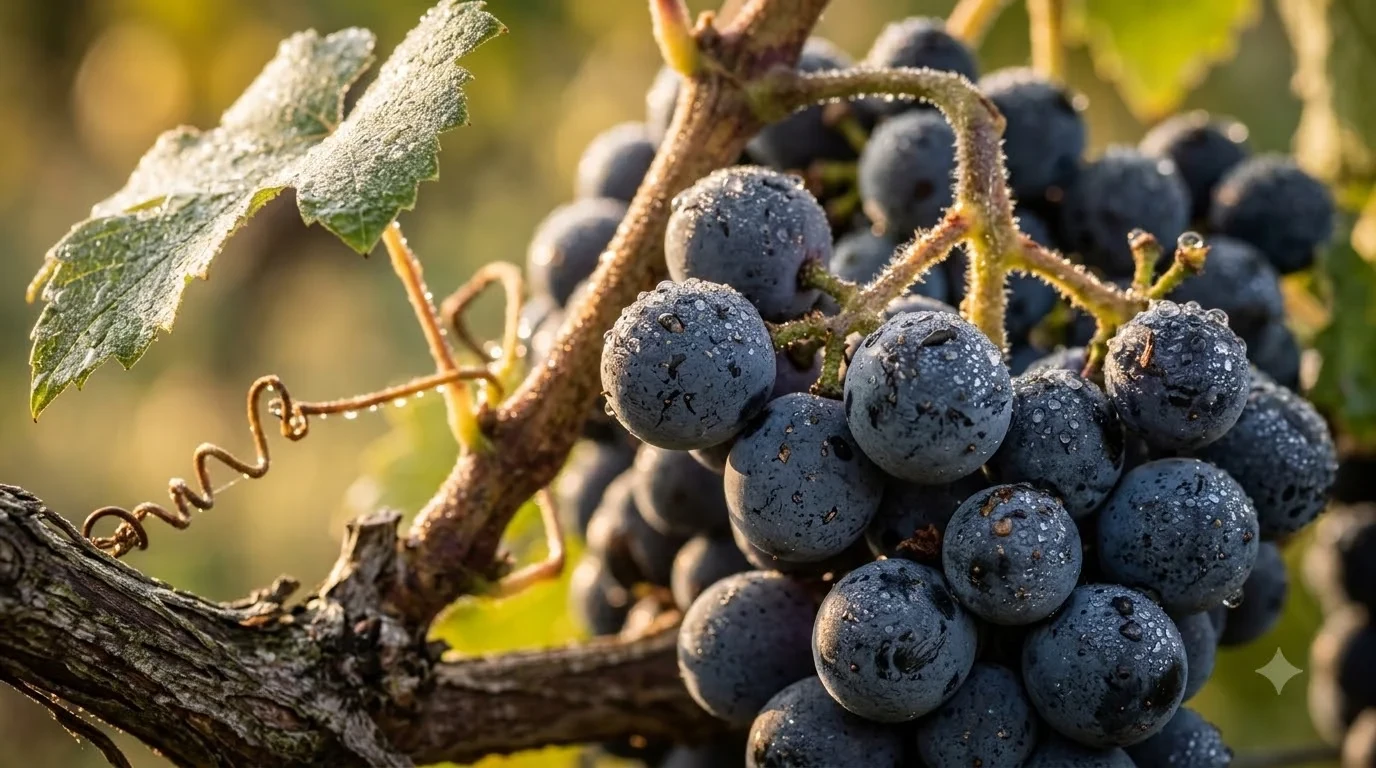
Waiheke Island wine is mostly structured red wine built on Bordeaux varieties, with Syrah, Chardonnay and Sauvignon Blanc as supporting styles. The island’s maritime climate gives the reds a firm frame and fresh edges, so they suit food and a few years in the cellar. Whites are generally brighter and more herbal or stone-fruited. Knowing those patterns makes it easier to choose a bottle, whether you are tasting on the island or buying at home.
Many wine drinkers know Waiheke as a place to visit, but the wines themselves deserve a closer look. This guide focuses on what the wines taste like, which grapes give the island its character, how to buy and store them, and how to match them with food. It is written for readers who want practical guidance rather than a list of estates.
What Waiheke Island Wine Tastes Like
The island’s reds tend to show dark fruit, savory notes and a firm, structured finish. That profile comes from the combination of Bordeaux-type grapes and a cool, sea-moderated climate. According to the Wikipedia entry on Waiheke Island, growers have matched the maritime setting to classic varieties, and Syrah in particular has won repeated awards.
Whites are usually brighter. Sauvignon Blanc tends to show herbal and citrus notes, while Chardonnay can range from lean and mineral to richer and more textured, depending on how much oak the winemaker uses. Many island producers make both a fresh unoaked style and a more layered version, so it is worth asking which one you are tasting.
The Bordeaux Blends That Define the Island
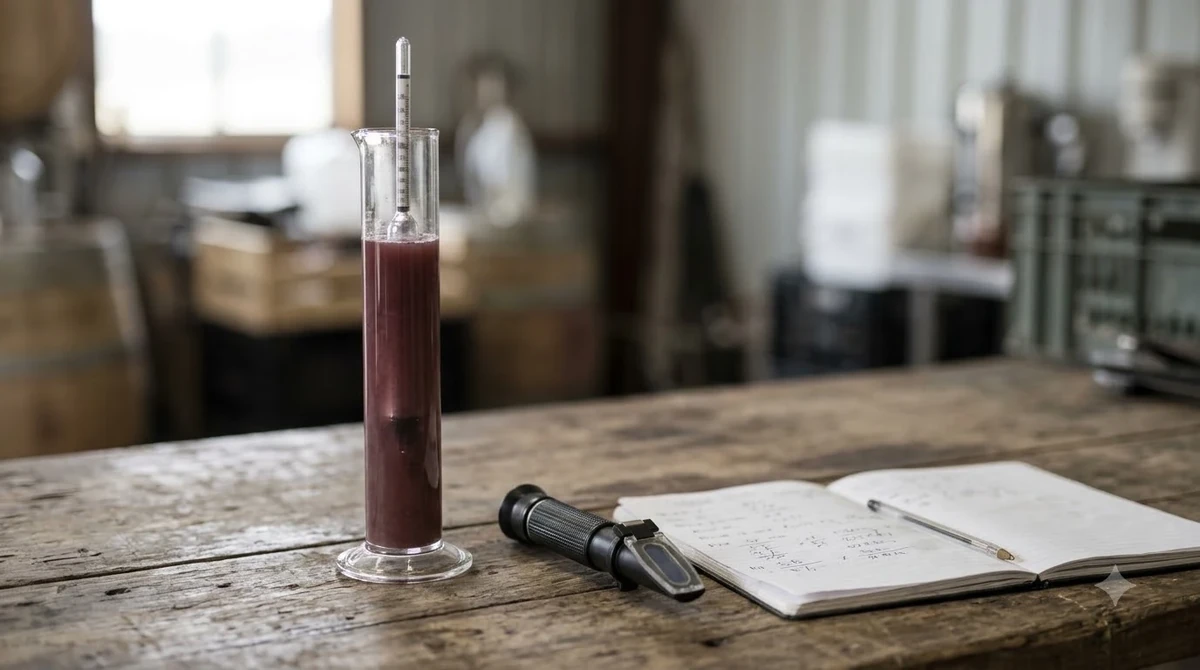
Red blends built on Bordeaux varieties are the backbone of the island’s reputation. These wines usually combine Cabernet Sauvignon with Merlot and sometimes smaller shares of other red varieties. The blend changes from producer to producer, and the proportions often shift from vintage to vintage as the growers respond to the season.
What matters most for a buyer is the wine’s intent. Bordeaux-style blends are often made to be cellared for several years before they reach their best. Younger bottles can taste tight and savory, while older ones soften and show more complex, earthy aromas. If you plan to drink a bottle soon after purchase, ask the seller or check the producer’s notes about the recommended drinking window.
| Wine type | Main character | Best way to enjoy |
|---|---|---|
| Bordeaux-style red blend | Savory, structured, built for aging | With roast meat or aged cheese, after a few years in the cellar |
| Syrah | Dark fruit, pepper and firm tannin | With grilled meats, spiced dishes or hearty stews |
| Chardonnay | Texture and stone fruit, varying with oak | With roast chicken, creamy pasta or seafood |
| Sauvignon Blanc | Bright acidity, herbal and citrus notes | With fresh salads, shellfish or goat cheese |
Tip: When you taste several reds in one flight, start with the lightest and finish with the most structured. The tannins will feel softer if you save the firmest wine for last.
Merlot and Cabernet on the Island
Merlot is one of the most useful grapes to understand when reading Waiheke labels. Wine Folly’s Merlot guide describes its flavors as cherry, plum, chocolate, bay leaf and vanilla, with medium-high tannins that are often softer than those of Cabernet Sauvignon. The same guide notes that the grape’s style depends on climate: cooler sites give fresh red fruit, while warmer ones give riper, baked blackberry notes.
That softer tannin structure helps explain why Merlot-led blends can feel approachable early on, even when they are built to age. Cabernet Sauvignon usually brings firmer structure and a longer finish. A blend that balances both is often the most rewarding style to try, especially for readers who are still learning to tell the two apart.
Syrah, Chardonnay and Sauvignon Blanc Beyond the Reds
Syrah is the wine many visitors ask about after the Bordeaux blends, and it often shows up on tasting lists beside the island’s Bordeaux-style reds. It tends to be darker and spicier, with a peppery edge that works well with grilled food. Because Syrah is a grape that reacts strongly to ripeness and oak, two bottles from different producers can taste quite different even when both are labeled as Waiheke Syrah.
Chardonnay and Sauvignon Blanc give the island’s whites a different voice. Sauvignon Blanc is usually the freshest choice in the lineup, and a good one shows clear acidity and a clean finish. Chardonnay offers more range. An unoaked version is crisp and direct, while a barrel-aged version feels rounder and may show toast or vanilla from the wood.
Buying Waiheke Wine Away From the Island
If you cannot visit in person, look for producer names, vintage years and grape percentages on the label. Estate websites are often the best source for detailed tasting notes and recommended drinking windows. Retailers that specialize in New Zealand wine can also help you compare vintages and find older bottles that are ready to drink.
Check how a wine has been stored before you buy it, especially older reds. Bottles that have been kept warm or in direct sunlight can taste dull or cooked. A cool, dark cellar or a reliable wine fridge keeps the wine in better condition, and it is a good habit to store new purchases on their side if the closure is cork. For a comparison with a warm-climate Australian region, the Hunter Valley wine guide shows how different growing conditions change the glass.
Serving and Pairing at Home
Serve the reds a little cooler than a warm room and give young, tannic bottles time to open in the glass. Decanting can help a young Bordeaux-style blend, since it lets the aromas develop and softens the first impression of the tannins. Whites work best chilled but not ice cold, which keeps their aromas clear.
For pairing, match the wine’s weight with the food. Bordeaux-style reds suit beef, lamb and hard cheeses. Syrah is a good match for barbecue, grilled sausages and dishes with black pepper or cumin. Chardonnay pairs with richer dishes, while Sauvignon Blanc suits lighter plates with herbs, citrus or seafood. Readers who enjoy this kind of food-friendly red may also like the Douro wine guide, which covers another region built around savory, structured reds. If you are curious about the broader red wine landscape, the wine regions guide is a helpful next step.
For a look at how a related red style is built, the Wine Folly Merlot guide explains how climate and oak change the grape’s character, which applies well to reading Waiheke labels.
Frequently Asked Questions
What kind of wine is Waiheke Island known for?
Waiheke is best known for red wines made from Bordeaux varieties, especially Cabernet Sauvignon and Merlot blends. Syrah is also well regarded and often praised in awards.
Are Waiheke wines good for aging?
Many of the structured reds are built to age, especially Bordeaux-style blends. Check the producer’s notes for each vintage, since drinking windows vary by wine and by year.
What white wine should I try from Waiheke?
Sauvignon Blanc is a good place to start for a fresh, herbal style. Chardonnay is also widely made and comes in both unoaked and barrel-aged versions.
How should I store a Waiheke red I buy?
Keep it in a cool, dark place away from heat and sunlight. Store corked bottles on their side and avoid large temperature swings, especially if you plan to age the wine.
Waiheke wine rewards a little attention. Start with a Bordeaux-style red or a Syrah, compare it with a local Sauvignon Blanc or Chardonnay, and pay attention to the vintage and the producer’s notes. Enjoy the wines with food and in moderation, and plan your drinking so you are never tasting and driving.
More in Wine Regions
 Willcox Wine Trail: Discover Arizona’s High-Elevation Wine CountryUpdated Nov 20, 2026
 Yakima Valley Wine Region: Find the Best Styles to TryUpdated Nov 20, 2026
 Vosne Romanee Wine Tasting: Identify Aromas and Choose Better PairingsUpdated Nov 20, 2026
 Yakima Valley Wine Festival: Find the Best Seasonal Wine EventsUpdated Nov 20, 2026
 Wales Vineyards: Discover Cool-Climate Wines and Where to VisitUpdated Nov 20, 2026
 Yountville Wine Festival: Discover Napa Wines and Local FoodUpdated Nov 20, 2026