

We may earn a commission when you buy through links on this page, at no extra cost to you. Learn more.
The best approach to waiheke island wine tasting is to plan a two- or three-cellar-door day around Syrah, Bordeaux-style reds, and the island’s increasingly varied whites. Waiheke sits within Auckland’s wine region, but its warm, dry maritime conditions and small grower community give the island a distinct identity. A little planning helps you spend more time comparing wines and less time crossing the island or waiting for transport.
Waiheke is close enough to Auckland for a day trip, yet its vineyards, restaurants, beaches, and coastal roads make an overnight stay appealing too. Use this guide to choose a tasting style, understand the grapes, organize transport, and make sensible bookings before you board the ferry.
Why Waiheke’s Small Wine Region Tastes Distinctive
Waiheke’s appeal comes from a compact vineyard area shaped by the Hauraki Gulf, varied hillsides, and a strong focus on small producers. The Waiheke Winegrowers Association describes about 216 planted hectares shared among 30 growers, with a ferry crossing of roughly 35 to 45 minutes from downtown Auckland.
The ocean has a practical effect on grape growing. Sea breezes moderate summer temperatures, while the surrounding water limits sharp nighttime drops. According to Tourism Waiheke, that moderation continues into the early autumn ripening period of March and April, giving later-ripening grapes such as Cabernet Sauvignon more time to develop. The island is generally warmer and drier than the Auckland isthmus, but the sea keeps the growing season from behaving like a hot inland climate.
Soil adds another layer of variation. Much of the island sits over weathered argillite, with clay-rich material and windblown silt. The Waiheke Winegrowers Association describes these soils as mineral-rich and naturally low in pH and phosphate; clay can contribute to the mouthfeel and structure of Merlot, Chardonnay, and Syrah. Site differences help explain why the same grape can taste distinct from one vineyard to another.
Waiheke is part of the wider Auckland wine region, alongside West Auckland and Matakana. New Zealand Wine describes the island as known for Cabernet-based blends and increasingly celebrated for Syrah, Chardonnay, Montepulciano, Petit Verdot, Viognier, and Pinot Gris. Its Auckland wine region overview from New Zealand Wine is useful background if you are comparing Waiheke with other New Zealand regions. For a wider introduction to how place influences wine style, see our guide to wine regions.
Grapes and Wine Styles to Compare
Start with Syrah and Bordeaux-style blends, then set aside room for Chardonnay, Sauvignon Blanc, and Pinot Gris. Waiheke is red-wine-led, but the current range is broader than its traditional reputation suggests.
The association’s published variety breakdown says red varieties account for 57 percent of Waiheke wine production. Merlot and Syrah are the leading red varieties in its list, while Chardonnay, Sauvignon Blanc, and Pinot Gris are prominent whites. The figures below are useful as a snapshot of the island’s varietal mix rather than a promise that every cellar door will pour each grape.
| Variety or group | Association-listed share | What to look for in a tasting |
|---|---|---|
| Red varieties overall | 57% | Structured reds, especially Syrah and blends |
| Merlot | 19% | Rounder texture and softer tannins in many examples |
| Syrah | 18% | Dark fruit, spice, savory notes, and firm structure |
| Chardonnay | 16% | Compare citrus freshness with richer, textured styles |
| Sauvignon Blanc | 12% | Fresh acidity and herbal or citrus character |
| Pinot Gris | 10% | Pear, stone-fruit, and fuller-textured expressions |
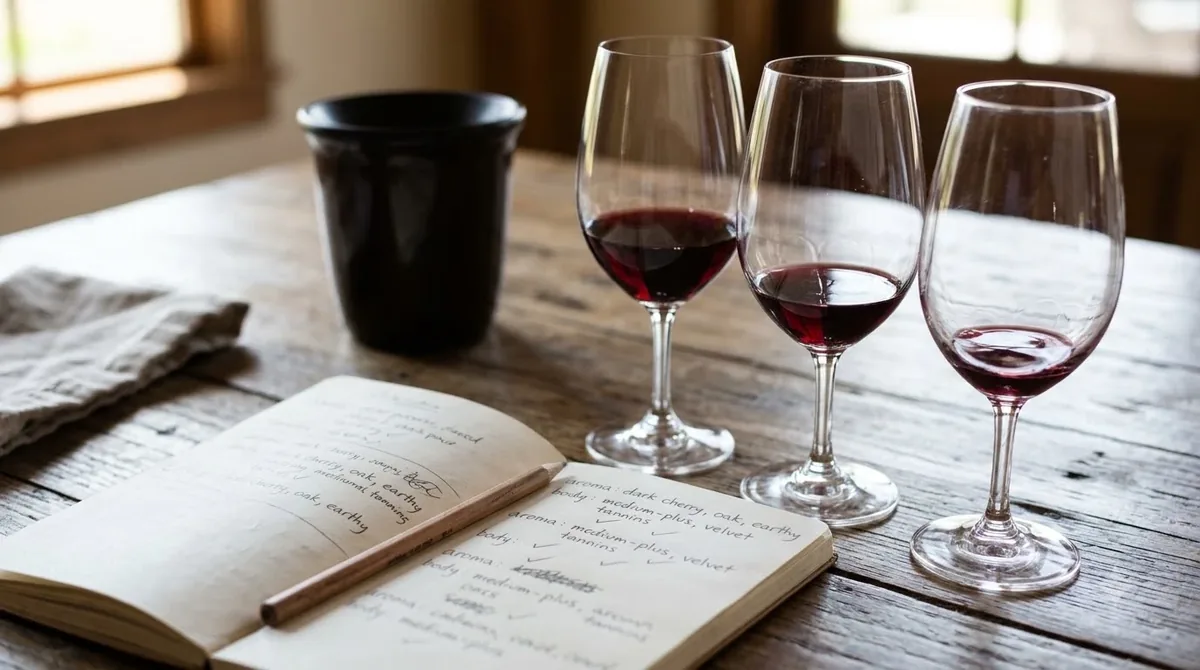
For a focused comparison, taste a Syrah beside a Cabernet-led or Merlot-led blend. Syrah is often the more aromatic, peppery choice, while a Bordeaux-style blend may draw on Cabernet Sauvignon, Merlot, Cabernet Franc, Malbec, or Petit Verdot for layers of fruit, tannin, and structure. The exact blend varies by producer. Ask which grapes make up the wine and whether it was aged in oak; those two details can explain a great deal about its shape and finish.
White wine deserves a deliberate place in the itinerary. Chardonnay is a useful counterpoint to the reds because it can show citrus and mineral freshness or a broader texture, depending on site and winemaking. Sauvignon Blanc usually brings brighter acidity, while Pinot Gris can feel rounder and more generous. Producers also list Viognier and other less common varieties, so ask about a small pour beyond the familiar grapes.
Cellar Doors for Different Tasting Experiences
Choose cellar doors by the type of visit you want: a scenic lunch, a focused red-wine tasting, a relaxed stop with friends, or a more remote coastal setting. The island has more than 20 cellar doors and tasting rooms, so it is better to select a few that suit your group than to try to visit them all.
For an Oneroa and Church Bay visit, Mudbrick and Cable Bay are natural names to compare. Mudbrick is known for its views across the Hauraki Gulf, Bordeaux blends, and Chardonnay, while Cable Bay pairs tastings with dining, art, and a hilltop outlook toward Auckland. Jurassic Ridge is another option in this area for visitors interested in small-batch Syrah and Montepulciano, but its cellar door is listed as appointment-only in the tourism overview. That makes it a stop to arrange before setting out rather than an assumed walk-in visit.
Onetangi’s wine valley groups several producers along the same general corridor. Tantalus Estate combines a cellar door with a restaurant and craft brewery, while Stonyridge is known for Cabernet-led Bordeaux blends and its Larose bottling. Te Motu offers structured red blends and The Shed, its vineyard restaurant. These three give visitors different ways to explore the island’s red-wine identity without making every stop feel like the same tasting room.
For an eastern-island excursion, Man O’ War has a coastal setting at Man O’ War Bay and is associated with Syrah, rosé, and Bordeaux-style blends. Poderi Crisci brings an Italian influence and long lunches, while Passage Rock is known for Syrah, Cabernet blends, and a garden restaurant. Treat these eastern stops as the focus of a separate route rather than adding one at the last minute. Descriptions and opening patterns can change, so use the producers’ own booking pages before choosing a date. The Waiheke Island Tourism cellar-door overview compares locations and experiences; our Waiheke Island wine trail guide offers route inspiration.
How to Plan the Route and Get Around
The simplest plan is to travel by ferry from downtown Auckland, then use a booked tour, taxi, shuttle, or local bus to connect the cellar doors. The crossing is short enough for a day trip, but the island’s winding roads and separated vineyard areas make it unwise to assume that every stop is a quick walk from the next.
Choose one cluster before you book. Oneroa and Church Bay suit Mudbrick, Cable Bay, or Jurassic Ridge; Onetangi works for Tantalus, Stonyridge, and Te Motu; an eastern route can center on Man O’ War, Poderi Crisci, or Passage Rock. Two or three cellar doors leave time for lunch and breathing room between appointments. More stops can turn the visit into a timetable exercise.
Check the ferry timetable in both directions and leave a margin for the final transfer back to the wharf. If you are traveling with a group, confirm whether the tour or transfer provider collects directly from the ferry terminal and whether the return trip is included. Public transport can work for some itineraries, but confirm the route and service frequency against the wineries you have chosen; the most remote cellar doors may require a taxi or prearranged vehicle.
Do not plan to drive after tasting. Arrange a designated driver who will not drink, use a guided wine tour, or book transport for the full itinerary. A rental car can be useful for sightseeing, beaches, and meals, but it is not a sensible way to move a group between tastings if everyone intends to sample wine. Carry water, wear comfortable shoes for vineyard paths, and keep a light layer handy because coastal breezes can make a sunny afternoon feel cooler.
Tip: Build the day around the ferry you intend to catch home, not around the last tasting you hope to squeeze in. Confirm each cellar-door booking, the transfer between stops, and your return ride before you leave Auckland.
Food Pairings and Dining on Waiheke
Food is part of the island’s wine experience, and a meal between tastings helps make a slower itinerary more comfortable. Use the wine’s structure as a guide: richer reds suit savory dishes, while high-acid whites are especially flexible with seafood, vegetables, and foods with a citrus dressing.
Try Syrah with grilled lamb, roast mushrooms, or dishes with black pepper and herbs. Its tannin and savory character can stand up to richer proteins, while salt and fat soften the drying feel of tannin. Cabernet-based blends work well with roast beef, lamb, and aged hard cheese. Merlot is generally softer, which makes it a useful match for roast chicken with mushrooms, pork, or a burger without an especially sweet sauce.
For white wines, pair Sauvignon Blanc with oysters, grilled fish, goat cheese, or a salad with lemon. Chardonnay can work with roast chicken, creamy seafood, or simply prepared shellfish, depending on how rich the wine is. Pinot Gris is versatile with pork, lightly spiced dishes, and Asian-inspired food. Very spicy chili can make high-alcohol or tannic wine seem hotter, so a fresh white or a slightly off-dry style is usually easier alongside heat.
Waiheke’s cellar doors offer different dining formats, from a restaurant meal at Tantalus or Mudbrick to relaxed pizzas and platters at some vineyard venues. Poderi Crisci is particularly associated with an Italian-style long lunch, and Passage Rock’s garden restaurant is another option for a meal built around the visit. Book lunch at the same time as the tasting if it is central to your day; a walk-in table should not be assumed on a busy weekend. Keep the tasting order in mind: begin with sparkling or lighter whites, move to fuller whites and rosé, and finish with structured reds. Bread or a simple snack between flights can reset the palate. Avoid vinegar-heavy pickles or very hot chili before comparing delicate wines, and ask staff to suggest a flight that works with your meal.
Bookings, Timing, and Tasting Etiquette
Many Waiheke cellar doors welcome visitors through much of the year, but not every tasting room operates on the same schedule. The Waiheke Winegrowers Association distinguishes year-round cellar doors from seasonal operations and venues where visitors should call ahead for a private tasting, so a current confirmation matters more than an old itinerary.
Book restaurants and guided tastings in advance, especially for weekends, public holidays, and groups. When contacting a winery, state the date, party size, preferred tasting time, whether you want a seated tasting or a meal, and whether anyone in the group needs a non-alcoholic option. Ask how long the tasting lasts and whether the cellar door accepts walk-ins if your ferry is delayed. If you are celebrating or have a particular interest in Syrah, older vintages, or white wines, mention that when you reserve so the staff can advise what is available. Arrive on time and ask questions that help you understand the wine: were the grapes grown on the island, which varieties make up a blend, what were the vintage conditions like, and is the wine intended for drinking now or cellaring? Simple words such as fresh, firm, soft, aromatic, or full-bodied give the host a clear starting point.
Use sensible serving temperatures when you revisit bottles later. Light whites and rosé are generally best around 45 to 50 degrees Fahrenheit, fuller whites around 50 to 55 degrees, light reds around 55 to 60 degrees, and full-bodied reds around 60 to 65 degrees. A red served too warm can seem more alcoholic, while a white straight from a very cold refrigerator may hide its aroma. A standard tasting pour is smaller than a full restaurant glass, so pace yourself and keep water nearby.
Ask whether the winery ships to your destination or can recommend a local retailer; policies differ by producer and country. If you carry bottles, check packaging and baggage rules before leaving the island. For a seasonal event, our Waiheke Island wine festival page offers a separate starting point.
Frequently Asked Questions
Are all wines poured at Waiheke cellar doors made from island-grown grapes?
No. The growers’ association’s producer listings include some wines sourced from other New Zealand regions, such as Marlborough Sauvignon Blanc, Gisborne Chardonnay, and Otago Pinot Noir. Ask whether a particular bottle is Waiheke-grown when regional origin matters to your tasting.
Do Waiheke vineyards have soils other than clay-rich hillsides?
Yes. The island’s soil map is varied: richer alluvial material can collect on some gully floors, and volcanic ash soils occur around Stony Batter at the eastern end. Those differences add another reason to compare wines from separate parts of the island.
Can visitors find traditional-method sparkling wine on Waiheke?
Yes. The growers’ association lists méthode traditionnelle wines among local producer offerings, including Blanc de Blancs from Batch and sparkling rosé from some wineries. Ask whether the tasting flight includes sparkling wine when you make the booking.
Are unusual grape varieties grown on Waiheke?
Yes. Producer listings include varieties beyond the best-known Syrah and Bordeaux grapes, such as Arneis, Albariño, Tempranillo, and Montepulciano. These can make a useful extra pour for visitors who already know the island’s classic reds.
What does the Waiheke Winegrowers Association do?
The association represents local growers and says membership commits producers to sustainable vineyard practices and high winemaking standards. It also runs a Certified Wine Programme, giving visitors another point of context when learning about the island’s producer community.
Waiheke rewards a focused visit: choose a small group of cellar doors, compare the island’s signature reds with at least one white, and leave enough time for food and the return ferry. With bookings and transport arranged ahead, the tasting day can feel relaxed while still giving you a clear sense of what makes the island’s wines distinctive. Confirm current tasting availability and your return ferry before setting out.
More in Wine Regions
 Willcox Wine Trail: Discover Arizona’s High-Elevation Wine CountryUpdated Nov 20, 2026
 Yakima Valley Wine Region: Find the Best Styles to TryUpdated Nov 20, 2026
 Vosne Romanee Wine Tasting: Identify Aromas and Choose Better PairingsUpdated Nov 20, 2026
 Yakima Valley Wine Festival: Find the Best Seasonal Wine EventsUpdated Nov 20, 2026
 Wales Vineyards: Discover Cool-Climate Wines and Where to VisitUpdated Nov 20, 2026
 Yountville Wine Festival: Discover Napa Wines and Local FoodUpdated Nov 20, 2026