

We may earn a commission when you buy through links on this page, at no extra cost to you. Learn more.
Vosne Romanee wine is Pinot Noir from the Vosne-Romanee village on the Cote de Nuits, the northern half of Burgundy’s famous Cote d’Or. The village is known for some of the most sought-after red wines in the world, including wines from its Grand Cru vineyards. Most bottles are Pinot Noir with a pale ruby color, bright red fruit, earthy notes, and a silky texture that makes them very food-friendly.
If you have seen “Vosne-Romanee” on a label and wondered what it means, you are not alone. Burgundy labels can be hard to read because they name a village, a vineyard, or both, and the level of quality changes a great deal from one bottle to the next. This guide explains where Vosne-Romanee sits, how its wines usually taste, how to serve them, and how to choose a bottle without overpaying for the name.
Where Vosne-Romanee Sits in Burgundy
Vosne-Romanee is a village in the Cote de Nuits, the stretch of Burgundy that runs south of Dijon and is widely regarded as the heart of the region’s red wine. The Cote de Nuits is a narrow band of east-facing slopes, and the wines made along it are some of the most structured Pinot Noirs in the world. Vosne-Romanee shares that slope with neighboring villages such as Gevrey-Chambertin and Chambolle-Musigny, which are also famous for red wine.
What sets Vosne-Romanee apart is the reputation of its best vineyards. The region includes the famous Romanee-Conti Grand Cru, which one wine guide describes as one of the world’s most famous and expensive wines. That single name drives much of the village’s fame, but it is only one part of a larger set of vineyards that range in quality and price.
How Burgundy’s Classification System Works
Burgundy uses a four-level classification that matters more than the village name alone. Grand Cru is the highest level and covers only about 2 percent of the region’s vineyards. Premier Cru is one step below and covers about 12 percent. Village wines come from one of the region’s 42 villages and make up about 36 percent of the region. Regional wines blend fruit from several villages and account for about half of production, according to VinePair’s guide to Burgundy wines.
For a Vosne-Romanee label, the level tells you how specific the vineyard is. A village-level bottle is a good introduction to the village’s style. A Premier Cru or Grand Cru bottle usually costs more because the vineyard is smaller, more famous, or both. Read the label carefully: a bottle that says “Vosne-Romanee” alone is a village wine, while a vineyard name after the village points to a more specific site.
What Vosne-Romanee Pinot Noir Tastes Like
Burgundian Pinot Noir is usually described as earthy and floral, and Vosne-Romanee wines follow that pattern. A typical profile includes ripe cherry and raspberry, with notes of forest floor, tea leaves, and sometimes clove. Oak aging adds vanilla and a little smoke, and bottle age brings out mushroom and leather notes.
The structure is light to medium-bodied, with low tannins and high acidity. Alcohol usually sits between 12 and 14 percent. That balance gives the wine a sense of lift and length, so it can feel delicate in the glass and still hold its own with food. Young Vosne-Romanee can be tight and reserved, which is why many serious drinkers wait several years before opening a top bottle.
| Element | What to expect |
|---|---|
| Color | Pale to medium ruby, due to thin skins |
| Fruit | Cherry, raspberry, and sometimes black cherry in riper vintages |
| Earth and spice | Forest floor, tea leaves, clove |
| Oak and age | Vanilla and smoke from oak; mushroom and leather with time |
| Body and acidity | Light to medium body, low tannins, high acidity |
How to Serve and Decant Vosne-Romanee
Serving temperature has a big effect on how these wines show. The Wine Folly Pinot Noir guide recommends serving Burgundian Pinot Noir at 55 to 60 degrees Fahrenheit, slightly cooler than room temperature. At that temperature the fruit stays fresh and the acidity keeps the wine lively. Serving it too warm can make the alcohol stand out and blur the aromas.
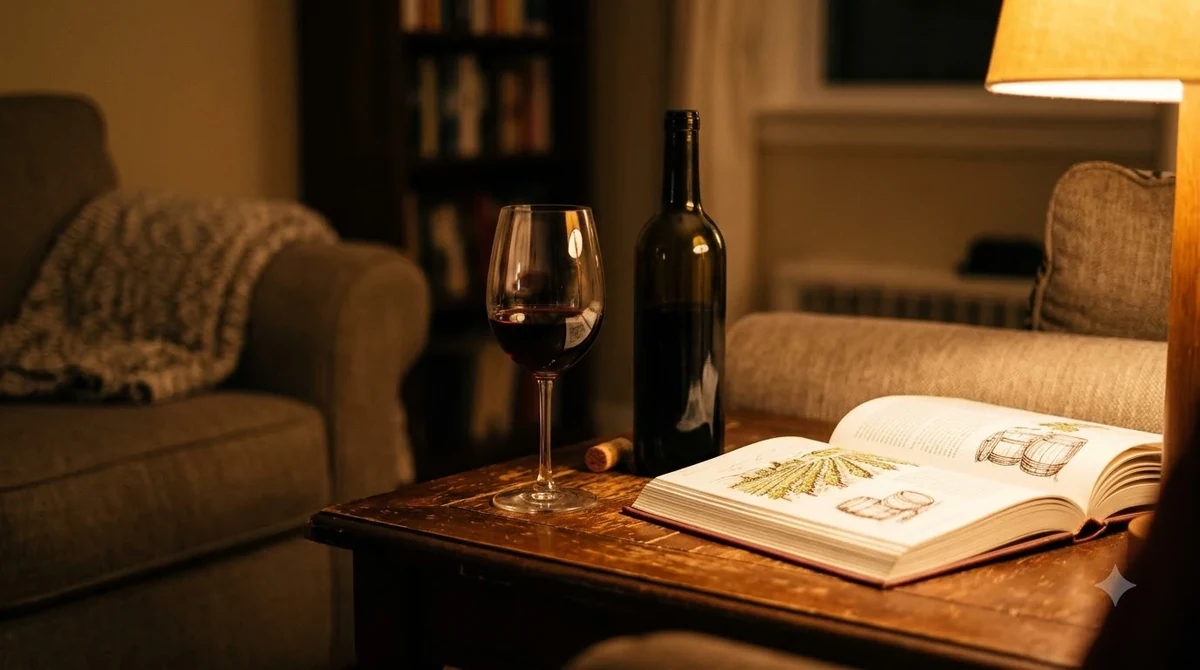
Glassware helps too. An aroma-focused glass with a wide bowl concentrates the aromas and gives the wine room to breathe. The same guide suggests decanting young wines for about 30 minutes to soften the first impression and open the fruit, though many older bottles are better poured gently and served without much air.
Tip: Pour a small amount first and let the glass sit for a few minutes. Vosne-Romanee often changes character as it warms slightly in the glass.
Food Pairings for Vosne-Romanee
Because the wines are light in body and high in acidity, they pair well with dishes that have savory depth without heavy sauces. Roast chicken, duck, and pork loin are classic choices. Mushroom dishes echo the earthy notes in the wine, and roasted vegetables with herbs keep the flavors in balance.
Cheese is a good test for the wine’s acidity. A fresh goat cheese or a mild, nutty Comte tends to show the fruit, while a funky, aged cheese can overpower a lighter village bottle. Salmon cooked simply also works well, since the wine’s acidity handles richer fish without masking it.
Richer Grand Cru bottles can handle more intensity, such as a beef tenderloin or a dish with aged cheese. Lighter village wines usually work better with simpler food so the fruit stays in front. When in doubt, match the weight of the dish to the weight of the wine rather than chasing a particular ingredient.
How to Choose a Good Bottle
Start with the producer and the vintage, not just the village name. Experienced buyers look for a reputable grower, a vintage with good weather notes, and a clear statement of where the grapes came from. Village wines are a useful way to learn the style without a large commitment, and they are often the easiest to find in good shops.
Vintage matters as well. Warm years tend to produce riper, fuller wines, while cooler years can give lighter and more tightly wound bottles. Neither style is better in general, but knowing the difference helps you match a bottle to the meal and to how long you plan to keep it.
If you want a bottle for a special meal, consider a Premier Cru from a respected producer. These often show more depth than a basic village wine, while costing less than a famous Grand Cru. Store bottles in a cool, dark place, since Pinot Noir is sensitive to heat and light over time.
Frequently Asked Questions
Is Vosne-Romanee a good wine for beginners?
It can be. Village-level Vosne-Romanee gives a clear taste of Burgundy Pinot Noir without the price of a famous vineyard. Start with a bottle from a producer you trust and serve it cool.
What grape is Vosne-Romanee made from?
Most Vosne-Romanee red wines are made from Pinot Noir. Burgundy is widely described as the birthplace of the Pinot Noir grape, and the village’s reputation rests on that variety.
Should I decant Vosne-Romanee?
Younger bottles often benefit from about 30 minutes of decanting or air. Older bottles can be fragile, so pour them gently and avoid long exposure to air.
How is Vosne-Romanee different from other Cote de Nuits wines?
Each village has its own character. Gevrey-Chambertin is often described as more sturdy and structured, while Chambolle-Musigny is usually more elegant and aromatic. Vosne-Romanee’s reputation rests mostly on its top vineyards, which is why its best bottles command such high prices.
Vosne-Romanee rewards curiosity. Learn the classification, serve the wine cool, and try a few village and Premier Cru bottles before you spend on a famous name. For more on Burgundy and its neighbors, the Wine Regions guide is a good place to continue, and the Anderson Valley wine page shows how another Pinot Noir region approaches the same grape.
More in Wine Regions
 Willcox Wine Trail: Discover Arizona’s High-Elevation Wine CountryUpdated Nov 20, 2026
 Yakima Valley Wine Region: Find the Best Styles to TryUpdated Nov 20, 2026
 Vosne Romanee Wine Tasting: Identify Aromas and Choose Better PairingsUpdated Nov 20, 2026
 Yakima Valley Wine Festival: Find the Best Seasonal Wine EventsUpdated Nov 20, 2026
 Wales Vineyards: Discover Cool-Climate Wines and Where to VisitUpdated Nov 20, 2026
 Yountville Wine Festival: Discover Napa Wines and Local FoodUpdated Nov 20, 2026