

We may earn a commission when you buy through links on this page, at no extra cost to you. Learn more.
Vintec wine fridge repair starts with identifying the appliance model, checking its power supply and ventilation, and narrowing down whether the problem involves cooling, airflow, temperature controls, or an electrical component. Some problems can be addressed through basic cleaning and operating adjustments, while compressor, refrigerant, wiring, and control-board faults require qualified service. Knowing which symptoms to document before arranging a repair helps protect stored wine and makes diagnosis more efficient.
A Vintec wine cabinet is designed to maintain controlled storage conditions rather than simply chill beverages. A cabinet that runs continuously, displays an unusual temperature, or produces repeated alarms can put a collection at risk if the problem remains unresolved. The right response depends on the symptoms, cabinet configuration, installation conditions, and appliance model. This guide explains practical troubleshooting steps, common repair categories, warranty considerations, and the information to prepare before contacting a technician.
Common Vintec Wine Fridge Problems and Their Symptoms
Most wine cabinet problems become easier to diagnose when the symptom is separated from its possible cause. A warm cabinet, excessive vibration, condensation, and an unexplained alarm point toward different areas of the appliance, so identifying the pattern is the first step.
Cabinet runs but does not cool. A wine fridge may receive electrical power and illuminate its display while failing to maintain the selected temperature. Possible explanations include restricted ventilation, an unsuitable room environment, a door that does not close properly, a cooling-system fault, or a defective temperature sensor. A running display does not establish that the refrigeration system is working correctly.
Temperature fluctuates. Small changes can occur during normal operation, especially after the door has been opened or a large quantity of bottles has been added. Persistent or unusually large variations deserve attention. A faulty sensor, poor airflow, excessive heat around the cabinet, or an incorrectly configured temperature zone may be responsible.
Unusual noise or vibration. A gentle operating sound is not necessarily a problem. However, repeated rattling, scraping, clicking, or unusually loud humming can indicate loose contact with surrounding cabinetry, a fan obstruction, an uneven installation, or a mechanical issue. The location and timing of the sound provide useful diagnostic information.
Water or condensation. Moisture on the glass, door frame, or cabinet interior can result from humidity, frequent door openings, a compromised seal, or a drainage issue on models equipped with a drainage system. Persistent pooling or water reaching electrical components requires professional attention.
Repeated alarms. A temperature warning may indicate that the cabinet has moved outside its intended operating range. A door warning can suggest an obstruction or an improperly closed door. Electronic error messages may identify a sensor or control problem, but their meaning depends on the particular Vintec model.
It is useful to record whether a problem started suddenly or developed gradually. For example, a cabinet that cooled normally until a recent kitchen renovation may have an installation or ventilation problem. A cabinet that gradually loses cooling performance over several weeks may need a more detailed refrigeration-system inspection.
Safe Troubleshooting Before Arranging a Repair
Basic checks can identify several installation and operating problems without opening the appliance. Start with the least invasive checks and stop if the cabinet shows signs of electrical damage, overheating, or a serious mechanical fault.
Check the electrical supply
Confirm that the cabinet is connected to a functioning outlet and that the power cord is not visibly damaged. If the display is completely blank, check whether the outlet supplies power using an appropriate, safe method. A tripped circuit breaker or an interrupted supply may explain why the cabinet has stopped operating.
Do not repeatedly reset a breaker that trips again. This can indicate an electrical fault requiring professional diagnosis. Avoid extension cords, improvised adapters, and modifications to the electrical connection. The appliance should receive power according to the installation instructions supplied for its specific model.
Inspect the door and gasket
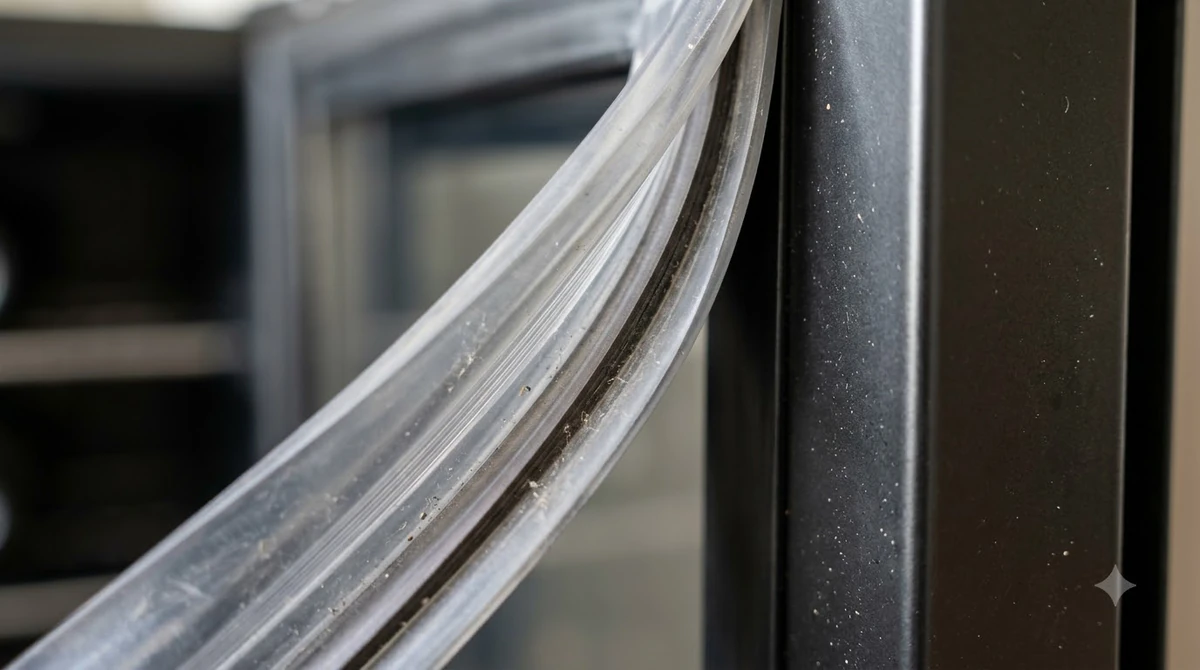
Check whether bottles, shelves, or other objects prevent the door from closing completely. Look around the perimeter of the gasket for visible dirt, cracks, deformation, or sections that no longer sit evenly against the cabinet.
Clean accessible gasket surfaces with a soft cloth and an appropriate mild cleaning solution. Avoid abrasive brushes and harsh chemicals that could damage the sealing material. A poor seal allows warmer room air to enter, increasing the workload on the cooling system.
Review ventilation and placement
Wine cabinets need suitable airflow around their ventilation openings. An undercounter appliance and a freestanding cabinet may have different clearance requirements, so their installation instructions should not be treated as interchangeable.
Look for blocked air openings, accumulated dust, nearby heat-producing appliances, and cabinetry that restricts airflow. Do not move a built-in cabinet or remove protective panels simply to gain access to internal components. Installation clearances must follow the model-specific instructions.
Allow the temperature to stabilize
After changing a setting or restoring power, avoid repeatedly adjusting the controls. The interior temperature does not immediately match the display setting. Record the selected temperature and compare it with a separate suitable thermometer placed inside the cabinet.
A cabinet that has recently been loaded with numerous room-temperature bottles may need time to recover. Repeatedly opening the door during this period introduces additional warm air and makes it harder to assess performance.
Tip: Record the displayed temperature, the actual measured interior temperature, the selected setting, and the time of each observation. Two or three readings taken over several hours provide more useful diagnostic information than a single temperature reading.
Cooling System, Fan, and Temperature Sensor Faults
When basic checks do not restore stable cooling, the fault may involve the refrigeration system or electronic controls. These components require different diagnostic procedures, and replacing parts based on symptoms alone can lead to unnecessary repairs.
Compressor and refrigeration problems
On compressor-based models, the compressor is part of the system that circulates refrigerant and removes heat from the cabinet. A defective compressor, starting component, electrical connection, or sealed-system component can prevent proper cooling.
Common warning signs include a cabinet that remains warm despite continuous operation, repeated unsuccessful starting sounds, or a compressor that does not behave as expected. However, these symptoms do not establish that the compressor itself has failed. A technician needs to distinguish between a compressor problem, a control issue, a starting-component fault, and other refrigeration-system conditions.
Refrigerant leaks and sealed-system repairs are not suitable DIY projects. The refrigerant circuit must be assessed and serviced using appropriate equipment and procedures. Do not puncture refrigerant tubing, attempt to recharge the system, or remove sealed components.
Fan and airflow problems
Depending on the cabinet design, internal or external fans may help circulate air or remove heat from the cooling system. A fan that is obstructed, worn, or electrically defective can reduce cooling performance.
Listen for changes in operating sounds and observe whether the cabinet’s temperature becomes uneven. A persistent difference between areas of the cabinet may indicate an airflow issue, although temperature-zone design and normal operating behavior must also be considered.
Dust around accessible ventilation areas can be removed carefully with the appliance disconnected when the user manual permits this maintenance. Internal fan replacement, wiring inspection, and access to protected mechanical components should be left to a qualified technician.
Temperature sensor and thermostat problems
The temperature sensor provides information that the control system uses to regulate cabinet operation. If its reading is inaccurate or its electrical connection is faulty, the cabinet may cool too much, too little, or inconsistently.
For example, a display showing a temperature that differs substantially from a separate thermometer over repeated measurements may justify sensor testing. However, the difference could also result from thermometer placement, temporary recovery after door opening, or the way the cabinet distributes air.
Thermostat and sensor replacements must match the exact appliance configuration. A component that appears physically similar may have different electrical specifications or connections. The technician should identify the correct replacement using the appliance’s model and parts information.
Electronic control board issues
The control board coordinates functions such as temperature regulation, fan operation, alarms, and display communication. A control problem can produce several symptoms at once, including inconsistent cooling, unexpected alarms, or controls that do not respond normally.
Before a board is replaced, the technician should investigate the power supply, wiring connections, sensors, and associated components. Replacing an electronic board without identifying the underlying cause may fail to resolve the original problem.
Temperature Alarms, Error Codes, and Display Problems
A warning or error message should be treated as diagnostic information rather than a reason to immediately replace a component. Vintec directs owners to the model-specific user manual for error-code explanations and recommends contacting customer care when further interpretation is needed.
Start by recording the exact message, including letters, numbers, symbols, and any flashing indicators. Different models can use different electronic systems, so a code from one cabinet should not automatically be interpreted using instructions written for another.
Next, record the circumstances surrounding the warning. Did it appear after a power interruption, a temperature adjustment, an extended door opening, or a period of unusually warm room conditions? This information can help distinguish an operating condition from a developing fault.
A temperature alarm may occur because the cabinet is still recovering from loading bottles or because the door has been left open. If the cabinet otherwise appears normal, check the door, ventilation, and temperature readings before assuming that a component has failed.
Persistent warnings are different. If the same message returns after normal operating conditions have been restored, professional diagnosis may be necessary. An error involving a sensor, fan, or electronic circuit should be investigated according to the model’s technical documentation.
What to record before resetting the cabinet
Write down the displayed message before attempting any permitted restart procedure. Also record the selected temperature, current cabinet temperature, and whether the appliance continues to cool.
If the user manual describes a power-reset procedure, follow those instructions exactly. Avoid repeated power cycling as a substitute for diagnosis. If the warning returns, provide the recorded information to the service technician rather than repeatedly clearing the message.
Display problems also deserve attention. A dark screen with an otherwise operating cabinet may suggest a display or control issue, while a completely inactive cabinet may have a power-supply problem. These possibilities cannot be reliably distinguished without checking the model-specific electrical design.
Repair Costs, Replacement Parts, and Technician Selection
The appropriate repair depends on which component has failed, whether the appliance remains under warranty, and how accessible the affected component is. A cleaning or installation correction is very different from a sealed-system repair or an electronic control replacement.
Common service categories include door-gasket replacement, fan inspection, sensor replacement, control-board diagnosis, electrical repairs, and refrigeration-system work. The actual parts and labor requirements vary by model, cabinet size, age, and installation arrangement.
| Problem category | Typical diagnostic focus | Recommended response |
|---|---|---|
| Power interruption | Outlet, supply, breaker | Safe external checks |
| Door leakage | Gasket, alignment, obstruction | Cleaning and inspection |
| Restricted airflow | Clearance, ventilation, dust | Installation correction |
| Fan malfunction | Motor, obstruction, wiring | Technician diagnosis |
| Temperature sensor fault | Sensor reading, connection | Model-specific testing |
| Control-board fault | Electronic signals, connections | Qualified electrical service |
| Refrigeration failure | Compressor, starting components, sealed system | Specialist refrigeration repair |
This table identifies diagnostic categories rather than guaranteed causes. For example, poor cooling can result from restricted ventilation or a failed refrigeration component. The technician should establish the cause before recommending replacement parts.
How to select a repair technician
Look for a technician experienced with wine cabinets and the relevant refrigeration system. A general refrigerator technician may understand the basic cooling principles but still need model-specific documentation or parts information to work on a particular Vintec appliance.
Ask whether the technician can identify the correct parts from the model number and PNC, whether the proposed work includes testing after installation, and whether replacement components carry an applicable parts warranty.
Vintec’s Australian support information identifies factory technicians and Vintec-approved technicians as service options. Its support portal also provides online service booking. The appropriate service route depends on the country where the cabinet was purchased and the availability of local authorized support. Owners can consult Vintec’s official support and service page for regional assistance, manuals, and service information.
Before accepting a repair proposal, request an explanation of the diagnosed fault and the work required. If the technician recommends replacing a major component, ask what tests support that conclusion and whether other components could be responsible for the same symptoms.
For owners comparing other storage-appliance service resources, the articles on allavino wine fridge repair and zephyr wine fridge repair provide additional brand-specific troubleshooting context.
Warranty, Model Numbers, and Preparing for Service
Warranty coverage should be reviewed before arranging paid work or purchasing replacement components. Vintec’s published warranty information for Australia and New Zealand contains specific coverage conditions, exclusions, and documentation requirements that should not be assumed to apply to appliances sold in other countries.
The published Australian and New Zealand warranty specifies a 24-month period from the original purchase date. It also requires proof of purchase when submitting a claim. Coverage depends on the applicable warranty terms, the nature of the fault, and the circumstances surrounding the appliance’s installation and use.
Among the listed exclusions are damage associated with misuse, improper installation, inadequate maintenance, and repair work performed by someone other than an authorized repairer. This makes it particularly important to contact the appropriate support provider before undertaking invasive repairs on a cabinet that may still be covered. The Vintec Australian warranty information explains the applicable conditions and exclusions for that market.
Locate the identification plate
Vintec identifies three important pieces of information on its appliance identification plate:
- Model number: Identifies the appliance and helps locate the correct user manual and service information.
- Product Number Code (PNC): Helps identify the correct replacement parts.
- Serial number: Provides the appliance’s individual identification.
The location of the plate varies with appliance type. Vintec provides separate identification guidance for underbench wine cellars and larger wine cabinets. Consult the official support page for the appropriate location rather than assuming every model has its plate in the same place.
Do not remove or damage the identification plate. Photographing it can make the information easier to provide when arranging service, especially when the cabinet is installed in a tight kitchen enclosure.
Prepare a service record
A short written record helps the service provider understand the problem before arriving. Include the following information:
- Full model number, PNC, and serial number.
- Original purchase date and available proof of purchase.
- Current display temperature and selected temperature.
- Exact error codes or alarm messages.
- Whether the cabinet runs continuously, stops intermittently, or fails to start.
- Unusual sounds, visible moisture, or changes in door sealing.
- Any recent power interruptions, installation changes, or movement of the appliance.
Photos and short recordings can also help communicate intermittent symptoms. For example, a recording of a repeated clicking sound or a photograph of an error display may be useful when the issue does not occur continuously.
For broader appliance maintenance information, the marvel wine fridge repair resource and the site’s Brand Troubleshooting section offer additional storage-care reading.
Protecting Your Wine While the Cabinet Is Repaired
Wine protection should be part of the repair plan, particularly if the cabinet has stopped cooling or cannot maintain a stable temperature. The objective is to avoid unnecessary temperature fluctuations while the appliance is inspected and repaired.
If the cabinet is only slightly outside its intended temperature range, first determine whether the reading is temporary or persistent. A door opened for loading, a recent power interruption, or a warm batch of bottles can temporarily affect the interior. If cooling has stopped completely, do not leave a valuable collection in an increasingly warm cabinet while waiting for an extended service appointment.
Move bottles to another suitable storage location if the temperature cannot be maintained. Keep them away from direct sunlight, ovens, heating vents, and other heat sources. Avoid repeatedly transferring bottles between warm and cold locations because unnecessary temperature changes do not improve storage conditions.
For longer-term storage, a stable environment near 55 degrees Fahrenheit is a commonly used target. Store bottles on their sides when appropriate for the closure and bottle design, and keep them away from strong light and vibration. A properly functioning replacement wine cabinet should maintain the conditions specified by its manufacturer.
Choose the right temporary storage arrangement
If another functioning wine cabinet is available, transfer bottles in manageable batches and avoid overloading it beyond its intended capacity. A cabinet designed for one temperature zone may not provide the same flexibility as a dual-zone model, so arrange bottles according to the actual operating range.
For short-term storage, a cool, dark interior location with relatively stable conditions may be preferable to a warm kitchen counter or a garage exposed to daily temperature swings. The goal is stability rather than repeatedly trying to bring the wine to serving temperature.
Remember that storage temperature and serving temperature are different. For example, light red wines are commonly served around 55 to 60 degrees Fahrenheit, while full-bodied reds are often served around 60 to 65 degrees Fahrenheit. White wines and sparkling wines generally require cooler serving temperatures. Those serving ranges should not be used as a reason to store a long-term collection at constantly changing temperatures.
After the repair, monitor the cabinet’s performance before returning an entire collection. Allow the appliance to stabilize, compare the displayed reading with an independent thermometer, and confirm that the temperature remains consistent over time. Check that the door closes correctly and that the ventilation openings remain unobstructed.
Frequently Asked Questions
Where is the model number on a Vintec wine fridge?
The model number is printed on the appliance identification plate. Vintec provides different plate-location illustrations for underbench and large wine cabinets. The plate also identifies the PNC and serial number, which serve different identification purposes.
Does Vintec manufacture single-zone and dual-zone wine fridges?
Yes. Vintec’s US product range includes both configurations. Its published range includes a 44-bottle dual-zone cabinet and a 41-bottle single-zone cabinet, illustrating why model identification matters before ordering replacement components.
Can a Vintec wine fridge be repaired after a power surge?
It may be repairable, depending on the affected components. Electrical damage can involve the power supply, control electronics, or other circuits. Vintec’s published Australian and New Zealand warranty terms identify power surges and electrical storm damage among the exclusions, so owners should establish the applicable coverage before authorizing work.
Can a Vintec wine cabinet accommodate Champagne bottles?
Some Vintec cabinets use Perfect Cradle shelving designed to accommodate different bottle shapes, including Champagne bottles. The available space still depends on the specific model and shelf arrangement. A cabinet’s stated capacity is based on particular bottle dimensions and may differ when larger-format or unusually shaped bottles are stored.
Does Vintec provide different service telephone numbers in the United States and Australia?
Yes. Vintec’s US website lists 800 325 1371, while its Australian support website lists 1800 666 778. Owners should use the contact details for their purchase region rather than assuming international service numbers or warranty arrangements are interchangeable.
Successful Vintec wine fridge repair begins with accurate model identification, careful symptom recording, and basic checks of the cabinet’s power, door, and ventilation. Problems involving sensors, control boards, fans, compressors, or sealed refrigeration systems should be assessed by appropriately qualified technicians. Once service is complete, allow the cabinet to stabilize and verify its temperature before returning valuable bottles to long-term storage.
More in Storage & Fridge Care
 How Long Can You Store Wine in a Wine Fridge? Protect Bottle QualityUpdated Nov 20, 2026
 Can You Store Beer in a Wine Fridge? Keep Both Drinks FreshUpdated Nov 20, 2026
 Is It Worth Repairing a Wine Fridge? Spot the Cheap Fixes Before You ReplaceUpdated Nov 20, 2026
 Wine Fridge Condensation: Identify Causes and Fix Moisture ProblemsUpdated Nov 20, 2026
 Wine Fridge Too Cold: Protect Your Wine and Fix the TemperatureUpdated Nov 20, 2026
 How to Reset Wine Fridge: Restore Cooling and SettingsUpdated Nov 20, 2026