

We may earn a commission when you buy through links on this page, at no extra cost to you. Learn more.
villany wine is the red-led style of Hungary’s southern Villány district, best known for Cabernet Franc, Merlot, Cabernet Sauvignon, and ripe, full-bodied blends. Its warm, sunny growing season helps late-ripening grapes reach maturity, while limestone, dolomite, and loess soils shape a varied range of vineyard expressions. Start with a Villányi Franc if you want the region’s flagship Cabernet Franc, or choose Portugieser for a fresher, more approachable local red.
On Hungary’s southern edge, close to the Croatian border, Villány offers a distinctive alternative to the country’s better-known sweet wines from Tokaj. The region is compact enough for cellar visits, but its wines cover several styles, from easygoing Portugieser to structured Cabernet Franc intended for bottle age. Understanding its geography, grapes, and label categories makes it easier to choose the right bottle and plan a rewarding visit.
Where Villány Sits in Southern Hungary
Villány is Hungary’s southernmost wine district, set in Baranya County near the Croatian border and within the broader Pannon wine region. The Villány PDO follows roughly 25 kilometers of south-facing slopes along the Villány Hills, with vineyards clustered around the towns and villages of Villány and Siklós. This is a red-wine stronghold rather than a broad, equal mix of white and red production: Hungary’s wine-region organization describes Villány as a warm southern district closely associated with full-flavored reds.
The appellation is divided into two main districts. The Villány district covers the town of Villány and four neighboring villages, while the Siklós district extends across twelve settlements. The highest point in the hills is Szársomlyó, which reaches 444 meters above sea level. These landmarks matter because slope, aspect, and elevation influence how much sun a vineyard receives and how quickly grapes ripen. A south-facing parcel can accumulate more warmth than a cooler, less exposed site, even when the vineyards are only a short distance apart.
The area contains about 2,476 hectares of planted vineyards, according to Taste Hungary’s regional overview. That footprint is large enough to include notable named sites, including Kopár, Jammerthal, Csillagvölgy, Remete, and Ördögárok, yet compact enough that the principal cellar area is easy to explore. For a broader regional comparison, the Hungarian Wine region atlas places Villány among Hungary’s 22 wine districts and identifies it as a red-focused part of Pannon. Its concise regional profile is a useful starting point before comparing it with other Wine Regions.
Warm Growing Conditions and Varied Soils
Villány’s warm, sub-Mediterranean conditions shape its ripe reds: the district is often described as the warmest wine area west of the Danube, with mild winters, early spring, and a long season for late-ripening Cabernet Sauvignon. The hills also shelter vineyards from northern cold air, creating differences between slope positions and exposures.
Warmth does not mean every vineyard produces the same wine. The region’s geology includes limestone and dolomite bedrock, while weathered loess, clay-loess, and brown forest soils occur across the slopes. Some lower areas contain red clay; higher sites can have heavier, more water-retentive soils. Bare limestone and dolomite outcrops are not suitable for planting, so the vineyard map is shaped by both geology and usable soil depth. These changes help explain why growers pay attention to individual sites rather than treating the whole appellation as one uniform block.
Sunny, relatively dry conditions support healthy ripening, but they do not remove vintage challenges. Taste Hungary notes a meaningful risk of hailstorms, which can damage fruit and reduce yields even in a warm season. A grower’s decisions about canopy cover, harvest timing, and extraction therefore remain important. The climate provides the opportunity for ripe, concentrated fruit; vineyard work and cellar choices determine whether that fruit becomes a powerful, oak-influenced red or a more supple, fruit-forward wine.
For visitors, this combination of warm slopes and varied soils gives the region a clear identity without making every bottle taste alike. A wine from a sun-exposed site may emphasize dark fruit and a broad, warm texture, while a cooler location or a less extractive approach can preserve more freshness. When comparing two Cabernet Francs, look beyond the grape name and consider the producer, vineyard name, alcohol level, and stated aging category together.
Cabernet Franc, Portugieser, and Other Local Grapes
Cabernet Franc anchors Villány’s modern identity: local producers have made it the flagship variety, and its signature expression is called Villányi Franc. In the warm growing season, it can show fuller ripeness, dark berry fruit, plum, herbs, and savory spice, with oak adding cedar, toast, and roundness according to producer choices.
Cabernet Sauvignon and Merlot are also important, both as single-variety wines and in blends. Cabernet Sauvignon benefits from the long ripening season, while Merlot can contribute a softer, plumper texture alongside Cabernet Franc’s firmer structure. These Bordeaux varieties give Villány a recognizable language for drinkers familiar with red blends from Bordeaux, California, or other warm-climate regions, but the southern Hungarian setting gives the wines their own character.
Portugieser offers a contrasting route into the district. It is a historically important local grape and remains a Villány specialty in Hungary. Wines made from it are generally more youthful and approachable than the region’s ambitious Cabernet Franc bottlings. A community style called RedY is based on Portugieser and may include other permitted local varieties such as Kékfrankos. That grape, also known as Blaufränkisch in other parts of Central Europe, is increasingly planted in Villány and can bring juicy acidity, dark berry fruit, and a livelier line through the finish.
Other grapes broaden the picture. Kadarka is part of the local red-variety mix, while Syrah, Pinot Noir, and Zweigelt also appear among the permitted or planted varieties. White wine is less central, but the cooler Siklós district can support Olaszrizling, and Hárslevelű can become rich in the warmer conditions. Chardonnay, Sauvignon Blanc, and several aromatic whites are also grown. For readers who want a structured introduction to the local cellar scene, a planned Villány wine tasting can put Cabernet Franc, Portugieser, and Kékfrankos side by side.
Villányi Franc and the Appellation’s Aging Categories
Villány’s origin-protected wines fall into three levels—Classic, Premium, and Super Premium—and the upper tiers set minimum aging rules. Those distinctions are especially useful when choosing Cabernet Franc, since the region’s signature wines may be released after time in barrel and bottle.
According to the category requirements summarized by Taste Hungary, Premium wines must spend at least one year in oak. There is a shorter six-month oak minimum for Kadarka and Portugieser in that tier. Super Premium wines have a stricter rule: they must be made exclusively from Cabernet Franc and aged for at least two years, including at least one year in oak. These are minimums, not a promise that every producer will choose the same barrel size, toast, or maturation style.
| Category | Grape requirement | Minimum oak aging | Minimum total aging |
|---|---|---|---|
| Classic | Category-specific rules apply | No minimum stated in the cited overview | No minimum stated in the cited overview |
| Premium | Permitted varieties; Kadarka and Portugieser have a shorter oak rule | 12 months; 6 months for Kadarka or Portugieser | Not specified in the cited overview |
| Super Premium | 100% Cabernet Franc | At least 12 months | At least 24 months |
The table summarizes the stated minimums, not a universal recipe for flavor. A year in oak can mean different things depending on whether the barrels are new or used, small or large, and how strongly the wine was extracted before aging. For instance, a Cabernet Franc aged in older oak may show more fruit and less overt toast than one matured in a high proportion of new barrels. The Super Premium label tells you that the wine meets a more demanding grape and aging framework; it does not mean every bottle will taste identical.
Use the category as a guide, then compare producers and vintages. A Classic red may be the better match for a casual meal, while a Super Premium Villányi Franc could suit a richer dinner or a cellar collection. The producer’s notes and the wine’s actual structure remain more useful than assuming that the highest tier is always the best choice for every occasion.
How to Choose, Taste, and Serve a Bottle
Start by matching the style to the occasion. Choose Portugieser or a fruit-forward Kékfrankos when you want a red that can be enjoyed without a long decant. Choose Merlot or a softer blend for a middle ground, and look to Cabernet Franc or Cabernet Sauvignon for firmer tannin, darker fruit, and more weight. If the label names a vineyard such as Kopár or Ördögárok, treat that as a useful site clue, then compare the producer’s approach rather than expecting the place name alone to tell you exactly how the wine will taste.
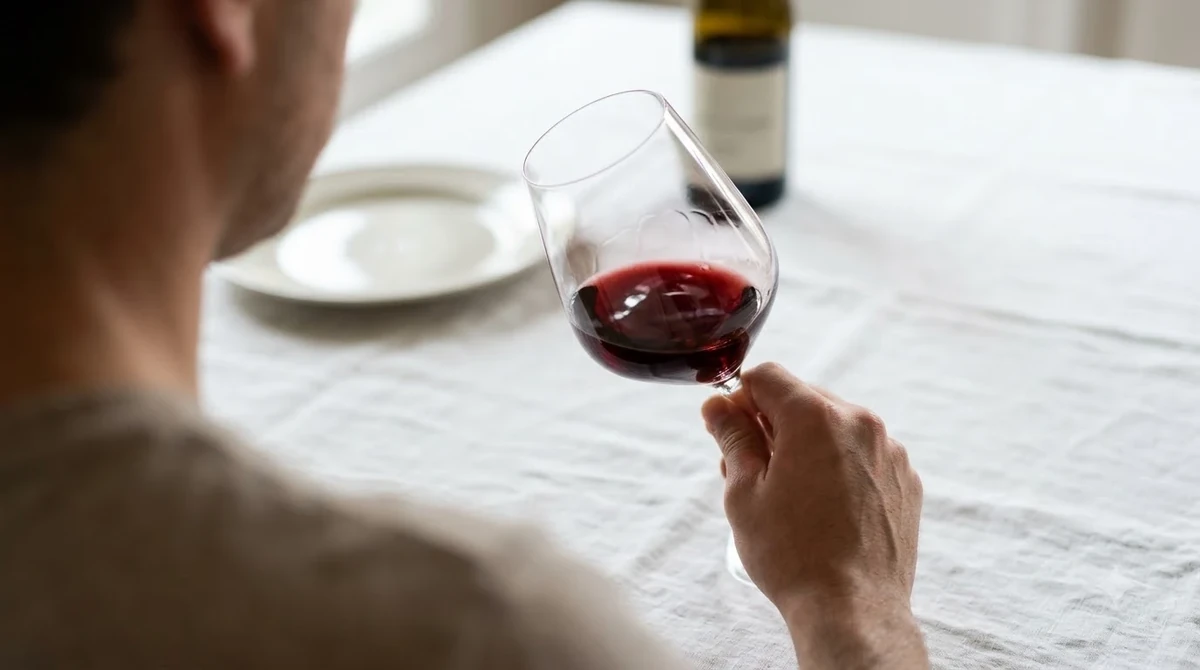
In a tasting flight, move from lighter to more structured wines. Begin with Portugieser, continue with Kékfrankos or Merlot, and finish with Cabernet Franc, Cabernet Sauvignon, or a powerful blend. Taste for fruit first, then acidity, tannin, alcohol warmth, oak, and the length of the finish. Cabernet Franc often combines blackcurrant or blackberry with herbal and peppery notes; Cabernet Sauvignon tends to feel more tannic, while Merlot is usually softer. These are broad tendencies, not fixed tasting notes for every bottle.
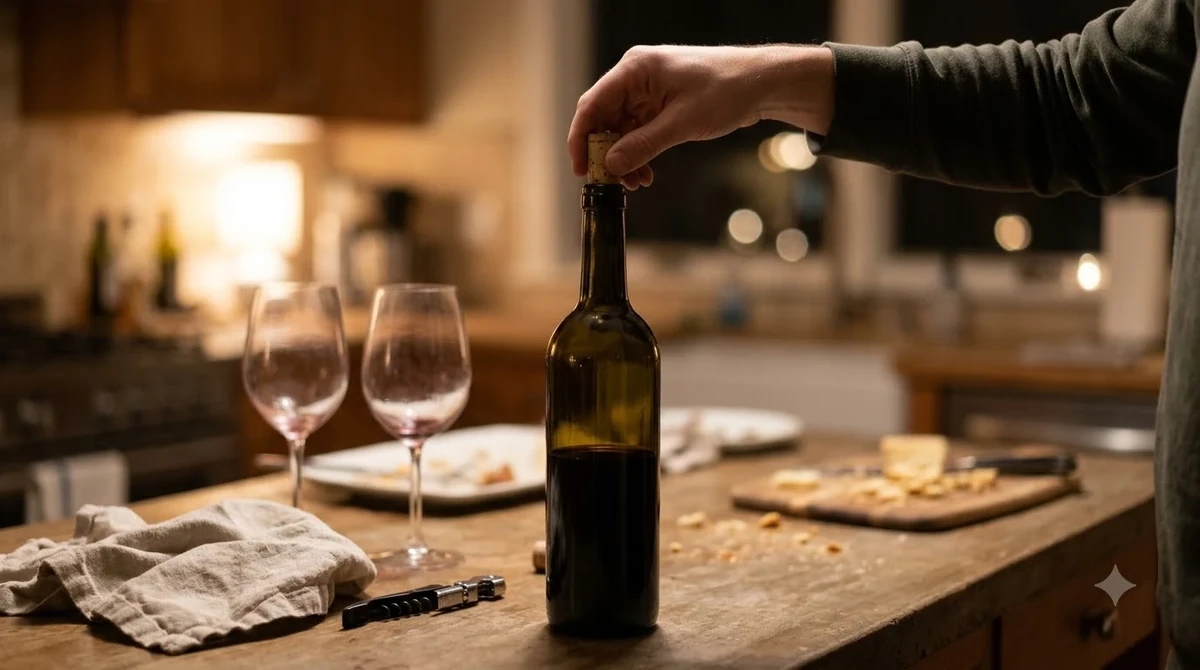
Serve lighter reds slightly cool, around 55–60°F, and fuller reds around 60–65°F. A young, full-bodied Cabernet Franc or Cabernet Sauvignon may benefit from 30–60 minutes in a decanter to let the aromas open and soften the initial impression of structure. Avoid serving a powerful red too warm: excess warmth can make alcohol feel more prominent and the wine seem heavier than it is. A modest 5-ounce pour gives the wine room to move in the glass and makes it easier to compare several wines during a flight. Keep an opened bottle in the refrigerator; most still wines hold well for about 3–5 days, depending on style, storage, and air exposure. For a visit, plan around a Villány wine festival or a cellar appointment, choosing a few styles to compare rather than trying to sample every producer in one sitting.
Tip: If you are opening a young, structured Villányi Franc, stand the bottle upright before opening, decant it for 30–60 minutes, and serve it near 60–65°F. Taste a small pour before deciding whether it needs more air.
Food Pairings for Villány’s Rich Reds
Villány’s fuller reds work particularly well with dishes that bring protein, fat, browning, or savory depth to the plate. Cabernet Franc, Cabernet Sauvignon, and structured blends can pair with grilled beef, roast lamb, venison, pork shoulder, and slow-cooked stews. Fat and protein soften the perception of tannin, while the browned edges on grilled or roasted meat echo the savory and toasted notes that can appear in barrel-aged wines.
Hungarian dishes are natural partners. Beef goulash, paprika-seasoned beef stew, grilled sausages, and roasted pork give the region’s reds a familiar culinary setting. For a younger Portugieser, try roast chicken with paprika, mushroom dishes, or a charcuterie board with mild cured meats. Kékfrankos can work well with grilled pork or duck because its fruit and acidity offer lift without requiring the weight of a heavily tannic Cabernet.
Cheese can be a good match, especially aged or hard varieties with enough savory intensity to stand up to a structured red. Salt and fat soften tannin, so a firm sheep’s-milk cheese or aged cow’s-milk cheese can make Cabernet Franc feel less grippy. Avoid pairing a dry, tannic red with pronounced chili heat because alcohol and tannin can amplify the burning sensation; choose a softer wine or a white with enough fruit and acidity instead. Not every Villány wine needs red meat: lighter Portugieser can accompany vegetable stews, roasted peppers, grilled eggplant, and lentils, while fresher Kékfrankos may suit tomato-based dishes. Oily fish is usually a poor partner for tannic reds, which can taste harsh or metallic beside it, so choose a white or low-tannin red. The best pairing balances the dish’s weight, seasoning, acidity, and texture.
Frequently Asked Questions
These quick answers cover Villány’s Roman-era clues, the local nickname Ördögkatlan, the origins of Portugieser, and practical details about cellar visits and the Siklós district.
Does Villány have a history of wine production dating to Roman times?
Yes. Remains of an altar at a Roman villa near Nagyharsány are evidence of vineyard activity in the area under Roman rule. Taste Hungary also notes indications of sporadic viticulture dating as far back as the Neolithic period, although the Roman-era evidence is more concrete.
Why is the area around Villány called Ördögkatlan?
Ördögkatlan translates as “Devil’s Punchbowl.” The nickname refers to the area’s intense summer heat, which is part of the local identity and one reason the long season can suit late-ripening grapes.
Can visitors explore Villány’s cellars without driving between every stop?
In the town of Villány, many wineries and cellars are close together along the main road and cellar row. Taste Hungary notes that visitors can reach them on foot or by bicycle, making a planned tasting route practical without a car between each stop.
Who brought Portugieser to Villány?
German settlers introduced the grape to the area in the 18th century, according to Taste Hungary’s account of local wine history. It became a defining regional variety and remains strongly associated with Villány.
Which part of Villány was historically known for Olaszrizling?
The Siklós part of the appellation was famed for Olaszrizling in earlier centuries. The grape is still associated with the somewhat cooler conditions there, even though Villány’s present-day reputation is much more firmly centered on red wines.
Villány is a compelling region to explore because it combines a warm southern setting with a focused red-wine identity and meaningful differences between grapes, sites, and aging levels. Start with Portugieser for approachability and Villányi Franc for the district’s signature Cabernet Franc expression, then compare producers to find the style that suits your table.
More in Wine Regions
 Willcox Wine Trail: Discover Arizona’s High-Elevation Wine CountryUpdated Nov 20, 2026
 Yakima Valley Wine Region: Find the Best Styles to TryUpdated Nov 20, 2026
 Vosne Romanee Wine Tasting: Identify Aromas and Choose Better PairingsUpdated Nov 20, 2026
 Yakima Valley Wine Festival: Find the Best Seasonal Wine EventsUpdated Nov 20, 2026
 Wales Vineyards: Discover Cool-Climate Wines and Where to VisitUpdated Nov 20, 2026
 Yountville Wine Festival: Discover Napa Wines and Local FoodUpdated Nov 20, 2026