

We may earn a commission when you buy through links on this page, at no extra cost to you. Learn more.
The Viking beverage cooler is a premium undercounter refrigerator designed to store wine, canned drinks, and bottled beverages in one adjustable, temperature-controlled space. The FBUI5242G 5 Series model offers 5.5 cubic feet of capacity, room for up to 162 standard cans or 18 wine bottles, and an adjustable temperature range of 33°F to 70°F. Its convertible shelving and integrated appearance make it particularly attractive for custom kitchens and home bars, although its installation requirements and premium positioning deserve careful consideration before buying.
A dedicated beverage refrigerator can make a home bar considerably more practical, particularly when the main kitchen refrigerator is already crowded with groceries and everyday essentials. Viking approaches this category with appliances designed to complement built-in kitchen cabinetry rather than function as basic standalone drink coolers. The FBUI5242G is a useful example because it combines substantial beverage capacity with wine storage, flexible shelving, and electronic temperature controls. This review examines its specifications, practical strengths, limitations, and the buyers most likely to appreciate its design.
Specs and Key Features
The Viking FBUI5242G is a 24-inch 5 Series beverage center built around flexible storage and temperature control. Its combination of a glass door, convertible shelving, and 5.5 cubic feet of interior capacity makes it suitable for households that regularly store several types of drinks.
The most important distinction is that this is a beverage center rather than a dedicated wine cellar. It can accommodate wine bottles, sparkling water, soda, beer, and other refrigerated drinks, but its interior configuration is intended to change according to what needs cooling. That flexibility is useful for entertaining, particularly when a household wants chilled refreshments available without assigning an entire refrigerator shelf to drinks.
Viking specifies two 3-in-1 split convertible shelves that can become wine racks. The cantilevered shelving system provides 11 height positions, allowing the interior to accommodate different bottle shapes and beverage containers. Each shelf has a stated maximum load capacity of 35 pounds, giving buyers a practical reference when planning their storage arrangement.
| Specification | Viking FBUI5242G |
|---|---|
| Product series | 5 Series |
| Appliance type | Undercounter beverage center |
| Nominal width category | 24 inches |
| Capacity | 5.5 cubic feet |
| Can capacity | Up to 162 standard 12-ounce cans |
| Wine capacity | Up to 18 bottles |
| Temperature range | 33°F–70°F |
| Convertible shelves | Two 3-in-1 split shelves |
| Adjustable shelf positions | 11 |
| Maximum shelf load | 35 pounds |
| Product dimensions | 23.875 x 23.625 x 33.25 inches |
| Product weight | 160 pounds |
| Energy certification | ENERGY STAR |
| Listed parts and labor warranty | 2 years |
These figures come from Viking’s manufacturer specifications for the FBUI5242G. The maximum can and wine capacities describe alternative storage arrangements rather than a promise that every combination of containers will fit simultaneously. Large bottles, unusual can sizes, and the chosen shelf arrangement will affect usable space.
Temperature flexibility is another major specification. The 33°F to 70°F range covers conventional chilled beverages as well as warmer serving conditions for certain wines. This does not mean that every temperature is appropriate for every beverage, but it gives owners more control than a refrigerator with a single fixed cooling setting.
The appliance also includes door-ajar and high/low-temperature alerts. These features provide useful feedback if the door remains open or the interior temperature moves outside its intended range. Viking describes its dynamic cooling technology as providing rapid cooling, frost-free operation, and temperature stability.
For the full manufacturer specification and configuration information, consult the official Viking FBUI5242G product page.
What Owners Like About the Viking Beverage Cooler
The strongest reasons to consider the Viking beverage cooler are its flexible interior, built-in appearance, and ability to accommodate both wine and everyday refreshments. These are meaningful advantages for homeowners creating a permanent entertaining area rather than simply looking for somewhere to chill a few cans.
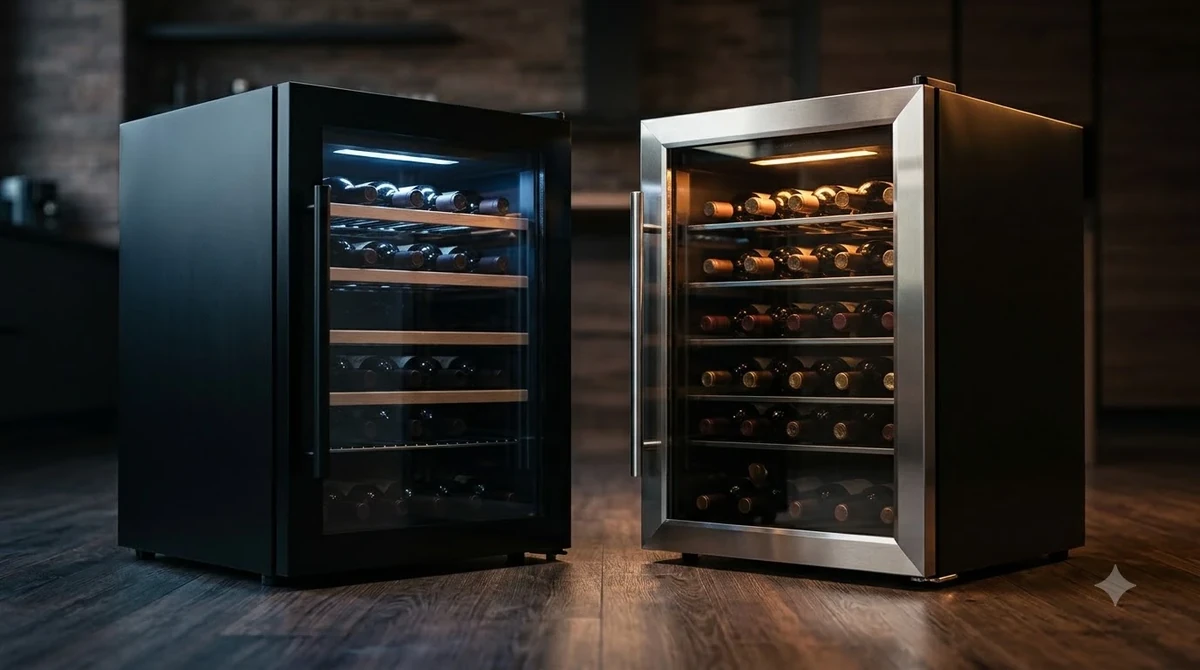
Flexible beverage organization. The convertible shelving system is one of the most useful design features. A household that primarily stores soda and sparkling water can arrange the shelves differently from one that regularly keeps Chardonnay, Pinot Noir, and sparkling wine available. The 11 adjustment positions provide additional freedom to accommodate taller bottles or larger containers.
The two convertible shelves also make the appliance more adaptable than a refrigerator with fixed drink racks. Instead of committing the entire interior to cans or bottles, owners can change the arrangement as their entertaining habits evolve. For example, a household might dedicate more space to canned sparkling water during the week and rearrange the shelves before a dinner party.
Substantial capacity. The stated 162-can maximum is particularly attractive for people who entertain regularly. A 24-inch beverage center can provide meaningful additional cold storage without requiring a full-size refrigerator. The alternative 18-bottle wine capacity also gives wine drinkers room to keep a selection of bottles ready for serving.
These figures should be treated as manufacturer maximums, not as a guaranteed mixed-load arrangement. A realistic setup might include several bottles of wine, a row of canned drinks, and space for larger beverage containers. The actual configuration will depend on shelf placement and container dimensions.
Temperature flexibility. The 33°F to 70°F adjustment range gives the FBUI5242G considerable versatility. Different beverages have different ideal serving temperatures, and a household that stores both wine and soft drinks may appreciate the ability to choose a setting appropriate for its current contents.
For example, sparkling wine is generally served around 40°F to 50°F, while light-bodied white wines and rosé are commonly served around 45°F to 50°F. A beverage center with adjustable temperature control can accommodate these preferences more easily than a refrigerator designed around a single beverage category.
Built-in visual appeal. Viking offers several appearance configurations, including a customer-supplied custom panel, Classic Glass, and Professional Glass. That choice matters because an undercounter refrigerator is often positioned in a visible part of the kitchen, dining area, or entertaining space.
The custom-panel option is particularly interesting for renovation projects where matching the cabinetry is more important than displaying a stainless steel appliance front. The glass configurations offer a more traditional beverage-center appearance, allowing the contents to remain visible.
Convenience features. Electronic temperature controls and door and temperature alerts are useful additions for an appliance that may be opened frequently during gatherings. The alerts provide an extra layer of awareness, while the adjustable shelving makes routine organization easier.
For a home bar that also serves cocktails, a dedicated beverage center can keep mixers and chilled refreshments close at hand. It can be especially useful for preparing drinks such as an Aperol Spritz, where properly chilled sparkling wine and soda water are important ingredients.
Common Complaints and Limitations
The Viking beverage cooler has an attractive specification sheet, but several practical limitations should influence the purchase decision. Its premium built-in positioning, installation requirements, and beverage-focused design will not suit every kitchen or household.
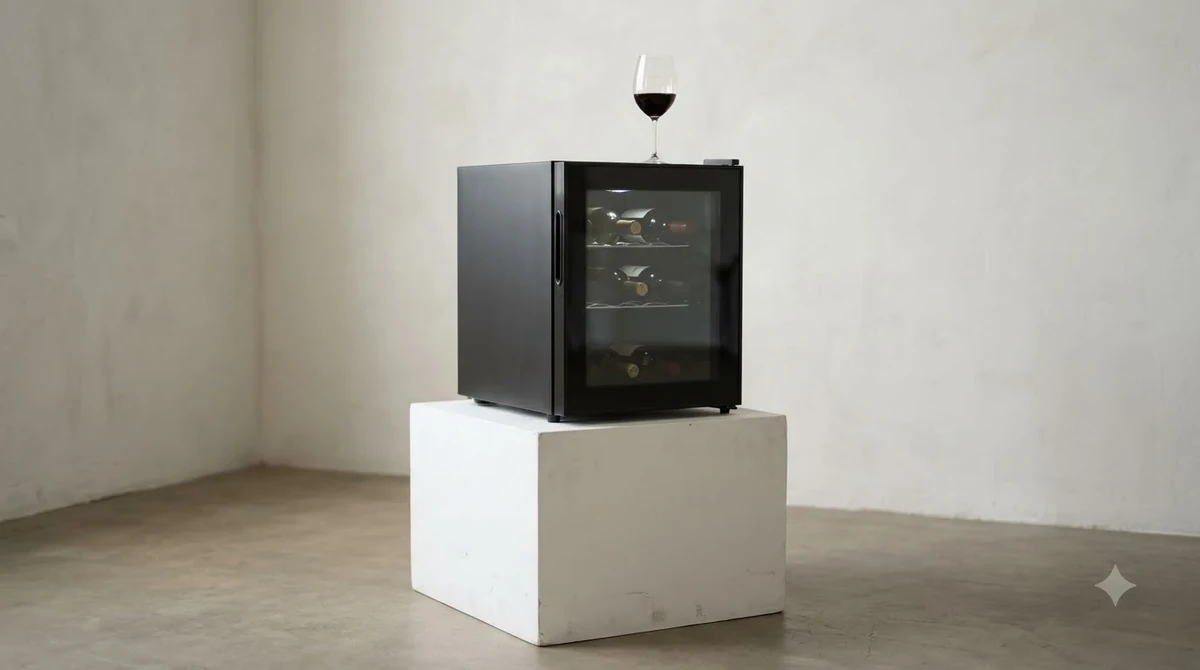
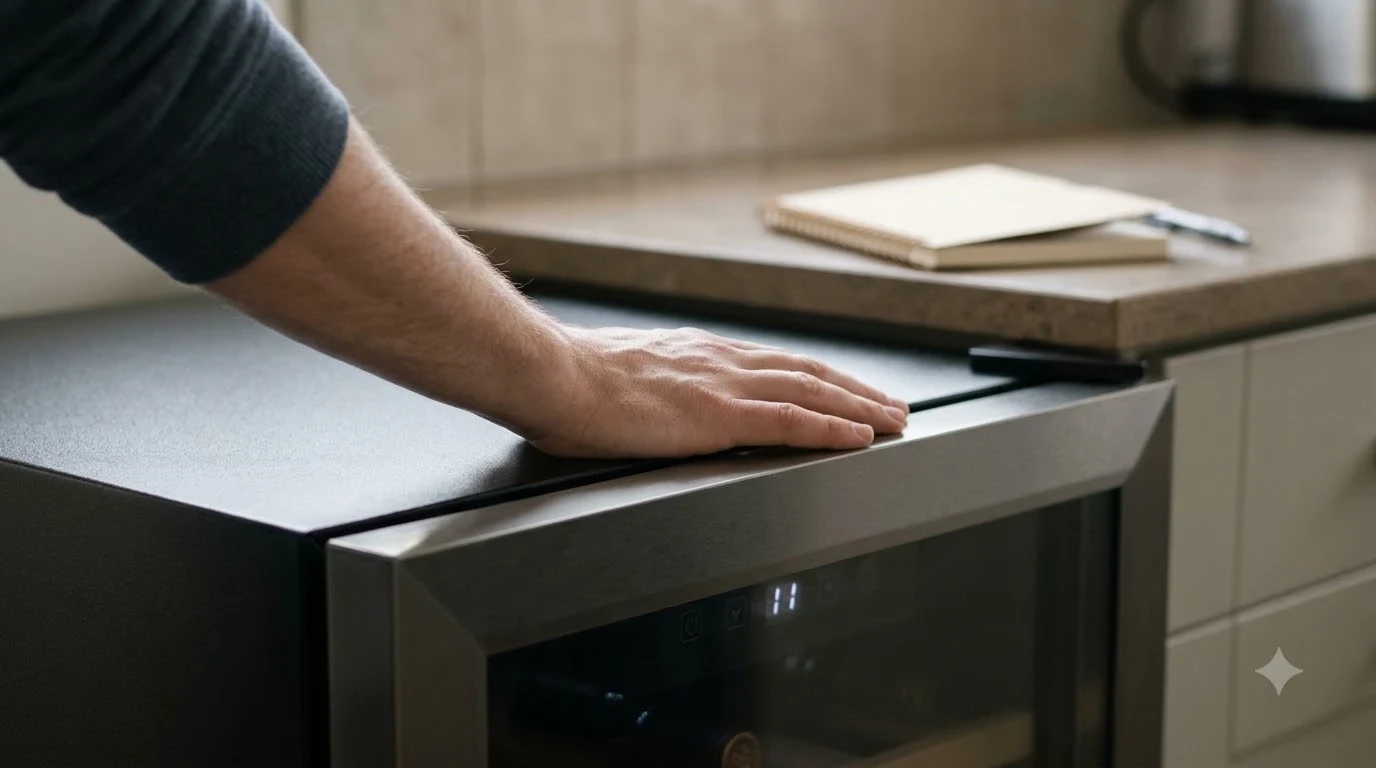
Installation requires planning. The FBUI5242G is not simply a small refrigerator that can be placed in any convenient corner. It is designed for undercounter installation, and the cabinet opening, finished floor height, door movement, and electrical connection need to be considered before delivery.
The product dimensions are approximately 23.875 inches wide, 23.625 inches deep, and 33.25 inches high. However, the installation manual specifies an adjustable cabinet height of 33.75 to 34.75 inches. These measurements serve different purposes, and confusing the appliance dimensions with the required installation opening can cause problems during a renovation.
Professional installation is a sensible choice for a new built-in kitchen or a replacement project where cabinetry dimensions are tight. A qualified installer can verify the finished opening, electrical connection, leveling, door clearance, and ventilation before positioning the refrigerator.
It is not a dedicated wine cellar. Although the convertible wine racks are useful, the FBUI5242G is designed to accommodate multiple types of beverages. Someone who primarily collects wine for extended storage may prefer a dedicated wine refrigerator with a configuration designed around bottle storage.
A dedicated wine cellar can make more sense for someone maintaining a collection of Cabernet Sauvignon, Pinot Noir, vintage Champagne, and other bottles that need consistent storage conditions. A beverage center is better suited to refreshments that are regularly rotated and consumed.
Capacity depends on arrangement. The maximum capacity of 162 cans and the alternative capacity of 18 wine bottles are helpful planning figures, but actual storage depends on the containers involved. A large Champagne bottle occupies more room than a standard 750 ml wine bottle, while oversized soda bottles can prevent shelves from being arranged as tightly.
Households that regularly store a mixture of tall bottles, cans, and wine should consider their normal inventory rather than relying exclusively on the largest advertised capacity. A practical storage arrangement is often more useful than attempting to fill every available space.
Ventilation cannot be ignored. The installation manual specifically requires unobstructed airflow through the bottom-front grille. Covering this area with decorative trim or placing objects in front of the grille can interfere with cooling performance and increase energy consumption.
This is especially important in custom cabinetry. The finished kitchen design must accommodate the refrigerator’s ventilation requirements rather than treating the front grille as an area that can be concealed or blocked.
The weight also matters. Viking lists the appliance at 160 pounds. Moving it into a kitchen island or undercounter cabinet is therefore a job that requires appropriate assistance and preparation. The installation manual recommends using two or more people when handling the appliance.
Tip: Before ordering a Viking beverage cooler, have the installer measure the actual finished cabinet opening and verify the required electrical connection and front ventilation clearance. A nominal 24-inch cabinet space alone does not confirm that the appliance will fit correctly.
Who Should Buy and Who Should Skip the Viking Beverage Cooler
The FBUI5242G makes the most sense for homeowners who want a permanent, attractive beverage-storage solution integrated into their kitchen or entertaining area. Its 5.5-cubic-foot interior and convertible shelves are especially useful for households that alternate between wine storage and everyday drinks.
Buy it if you are designing a premium home bar. The 24-inch undercounter format works well in a dedicated bar area, kitchen island, or entertaining room with suitable cabinetry. Its glass-door appearance and adjustable storage make it a practical focal point without requiring the space occupied by a full refrigerator.
Buy it if your household stores different beverages. The ability to configure the shelves for up to 162 cans or 18 wine bottles is useful when the appliance needs to serve multiple purposes. Families can keep sparkling water and soda available while also reserving room for wine and other bottled refreshments.
Buy it if cabinetry integration matters. The available custom-panel configuration is particularly appealing for kitchens where appliance finishes need to coordinate with surrounding cabinetry. This can help create a more consistent appearance across a kitchen designed around built-in refrigeration.
Consider another appliance if you mainly collect wine. A dedicated wine refrigerator is a more appropriate starting point for collectors who need organized bottle storage rather than a mixed beverage arrangement. Wine racks, bottle orientation, storage consistency, and long-term collection capacity should take priority in that situation.
Skip it if you need a simple portable refrigerator. Someone renting an apartment or looking for a compact refrigerator to place in a spare room may find the built-in format unnecessarily restrictive. A freestanding beverage refrigerator can offer more convenient placement and simpler replacement.
Skip it if your installation space is uncertain. The 160-pound weight, dedicated electrical requirements, cabinet height specifications, and ventilation considerations make this a more involved purchase than an ordinary countertop or freestanding drink cooler.
It is also important to consider how often the refrigerator will actually be used. A household that occasionally chills a few cans may not need a 5.5-cubic-foot dedicated beverage appliance. A busy entertaining space, on the other hand, can benefit considerably from having refreshments stored separately from everyday groceries.
How It Compares to Alternatives
The Viking FBUI5242G should be compared with other refrigeration categories according to storage purpose, rather than simply by advertised capacity. A dedicated wine refrigerator, a standard beverage refrigerator, and a general undercounter refrigerator can all solve different problems.
Viking versus a dedicated wine refrigerator. The FBUI5242G provides convertible wine storage, but its primary purpose is broader beverage refrigeration. A dedicated wine cellar is more appropriate for buyers who want to organize a collection around wine bottles rather than cans and everyday drinks.
Wine storage also involves different temperature preferences from ordinary beverage refrigeration. For example, light-bodied reds such as Pinot Noir are commonly served around 55°F to 60°F, while full-bodied reds such as Cabernet Sauvignon are generally served around 60°F to 65°F. A mixed beverage refrigerator may need a different setting depending on what is stored inside.
For shoppers considering that category, our guide to the best rated wine cooler options provides a useful starting point for comparing dedicated wine storage with multifunction beverage refrigeration.
Viking versus an ordinary beverage refrigerator. The FBUI5242G offers a combination of convertible shelves, electronic controls, temperature alerts, and a built-in appearance. A more basic beverage refrigerator may provide adequate cooling and storage without the same emphasis on cabinetry integration or flexible shelving.
For someone who mainly wants cold cans in a garage or entertainment room, a simpler appliance could be more practical. For someone building a coordinated kitchen or bar, the Viking’s integrated design and adjustable interior may justify considering a premium model.
Viking versus an earlier Viking beverage center. Viking’s older VUBV524GSS is a useful example of how specifications can vary between model families. Its specification sheet lists 5.2 cubic feet of storage, a maximum of 111 cans, and room for 14 standard wine bottles. By comparison, the FBUI5242G lists 5.5 cubic feet, 162 cans, and 18 wine bottles.
These models should not be treated as identical appliances simply because both carry the Viking name and use a 24-inch undercounter format. Their shelving systems, capacities, and product specifications differ. Anyone shopping for an older or discontinued unit should obtain documentation for the precise model number rather than assuming that newer specifications apply.
Viking versus a general undercounter refrigerator. A general undercounter refrigerator may be a better choice when the priority is storing food, ingredients, or miscellaneous refrigerated items. The Viking beverage center is specifically organized around drinks, with wine-compatible shelving and an interior intended for flexible beverage storage.
The right decision depends on how the appliance will be used most often. A cocktail station benefits from readily available canned mixers and chilled sparkling water, while a wine-focused room benefits from dedicated bottle storage.
Frequently Asked Questions
Can the Viking beverage cooler store Champagne bottles?
Yes, the convertible shelving offers flexibility for different bottle arrangements, but Champagne bottles are generally wider than standard wine bottles. Their dimensions can reduce the number of bottles that fit compared with the manufacturer’s standard 750 ml wine-bottle capacity. Measure the bottles and available shelf clearance before planning a full sparkling-wine collection.
Does the Viking beverage cooler need to remain upright after delivery?
The FBUI5242G installation manual advises allowing the appliance to stand upright for at least 24 hours before plugging it in if it has been transported, handled, or stored in a non-upright position. This allows compressor oil to return to its proper location. Ask the delivery or installation team about the appliance’s transportation history.
Can the Viking beverage cooler be installed next to a dishwasher?
Adjacent appliances should be evaluated as part of the overall kitchen installation. Viking recommends positioning the beverage center away from heat sources and direct sunlight, with an installation environment between 55°F and 100°F. A kitchen designer or installer should assess heat exposure, cabinet construction, and appliance clearances before approving the location.
Does the Viking beverage cooler have an anti-tip requirement?
The installation manual requires the supplied anti-tip bracket when the appliance is installed freestanding rather than underneath a countertop. The bracket must be properly engaged with the appliance’s rear leveling leg. The manual also specifies additional considerations for installations on concrete floors, where suitable concrete fasteners are required.
Can the Viking beverage cooler be used for food storage?
The FBUI5242G is marketed as a beverage center, and its convertible shelving is primarily designed around drinks. Although its adjustable interior may physically accommodate some small food containers, buyers should not assume that it offers the same storage organization as a dedicated food refrigerator. A general undercounter refrigerator is a more appropriate choice when food storage is the main requirement.
The Viking FBUI5242G is an appealing option for homeowners who want substantial beverage capacity, adjustable wine storage, and a built-in kitchen appearance. Its 5.5-cubic-foot interior and flexible temperature controls make it versatile, but its installation requirements and beverage-focused design should be part of the buying decision. For a dedicated home bar or an entertaining-focused kitchen, it deserves consideration; for a simple drink refrigerator or a long-term wine collection, a different refrigeration category may be more suitable.
More in Model Reviews
 Magic Chef 44 Bottle Wine Cooler Review for Flexible StorageUpdated Nov 21, 2026
 Whynter 164 Bottle Wine Cooler Review: Capacity, Features, and FitUpdated Nov 21, 2026
 Insignia NS WC16BK6 Review: Compact 16-Bottle Wine StorageUpdated Nov 21, 2026
 Wine Enthusiast Electric Blue Omega Review: Opening, Pouring, and Preserving Made EasierUpdated Nov 21, 2026
 Koolatron 20 Bottle Wine Cooler Review: Features, Fit, and PerformanceUpdated Nov 21, 2026
 NewAir AWC 330E Review for Home Wine StorageUpdated Nov 21, 2026