


We may earn a commission when you buy through links on this page, at no extra cost to you. Learn more.
Vermouth tasting notes center on an aromatic balance of crisp base wine, warming baking spices, fresh citrus peel, and the signature earthy bitterness of wormwood. Depending on the style, flavors range from dry, herbaceous notes of juniper, chamomile, and lemon zest to lush, bittersweet profiles of caramelized sugar, dried cherry, clove, and vanilla. Most bottles land between 16% and 22% ABV, giving the wine enough body and warmth to stand on its own over ice or anchor classic cocktails.
Because vermouth is an aromatized, fortified wine rather than a simple grape varietal, its sensory profile reflects both winemaking and botanical infusion. Tasting it side by side with standard table wines reveals how herbs, roots, and barks transform a neutral wine canvas into something complex, layered, and built for the table or bar.
What Is Vermouth?
Vermouth is a fortified and aromatized wine made by blending a base wine with a distilled grape spirit, sweetening agent, and a proprietary infusion of herbs, roots, barks, and spices. Under European regulations, the botanical recipe must include wormwood (a member of the Artemisia plant family), which supplies the drink’s hallmark herbal bitterness.
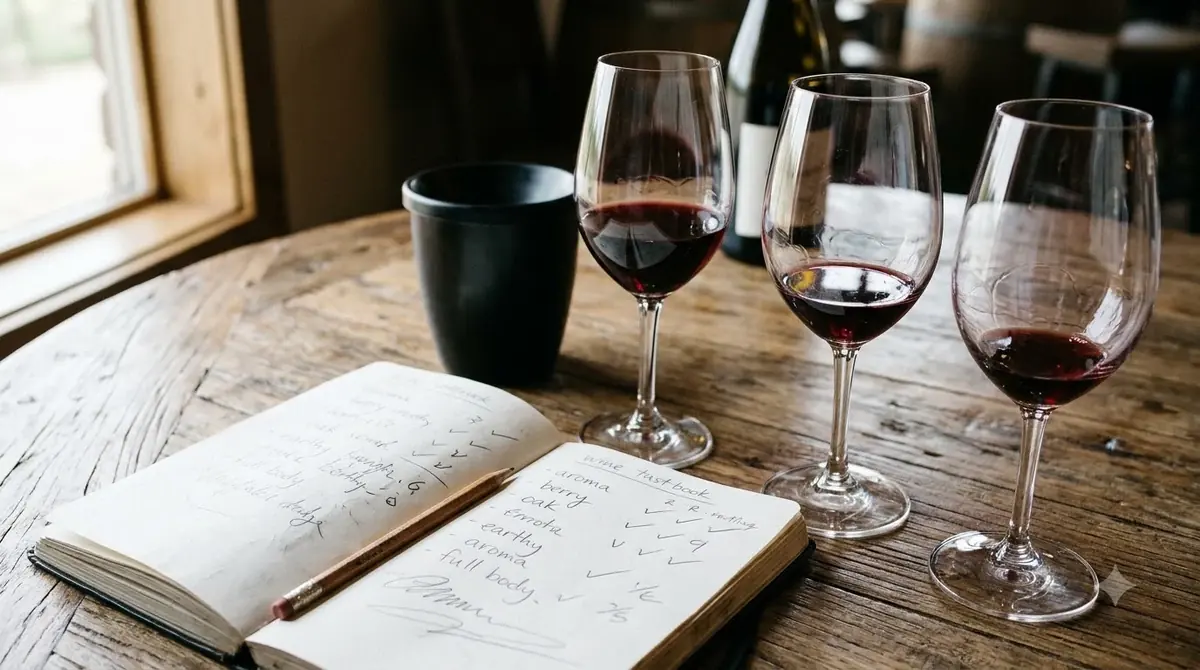
The base wine accounts for the vast majority of the liquid in the bottle—at least 75% under European rules—and typically starts as a light, neutral white wine such as Ugni Blanc or Macabeo, even when the finished product is dark red. Producers fortify this base wine with neutral grape spirit or brandy to raise the alcohol level to roughly 16% to 22% ABV, with most bottles sitting between 18% and 20% ABV, according to Wine Folly’s guide to vermouth styles.
Sweetness and color are adjusted before or after botanical maceration. Dry styles receive minimal sugar or mistelle (unfermented grape juice fortified with spirit), whereas sweet red styles gain their rich mahogany hue and syrupy texture from caramelized sugar or concentrated grape must. If you are exploring the broader category of Wine by Type, vermouth sits alongside other fortified classics like Sherry and Port, yet stands apart through its deliberate botanical aromatics.
Vermouth Tasting Notes by Style
Every style of vermouth shares a common backbone of wine acidity and botanical bitterness, yet sugar levels and spice blends divide the category into distinct flavor profiles. Dry vermouths lean savory, crisp, and floral, while sweet red vermouths deliver plush dried fruit, baking spice, and bittersweet caramel.
Dry and Extra Dry Vermouth: Originating in France, dry vermouth pours pale straw to clear and smells immediately of dried meadow herbs, white flowers, and fresh lemon peel. On the palate, flavors of chamomile, coriander, juniper, and green almond lead into a brisk, saline, and gently bitter finish. Extra dry bottlings trim the sugar even further, emphasizing minerality and sharp herbal bite over fruit.
Sweet Red (Rosso) Vermouth: Historically tied to Turin, Italy, sweet red vermouth displays a deep amber-garnet color and opens with aromas of stewed plum, dried cherry, and candied orange peel. The palate feels rounder and slightly viscous, layering cinnamon bark, clove, star anise, vanilla, and cocoa over an earthy, quinine-like bitterness that keeps the sweetness from feeling cloying. Spanish vermouths in this style often lean slightly lighter and more citrus-driven than their Italian counterparts.
Blanc (Bianco) Vermouth: Clear to pale gold in the glass, blanc vermouth bridges the gap between the two classics by pairing the pale appearance of dry vermouth with generous sweetness. Reviewers at VinePair describe blanc styles as unctuous and aromatic, bursting with honeysuckle, vanilla bean, white peach, and sweet alpine herbs. Newer rosé and amber expressions add notes of tart red berries, blood orange, and toasted spice.
| Vermouth Style | Color and Body | Primary Aromas and Flavors | Sweetness and Finish |
|---|---|---|---|
| Extra Dry | Water-white to pale straw; light and crisp | Green herb, lemon pith, juniper, chalky mineral | Bone-dry; sharp, cleansing herbal bitterness |
| Dry (French Style) | Pale gold; light-to-medium body | Chamomile, coriander, white flowers, green almond | Low sugar; crisp, floral, and lightly bitter |
| Blanc / Bianco | Clear to pale straw; silky and medium-full | Vanilla, honeysuckle, sweet citrus, alpine herbs | Noticeably sweet; plush, floral, and softly spiced |
| Sweet Red (Rosso) | Deep garnet to mahogany; full and viscous | Dried cherry, clove, cinnamon, caramelized orange | Richly sweet; warming spice with bittersweet root |
| Rosato / Rosé | Pale salmon to ruby-pink; medium body | Wild strawberry, grapefruit peel, ginger, rose petal | Off-dry to sweet; bright acidity and light spice |
Key Botanicals Shaping the Flavor Profile
A single bottle of vermouth can contain anywhere from 15 to more than 50 individual botanicals, each extracted through cold maceration, heated infusion, or distillation. Understanding the core botanical families makes it much easier to pick out specific vermouth tasting notes in your glass.
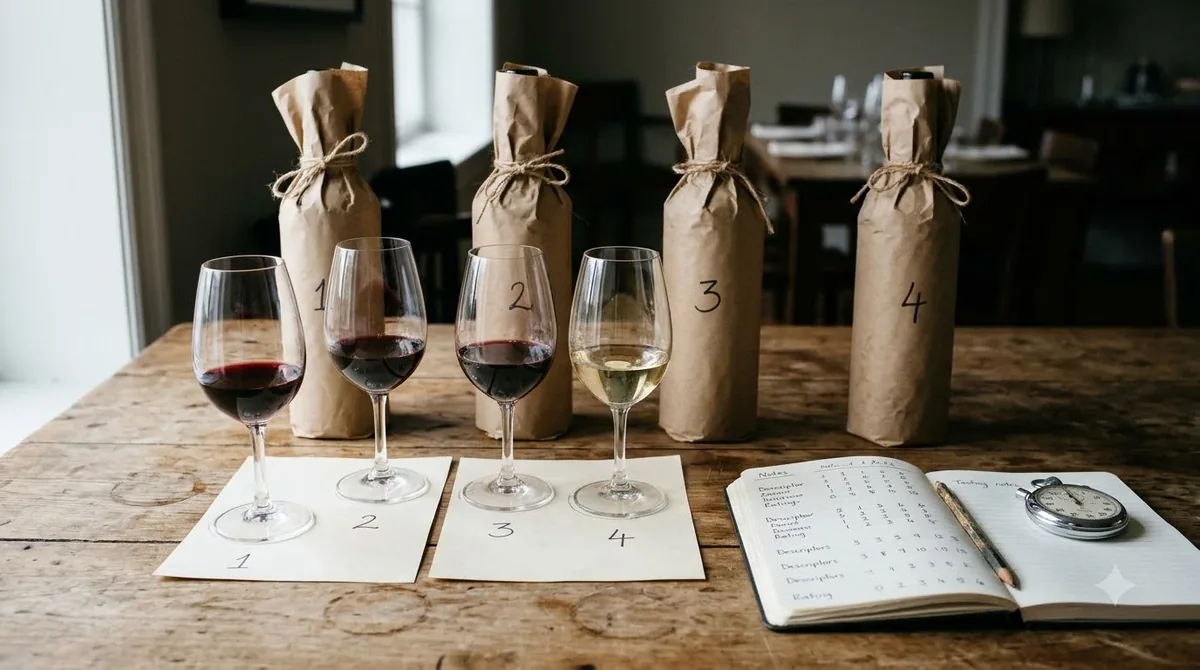
Bitter Roots and Barks: Wormwood is the non-negotiable anchor, contributing a woody, tea-like astringency that cleanses the palate. Producers frequently pair it with gentian root, cinchona bark, orris root, and angelica to deepen the earthy mid-palate structure and lengthen the finish.
Citrus Peels and Florals: Bitter Seville orange peel, sweet orange zest, and lemon peel provide high-toned lift that keeps heavy spices from feeling dull. Floral botanicals such as Roman chamomile, elderflower, lavender, and rose petals soften the edges of the fortifying spirit and give French and blanc styles their perfumey nose.
Warming Spices and Herbs: Cinnamon bark, clove, cardamom, nutmeg, tonka bean, and vanilla bean create the familiar baking-spice warmth of red vermouths. Meanwhile, savory culinary herbs—including marjoram, sage, rosemary, hyssop, and coriander—lend a green, garden-fresh complexity that echoes the savory herbal notes found in sancerre tasting notes.
How to Serve Vermouth
Because vermouth is wine-based, temperature and glassware dramatically affect whether its botanicals taste balanced or overly alcoholic. Serving it too warm exaggerates the fortifying spirit and syrupy sugars, while serving it well chilled tightens the structure and sharpens citrus and herbal aromatics.
Pour dry and blanc vermouths cold—roughly 45°F to 48°F, similar to a crisp white wine—in a small white wine glass or stemmed aperitif glass so you can appreciate the floral nose. Sweet red vermouth shines lightly chilled or served over a large ice cube in a rocks glass, which gently dilutes the sugar and opens up deeper spice notes.
For an effortless aperitif, build a spritz with equal parts sweet or blanc vermouth and chilled club soda over ice, garnished with a wide strip of orange or lemon peel to echo the citrus botanicals in the glass. As noted in VinePair’s guide to drinking and storing vermouth, opened bottles oxidize just like table wine and should always be refrigerated.
Tip: Write the opening date on the label with a marker and store the bottle upright in your refrigerator; dry vermouth tastes brightest within two to four weeks, while sweet red vermouth holds up well for about a month.
Food Pairing with Vermouth
Vermouth’s combination of bright wine acidity, herbal bitterness, and moderate alcohol makes it one of the most food-friendly drinks at the table. Its natural bitterness stimulates the appetite and cuts cleanly through salt, oil, and rich cheeses.
Dry and Blanc Vermouth Pairings: Serve chilled dry vermouth alongside briny, oceanic snacks such as Spanish green olives, marcona almonds, anchovy toast, oysters, or grilled shrimp. The herbal notes of thyme, lemon, and chamomile mirror the dish while the crisp finish refreshes the palate between bites. Blanc vermouth pairs especially well with mild goat cheese, prosciutto-wrapped melon, and salty potato chips.
Sweet Red Vermouth Pairings: Sweet red vermouth thrives next to cured meats, aged hard cheeses like Manchego or Parmigiano-Reggiano, and roasted nuts. Its dried cherry and baking-spice profile shares natural affinities with dark-fruited red wines—much like the spiced berry character in grenache tasting notes—making it an unexpected winner alongside dark chocolate bark, spiced figs, or blue cheese after dinner.
How to Choose a Bottle for Your Palate
Selecting the right vermouth starts with deciding how you plan to drink it and how much sweetness or bitterness you enjoy. Reading the label for regional cues and base-wine details offers reliable clues before you pull the cork.
If you enjoy crisp, mineral-driven white wines and dry cocktails, look for French dry vermouths from Chambéry or the Languedoc, which emphasize delicate florals, citrus pith, and clean bitterness. If you gravitate toward bold, full-bodied reds—similar to the structured depth found in petit verdot tasting notes—choose a traditional Turin-style sweet red vermouth packed with dark caramel, cinchona bark, and warming clove.
When shopping for solo sipping rather than mixing, consider smaller 375-milliliter bottles so you can finish the vermouth while its aromatics are still vibrant. Craft producers across the United States and Europe also bottle single-varietal vermouths made from Nebbiolo, Chardonnay, or Viognier, offering pronounced grape character beneath the botanicals.
Frequently Asked Questions
Does vermouth taste like regular wine?
Vermouth has a recognizable wine foundation, but it tastes noticeably more herbal, spiced, and bitter than unfortified table wine. Because producers infuse it with wormwood, citrus peels, and warming spices while raising the alcohol to around 16% to 22% ABV, the flavor sits halfway between an aromatic wine and a gentle herbal liqueur.
What is the main difference between sweet and dry vermouth tasting notes?
Dry vermouth is pale, low in sugar, and dominated by crisp notes of lemon peel, chamomile, green herbs, and light bitterness. Sweet red vermouth contains significantly more sugar and caramelization, delivering a fuller body with rich flavors of dried cherry, clove, vanilla, orange zest, and bittersweet root.
Can you drink vermouth straight without mixing a cocktail?
Yes, drinking vermouth on its own is a longstanding European aperitif tradition. Serve dry or blanc vermouth well chilled in a small wine glass, or pour sweet red vermouth over ice with a splash of soda water and an orange twist to highlight its layered botanicals.
How can you tell if an opened bottle of vermouth has gone bad?
Because vermouth is still wine at its core, air eventually oxidizes the liquid and dulls its aromatics. If the bright citrus and fresh herb aromas have faded into a flat, stale, or faintly vinegary smell, the bottle is past its prime and ready to be replaced.
Exploring vermouth tasting notes opens up an entire spectrum of flavors, from crisp alpine florals to rich, spiced dried fruit. Whether you pour a chilled glass before dinner or stir a splash into a classic cocktail, paying attention to the base wine and botanical balance helps you pick the right bottle every time.
More in Wine Types & Grapes
 What Does Mourvèdre Taste Like? Flavor Profile, Regions, and PairingsUpdated Nov 20, 2026
 What Does Marsanne Taste Like? Flavors, Styles, and Food PairingsUpdated Nov 20, 2026
 What Does Malvasia Taste Like? Styles, Flavors, and Food PairingsUpdated Nov 20, 2026
 What Does Grenache Blanc Taste Like? Flavor Profile, Styles, and PairingsUpdated Nov 20, 2026
 What Does Garnacha Taste Like? Key Flavors, Styles, and Pairing TipsUpdated Nov 20, 2026
 What Does Fruit Wine Taste Like? A Complete Flavor and Style BreakdownUpdated Nov 20, 2026