

We may earn a commission when you buy through links on this page, at no extra cost to you. Learn more.
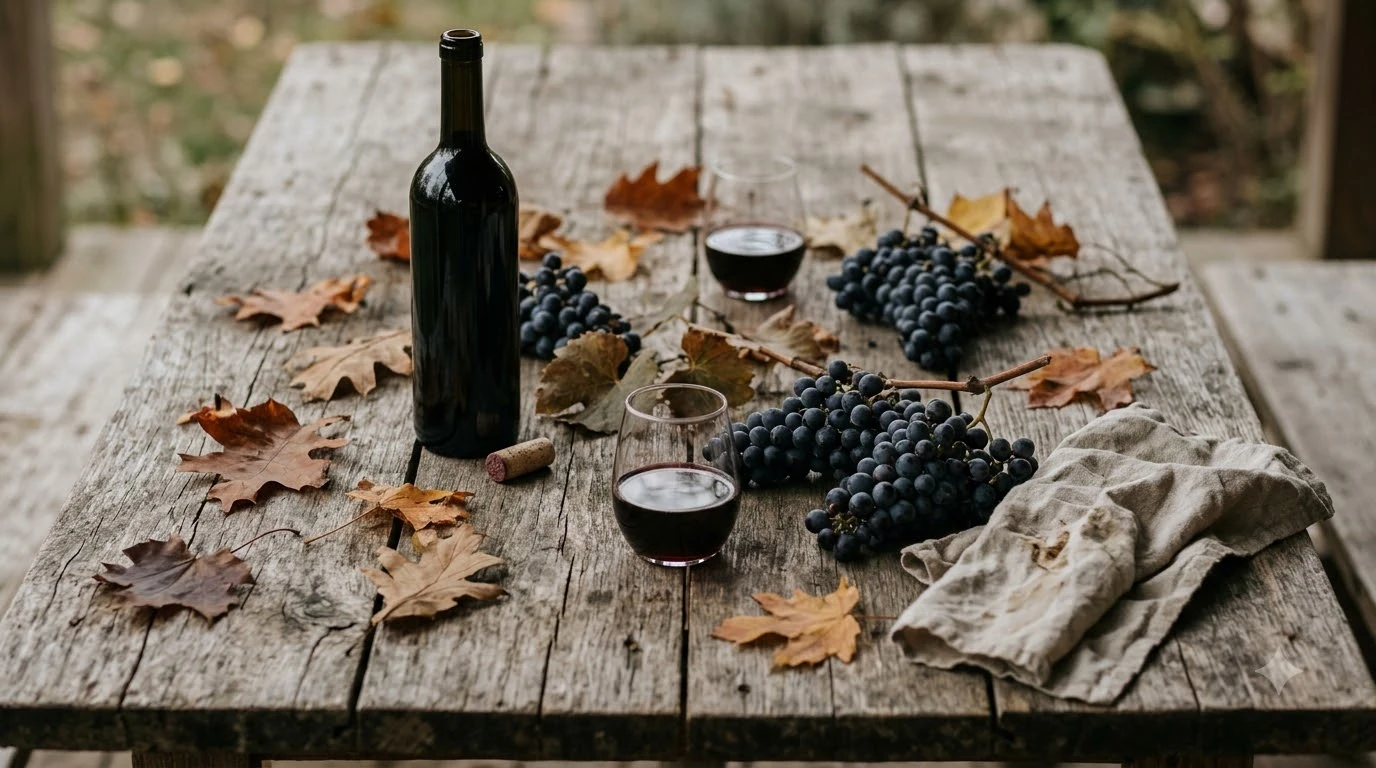
Vacqueyras wine grapes are led by Grenache Noir, Syrah and Mourvèdre, three Southern Rhône varieties that create rich, structured and spicy wines. Grenache supplies ripe red and black fruit, warmth and body, while Syrah adds color, pepper and structure, and Mourvèdre contributes depth and firm tannins. The appellation also produces smaller quantities of rosé and white wine from several other authorized Rhône grape varieties.
Located in southeastern France, Vacqueyras is one of the Southern Rhône’s distinctive Cru appellations. Its vineyards surround the village of Vacqueyras and extend into neighboring Sarrians, where Mediterranean sunshine, the cooling Mistral wind and varied soils influence how different grape varieties develop. Although red blends dominate production, understanding the full range of permitted grapes reveals why Vacqueyras offers more than powerful Grenache-based reds. From the supporting role of Mourvèdre to the floral character of Clairette and Roussanne, each variety contributes something different to the region’s wines.
Grenache Noir Leads the Vacqueyras Red Wine Blend
Grenache Noir is the foundation of traditional Vacqueyras red wine, providing ripe fruit, generous alcohol, a rounded texture and a warm Mediterranean character. Syrah and Mourvèdre are its principal partners, balancing Grenache’s richness with additional color, spice, tannin and structural depth.
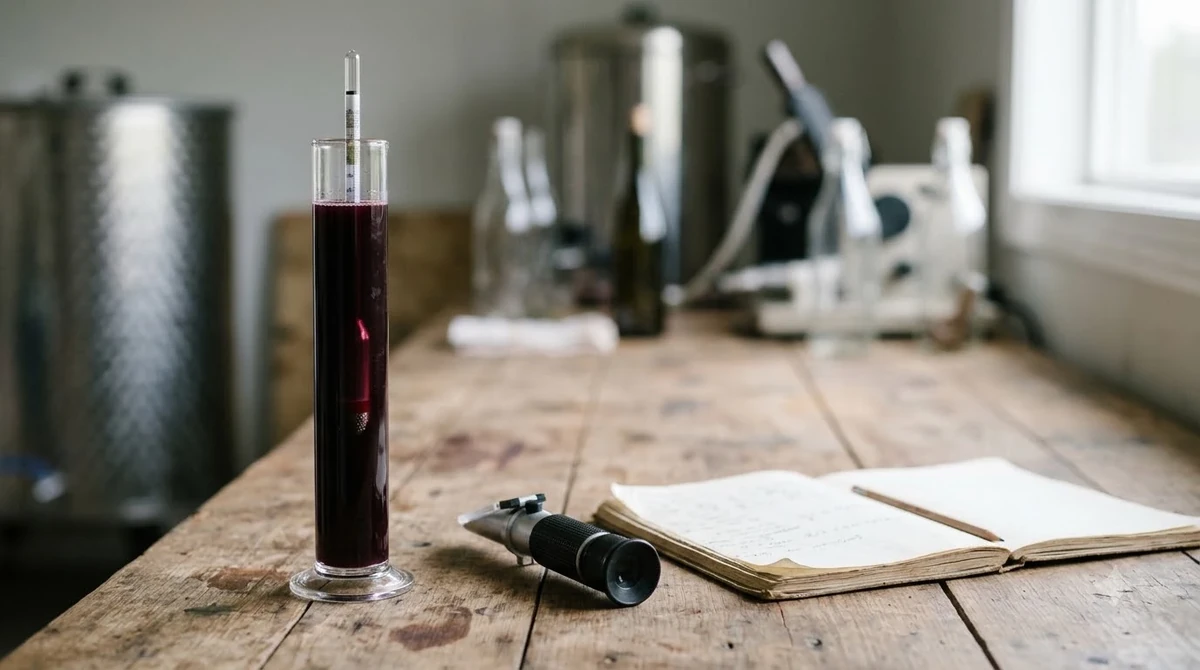
Grenache thrives in the Southern Rhône’s sunny, relatively dry growing conditions. Its ability to ripen fully makes it particularly important in Vacqueyras, where hot summers encourage concentrated fruit development. Depending on the vineyard and growing season, Grenache can produce flavors of strawberry, raspberry, cherry, black cherry, plum and sometimes darker cooked fruit. More mature wines may develop notes of dried fig, candied fruit, leather and Mediterranean herbs.
In the glass, Grenache usually provides a relatively broad, soft-feeling middle palate. It can have substantial alcohol and body without necessarily producing the firmest tannins in the blend. This characteristic makes it useful as the principal variety in a wine that needs generosity without becoming excessively hard or austere. Its fruit also gives younger Vacqueyras reds an approachable character, even when the wines have considerable concentration.
Syrah plays a different role. It contributes deeper color, darker fruit, peppery spice and more noticeable structure. Blackberry, blueberry, violet, black pepper and licorice are common descriptors for Syrah-based components. Its acidity and firmer tannins help prevent a Grenache-dominant blend from feeling overly broad or heavy.
Mourvèdre adds another dimension. It is a later-ripening variety that can contribute dark fruit, earthy complexity, savory notes and substantial tannins. In a blend, Mourvèdre can provide a more serious structural framework, helping the wine develop complexity with bottle age. Its character is often less immediately fruit-driven than Grenache’s.
The three varieties work together because their individual strengths are complementary. Grenache offers warmth and fruit, Syrah brings aromatic intensity and definition, and Mourvèdre contributes structure and savory depth. The exact proportions vary between producers and individual bottlings, so two Vacqueyras wines can have noticeably different personalities while remaining within the same appellation.
What each principal grape contributes
| Grape | Main contribution | Typical characteristics |
|---|---|---|
| Grenache Noir | Fruit, warmth and body | Cherry, raspberry, plum, fig and spice |
| Syrah | Color, acidity and structure | Blackberry, blueberry, violet and pepper |
| Mourvèdre | Tannin and complexity | Dark fruit, leather, earth and savory spice |
These are complementary rather than interchangeable grapes. A blend with a particularly high proportion of Grenache may feel more generous and fruit-forward, while a greater contribution from Syrah can emphasize pepper, darker fruit and structure. Mourvèdre can make the finish feel firmer and more savory. This is why understanding the grape varieties is often more useful than relying on the appellation name alone when comparing bottles.
Vacqueyras also benefits from Grenache’s ability to express differences between vineyard sites. Fruit from warmer, stonier ground may develop a particularly ripe profile, while cooler or higher locations can retain a fresher impression. The grape remains recognizable, but its expression changes with growing conditions and winemaking decisions.
Appellation Rules and the Supporting Red Grapes
Vacqueyras is a regulated French appellation, not simply a geographical indication for any wine made near the village. Its production rules establish which varieties may be used and how the principal grapes must contribute to the blend.
Grenache Noir, Syrah and Mourvèdre are the three principal red varieties. Under the appellation’s red-wine requirements, Grenache must account for at least 50% of the grape composition, while Syrah and Mourvèdre together must represent at least 20%. Red wines are based on a combination of the principal grapes, rather than being defined by a single universal recipe.
These rules help maintain the regional identity of Vacqueyras. Grenache provides the recognizable Southern Rhône character, while Syrah and Mourvèdre ensure that the wines can develop sufficient structure and complexity. The rules also allow a limited contribution from accessory varieties, which give producers some flexibility in shaping individual blends.
Other authorized red grapes can include Cinsault, Counoise, Muscardin, Vaccarèse, Terret Noir and Picpoul Noir. These varieties generally play supporting roles rather than replacing the three principal grapes in conventional red Vacqueyras.
Cinsault is particularly useful for its fresh fruit and relatively soft tannins. It can help make a blend feel more approachable, especially when combined with concentrated Grenache. Counoise offers another source of aromatic freshness and can contribute lively fruit and spice.
Muscardin and Vaccarèse are less familiar outside the Rhône, but they belong to the region’s traditional grape heritage. Their presence reflects the historical diversity of Southern Rhône vineyards, where growers have cultivated several varieties rather than relying exclusively on a small group of international grapes.
Terret Noir and Picpoul Noir also appear among the authorized traditional varieties. Their importance varies considerably from producer to producer. They are useful examples of how appellation regulations preserve regional grape diversity while keeping Grenache, Syrah and Mourvèdre at the center of the red-wine identity.
Carignan requires particular care in discussions of Vacqueyras. Although it is used elsewhere in the Southern Rhône, it is excluded under the traditional Vacqueyras red-blend rules described in the appellation regulations. A grape’s presence in the wider Rhône Valley does not automatically mean it is permitted in every individual Cru.
For consumers, this distinction explains why Vacqueyras is not simply a generic Southern Rhône blend. The appellation’s requirements establish a recognizable foundation, while the permitted supporting varieties give winemakers room to express individual vineyard conditions and stylistic preferences.
Terroir, Climate and the Conditions That Shape the Grapes
Vacqueyras lies at the foot of the Dentelles de Montmirail, where Mediterranean weather and varied vineyard soils influence grape ripening. The combination of hot summers, seasonal rainfall, Mistral winds and different elevations helps explain why Grenache, Syrah and Mourvèdre can produce different expressions across the appellation.
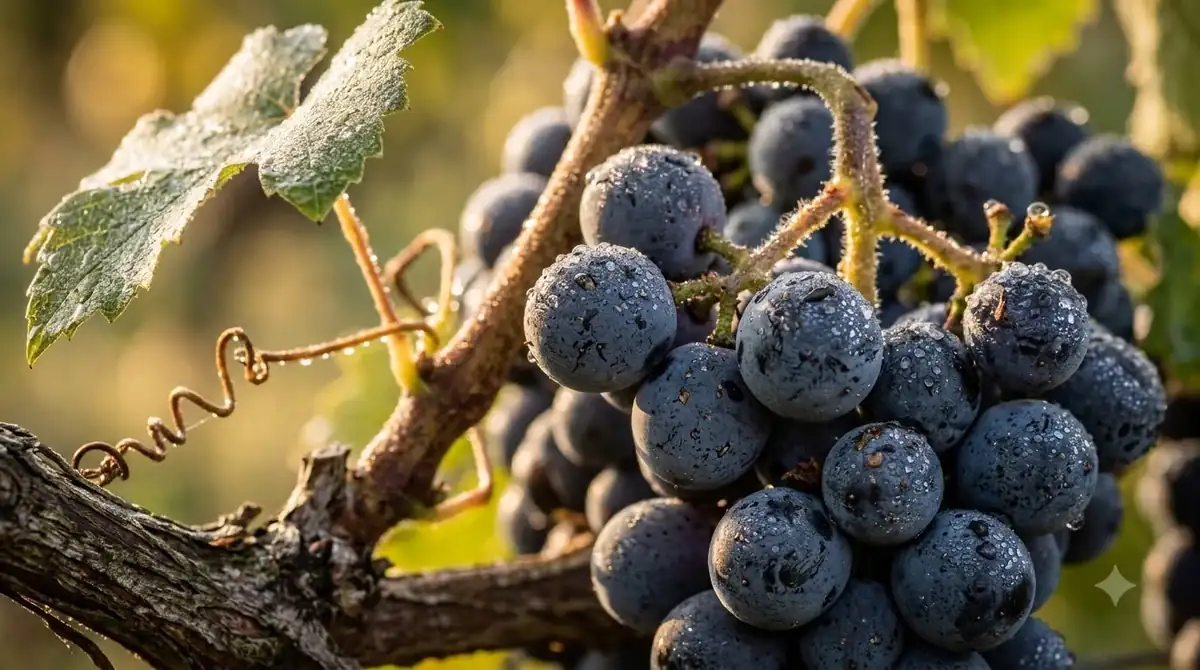
The vineyards are located in Vacqueyras and Sarrians in the Vaucluse department. Their landscape includes terraces, open plains, wooded areas and stretches of Mediterranean scrubland known as garrigue. The surrounding vegetation contributes to the familiar Southern Rhône landscape of aromatic herbs, dry grasses and sun-exposed stone.
The Mistral is particularly important. This strong regional wind can cool the vineyards, help dry moisture from the vines and reduce conditions favorable to certain fungal diseases. It also influences the general growing environment, especially during periods of warm weather. The region remains Mediterranean in character, with hot summers and rainfall concentrated in particular seasons.
Three broad vineyard environments
The soils of Vacqueyras are not uniform. Decanter describes three broad vineyard environments that help explain differences in the resulting wines.
The first is the stony, clay-limestone alluvial plateau near the foothills, associated with the garrigue landscape. Rounded stones cover parts of the ground, while clay and limestone influence the deeper soil structure. These conditions can produce generous, concentrated reds with substantial body and fruit intensity.
The second environment consists of sandier lower slopes around the village. Sandy soils can contribute a different balance of ripeness and texture, and wines from these sites may show greater finesse and a less imposing structure. Their fruit can appear more immediate, depending on grape variety, vineyard management and harvest conditions.
The third environment includes higher limestone slopes. Decanter identifies elevations of approximately 250 to 400 meters in the higher hillside areas it discusses. Grapes from these locations generally ripen later, which can influence aromatic freshness, fruit concentration and the balance between acidity and alcohol.
These differences matter for Grenache in particular. A warm, stony site can encourage ripe fruit and a broad palate, while a higher or cooler location may preserve a fresher impression. Syrah and Mourvèdre can also benefit from site variation, since their ripening patterns and structural characteristics respond to the length and conditions of the growing season.
Rounded pebbles, gravel, sandy clay, marl, limestone and sandstone all appear in descriptions of Vacqueyras soils. Rather than assuming that one soil type defines the entire appellation, it is more accurate to recognize a collection of related but distinct vineyard environments.
According to Inter Rhône, Vacqueyras covered 1,421 hectares of production area in 2025, with total production of 38,147 hectoliters and an average yield of 27 hectoliters per hectare. These figures provide useful context for the scale of the appellation and the importance of vineyard conditions in determining wine style.
Tip: When comparing two Vacqueyras reds, look beyond the producer and vintage. Vineyard elevation, sandy or stony soils, the proportion of Syrah and Mourvèdre, and the use of oak can all influence how concentrated, spicy or structured the finished wine feels.
For an overview of the region’s official grape varieties, wine styles and production figures, consult the Inter Rhône Vacqueyras appellation profile. It provides useful context for understanding how the area’s Mediterranean climate and different vineyard environments contribute to the wines.
White Vacqueyras Grapes and Their Floral Wine Styles
White Vacqueyras is made from a separate group of authorized Rhône varieties, including Clairette, Grenache Blanc, Bourboulenc, Marsanne, Roussanne and Viognier. These grapes produce a style that is generally more floral and aromatic than the appellation’s powerful red wines.
White Vacqueyras is a relatively small category. Inter Rhône’s production breakdown identifies white wine as approximately 6.5% of the appellation’s output, compared with 93% red and 0.5% rosé. This difference explains why many wine drinkers associate the name Vacqueyras primarily with Grenache-based reds.
Clairette
Clairette is an important traditional white grape in the Southern Rhône. It can contribute floral aromas, citrus-like freshness and a relatively delicate structure. Depending on the wine, it may show white flowers, orchard fruit and subtle herbal notes.
In blends, Clairette can provide aromatic lift and help keep a white wine from feeling overly broad. Its relatively distinctive personality makes it useful alongside fuller-bodied varieties.
Grenache Blanc
Grenache Blanc is the white counterpart to Grenache Noir. It generally contributes body, ripe fruit and a rounded texture. Depending on ripeness and winemaking, flavors can include pear, apple, melon and citrus, sometimes accompanied by a gentle herbal character.
Its naturally generous palate makes it a useful blending partner for more aromatic or structured white varieties. A producer may use it to provide the middle-palate weight that gives a white Vacqueyras its sense of substance.
Bourboulenc
Bourboulenc is another traditional Southern Rhône white grape. It can bring freshness, restrained fruit and a lighter aromatic profile. Rather than dominating a blend, it often contributes balance and helps create a wine with a clean, refreshing finish.
Its role is particularly relevant in a warm climate, where blending varieties with different ripening and flavor characteristics can help maintain balance.
Marsanne and Roussanne
Marsanne typically adds body, texture and a broad palate. It can show stone fruit, pear, floral notes and, with development, more complex nutty characteristics. It is a useful variety for creating a white wine with a substantial mouthfeel.
Roussanne is valued for aromatic complexity and structure. Depending on its ripeness and handling, it may offer floral, herbal, pear and stone-fruit characteristics. It can contribute a more layered aromatic profile to a blend containing Grenache Blanc or Marsanne.
Viognier
Viognier is one of the Rhône’s most aromatic white grapes. It can contribute peach, apricot, blossom and expressive floral notes. Its aromatic intensity makes it useful in blends where a producer wants to emphasize fragrance rather than simply increase body.
These six varieties give white Vacqueyras considerable blending flexibility. A wine based on Grenache Blanc and Clairette may emphasize freshness and subtle fruit, while one containing more Marsanne and Roussanne may feel broader and more structured. Viognier can provide a more immediately recognizable floral character.
Vacqueyras Rosé Grapes and Their Fresh Fruit Character
Vacqueyras rosé is produced in small quantities using traditional Southern Rhône varieties, particularly Grenache, Mourvèdre and Cinsault. These grapes create wines with fresh red-fruit flavors, floral aromas and enough body to accompany food.
Grenache is important for its expressive fruit and rounded character. In rosé, it can contribute strawberry, raspberry and other red-fruit notes. Its fruit-driven profile gives the wine a recognizable Southern Rhône identity without the deeper color and tannin of a red blend.
Mourvèdre can contribute more structure and savory complexity. Although it is often associated with powerful red wines, it also has a role in rosé production. Its presence can provide additional depth and help the wine feel more substantial at the table.
Cinsault is particularly useful for producing approachable rosé. Its softer tannins and fresh fruit profile can make the finished wine feel lively rather than heavy. It can also help balance the fuller texture of Grenache and Mourvèdre.
The appellation’s rosé blending requirements differ from those for red wine. Grenache is limited to no more than 60% of the rosé grape composition, while Mourvèdre and Cinsault together or individually must account for at least 15%. This helps preserve a distinct style rather than simply making a pale version of the red blend.
Other authorized supporting varieties may also contribute to rosé, within the applicable rules. The result can vary by producer, but typical characteristics include wild strawberry, red berries and white flowers.
Rosé Vacqueyras should not be confused with the lightest styles of Provence rosé. Its Southern Rhône origins can give it a more substantial fruit profile and a greater sense of texture. It works particularly well with grilled vegetables, seafood dishes, chicken and Mediterranean foods prepared with olive oil and herbs.
Its relatively small production share also means that rosé is less likely to be the first style encountered by someone exploring the appellation. Nevertheless, it is a useful example of how Grenache, Mourvèdre and Cinsault can create a different expression from the same broad regional grape tradition.
How Vacqueyras Grapes Translate Into Flavor, Structure and Aging
The grape blend determines much of a Vacqueyras wine’s personality, but the finished style also depends on ripeness, extraction, fermentation and maturation. Most reds are full-bodied, fruit-rich wines with noticeable tannins, Mediterranean spice and enough freshness to balance their concentration.
Young red Vacqueyras often displays black cherry, blackberry, plum and ripe red-fruit characteristics. Depending on the blend, Syrah can contribute violet and pepper, while Mourvèdre may add leather, earthy notes and a firmer finish. Grenache often provides the recognizable ripe-fruit center.
With bottle age, the primary fruit can become less prominent as more developed aromas emerge. Fig, dried herbs, leather, savory spice and earthy characteristics may become more noticeable. The precise development depends on the vintage, vineyard source, grape proportions and the way the wine was made.
Tannin, acidity and alcohol
Grenache-based Vacqueyras can feel warm and generous because the variety ripens well in the Southern Rhône. Syrah and Mourvèdre help provide structural balance, with their tannins supporting the wine’s fuller body. These wines generally work best with food that has enough flavor and texture to stand alongside them.
Acidity is also important. Even a full-bodied red needs sufficient freshness to prevent its fruit and alcohol from feeling unbalanced. Wine Enthusiast describes Vacqueyras as combining approachable fruitiness with bright acidity, elegance and persistent tannins. That combination helps distinguish well-balanced examples from wines that are simply powerful.
Blending and maturation
Many producers ferment the principal varieties separately before deciding on the final blend. This approach allows each grape to develop according to its own characteristics and gives the winemaker flexibility during blending.
Concrete tanks have traditionally been important in the appellation, while stainless steel is also used. Maturation may take place in tanks, larger wooden vessels or barrels, depending on the producer’s intentions. Large old oak vessels can allow development without adding a strong new-wood flavor, while newer barrels may contribute additional spice and texture.
There is no single required oak style that defines all Vacqueyras. Some bottlings emphasize pure fruit and freshness, while others aim for greater complexity and a more polished structure. The important distinction is that oak should complement the grape blend rather than overwhelm its regional character.
For aging, the strongest examples can develop considerable complexity over several years. Wines with concentrated Grenache, meaningful Syrah and Mourvèdre components, and firm but balanced tannins may benefit from additional bottle development. More approachable bottlings can be enjoyed earlier, especially when their emphasis is fresh fruit.
It is useful to distinguish age-worthy wine from wine that simply has high alcohol or strong tannins. Balance matters more than power alone. A wine with freshness, integrated tannins and concentrated fruit is more likely to develop gracefully than one that feels excessively hot or drying.
Serving Vacqueyras and Pairing Its Grapes With Food
Full-bodied red Vacqueyras is best served slightly cooler than typical room temperature, around 60–65°F. This temperature range allows the wine’s fruit, spice and tannins to remain expressive without making its alcohol seem overly prominent.
For a young, concentrated red, decanting for approximately 30–60 minutes can help open its aromas and soften the initial impression of firm tannins. Older bottles may need more careful handling, since extended exposure to air can diminish delicate developed aromas. Pouring a standard 5-ounce serving also gives the wine enough room to express its fragrance in a suitable glass.
White Vacqueyras is generally best served at 50–55°F if it is relatively full-bodied, while a lighter white can be served closer to 45–50°F. Rosé is usually most refreshing around 45–50°F. Avoid serving either style so cold that its aromas become difficult to detect.
Pairing red Vacqueyras
Grenache-based red Vacqueyras pairs naturally with roasted lamb, grilled beef, herb-seasoned pork and slow-cooked meat dishes. The wine’s ripe fruit and savory spice complement the roasted and browned flavors in these foods.
Syrah and Mourvèdre provide additional structure, making the wine particularly suitable for dishes with rich sauces. Braised short ribs, beef stew and lamb shanks can match its body and tannin. Salt and fat also soften the perception of tannin, allowing the fruit and spice to become more prominent.
For a vegetarian pairing, try roasted eggplant, grilled mushrooms, lentil dishes or vegetables prepared with rosemary, thyme and olive oil. Their savory character can complement the wine’s earthy and herbal notes. Avoid pairing a powerful, tannic red with delicate oily fish, where the combination can create an unpleasant impression.
Pairing white Vacqueyras
White Vacqueyras works well with roast chicken, grilled white fish, seafood pasta and creamy vegetable dishes. Grenache Blanc and Marsanne can provide enough body for dishes with moderate richness, while Clairette and Bourboulenc can complement lighter preparations.
For dishes with lemon or other acidic ingredients, choose a white wine with equal or greater acidity. A bright preparation of grilled fish with citrus, for example, calls for a fresh white rather than an overly soft, broad wine.
Pairing Vacqueyras rosé
Rosé Vacqueyras can accompany grilled shrimp, chicken skewers, ratatouille, tomato salads and Mediterranean vegetable dishes. Its red-fruit character works with grilled ingredients, while its freshness can help balance olive oil and other rich components.
Spicy food needs a little more care. Alcohol and tannin can amplify chili heat, so a strongly alcoholic or tannic wine may make a hot dish feel hotter. Choose milder preparations when serving a substantial red Vacqueyras, or use a fresher rosé with moderate seasoning.
For a broader understanding of the regional varieties and styles found in other countries, explore our guides to orange wine grapes and Croatia wine grapes. These comparisons can help explain how climate, grape selection and winemaking traditions create very different expressions of wine.
Frequently Asked Questions
Is Vacqueyras always a blend of three grapes?
No. The wines are not required to contain all three principal varieties. Red and rosé wines must use at least two of the principal grapes, so a particular wine may combine Grenache with Syrah or Grenache with Mourvèdre. The exact proportions depend on the applicable appellation rules and the producer’s blend.
Can Vacqueyras wine be made from 100% Grenache?
Traditional Vacqueyras red-wine rules require a blend rather than a purely single-variety Grenache red. The principal grape must be accompanied by another authorized principal variety, and the prescribed minimum proportions apply. This is different from some other Southern Rhône appellations that allow individual producers greater freedom to bottle single-variety wines.
Are old Grenache vines common in Vacqueyras?
Yes, older Grenache plantings are part of the appellation’s viticultural heritage. Decanter has described examples of old-vine Grenache in the region that are approximately 50 years old or more. Vine age alone does not guarantee quality, but mature vines can produce concentrated fruit when vineyard conditions and crop levels are suitable.
Does Vacqueyras have the same grape rules as Gigondas?
The two neighboring appellations share the Southern Rhône tradition of Grenache-based red blends, but they are separate appellations with their own production specifications. Their vineyard areas, geographical boundaries and individual regulations should not be treated as interchangeable. Producers must follow the rules associated with the appellation printed on the bottle.
What does the name Vacqueyras mean?
The name is connected to the Latin expression Vallea Quadreria, commonly interpreted as the Valley of Stones. This historical association reflects the area’s distinctive stony landscape and its long agricultural history. The appellation’s official history also records vine cultivation in the village in 1414 and wine-harvest taxation in 1448.
Vacqueyras is defined by Grenache Noir, Syrah and Mourvèdre, but its identity also depends on the supporting grapes, varied soils and Mediterranean growing conditions that shape each blend. Whether choosing a structured red, a floral white or a fruit-driven rosé, understanding these varieties makes it easier to recognize the character of this Southern Rhône Cru. Start with a Grenache-led red to experience its signature style, then explore the smaller white and rosé categories to discover the appellation’s broader range.
More in Wine Regions
 Willcox Wine Trail: Discover Arizona’s High-Elevation Wine CountryUpdated Nov 20, 2026
 Yakima Valley Wine Region: Find the Best Styles to TryUpdated Nov 20, 2026
 Vosne Romanee Wine Tasting: Identify Aromas and Choose Better PairingsUpdated Nov 20, 2026
 Yakima Valley Wine Festival: Find the Best Seasonal Wine EventsUpdated Nov 20, 2026
 Wales Vineyards: Discover Cool-Climate Wines and Where to VisitUpdated Nov 20, 2026
 Yountville Wine Festival: Discover Napa Wines and Local FoodUpdated Nov 20, 2026