

We may earn a commission when you buy through links on this page, at no extra cost to you. Learn more.
The txakoli wine region is in Spain’s Basque Country, where three protected wine designations produce distinctive Atlantic-influenced wines from indigenous grapes, particularly Hondarrabi Zuri and Hondarrabi Beltza. These designations are Getariako Txakolina in Gipuzkoa, Bizkaiko Txakolina in Bizkaia, and Arabako Txakolina in Álava. Most Txakoli is a fresh, high-acid white wine, although rosé, red, barrel-fermented, and sparkling versions are also produced. Its lively character makes it a natural partner for seafood, grilled fish, and traditional Basque pintxos.
Txakoli (pronounced approximately cha-ko-lee) offers a different perspective on Spanish wine from the powerful reds associated with Rioja or Ribera del Duero. Its vineyards occupy a landscape of green hills, coastal slopes, valleys, and Atlantic-influenced farmland in northern Spain. The wines reflect this setting through fresh acidity, moderate alcohol, citrus and orchard-fruit aromas, and, in some traditional bottlings, a gentle natural spritz. Understanding the three appellations, their grapes, and their growing conditions makes it easier to recognize the differences between bottles and choose a style for the table.
Where the Txakoli Wine Region Is Located
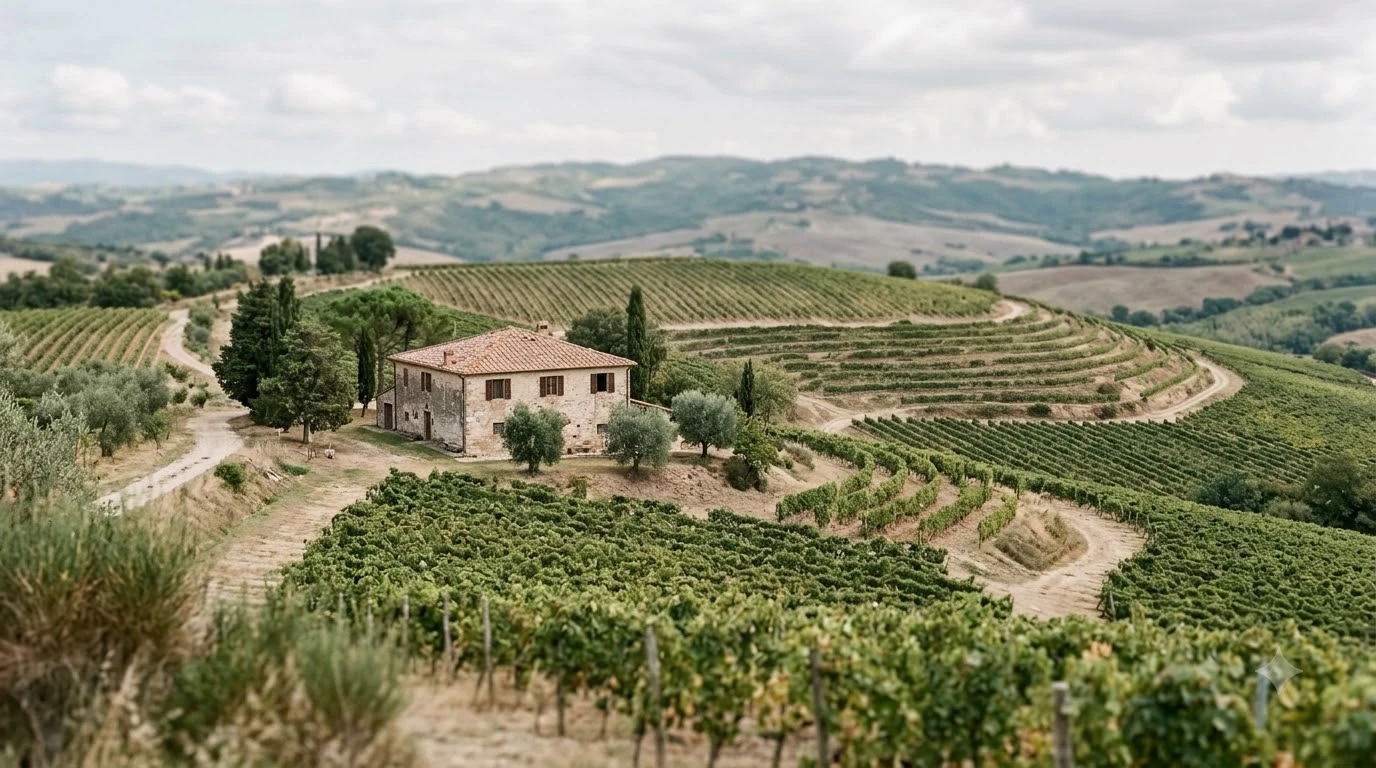
The txakoli wine region occupies three historic territories in Spain’s Basque Country, stretching from the Bay of Biscay coastline toward the mountainous interior. Its vineyards benefit from Atlantic weather patterns, varied elevations, and slopes that provide valuable sunlight in a relatively humid environment.
Gipuzkoa, Bizkaia, and Álava each have their own protected designation of origin. These are not simply alternative names for one wine-producing district. They represent distinct geographical areas with different vineyard conditions, local traditions, and approaches to winemaking. The regional organization Basque Wine’s Txakoli overview identifies these three designations as Getariako Txakolina, Bizkaiko Txakolina, and Arabako Txakolina.
Getariako Txakolina is particularly associated with the coastline around Getaria, Zarautz, Orio, Zumaia, and Aia. The vineyards occupy slopes overlooking the Bay of Biscay, where maritime conditions influence grape development. According to Basque Wine, approximately 90% of the vineyards in this area are within one kilometer of the sea. This proximity helps explain the strong maritime identity associated with many Getaria wines.
Bizkaiko Txakolina covers a broader range of environments. Its vineyards appear in coastal districts and inland valleys, including areas around Bakio, Urdaibai, and the wider territory surrounding Bilbao. Some vineyards are planted at sea level, while others reach approximately 400 meters. This variation creates opportunities for wines with different degrees of ripeness, aromatic intensity, and texture.
Arabako Txakolina occupies the Ayala Valley and surrounding areas in northern Álava. Its vineyards are further inland, near communities such as Amurrio, Artziniega, Ayala, Llodio, and Okondo. Although it shares an Atlantic influence with the coastal designations, its more inland position gives it a different growing environment.
The distinction matters when selecting a bottle. A coastal Getaria wine may emphasize freshness and delicate citrus character, while an inland or more structured Bizkaia bottling can offer additional weight and complexity. Álava provides another interpretation of the indigenous grapes, shaped by its valley landscape.
For a broader understanding of regional classifications and European wine geography, explore our guide to Wine Regions. The Basque designations are particularly interesting because relatively small geographical differences can produce noticeable variations in wine style.
Atlantic Climate, Vineyard Soils, and Growing Conditions
The Atlantic climate is one of the defining influences on Txakoli. Frequent rainfall, moderate temperatures, maritime humidity, and hillside exposure shape how grapes ripen and help explain the wines’ characteristic freshness.
Getariako Txakolina has particularly strong maritime conditions. Basque Wine reports approximately 1,600 millimeters of annual rainfall, a figure that illustrates the amount of moisture growers must manage. The regional information also identifies winter minimum temperatures around 2 degrees Celsius and summer maximum temperatures around 35 degrees Celsius. These are recorded climatic extremes rather than typical daily temperatures.
Vineyard placement helps manage this environment. Many vineyards occupy southeast-facing slopes, which receive useful sunlight while improving drainage. The slopes also help prevent excessive soil moisture around the vines. In the Getaria area, vineyard elevations generally remain below 100 meters, keeping many plantings close to the maritime influence of the coast.
Bizkaia has a more varied landscape. Its vineyards grow on shallow, sometimes acidic and clay-rich soils associated with limestone, calcite, and marl. According to the regional designation information, elevations range from sea level to around 400 meters. The combination of changing altitude, slope direction, and exposure produces considerable local variation.
Rainfall is particularly important in this area. The official Bizkaiko Txakolina designation describes an Atlantic climate with approximately 1,000 to 1,300 millimeters of annual rainfall. Winters and springs are particularly wet, while mild summers allow grapes to develop without the extreme heat found in some inland Spanish wine regions.
Álava’s Ayala Valley also experiences an Atlantic influence, but the inland location and surrounding mountains create a different balance of temperature, rainfall, and exposure. Its vineyard landscape is smaller and more concentrated than that of the broader Basque territory.
These conditions influence grape selection and vineyard management. Growers must pay attention to disease pressure associated with humidity, canopy ventilation, and the timing of harvest. Picking too early can preserve sharp acidity but leave the grapes less developed aromatically. Waiting longer can increase ripeness, but the challenge is maintaining the refreshing character that defines the regional wines.
Tip: When comparing Txakoli bottles, start with the designation of origin. Getaria, Bizkaia, and Álava offer useful clues about the vineyard environment before you consider grape composition, fermentation, or aging.
Three Protected Designations of Origin and Their Differences
The three Txakoli designations share indigenous grapes and a strong regional identity, but their geography and production traditions create different expressions. Comparing their vineyard figures and typical styles provides a practical starting point for understanding the category.
Basque Wine’s published 2020 figures offer a useful comparison of the scale of two of the designations, while the Getariako Txakolina regulatory organization provides additional historical production information.
| Designation | Wineries | Vineyard area | Annual production |
|---|---|---|---|
| Getariako Txakolina | 34 | 440 hectares | 3,002,200 liters |
| Bizkaiko Txakolina | 39 | 426 hectares | 1,557,344 liters |
| Arabako Txakolina | Not included in this comparison | Not included in this comparison | Not included in this comparison |
The figures for Getariako Txakolina and Bizkaiko Txakolina come from Basque Wine’s 2020 designation information. They provide a historical snapshot rather than a current production ranking. The available figures show that the two designations have relatively similar vineyard areas but different annual production volumes.
Getariako Txakolina: The maritime expression
Getaria is often the first name wine drinkers encounter when exploring Txakoli. Its vineyards are closely associated with the sea, and the designation has a long-established reputation for fresh, youthful white wines. Hondarrabi Zuri is the principal white grape, while Hondarrabi Beltza contributes to the smaller rosé and red categories.
The designation’s regulatory organization reports that production is approximately 90% white and 10% rosé, with red wine representing only a very small proportion. Many traditional white bottlings are crisp, citrus-driven, and lightly effervescent. Their natural freshness makes them especially suitable for drinking young.
Bizkaiko Txakolina: Diversity and experimentation
Bizkaia offers more varied vineyard environments, from coastal locations to inland valleys. This broader geographical range supports different wine styles, including barrel-fermented whites, rosés, and reds. Some producers use lees aging or oak to create wines with more texture and complexity.
Its rosé style is particularly distinctive. Known as Ojo de Gallo, or rooster’s eye, this wine must contain at least 50% Hondarrabi Beltza under the designation’s stated requirements. It generally offers berry-like aromas and a light-bodied palate.
Arabako Txakolina: The inland interpretation
Arabako Txakolina is associated with the Ayala Valley in northern Álava. Its vineyards are concentrated around smaller communities, and the designation reflects a tradition that was once at risk of disappearing. Its wines provide a different expression of the same indigenous varieties through a more inland growing environment.
Rather than treating one designation as automatically superior, consider the style you prefer. Getaria is a useful starting point for classic maritime freshness, Bizkaia for stylistic variety, and Álava for a smaller-scale inland interpretation.
Hondarrabi Zuri, Hondarrabi Beltza, and Other Grapes
Indigenous grape varieties are central to Txakoli’s identity. Hondarrabi Zuri dominates white wine production, while Hondarrabi Beltza provides the foundation for the region’s red and rosé expressions.
Hondarrabi Zuri is a white grape associated with citrus, white fruit, herbs, and floral aromas. It retains lively acidity in the Atlantic climate and produces wines that are generally light to medium in body. Depending on ripeness and winemaking decisions, the aromatic profile can include green apple, pear, lemon, and subtle herbal notes.
Its naturally refreshing character is especially important because Txakoli is frequently served alongside seafood and other foods with delicate flavors. Rather than relying on heavy oak or concentrated fruit, many producers emphasize freshness, aromatic clarity, and a clean finish.
Hondarrabi Zuri Zerratia is another authorized white variety in the regional category. It is associated with Petit Courbu and contributes another dimension to the range of approved grape material. Its use depends on the relevant designation’s rules and the producer’s decisions.
Hondarrabi Beltza is the main indigenous dark-skinned grape. It is used for red Txakoli and rosé, although these styles represent a much smaller part of overall production than white wine. Its wines can show berry aromas, fresh fruit character, and a distinctive local identity.
Other authorized varieties vary by designation. These may include Gros Manseng, Petit Manseng, Riesling, Chardonnay, Sauvignon Blanc, and Mune Mahatsa. Their permitted use is regulated, so a wine’s grape composition depends on its particular appellation.
According to Basque Wine, additional grape varieties in the broader regional category may not exceed 20% of the total grape used. This limitation helps maintain the prominence of the native varieties while allowing some flexibility in blending and vineyard planting.
Why grape composition matters
Two bottles carrying the Txakoli name can taste noticeably different because of their grape combinations, vineyard location, and production methods. A wine made predominantly from Hondarrabi Zuri may emphasize citrus and floral aromas, while a wine containing other authorized grapes may show additional weight, aromatic complexity, or a different texture.
Rosé and red wines are also useful introductions to the category for drinkers who want to explore something beyond its familiar white style. However, white Txakoli remains the most representative expression of the regional identity.
What Txakoli Tastes Like and How It Is Made
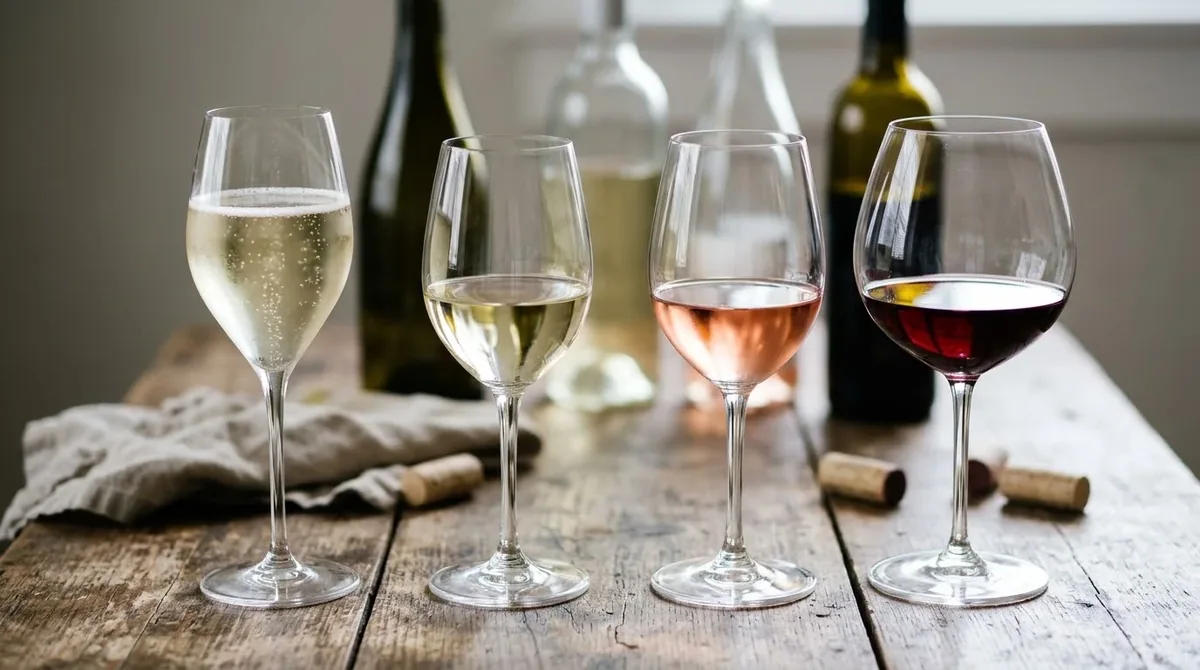
Most Txakoli is dry, crisp, and refreshing, with bright acidity, moderate alcohol, and fresh fruit aromas. Some traditional bottles have a subtle natural spritz, while more contemporary examples can be completely still and offer greater texture or complexity.
The classic white style commonly features lemon, lime, green apple, pear, and light floral notes. Herbal and mineral impressions can also appear, depending on the vineyard and winemaking approach. The palate is generally lively rather than rich, with acidity providing the wine’s defining structure.
Many traditional Getaria bottlings retain a slight natural carbon dioxide presence. This gentle sensation can make the wine seem particularly refreshing, although Txakoli should not automatically be classified as a sparkling wine. The amount of dissolved carbon dioxide differs between producers and bottles.
Winemaking decisions create additional variation. Stainless-steel fermentation helps preserve fresh fruit aromas and the natural acidity of the grapes. Barrel fermentation, which is particularly associated with some Bizkaiko Txakolina producers, can contribute more body, spice, and texture.
Lees aging is another technique used to develop complexity. During this process, wine remains in contact with the yeast sediment left after fermentation. Depending on the duration and the producer’s methods, this can add a rounder mouthfeel and more developed aromas without necessarily removing the wine’s fresh character.
Still, lightly sparkling, and alternative styles
Classic Txakoli is often associated with young white wine, but the category is more diverse than that description suggests. Still white wines, oak-fermented whites, rosés, and reds all have a place within the regional traditions. Small quantities of sparkling and late-harvest wines are also produced as special styles.
Rosé Txakoli can show strawberries, red berries, and fresh herbal notes. In Bizkaia, Ojo de Gallo is the best-known local name for this style. Red Txakoli is less common and generally emphasizes fresh berry fruit rather than the concentrated structure of many Spanish red wines.
Some producers also make more structured whites intended to develop additional complexity. These may be fermented in oak or aged on their lees. Their texture can make them more versatile with richer seafood dishes, grilled poultry, and dishes involving butter or cream.
The important distinction is that Txakoli is a regional wine category rather than a single standardized flavor profile. The designation, grape composition, and production method all help explain what is inside the bottle.
Food Pairings, Serving Temperature, and Storage
Txakoli’s acidity and generally light body make it particularly effective with seafood, shellfish, grilled fish, and salty Basque appetizers. Serving the wine properly chilled helps maintain its refreshing character without suppressing its aromas.
Traditional Basque pintxos are an especially natural match. These small snacks can include anchovies, seafood, vegetables, cured meats, cheese, and other ingredients served on bread or in individual portions. The wine’s acidity cuts through rich ingredients while refreshing the palate between bites.
Seafood is another strong pairing. Try white Txakoli with grilled sea bass, oysters, shrimp, mussels, or simply prepared white fish. Its acidity complements the natural flavors of seafood, while its light body avoids overwhelming delicate textures.
Fried fish and calamari also work well. The wine’s freshness helps balance the richness of fried coatings, and its citrus character can reinforce lemon served alongside the dish. For more substantial preparations, a barrel-fermented Bizkaiko Txakolina can provide additional texture.
Cheese, vegetables, and meat
Idiazabal is a traditional Basque cheese made from sheep’s milk. Its smoky, savory character makes an interesting pairing with fresh white Txakoli. The wine’s acidity helps balance the cheese’s richness, while the cheese’s salt and fat soften the perception of acidity.
Vegetable dishes are also suitable, particularly grilled asparagus, roasted peppers, artichokes, and green vegetables prepared with olive oil. A crisp white Txakoli can refresh the palate without competing with these ingredients.
For poultry, try a more textured white Txakoli with roast chicken, grilled turkey, or dishes prepared with herbs and lemon. Rosé Txakoli can also work with charcuterie, grilled vegetables, and lighter meat preparations.
Very sweet desserts are generally not ideal partners for dry Txakoli. If serving the wine with dessert, choose a dish that is not substantially sweeter than the wine or select an appropriately sweet wine instead.
Serving temperature
Serve most traditional white Txakoli at approximately 45–50 degrees Fahrenheit. This temperature range keeps the wine refreshing while allowing citrus, floral, and herbal aromas to remain noticeable. Very cold serving temperatures can mute its aromatic character.
Rosé Txakoli can also be served around 45–50 degrees Fahrenheit. A more structured, barrel-fermented white may benefit from a slightly warmer temperature, around 50–55 degrees Fahrenheit, so its texture and additional aromas are easier to appreciate.
Use ordinary white wine glasses for most bottles. A gentle pour is sufficient for still versions, while some traditional lightly effervescent wines are poured from a modest height to release their aromas and create a little additional movement in the glass.
Storage after opening
Keep unopened bottles in a cool, dark place away from strong temperature changes. A storage temperature near 55 degrees Fahrenheit is suitable for many wines, and bottles with natural cork closures are generally stored on their sides for longer-term aging.
Most fresh Txakoli is intended for relatively early consumption rather than extended cellaring. Once opened, keep the bottle refrigerated and use a suitable closure. Still wines generally retain their best qualities for approximately three to five days under refrigeration, although the exact result depends on the wine and how much oxygen enters the bottle.
Lightly sparkling bottles may lose some of their freshness and carbonation more quickly after opening. A sparkling-wine stopper can help preserve the remaining bubbles, but the best approach is to enjoy these wines soon after opening.
For additional comparisons with other cool-climate wine-growing areas, see our articles on the Savoie wine region and the Switzerland wine region. Both provide useful context for understanding how mountain and cool-climate conditions influence grape varieties and wine styles.
Frequently Asked Questions
Is Txakoli the same as Chacolí?
Yes. Txakoli and Chacolí are alternative spellings for the same traditional Basque wine category. Txakoli is the spelling commonly used in Basque-language and modern international wine contexts, while Chacolí appears in Spanish-language references and historical terminology.
Does Txakoli have a protected geographical designation?
Yes. Getariako Txakolina, Bizkaiko Txakolina, and Arabako Txakolina are protected designations of origin. Their regulations establish geographical boundaries and requirements governing grape varieties and production, helping preserve the identity of each regional wine.
Can Txakoli be aged for several years?
Some structured Txakoli wines are made for more extended aging than the traditional young style. Barrel fermentation and lees aging can produce wines with greater texture and development potential. The suitability for cellaring depends on the producer’s intended style and the individual vintage.
What does Ojo de Gallo mean in Txakoli production?
Ojo de Gallo translates as rooster’s eye and refers to a traditional rosé style associated with Bizkaiko Txakolina. Its distinctive name is linked to the wine’s pinkish appearance. The designation requires at least 50% Hondarrabi Beltza in this style.
When do Basque wineries celebrate the new Txakoli vintage?
Traditional harvest celebrations and events introducing new bottles commonly take place in March and April. The Basque tourism authority highlights celebrations in communities such as Getaria and Bakio, where wine is connected with local food, cultural events, and regional traditions.
The txakoli wine region offers three distinct expressions of Basque winemaking, united by indigenous grapes and the influence of the Atlantic climate. Whether you choose a lightly sparkling white from Getaria, a more textured Bizkaia bottling, or an inland wine from Álava, Txakoli provides a refreshing alternative to more familiar Spanish wines. Start with a chilled bottle of Hondarrabi Zuri alongside seafood or pintxos to experience the regional style at its best.
More in Wine Regions
 Willcox Wine Trail: Discover Arizona’s High-Elevation Wine CountryUpdated Nov 20, 2026
 Yakima Valley Wine Region: Find the Best Styles to TryUpdated Nov 20, 2026
 Vosne Romanee Wine Tasting: Identify Aromas and Choose Better PairingsUpdated Nov 20, 2026
 Yakima Valley Wine Festival: Find the Best Seasonal Wine EventsUpdated Nov 20, 2026
 Wales Vineyards: Discover Cool-Climate Wines and Where to VisitUpdated Nov 20, 2026
 Yountville Wine Festival: Discover Napa Wines and Local FoodUpdated Nov 20, 2026