

We may earn a commission when you buy through links on this page, at no extra cost to you. Learn more.
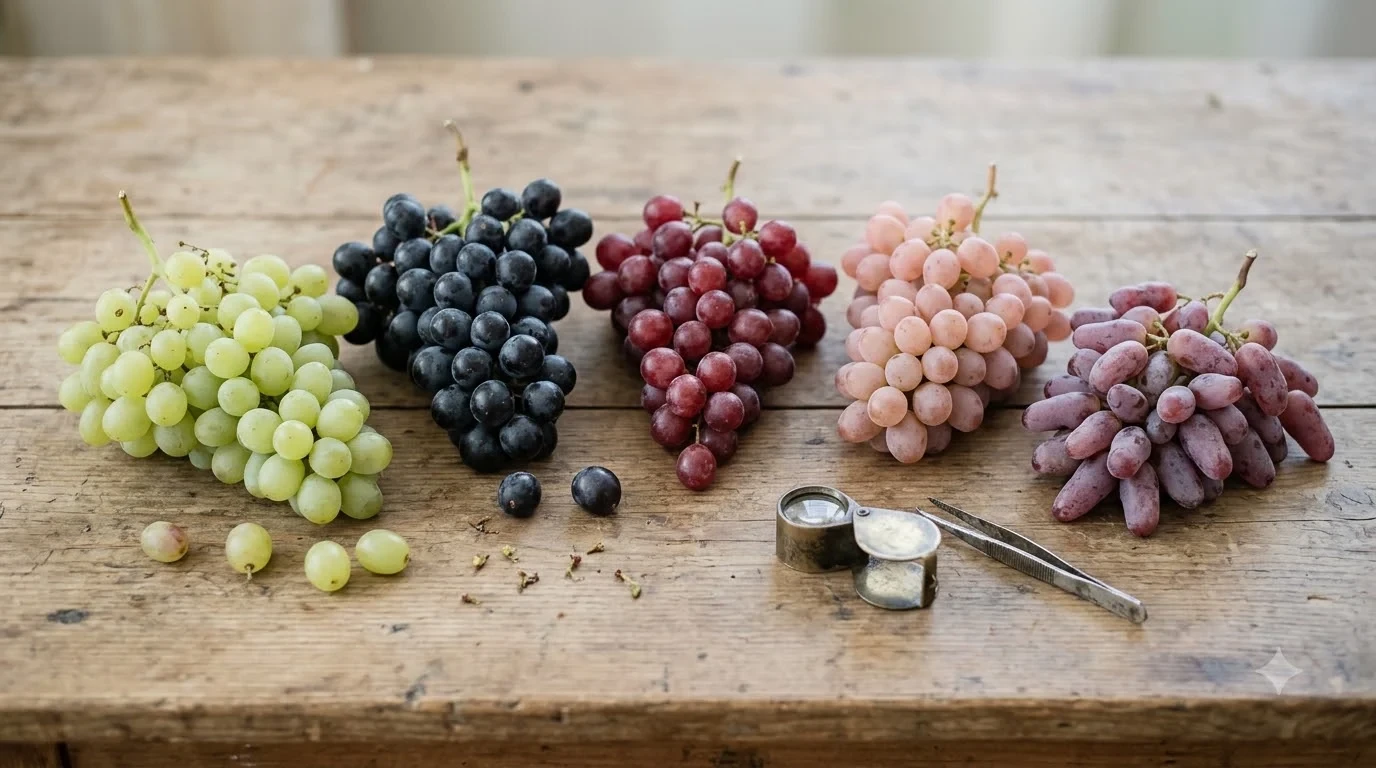
Txakoli wine grapes are primarily indigenous Basque varieties, especially Hondarrabi Zuri, the white grape responsible for the wine’s characteristic freshness, citrus aromas, and lively acidity. Other important varieties include Hondarrabi Beltza, which produces red and rosé wines, and Hondarrabi Zuri Zerratia, a white grape associated with floral aromas and additional complexity. These grapes grow across three Spanish designations of origin: Getariako Txakolina, Bizkaiko Txakolina, and Arabako Txakolina. Understanding their differences helps explain why Txakoli can range from light, coastal whites to more structured wines with greater aromatic depth.
Txakoli, also spelled Txakolina or called Chacolí in Spanish, comes from the Basque Country in northern Spain, where Atlantic weather, green hillsides, and local grape varieties shape a distinctive wine tradition. Although the majority of bottles are white, the region also produces rosé, red, sparkling, and occasionally late-harvest wines. The grapes behind these styles are particularly interesting because their identities, permitted combinations, and growing conditions vary between the three appellations. Here is what to know about the varieties, their characteristics, and how to recognize the wines they produce.
Hondarrabi Zuri: The Signature White Txakoli Grape
Hondarrabi Zuri is the principal grape behind traditional white Txakoli, contributing fresh fruit, floral aromas, herbal notes, and naturally lively acidity. Its importance extends across all three Basque appellations, although local growing conditions and winemaking decisions influence the finished wine.
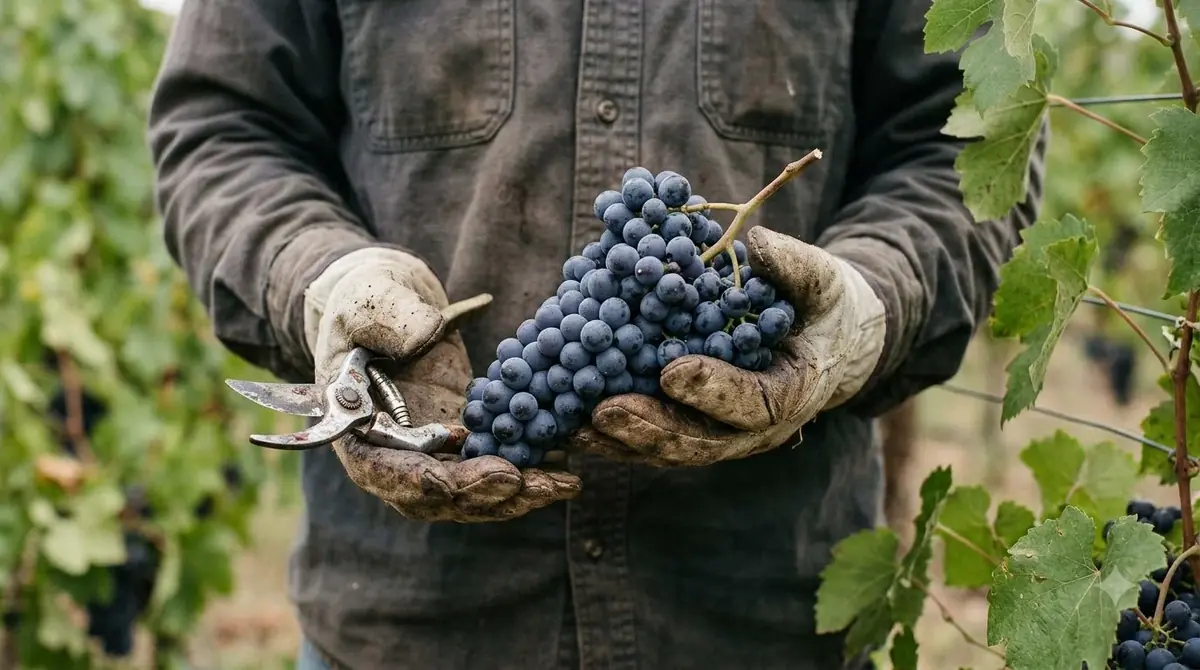
The name Hondarrabi Zuri refers to a white grape indigenous to the Basque wine-growing tradition. It is particularly associated with coastal vineyards, where the Atlantic climate creates conditions suited to producing fresh, aromatic wines. The grape is the foundation of the region’s best-known wine style: pale-colored, refreshing, generally light-bodied, and marked by citrus and green-fruit characteristics.
Typical aromas include green apple, pear, lemon, lime, fresh grass, and white flowers. Depending on the vineyard and winemaking approach, some examples also show tropical fruit, mineral impressions, and subtle herbal details. The palate usually emphasizes freshness rather than weight, with acidity providing structure and helping the wine remain lively alongside food.
Hondarrabi Zuri is particularly useful for understanding why Txakoli tastes different from many familiar Spanish white wines. Its Atlantic growing environment favors freshness, while its native character contributes a distinctive aromatic profile. A slight bitter impression on the finish is also characteristic of many traditional examples. This bitterness is not necessarily a fault; it is part of the grape’s recognizable expression.
The grape is not limited to inexpensive, uncomplicated wines. While young, fresh bottlings remain the most familiar style, producers also experiment with lees aging, barrel fermentation, and more selective vineyard fruit. These techniques can add texture, body, and complexity without eliminating the variety’s natural freshness.
For wine drinkers comparing varieties, Hondarrabi Zuri is best understood as a fresh, aromatic white grape rather than a direct substitute for Chardonnay or Sauvignon Blanc. Chardonnay often produces broader textures and more pronounced creamy or oak-influenced flavors, while Sauvignon Blanc can emphasize stronger grassy and tropical aromas. Hondarrabi Zuri has its own balance of citrus, white fruit, herbs, and characteristic Basque freshness.
Its acidity makes it particularly suitable for seafood, shellfish, grilled fish, and dishes featuring lemon or other acidic ingredients. The wine’s freshness cuts through richer preparations, while its relatively light body avoids overwhelming delicate flavors.
Hondarrabi Beltza and the Red-Grape Tradition
Hondarrabi Beltza is the principal indigenous dark-skinned grape associated with red and rosé Txakoli. It brings berry-like fruit, aromatic intensity, and a different expression of the Atlantic Basque wine tradition.
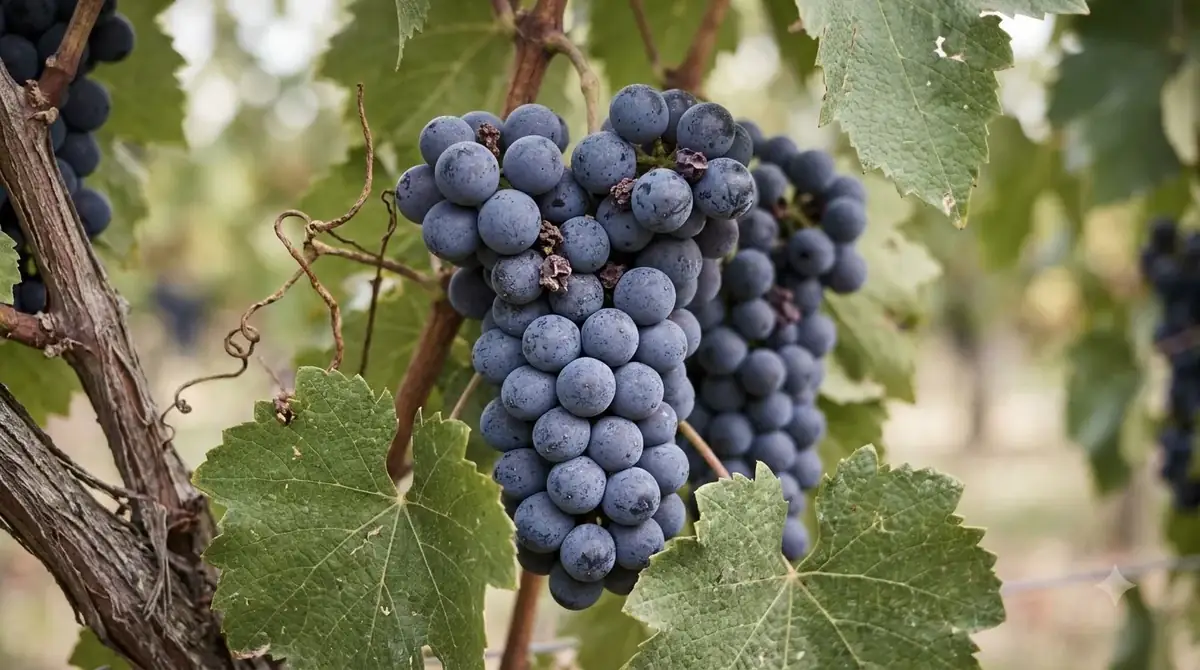
Although white Txakoli receives most of the attention, the region has a genuine tradition of producing wines from dark-skinned grapes. Hondarrabi Beltza is especially important because it provides an indigenous alternative to the international red varieties more commonly associated with European wine production.
The name distinguishes it from Hondarrabi Zuri, with the latter being the white variety. Hondarrabi Beltza is used for red wines and rosé wines, sometimes blended with white grapes according to the applicable appellation regulations. Its aromatic profile can include red berries, darker fruit, and herbal impressions.
Rosé Txakoli is sometimes called ojo de gallo, translated as rooster’s eye. In the regional overview published by Basque Wine, this style uses Hondarrabi Beltza at a minimum proportion of 50%, blended with Hondarrabi Zuri. The resulting wine can display vivid pink or berry-toned colors, fresh fruit aromas, and a lively palate.
Red Txakoli is less common than white and rosé. Wines made from Hondarrabi Beltza can show pronounced fruit and fresh acidity, with more noticeable tannin than the typical white style. Their relatively unusual character makes them interesting choices for drinkers who want to explore beyond the best-known expression of the appellation.
Hondarrabi Beltza should not be confused with a general category of Spanish red grapes. It is a specific native variety with its own place in the Basque wine-growing tradition. Its role also demonstrates that Txakoli is not defined by one color or one production technique, even though white wine dominates the category.
For food pairing, red and rosé versions call for different considerations from the classic white wines. A fresh rosé can accompany grilled vegetables, seafood with richer sauces, charcuterie, and mildly seasoned poultry. A red example can work with grilled mushrooms, roasted poultry, and lighter meat dishes. The level of tannin matters: wines with more pronounced tannin generally suit richer foods better than delicate fish.
Hondarrabi Zuri Zerratia and Other Important White Varieties
Hondarrabi Zuri Zerratia is another important white grape in Txakoli, contributing floral and vegetal aromas, while authorized international and regional varieties can provide additional structure and stylistic flexibility. The exact permitted grapes depend on the designation of origin.
Hondarrabi Zuri Zerratia is particularly interesting because its name refers to its tighter grape clusters. The Bizkaiko Txakolina regulatory organization identifies it as a principal variety and describes its aromatic contribution as floral and vegetal, with subtle bitter notes. Its role helps explain why some Bizkaia wines have a different aromatic character from bottles based primarily on Hondarrabi Zuri.
This variety is also associated with Petit Courbu. Its role in regional blends can add aromatic complexity and a different textural dimension from the more straightforward fruit expression of Hondarrabi Zuri. It is especially relevant for understanding the range of wines produced in Bizkaia, where producers work with several native varieties.
Another grape encountered in Txakoli regulations is Izkiriota, identified with Gros Manseng. This variety is permitted in the three appellations, subject to the applicable regional rules. Its presence can help create wines with additional body and aromatic depth.
Izkiriota Ttipia, or Petit Manseng, is another authorized variety in certain regional regulations. Other permitted white varieties include Sauvignon Blanc, Riesling, Chardonnay, and Mune Mahatsa, also known as Folle Blanche. These grapes provide producers with additional blending options, although they do not replace the indigenous varieties as the foundation of the traditional style.
Understanding the distinction between principal and authorized grapes is important. A variety being legally permitted does not mean it must appear in every bottle, nor does it mean it is used in equal proportions across the region. Producers choose their combinations according to vineyard conditions, wine style, and appellation regulations.
| Grape variety | Color | Main role in Txakoli |
|---|---|---|
| Hondarrabi Zuri | White | Principal grape for fresh white Txakoli |
| Hondarrabi Beltza | Red | Red and rosé Txakoli |
| Hondarrabi Zuri Zerratia | White | Floral and vegetal aromatic complexity |
| Izkiriota | White | Authorized blending variety |
| Izkiriota Ttipia | White | Authorized blending variety |
| Mune Mahatsa | White | Authorized variety in Bizkaia |
| Riesling | White | Authorized additional variety |
| Chardonnay | White | Authorized additional variety |
| Sauvignon Blanc | White | Authorized additional variety |
| Pinot Noir | Red | Authorized red variety in regional regulations |
| Cabernet Franc | Red | Authorized red variety in regional regulations |
One particularly important distinction concerns the permitted proportions of additional grapes. The Getariako Txakolina and Arabako Txakolina regulations limit their respective authorized additional varieties to a combined maximum of 20% of the vineyard surface processed by each registered winery. Bizkaiko Txakolina has its own regulatory framework, including specific provisions for additional varieties. These rules mean that the grape composition of a Txakoli wine cannot be assumed to be identical across all three designations.
Tip: When comparing two Txakoli bottles, look at the designation of origin as well as the grape information. Hondarrabi Zuri may be the common foundation, but the permitted additional varieties and local growing conditions can produce noticeably different wines.
How the Three Txakoli Appellations Shape the Grapes
Txakoli comes from three distinct designations of origin, each associated with a different part of the Basque Country. Getariako Txakolina, Bizkaiko Txakolina, and Arabako Txakolina share indigenous grape varieties but differ in geography, vineyard conditions, and authorized varieties.
Getariako Txakolina comes from Gipuzkoa, the coastal province particularly associated with the classic fresh white style. Getaria, Zarautz, and Aia are important places in the region’s wine-growing history. According to Basque Wine, approximately 90% of the designation’s vineyards are within one kilometer of the coast. This maritime influence is an important part of the region’s identity.
Hondarrabi Zuri is the main grape, with Hondarrabi Beltza providing the foundation for red and rosé wines. Hondarrabi Zuri Zerratia, Gros Manseng, Petit Manseng, Riesling, and Chardonnay are among the additional permitted varieties. The regional regulatory body limits the combined vineyard surface allocated to authorized additional varieties to 20% per registered winery.
Getaria’s production is overwhelmingly white. The Getariako Txakolina regulatory council reports that approximately 90% of its production is white wine and 10% rosé, while red production remains very small. This makes the appellation an especially useful starting point for someone discovering traditional Txakoli.
Bizkaiko Txakolina covers wine-growing areas in Biscay, including places associated with Bakio, Larrabetzu, and other inland and coastal districts. Its recommended varieties include Hondarrabi Zuri, Hondarrabi Zuri Zerratia, and Hondarrabi Beltza. The regional council also recognizes additional white grapes such as Mune Mahatsa, Gros Manseng, Petit Manseng, Sauvignon Blanc, Riesling, and Chardonnay.
Bizkaia is particularly interesting for its range of wine styles. Alongside traditional white Txakoli, producers make barrel-fermented whites, rosé, and red wines. Pinot Noir and Cabernet Franc are also included among the authorized red varieties under the designation’s regulations. These options demonstrate how a wine category with a strong indigenous identity can accommodate different approaches while maintaining its regional character.
Arabako Txakolina, also known as Txakoli de Álava, comes from the Aiara area in the northern part of Álava. Its geography is more inland and mountainous than the coastal vineyards of Getaria. The designated production area includes suitable registered land in Amurrio, Artziniega, Ayala, Laudio, and Okondo.
Hondarrabi Zuri, Hondarrabi Beltza, and Hondarrabi Zuri Zerratia are its principal grapes. Authorized additional varieties include Gros Manseng, Petit Manseng, Sauvignon Blanc, Riesling, Chardonnay, Pinot Noir, and Cabernet Franc. As with Getariako Txakolina, the combined surface allocated to additional authorized varieties is restricted to 20% per registered winery.
These geographical distinctions are useful when shopping for Txakoli. A bottle from Getaria may emphasize coastal freshness and the traditional Hondarrabi Zuri profile, while wines from Bizkaia can offer a broader range of production styles. Álava provides another expression shaped by inland conditions and its own combination of native and authorized varieties.
Atlantic Climate, Vineyard Conditions, and Grape Ripening
The Atlantic climate is central to the character of Txakoli grapes, creating growing conditions that favor freshness and aromatic intensity. Coastal exposure, rainfall, hillside planting, and soil composition all influence how the grapes develop before harvest.
The Basque Country has a maritime climate characterized by relatively mild temperatures and significant rainfall. In Getariako Txakolina, the coastal environment and local vineyard geography are important elements of the wine’s identity. This maritime influence makes vineyard management especially important because growers must manage moisture while encouraging healthy grape development.
Many vineyards occupy slopes that receive favorable sunlight. The Basque Wine regional overview describes southeast-facing vineyard sites and shallow planting as characteristics of the region’s viticulture. These arrangements help the vines benefit from sunlight while reducing the effects of excessive soil moisture.
The coastal environment also contributes to the distinctive identity of Getaria. Many vineyards sit close to the Cantabrian Sea, with approximately 90% located within one kilometer of the coast. The combination of sea influence, hillside exposure, and local grape varieties helps explain why the resulting wines are often associated with freshness and balanced acidity.
Bizkaia has a more varied landscape, with vineyards planted across coastal and inland districts. According to Basque Wine’s regional information, soils can include limestone, marl, and clay-rich material. Some vineyards occupy sloping ground to improve sunlight exposure in a climate that can otherwise be cloudy and humid.
In Álava, the Aiara growing area has its own combination of Atlantic influences, mountain geography, and vineyard conditions. Its inland location gives the area a different growing environment from the coastal vineyards of Getaria. Spring frost is an important consideration in some vineyard locations, particularly those beneath the slopes of the Sierra Salvada.
These conditions affect the timing and quality of grape ripening. Growers must balance sufficient sunlight with the risks associated with moisture and spring frost. The indigenous varieties are particularly important because they are adapted to the local environment and form the basis of the region’s traditional wines.
The resulting wine is not simply acidic because it comes from a cool climate. Acidity, fruit concentration, harvest timing, and winemaking decisions all contribute to the final balance. A producer harvesting grapes at an appropriate level of ripeness can preserve freshness while developing enough fruit character to avoid a thin or overly sharp result.
For drinkers, this explains why Txakoli is particularly associated with citrus, green apple, pear, fresh herbs, and a lively finish. Its flavors reflect a combination of grape variety and growing environment rather than one isolated feature of the wine.
Txakoli Wine Styles, Serving Temperatures, and Food Pairings
Most Txakoli is white, fresh, and intended to be enjoyed relatively young, but the category also includes barrel-fermented whites, rosés, reds, and sparkling wines. Matching the style to the right serving temperature and food makes the different grape varieties easier to appreciate.
Traditional white Txakoli is the most recognizable expression. Hondarrabi Zuri supplies its main aromatic and structural characteristics, while Hondarrabi Zuri Zerratia and authorized varieties can contribute additional complexity. These wines generally work best when served chilled rather than extremely cold, allowing the citrus, fruit, and herbal aromas to remain noticeable.
Getariako Txakolina recommends serving its wines between 6 and 10 degrees Celsius, equivalent to approximately 43–50 degrees Fahrenheit. This is a useful range for enjoying a fresh white bottle. More structured, barrel-fermented examples can benefit from the warmer end of the range so that their texture and additional aromas are not suppressed.
Rosé Txakoli offers a different experience. Hondarrabi Beltza contributes color and berry-like aromas, while the white grapes help maintain freshness. These wines are useful with grilled vegetables, cured meats, seafood, and casual outdoor meals.
Red Txakoli is less common, and its style depends on the grape composition and winemaking approach. Wines based on Hondarrabi Beltza can combine fresh fruit with more noticeable tannin. They are better suited to dishes with enough protein and richness to balance that structure, such as roasted poultry, grilled mushrooms, and moderately seasoned meat.
Food pairing is particularly straightforward with classic white Txakoli. Its refreshing acidity complements shellfish, oysters, grilled shrimp, white fish, and other seafood. The wine’s citrus character also works naturally with lemon-seasoned dishes and fresh vegetable preparations.
For richer foods, the acidity can help refresh the palate between bites. Fried seafood, grilled sardines, and dishes with olive oil are natural possibilities. Salt and fat can also soften the perception of tannin in more structured red examples, although delicate fish is generally better matched with the white wines.
Highly spicy food requires more care. Alcohol and tannin can amplify chili heat, making a dry red Txakoli a less suitable choice for very hot dishes. A fresh white or rosé with modest alcohol is generally a better starting point, provided its acidity complements the food’s seasoning.
Sweetness is another consideration. If a particular Txakoli is made in a sweeter style, the wine should be at least as sweet as the dessert. However, traditional dry white Txakoli is generally better suited to savory foods than sugary desserts.
The following serving recommendations provide a useful starting point for different Txakoli styles:
| Wine style | Serving temperature | Suggested food |
|---|---|---|
| Traditional white Txakoli | 43–50°F | Oysters, shrimp, grilled white fish |
| Lees-aged white Txakoli | 48–52°F | Roasted fish, creamy seafood dishes |
| Barrel-fermented white Txakoli | 50–55°F | Roasted poultry, grilled vegetables |
| Rosé Txakoli | 45–50°F | Charcuterie, seafood, salads |
| Red Txakoli | 55–60°F | Roasted poultry, mushrooms, grilled meats |
These are practical serving suggestions rather than fixed legal requirements. The traditional white and rosé styles benefit from a cooler serving temperature, while more structured wines can show additional detail when served slightly warmer.
For a broader understanding of how grape varieties influence wine color and production methods, it is also useful to explore orange wine grapes. Although orange wine is made through a different winemaking approach involving extended skin contact, comparing the styles helps illustrate how grape skins and color influence a finished wine.
The Basque Wine overview of Txakoli also describes its different wine styles, including traditional whites, cask-fermented wines, rosés, and reds, providing useful regional context for comparing bottles.
How to Choose and Explore Txakoli Wine Grapes
Choosing Txakoli becomes easier when you begin with the appellation, the principal grape, and the style of wine you want. A bottle made primarily from Hondarrabi Zuri is the natural introduction, while wines involving Beltza, Zuri Zerratia, or barrel fermentation offer opportunities to explore further.
For a first bottle, look for a white Txakoli from Getariako Txakolina. This designation is strongly associated with the coastal tradition and the classic combination of freshness, citrus aromas, and balanced acidity. A straightforward white is especially useful for understanding the character of Hondarrabi Zuri without the influence of substantial oak aging.
If you prefer a more aromatic or structured white, explore Bizkaiko Txakolina. Its principal varieties include both Hondarrabi Zuri and Hondarrabi Zuri Zerratia, and its producers make wines with different fermentation and aging approaches. A barrel-fermented example can offer more texture than a fresh, young white.
For another regional perspective, consider Arabako Txakolina. Its inland and mountainous setting creates a different context for the indigenous grapes. Its authorized varieties also provide a useful illustration of how appellation regulations allow some flexibility while retaining the importance of local grapes.
Rosé and red Txakoli are good choices for drinkers interested in Hondarrabi Beltza. Rosé is often the easier introduction because it combines fruit, freshness, and a relatively light structure. Red versions are more unusual and provide a different way to explore the native variety.
Producer selection is also important. Some wineries emphasize traditional young wines, while others focus on lees contact, barrel fermentation, and more selective vineyard expressions. Exploring different txakoli wineries can reveal how individual producers interpret the same indigenous varieties.
When comparing bottles, consider the following points:
- Appellation: Identify whether the wine comes from Getariako Txakolina, Bizkaiko Txakolina, or Arabako Txakolina.
- Main grape: Hondarrabi Zuri is the traditional starting point for white wines, while Hondarrabi Beltza is important for red and rosé.
- Additional varieties: Petit Courbu, Gros Manseng, Riesling, Chardonnay, and other authorized grapes can influence the final profile.
- Production method: Fresh stainless-steel wines, lees-aged bottles, and barrel-fermented examples can have different textures and aromatic intensity.
- Color and style: Decide whether you want a refreshing white, a fruity rosé, or a more unusual red wine.
- Food pairing: Match the wine’s acidity, body, and tannin to the richness and seasoning of the meal.
Txakoli is also a useful wine to explore alongside other regional wine traditions. The broader collection of Wine Regions provides context for understanding how geography, indigenous grapes, and local regulations create distinct wine identities. Comparing Basque varieties with those grown in other regions makes the importance of local grape heritage particularly clear.
The official Bizkaiko Txakolina grape-variety directory is another useful resource because it distinguishes the three principal grapes from the additional authorized white and red varieties.
Ultimately, the most useful approach is to start with a traditional Hondarrabi Zuri white, then compare it with a bottle featuring Hondarrabi Zuri Zerratia or a different appellation. This gives you a practical understanding of how the same regional wine tradition can produce several distinct expressions.
Frequently Asked Questions
Are Hondarrabi Zuri and Hondarrabi Beltza genetically related?
They are distinct grape varieties, and their similar names reflect their connection to the Basque viticultural tradition rather than making them interchangeable. Hondarrabi Zuri is the white variety, while Hondarrabi Beltza is the dark-skinned variety. Their precise genetic relationships should not be inferred from the similarity of their names alone.
Is Txakoli made from a single grape variety?
Not necessarily. Many traditional white examples are based primarily on Hondarrabi Zuri, but appellation regulations permit additional varieties in specified circumstances. Some wines are blends, while others emphasize one principal grape. The permitted combinations differ between the three designations.
Is Hondarrabi Zuri Zerratia also called Petit Manseng?
No. Hondarrabi Zuri Zerratia is associated with Petit Courbu, whereas Petit Manseng is identified with Izkiriota Ttipia. They are separate grape varieties with different names and roles in the regional regulations. Keeping these distinctions clear is helpful when reading technical wine descriptions.
Can Txakoli be made into sparkling wine?
Yes. The Getariako Txakolina regulations cover sparkling wines as well as late-harvest wines. These are relatively uncommon compared with the region’s traditional still whites and rosés. Their production demonstrates that the appellation is not restricted to one finished wine style.
How can you identify certified Getariako Txakolina?
Look for the numbered guarantee seal positioned on the upper part of the bottle over the capsule. The Getariako Txakolina regulatory council uses this seal to identify wines that meet the designation’s origin and quality requirements. It is a useful distinction when comparing certified appellation wines with other bottles labeled simply as Txakoli.
Txakoli’s identity begins with indigenous Basque grapes, particularly Hondarrabi Zuri, Hondarrabi Beltza, and Hondarrabi Zuri Zerratia. Their combination of Atlantic growing conditions, regional regulations, and varied winemaking methods produces far more diversity than the familiar fresh white style alone suggests. Start with a classic Hondarrabi Zuri wine, then explore the three appellations and their alternative varieties to discover the full character of Txakoli.
More in Wine Regions
 Willcox Wine Trail: Discover Arizona’s High-Elevation Wine CountryUpdated Nov 20, 2026
 Yakima Valley Wine Region: Find the Best Styles to TryUpdated Nov 20, 2026
 Vosne Romanee Wine Tasting: Identify Aromas and Choose Better PairingsUpdated Nov 20, 2026
 Yakima Valley Wine Festival: Find the Best Seasonal Wine EventsUpdated Nov 20, 2026
 Wales Vineyards: Discover Cool-Climate Wines and Where to VisitUpdated Nov 20, 2026
 Yountville Wine Festival: Discover Napa Wines and Local FoodUpdated Nov 20, 2026