

We may earn a commission when you buy through links on this page, at no extra cost to you. Learn more.
Turkey wine comes from one of the oldest winemaking traditions in the world, and today’s Turkish wines are built around local grapes such as Öküzgözü, Boğazkere, Kalecik Karası, and the white Narince. Turkish producers work across Anatolia and Thrace, where warm, dry summers and a range of altitudes suit both reds and whites. For most American drinkers, the easiest way to start is with a medium-bodied red or a crisp white and a few simple pairings.
Wine has a long history in Anatolia, the part of modern Turkey that lies in Asia Minor. The Wikipedia summary of Turkish wine notes that the area is among those where Vitis vinifera was first domesticated, with evidence of at least 7,000 years, and that wine appears in Hittite texts. Modern Turkish wine has taken a more international form, with new wineries and younger winemakers, while keeping many native varieties alive. This guide explains what to expect from Turkish wine, which grapes matter most, and how to choose a bottle.
Where Turkish Wine Is Made
Turkey’s wine regions are spread across a large country with varied geography. Thrace and the Marmara region, in the northwest, are the largest producing area by share, with a maritime climate moderated by the surrounding seas. The Aegean coast has warm summers and sea breezes that suit a range of varieties, while the central Anatolian plateau offers higher elevations and wider temperature swings between day and night.
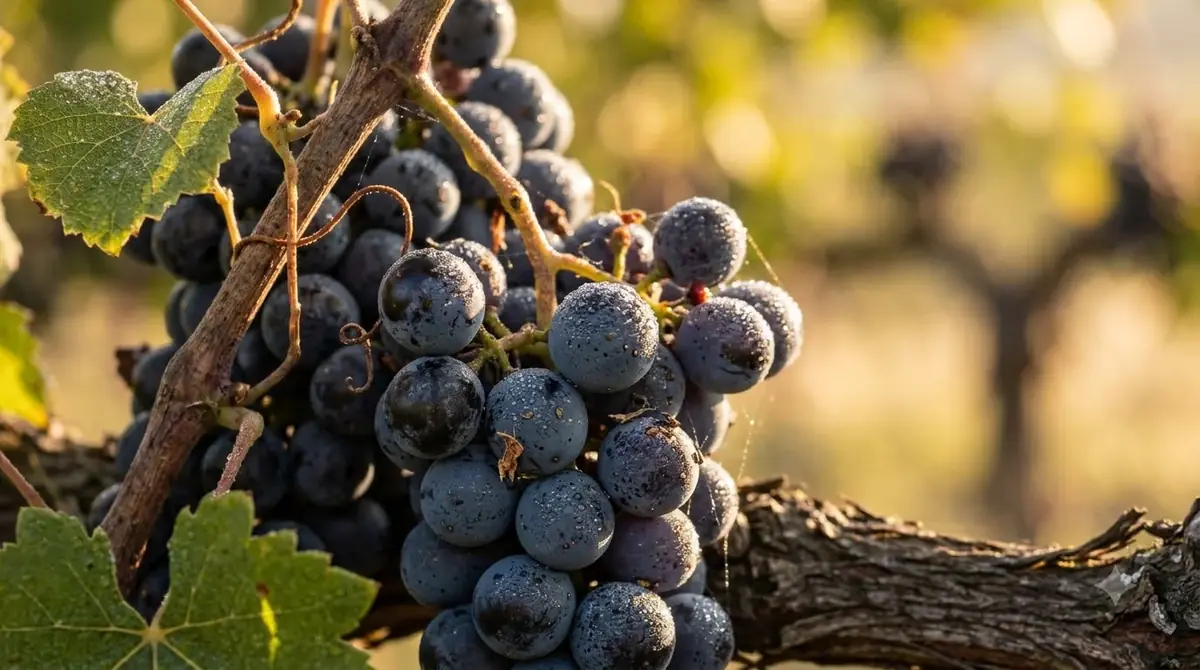
Altitude is one of the most useful clues for understanding a Turkish wine. Vineyards on higher ground tend to keep more natural acidity, which can make whites feel fresher and reds more structured. Lower, warmer sites often produce riper fruit and softer textures. Because the country is large, regional style varies more than many buyers expect, so the label’s place name is worth reading closely.
Higher, dry growing areas also show up in other parts of the world. Readers who enjoy comparing a high-altitude Turkish bottle with a warm-climate American one can look at the Arizona wine guide, which covers another region where elevation and heat shape the glass.
Native Grapes and Styles
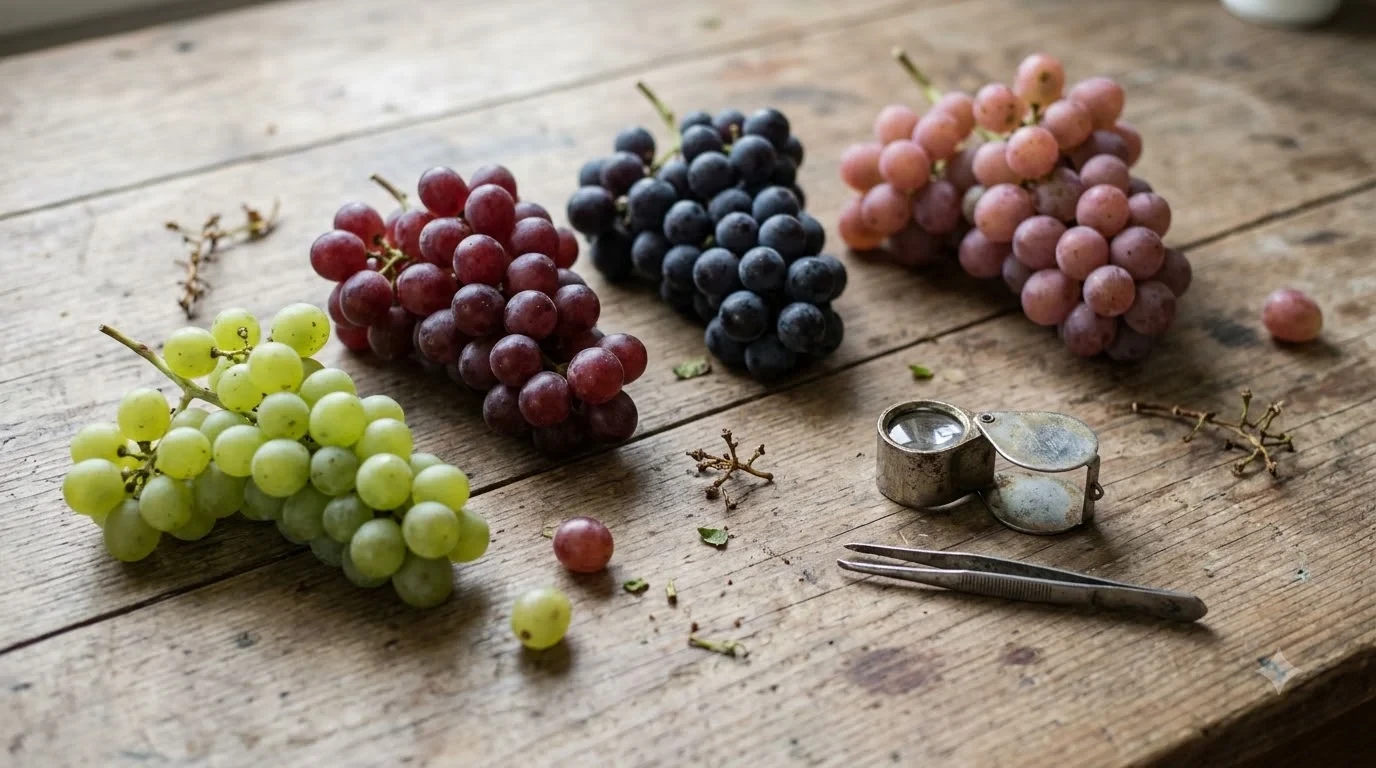
Turkish reds are often built around indigenous varieties. Öküzgözü, grown around Elazığ, is typically associated with bright acidity, red fruit, and softer tannins than Boğazkere. Boğazkere tends to offer deeper color and firmer tannin, which gives it a more serious character. Kalecik Karası, grown near Ankara, is generally light to medium-bodied and aromatic, a style that pairs well with food.
Among white wines, Narince is a native white from the Tokat area that can be made unoaked or barrel-aged, and Emir is another native white from Cappadocia with high acidity and a mineral character, used for still and sparkling wine. International varieties such as Cabernet Sauvignon, Merlot, Syrah, and Chardonnay also grow across the country, often blended with local grapes or bottled on their own. Tasting both native and international bottles side by side is a practical way to learn the differences.
| Grape | Color | Typical character |
|---|---|---|
| Öküzgözü | Red | Juicy red fruit, soft structure |
| Boğazkere | Red | Deeper color, firmer tannin |
| Kalecik Karası | Red | Lighter, elegant, food-friendly |
| Narince | White | Fresh citrus and floral notes |
| Emir | White | Dry, crisp, usually lively acidity |
A Brief History of Turkish Wine
Winemaking in Anatolia predates the modern nation by a very long stretch of time. Over the centuries, vineyards were shaped by empires, trade routes, and religious and cultural rules that changed how wine was produced and consumed. Many local grape varieties survived through those shifts, often in small villages where families kept planting the same vines for generations.
After the Republic was founded in 1923, the state promoted winemaking, and a state monopoly dominated the trade for much of the twentieth century. The monopoly’s wine division was privatised in 2004, and many small private wineries have since opened. Producers began to highlight native grapes on their labels, which helped international drinkers recognize them. Producers began to highlight native grapes on their labels, which helped international drinkers recognize them. Today, the mix of old vines and new winemaking gives Turkish wine a distinctive identity that is still developing. Visitors to the country often notice how local tables treat wine as part of a wider meal, with raki and tea also part of everyday life.
The history matters for buyers because it explains why native grapes are so central. Many of these varieties were not widely exported in the past, so their names are less familiar outside Turkey. Learning a few of them gives you a clear advantage when you browse a shelf or read a restaurant list.
How to Serve and Pair Turkish Wine
Most Turkish reds show their best at slightly cool room temperature, usually around 60 to 65 degrees Fahrenheit, and a short rest in the glass helps aromas open. Lighter reds such as Kalecik Karası can be served a little cooler. Whites like Narince and Emir are best chilled, though not so cold that the aromas disappear.
Decanting is optional for most Turkish reds at the everyday level, but a red with firm tannin, such as a Boğazkere, can soften with thirty minutes in a decanter or an open glass. Younger, fruit-forward reds rarely need it. Keep bottles out of direct sun and away from a warm stove, since heat is the most common reason a wine tastes flat.
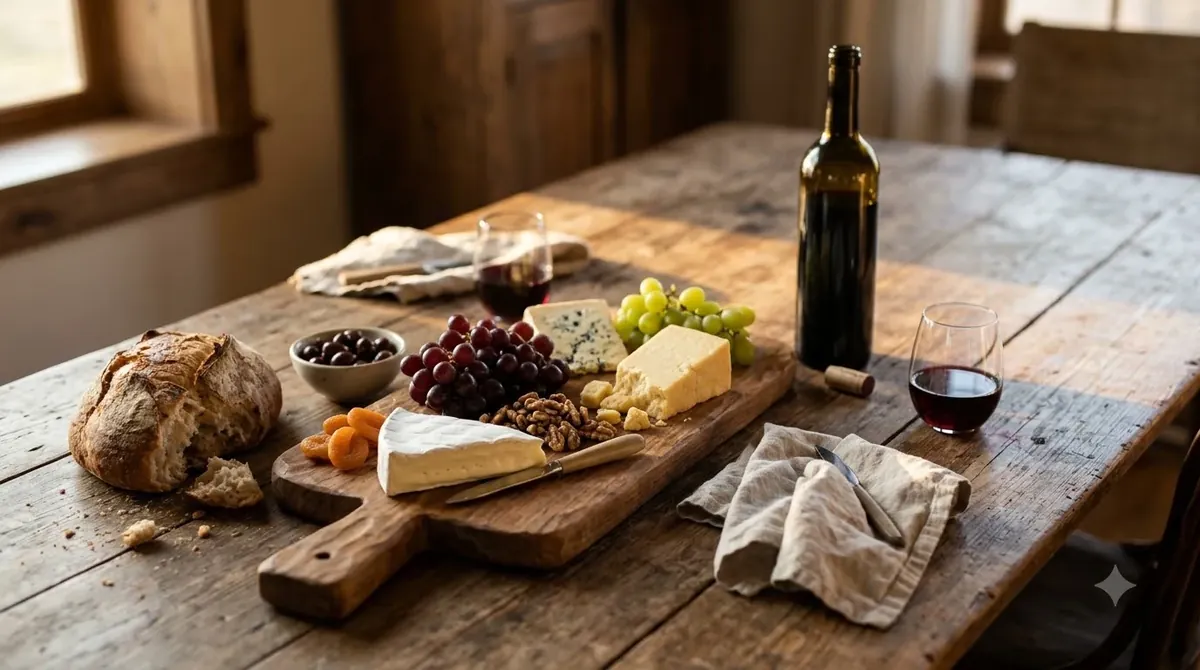
Food pairing is straightforward. Grilled meats, kebabs, and roasted vegetables suit fuller reds, while mezze plates, grilled fish, and yogurt-based dishes pair well with crisp whites and lighter reds. Turkish cuisine uses many herbs, spices, and sumac, so a wine with bright acidity often balances the flavors without overwhelming them.
Tip: If you are new to Turkish wine, start with one white and one red from the same producer. Comparing them shows how the producer’s style carries across grapes.
How to Choose a Bottle
Price and quality do not always move together, so it helps to focus on the producer’s reputation and the style you want. Ask a retailer which bottles they would recommend for a first purchase, and note whether the wine is labeled as a single variety or a blend. Blends can be an easy way to try a style without committing to one grape.
Look for the grape name, the region, and the producer on the label. A bottle that names its native grape usually gives a clearer idea of what to expect than a generic term. If the wine lists a region such as Thrace or Anatolia, that is a clue about climate and style. Wine shops and online retailers that carry Turkish wines often include tasting notes, which can help you compare options before buying.
Consider what you already enjoy. Drinkers who like Pinot Noir or Beaujolais often find Kalecik Karası approachable. Fans of Cabernet Sauvignon may prefer a Turkish red with a firmer frame. For a broader look at how climate shapes these choices, the wine regions guide explains the basics.
Frequently Asked Questions
Is Turkish wine good?
Quality varies by producer, as it does everywhere. Many Turkish wines show clear regional character and good value, especially those made from native grapes. Tasting a few bottles from different producers gives the most reliable picture.
What is the most famous Turkish wine grape?
Öküzgözü and Boğazkere are two of the best-known indigenous red grapes, while Narince is a well-known native white. International grapes are also widely planted, so the answer depends on whether you mean local or international varieties.
Is Turkish wine easy to find in the United States?
Availability depends on your state and local retailers. Specialty wine shops and online retailers are the most likely places to find a good selection, and restaurants with Mediterranean or Anatolian menus sometimes list Turkish bottles.
What food goes best with Turkish red wine?
Grilled meats, kebabs, lamb dishes, and roasted vegetables are good matches for medium to full-bodied reds. Lighter reds such as Kalecik Karası also suit tomato-based dishes and mezze.
Turkish wine rewards curiosity. Start with a native white or a medium-bodied red, serve each at the right temperature, and pair it with simple grilled or mezze-style food. Once you know two or three grapes, comparing regions and producers becomes a natural next step.
More in Wine Regions
 Willcox Wine Trail: Discover Arizona’s High-Elevation Wine CountryUpdated Nov 20, 2026
 Yakima Valley Wine Region: Find the Best Styles to TryUpdated Nov 20, 2026
 Vosne Romanee Wine Tasting: Identify Aromas and Choose Better PairingsUpdated Nov 20, 2026
 Yakima Valley Wine Festival: Find the Best Seasonal Wine EventsUpdated Nov 20, 2026
 Wales Vineyards: Discover Cool-Climate Wines and Where to VisitUpdated Nov 20, 2026
 Yountville Wine Festival: Discover Napa Wines and Local FoodUpdated Nov 20, 2026